

- Automotive Tyre Manufacturers Association
- Indian Tyre Technical Advisory Committee
- Renji Issac
- Sudershan S Gusain
Low Tyre Pressure Costs India INR 45 Bln In Wasted Petrol Each Year, Says ATMA Survey
- By TT News
- July 09, 2026
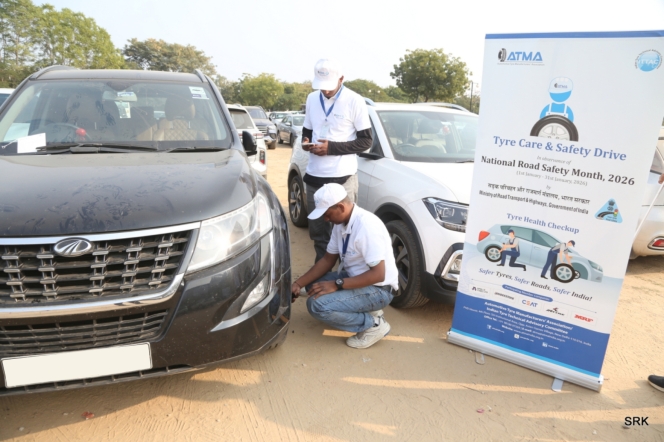
India is losing more than 425.7 million litres of petrol worth over INR 45 billion each year because of underinflated tyres, according to a survey by the Automotive Tyre Manufacturers' Association (ATMA), which warned that poor tyre maintenance is also increasing road safety risks.
The findings come as higher crude oil prices and the continuing West Asia conflict put additional pressure on fuel costs, making fuel efficiency an increasingly important concern for motorists.
The tyre health survey, conducted by the Indian Tyre Technical Advisory Committee (ITTAC), ATMA's technical arm, found that a significant proportion of passenger vehicles on Indian roads are operating with tyre pressures below manufacturers' recommended levels.
More than 130,000 passenger vehicle tyres, including those fitted to two-wheelers, have been inspected across India over the past few years, including nearly 100,000 during the past year. The survey found that 32 percent of tyres had air pressure more than 20 percent below the recommended level, while a further 21 percent were between 10 percent and 20 percent below the recommended pressure.
According to international studies cited by ATMA, every one PSI reduction in tyre pressure reduces fuel efficiency by about 0.2 percent. Based on the survey findings, the association estimates that underinflated tyres account for fuel efficiency losses equivalent to around 0.75 percent of India's total fuel consumption by vehicles.
With India's annual petrol consumption estimated at 56.77 billion litres, almost all of which is used by passenger vehicles, including two-wheelers, this equates to an annual loss of around 425.7m litres of petrol. At current retail fuel prices, the value of the wasted fuel exceeds INR 45 billion annually.
ATMA said the estimate covers only petrol consumption and excludes diesel-, CNG- and LPG-powered passenger vehicles, suggesting that the overall national fuel loss is likely to be even higher.
The association said the fuel loss assumes greater significance because India imports more than 80 percent of its crude oil requirements. Avoidable fuel consumption not only increases costs for consumers but also adds to the country's oil import bill and foreign exchange outgo.
Renji Issac, chairman of ITTAC, said: "The survey highlights a hidden but significant drain on both household budgets and the national economy. At a time when fuel prices have gone up owing to West Asia conflict, maintaining the correct tyre pressure is one of the simplest and most effective ways to improve fuel efficiency and reduce fuel expenses. The low inflation pressure also increases the emissions resulting in more atmospheric pollution."
Apart from the economic impact, the association said underinflated tyres generate excessive heat, reduce vehicle handling and braking performance, increase stopping distances and make tyres more susceptible to damage or sudden failure, particularly during high-speed driving. Low tyre pressure also accelerates uneven tyre wear, shortening tyre life and increasing replacement costs.
Sudershan S Gusain, chairman of ATMA's Safety Awareness Group, said: "Apart from the economic cost, low tyre pressure also has serious safety implications. Tyres operating below the recommended pressure generate excessive heat, adversely affect vehicle handling and braking performance, increase stopping distances and are more susceptible to tyre damage or sudden failure, particularly during high-speed travel. Low tyre pressure also accelerates uneven tyre wear, reducing tyre life and increasing replacement costs."
ATMA said a tyre pressure check takes only a few minutes but can improve fuel efficiency, extend tyre life, reduce emissions and enhance road safety. The association advised motorists to check tyre pressure every fortnight, preferably when tyres are cold, and to maintain the pressure recommended by the vehicle manufacturer.
The association also urged electric vehicle owners to pay attention to tyre pressure monitoring system (TPMS) alerts. While most EVs display tyre pressure on the dashboard, these warnings are often ignored because drivers make fewer visits to fuel stations. Maintaining the correct tyre pressure improves vehicle range, tyre life, safety and environmental performance, ATMA said.
Continental EcoContact 7 S Approved As Original Equipment For Volvo EX60
- By TT News
- October 16, 2026
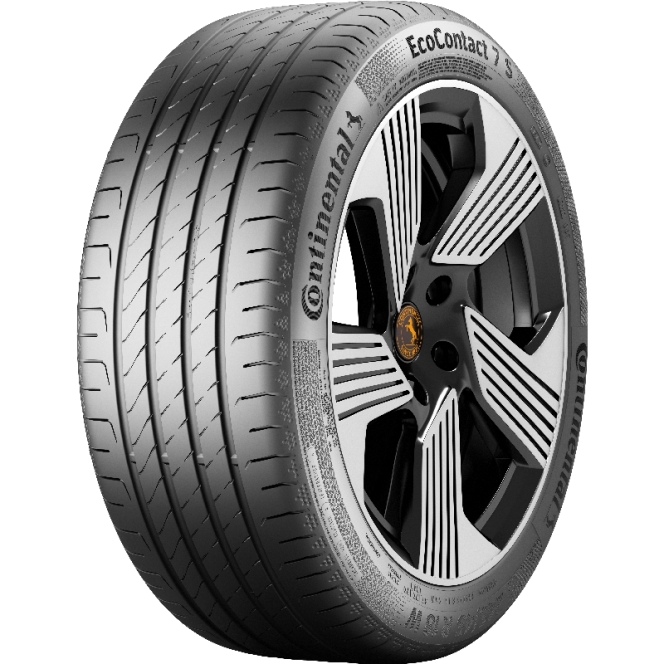
Continental has secured original-equipment approval for the fully electric Volvo EX60, with its EcoContact 7 S tyre line homologated across numerous countries worldwide. Approval covers the sporty summer tyre for the electric SUV. Two fitments were sanctioned: 235/55 R20 for the front axle and 255/50 R20 for the rear axle.
Both approved versions carry an integrated rim protector, a reinforced sidewall area that lowers the risk of rim damage from accidental curb contact. This protective feature strengthens the sidewall zone, guarding the wheel rim against unintended impacts during everyday driving situations.
A sporty summer tyre, the EcoContact 7 S targets low rolling resistance, high mileage and minimal rolling noise. Its optimised compound and construction cut energy consumption, and the sportier S variant of the EcoContact 7 also stresses wet grip and handling for a direct, responsive feel, bearing an EV-compatible sidewall logo identifying electric vehicle suitability.
A golf-inspired principle boosts efficiency: Aerodimples, tiny sidewall indentations mimicking a golf ball's surface, reduce air turbulence behind the tyres, so less energy keeps the vehicle moving. A specially tuned tread pattern also curbs rolling noise, especially at low urban speeds, cutting noise pollution for pedestrians and nearby residents.
AZuR Launches European Tyre Pressure Day To Extend Tyre Life
- By TT News
- October 13, 2026
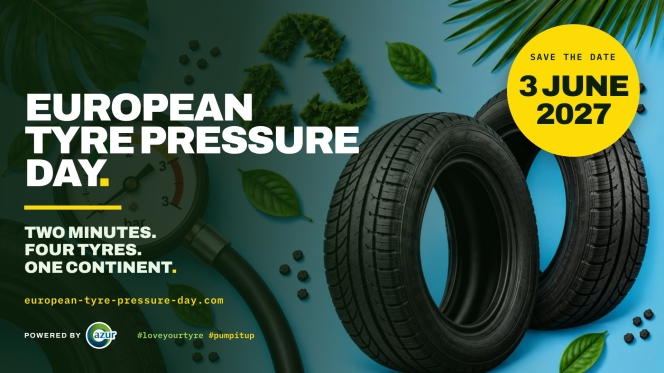
The Alliance Future Tyres (AZuR) will hold the first European Tyre Pressure Day on 3rd June 2027, calling on motorists, businesses and public institutions across Europe to check their vehicles’ tyre pressure to reduce waste and extend tyre life.
More than 90 AZuR partners will take part, with garages, car washes, fleet operators, universities and municipalities also invited to join the initiative. Registration is open, according to the organisation’s announcement on 13 October 2026.
The campaign highlights the role of tyre pressure in preserving the casing, the structural part of a tyre that can remain suitable for reuse or retreading even when the original tyre is no longer in service.
An analysis by REGOM, using automated identification and sorting technology at an industrial used-tyre collection site in France, examined 59,349 tyres in June 2026 with at least 3mm of remaining tread. Of these, 12,738 were considered suitable for reuse. The other four-fifths were rejected despite having sufficient tread, with the condition of the casing determining whether they could be reused.
“We have spent years working to make sure a new cycle begins at the end of a tyre’s life. But the most effective lever comes before that — and it lies with every single one of us,” says Anna-Maria Guth, Network Coordinator of AZuR. “That is why we are starting with ourselves. On 3 June our partners will check the pressure on their own vehicles, in their own yards and staff car parks. If you take part yourself, you do not have to persuade anyone,” adds Guth.
“Every tyre contains valuable raw materials whose production requires energy, know-how and resources. From a circular economy perspective, we should therefore value this material and energy effort for as long as is technically and safely possible,” said Marjolein Groeneweg, Global Marketing And Sustainability Director For Synthetic Rubber at Synthos and a Member of AZuR’s Reduce & Reuse project group.
Low tyre pressure can also increase fuel consumption. The German motoring organisation ADAC estimates that it can raise consumption by as much as 0.3 litres per 100km. At an annual mileage of 15,000km, that would amount to about 45 litres of additional fuel.
The campaign will cover cars, vans, lorries, trailers, buses, agricultural machinery and bicycles. Participants can register their locations on a European campaign map, while schools, clubs and municipalities can apply for free campaign materials.
AZuR has worked since 2020 to promote a circular economy for tyres, bringing together more than 90 partners across manufacturing, repair, retreading, collection and materials recovery.
Pirelli Develops Bespoke P Zero R Tyre For New Official FIA F1 Safety Car
- By TT News
- October 05, 2026
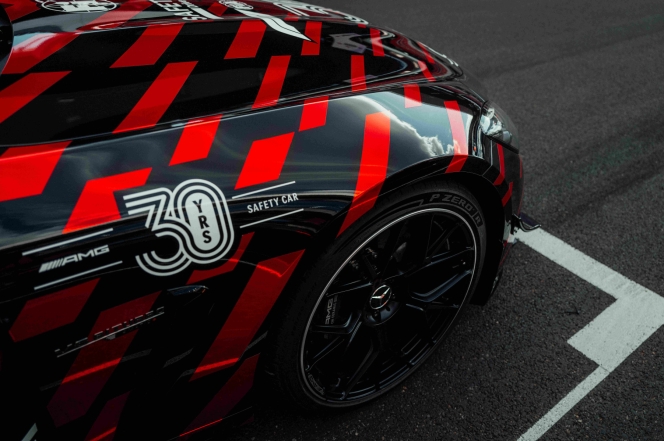
Pirelli has introduced the P Zero R, an ultra-high-performance tyre created specifically for the Mercedes-AMG GT 63 PRO 4MATIC+, unveiled as the first Official FIA F1 Safety Car fitted with fully variable all-wheel drive. The tyre blends qualifying-level dry performance with precise steering response while maintaining safe wet handling and was engineered to deliver consistent performance during Formula 1 Safety Car deployments, where precision, reliability and control are essential.
The dual-compound tread and tread pattern details, developed through virtualisation, allow high performance in both dry and wet conditions. Co-developed with Mercedes-AMG engineers in Affalterbach and refined using virtual simulation models central to Pirelli's development process, the compounds, land-to-groove ratio and tread channel widths work in synergy with the vehicle's suspension geometry and camber. This optimises the contact patch, maximising grip and steering precision while enhancing high-speed stability without sacrificing wet performance.
The project forms part of Pirelli's role as Formula 1's sole tyre supplier since 2011, a position recently confirmed by the FIA and Formula 1 and extended through to 2028. The relationship stretches back to the inaugural race in 1950, and Pirelli has accompanied the championship's technical evolution, reaching 500 Grands Prix in 2025. Experience gained on track, including in extreme conditions, gives Pirelli a laboratory for innovation whose findings also feed into road tyre development.
Designed to put the power of its 4.0-litre twin-turbo V8 engine onto the road, the 21-inch P Zero R supports an engine producing 450 kW (612 hp) and 850 Nm of maximum torque. The car offers high performance and drivability thanks to the fully variable AMG Performance 4MATIC+ all-wheel-drive system, which demands tyres capable of coping with rapid load transfers while letting the car exploit its dynamic potential.
Extensive testing at the Nürburgring and Nardò involved AMG brand ambassador and Official FIA F1 Safety Car Driver Bernd Mayländer and other experienced Safety Car drivers, who praised the tyre's consistency and grip across a wide range of conditions. The first P Zero R developed specifically for a Mercedes-AMG, it confirms a longstanding collaboration built on co-development from the earliest stages of vehicle development, resulting in more than 150 fitments. The tyre carries the MO1 sidewall marking, identifying it as specifically developed for this model.
The previous Official FIA F1 Safety Car from the Affalterbach performance and sports car brand, the Mercedes-AMG GT Black Series, which served from 2022 to 2026, also ran on Pirelli P Zero tyres. The latest milestone in the partnership came at the Nürburgring Nordschleife, where the Mercedes-AMG CLA 45 4MATIC+ fitted with Pirelli P Zero Trofeo RS tyres set a record of 7:32.070 minutes, claiming the title of fastest vehicle in its segment on the legendary German circuit.
Continental Secures Two Porsche OE Approvals for Panamera, Cayenne
- By TT News
- September 29, 2026
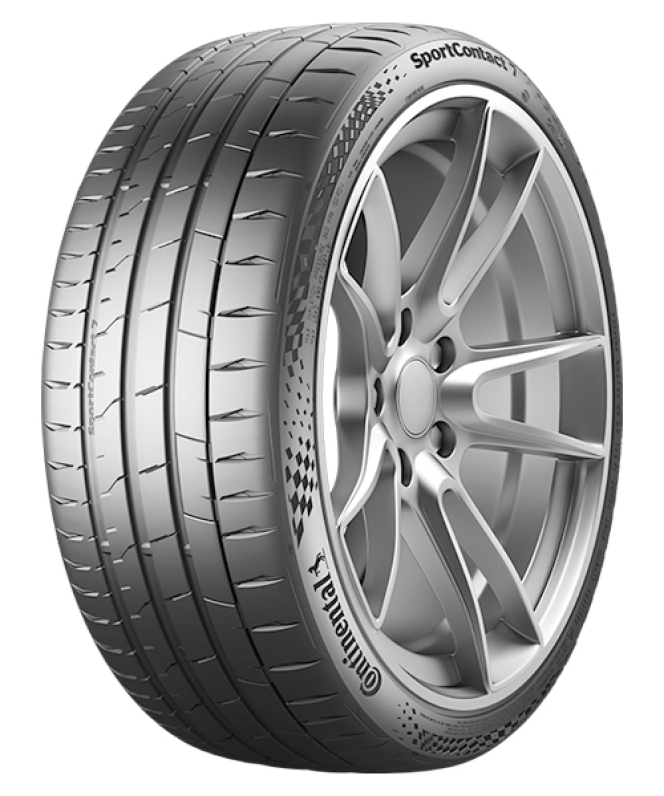
Continental has secured two fresh original-equipment approvals from Porsche. Both the SportContact 7 and the newly introduced SportContact 7 Force have been sanctioned for the Panamera G3 II, while the WinterContact TS 860 S is recommended by Porsche for the Cayenne E4 in colder conditions. The approvals cover 21- and 22-inch sizes bearing XL markings that denote greater load capacity.
The SportContact 7 serves as a summer tyre engineered for highly responsive and precise handling. Its tread design and rubber formulation deliver strong grip and brief braking distances on dry and wet surfaces alike, ensuring notable stability at elevated speeds. The SportContact 7 Force, meanwhile, represents a high-performance extension of Continental's summer range.
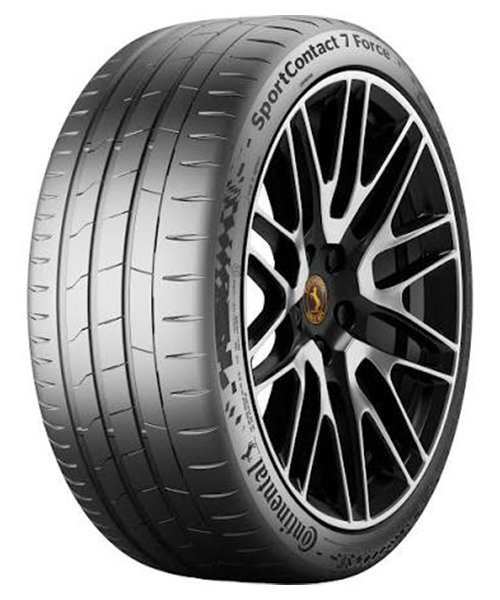
Developed as a specialised variant of the SportContact 7, the Force version addresses elevated performance and stability requirements. An adaptive tread pattern paired with a refined rubber compound allows for more accurate handling and efficient power transfer under extreme conditions. It blends track-derived capability with suitability for daily driving.
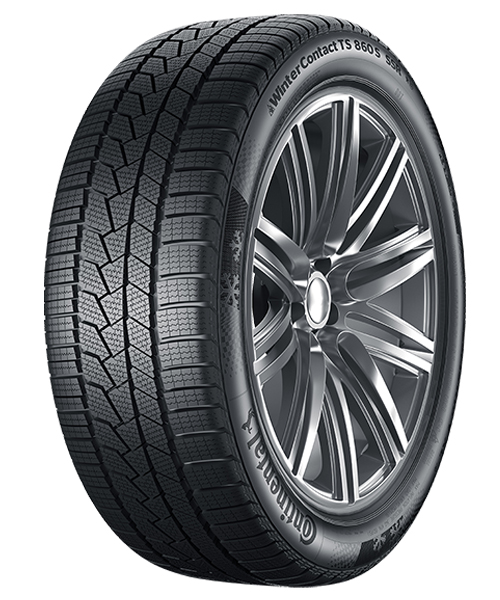
For the Cayenne E4, the WinterContact TS 860 S has been tailored to high-powered, handling-oriented SUVs. It offers short braking distances and precise dry-road handling, alongside solid snow performance for dependable control and stability. Its low rolling resistance may also help extend electric vehicle range.

Comments (0)
ADD COMMENT