

- Bridgestone
- Universitas Indonesia
- Yokohama City University
- Maebashi Institute of Technology
- Para Rubber Trees
- Natural Rubber
- Genetic Analysis
Bridgestone Partners With Academic Institutions To Boost Natural Rubber Sustainability Through Genetic Analysis
- By TT News
- April 10, 2026
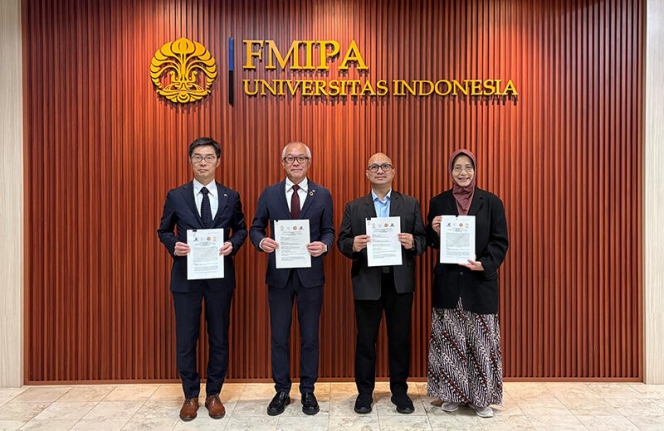
From left: Toshihiro Uchiyama, General Manager, Sustainable Technology Strategy and Research Department, Bridgestone Corporation; Masashi Otsuki, Executive Director, Institute of Advanced Technology, Bridgestone Corporation; Prof Dr Tito Latif Indra, M.Si, Dean of the Faculty of Mathematics and Natural Sciences, Universitas Indonesia and Dr Retno Lestari, M.Si., Faculty of Mathematics and Natural Sciences, Universitas Indonesia.
Bridgestone has initiated a collaborative research project with Universitas Indonesia, Public University Corporation Yokohama City University (Yokohama City University), and Public University Corporation Maebashi Institute of Technology (Maebashi Institute of Technology) focused on the genetic analysis of para rubber trees. The partnership draws on tree samples and genetic data from Bridgestone’s own natural rubber farm in Indonesia, combined with the advanced capabilities of the academic institutions. The primary goal is to develop a marker assisted selection technique that can identify elite trees, characterised by high and stable yields, at an early stage. A formal signing ceremony took place at Universitas Indonesia on 7 April to mark the beginning of this joint effort.
Sustainability is central to Bridgestone’s management philosophy, reflected in its business model that links operations to carbon neutrality, a circular economy and nature positivity across the entire value chain from production to renewal. This research directly supports that vision by aiming to improve the sustainability of natural rubber. Ultimately, the company seeks to contribute to a more circular and regenerative business model where natural rubber production becomes increasingly efficient and environmentally responsible.
A stable supply of natural rubber is essential for tyre manufacturing and safe mobility, yet para rubber trees grow only in narrow equatorial bands and face threats from climate change and disease. With global vehicle ownership rising, demand for natural rubber is increasing, creating pressure to boost productivity without expanding farmland into forests. Bridgestone has therefore pursued multiple technological paths, including disease diagnostics and big data driven planting optimization on limited land. The company also supports smallholder farmers by sharing these technologies and providing training based on know‑how from its own farms, thereby enhancing productivity, improving livelihoods and strengthening the long-term sustainability of natural rubber.
In this specific research initiative, Bridgestone supplies latex samples and existing genetic information from its rubber trees. Universitas Indonesia handles the extraction of DNA and RNA data, while Yokohama City University and Maebashi Institute of Technology perform genetic analyses to pinpoint genes linked to rubber productivity. Together, they will build a marker assisted selection method for rapid, high-precision identification of elite trees, significantly shortening traditional breeding timelines that once took decades. After validating the technology and establishing propagation and nursery systems, Bridgestone plans to replace ordinary trees with elite varieties over the medium to long term, thereby raising productivity and stabilising yields within finite land resources.
Prof Dr Tito Latif Indra, M.Si, Dean of the Faculty of Mathematics and Natural Sciences, Universitas Indonesia, said, "In this project, the Faculty of Mathematics and Natural Sciences, Universitas Indonesia (FMIPA UI), will play a key role in supporting the scientific framework of the project by leveraging its expertise in molecular biology and genetic data acquisition. This collaboration is such an important foundation in strengthening FMIPA UI's academic contribution in impactful global research. Through research in the field of sustainable natural resources, we are trying our best to reinforce the ecosystem of global natural rubber production and provide significant innovation to support sustainable rubber plantations in Indonesia."
Yukihisa Shimada, Director, Kihara Institute for Biological Research, Public University Corporation Yokohama City University, said, "In this project, Yokohama City University will serve as a strategic and technical advisor, supporting collaboration with Indonesian government agencies and the establishment of research infrastructure. Through international collaboration, we will drive high-precision genome analysis and the selection of promising lines, contributing to the creation of scientific knowledge for sustainable resource use."
Kensuke Nakamura, President, Public University Corporation Maebashi Institute of Technology, said, "In this joint research, Maebashi Institute of Technology will lead the bioinformatics analysis, contributing to the advancement of natural resource research through a data-driven approach. As a public university, we are dedicated to fostering both locally grounded research and international research partnerships. By leveraging these strengths, we seek to generate impactful knowledge that will contribute to building a more sustainable society."
Masashi Otsuki, Executive Director, Institute of Advanced Technology, Bridgestone Corporation, said, "By co-creating with stakeholders across the natural rubber industry and promoting the sustainable use of natural rubber, Bridgestone strives to achieve the corporate commitment of ‘Ecology: Committed to advancing sustainable tire technologies and solutions that preserve the environment for future generations’ described in its Bridgestone E8 Commitment.
Rally Of Himalayas 2026 Flagged Off From Manali
- By TT News
- September 26, 2026
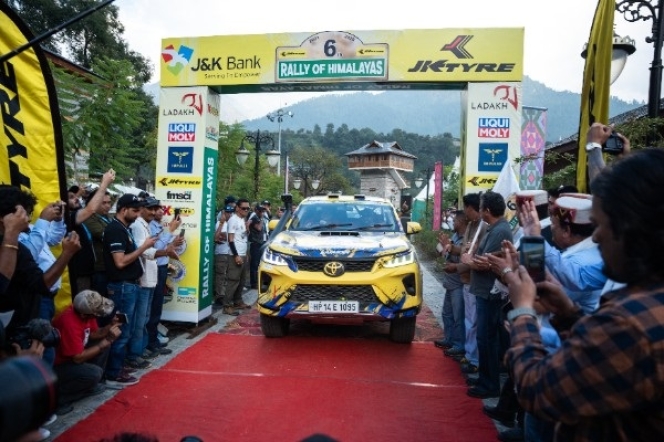
The J&K Bank presents JK Tyre Rally of Himalayas 2026, a premier Cross Country Rally, was flagged off from Manali on 26 September. Organised by Himalayan Xtreme Motorsports and Adventure X Fusion Tribe, the sixth edition achieved a significant milestone by entering the Zanskar region for the first time. The ceremonial start occurred at 5:00 PM at Dev Lok, 15th Mile, near Span Resort, Manali. Bhuvneshwar Gaur, MLA Manali, served as Chief Guest, joined by V P S. Jasrotia, Deputy General Manager of Jammu & Kashmir Bank, as Guest of Honour alongside JK Tyre officials. The rally is supported by J&K Bank as Presenting Sponsor, JK Tyre as Title Sponsor, Ladakh Tourism as Official Sponsor and Impulse and Liqui Moly as Partners.
The competition features 140 participants across Moto, Extreme and TSD categories over five days in the formidable Himalayas. The route traverses Kaza, Jispa, Padum and Pensi La before concluding in Padum, Zanskar, on 30 September. The Moto category includes 80 riders, among them one female rider. The Extreme category comprises 35 participants, including two female drivers and five Army teams. The TSD category has 24 competitors, four of whom are female, testing precision, timing and navigation. This diverse field includes professionals, private entrants, women and Army teams.
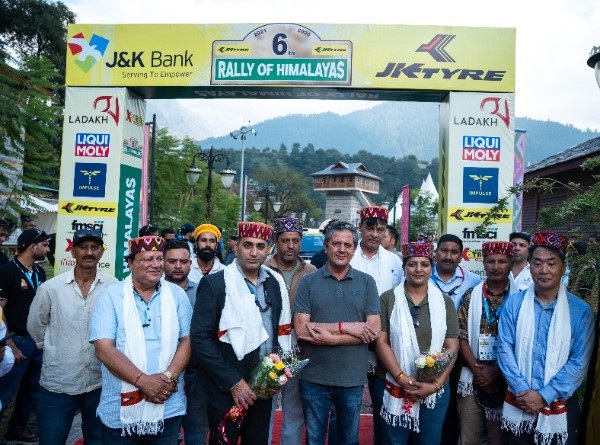
This edition serves as a tribute to Hari Singh, the legendary Gypsy King and five-time National Rally Champion, whose legacy inspires competitors. The event's defining feature is its inaugural entry into Zanskar, introducing high-altitude terrain, remote landscapes, long competitive sections and shifting Himalayan conditions. From Kaza, competitors progress to Jispa and into Zanskar, tackling Padum and Pensi La before returning to Padum. Preparation, navigation, endurance and reliability become critical. Since its 2021 inception, the rally has grown into a demanding platform testing riders and drivers against Himalayan challenges.
JK Tyre, synonymous with Indian motorsport, continues its legacy rooted in rallying, embodying endurance and adventure. For J&K Bank, supporting the event reflects nearly nine decades of commitment to regional development and showcases tourism potential. The Department of Tourism, UT Ladakh, partners as a sponsor to position Zanskar as a premier adventure tourism destination, highlighting landscapes, heritage and driving routes to national and international audiences.
Tegeta Green Planet Engages Institute Of Design Students With Recycling-Focused Workshop
- By TT News
- September 26, 2026
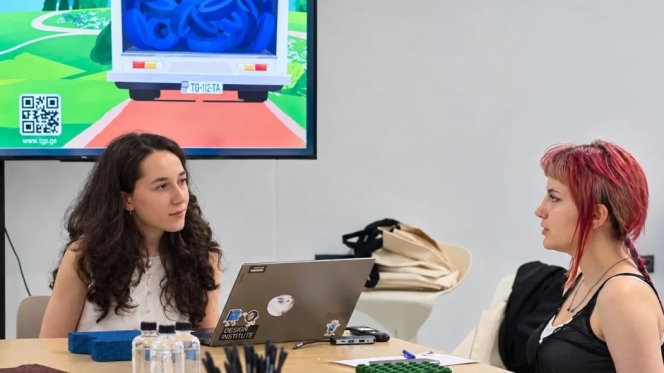
Tegeta Green Planet representatives met with Institute of Design students on 22 September for a practical workshop and discussion. The session focused on proper management of specific waste streams, Extended Producer Responsibility (EPR) principles and recycling processes, with particular emphasis on how these concepts intersect with the design discipline. Students gained insight into the complete journey such waste undertakes, from initial collection through to final treatment, with used tyre recycling receiving notable attention as an example of converting discarded materials into valuable new resources.
Rubber samples of varying sizes and colours, all produced from recycled tyres, were displayed during the workshop. These physical materials illustrated the direct connection between tyre recycling and design applications. Participants explored potential uses for recycled tyre materials in product development and examined how design contributes to transforming waste into items with both functional purpose and visual identity, creating new value in the process.
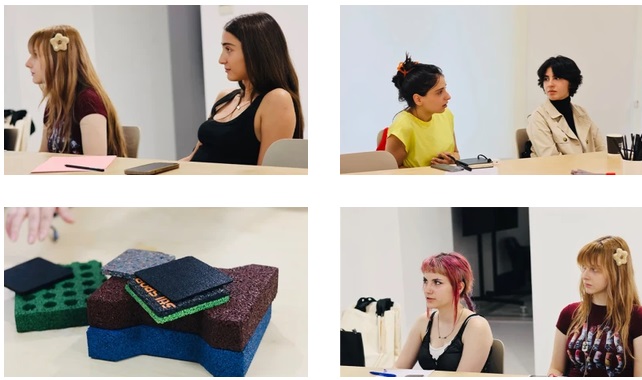
A practical assignment concluded the meeting, requiring students to develop a product concept utilising recycled tyre material and establish its complete identity. This task enables participants to merge their design expertise with authentic environmental challenges while discovering how discarded materials can serve as foundations for new product creation.
Tegeta Green Planet regards education and environmental awareness as essential components of its mission. The organisation regularly partners with academic institutions, disseminating information to young people about specific waste management, circular economy models and resource reuse. Through such collaborations with the Institute of Design, students receive opportunities to combine environmental engagement with hands-on creative experience.
Goodyear Racing Eagle Tyres Set For Fuji WEC Round
- By TT News
- September 26, 2026
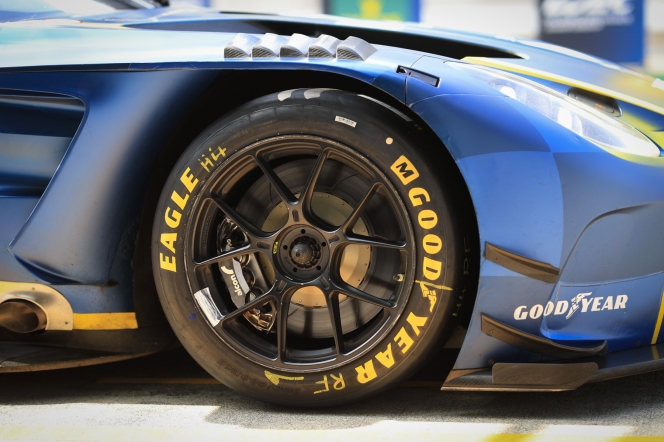
Goodyear is all set for the showdown at Fuji Speedway this weekend for the sixth round of the FIA World Endurance Championship, equipping all 18 LMGT3 cars with the Goodyear Racing Eagle tyres . The Japanese venue ranks among the calendar’s fastest and most demanding circuits.
Its permanent-track straight measures 1.475 km, the longest of the season. That extended run from Turn 16 to Turn 1 allows front tyres to cool substantially before subsequent corners impose heavy lateral and longitudinal loads on the rear tyres, making temperature management critical over the six-hour race.
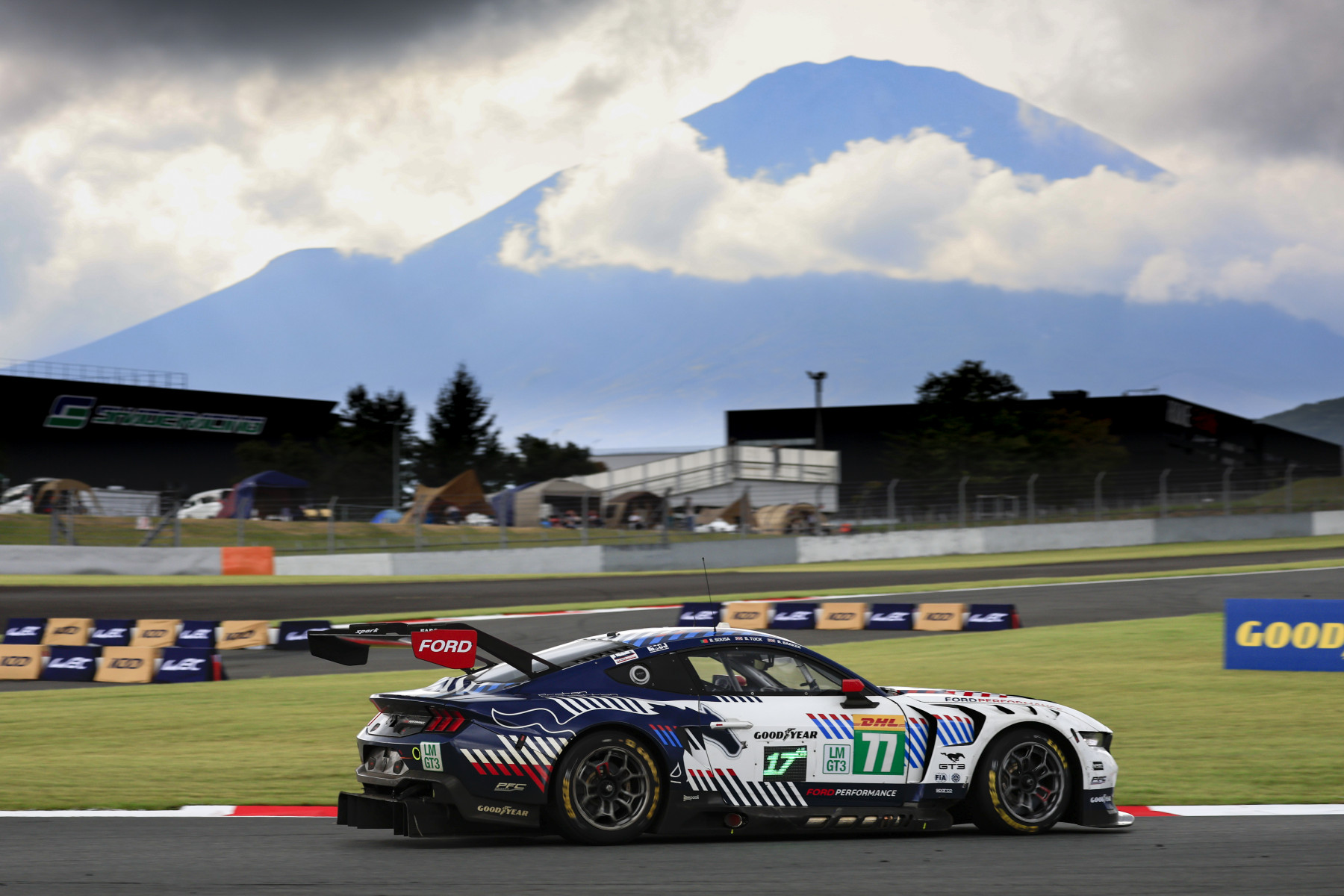
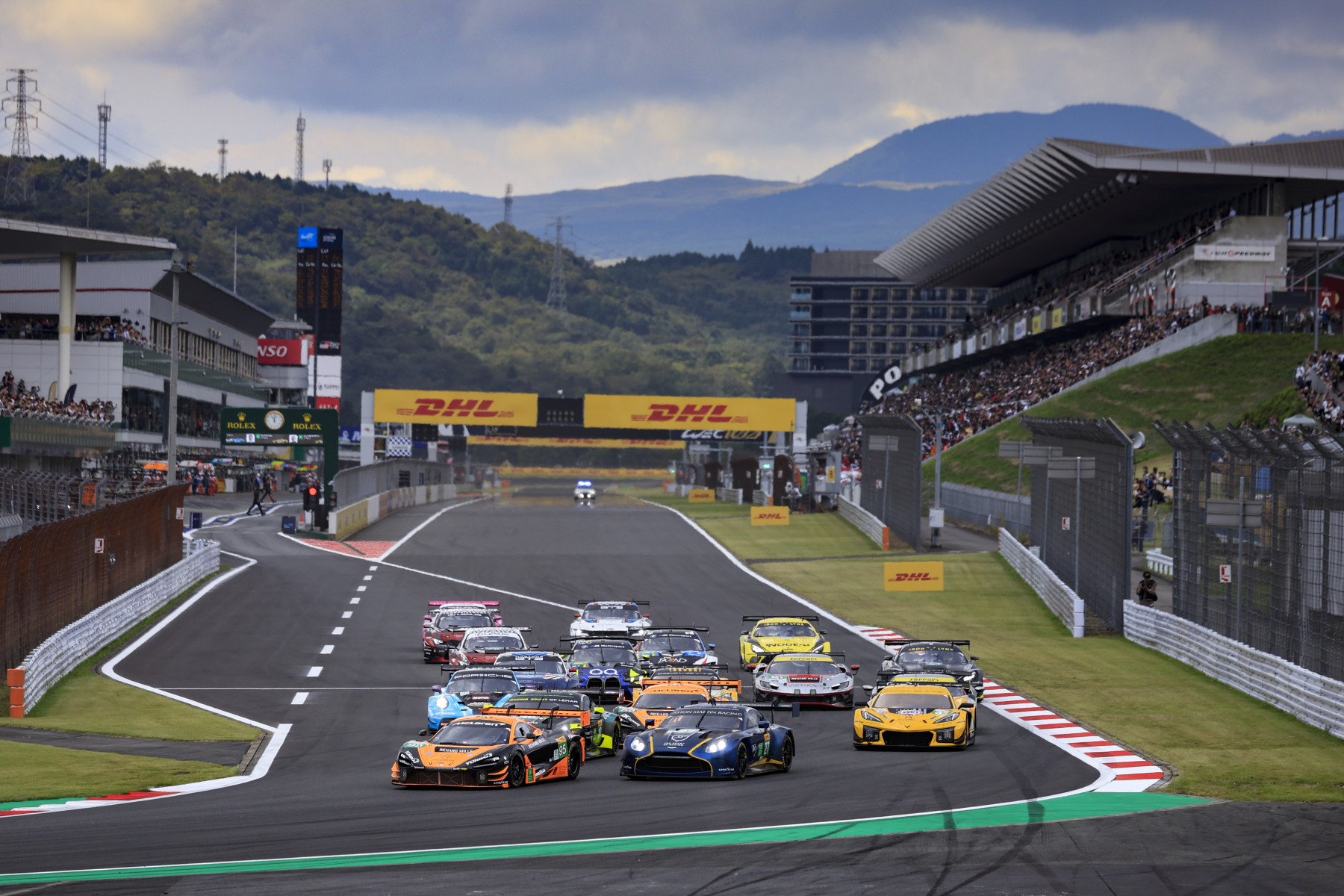
Every LMGT3 entrant will use the Goodyear Racing Eagle Medium compound, the same specification employed in the opening five rounds. It was engineered for a broad range of circuits and temperatures, suiting Fuji’s famously changeable conditions. Goodyear Racing Eagle Wet tyres remain available should rain arrive.
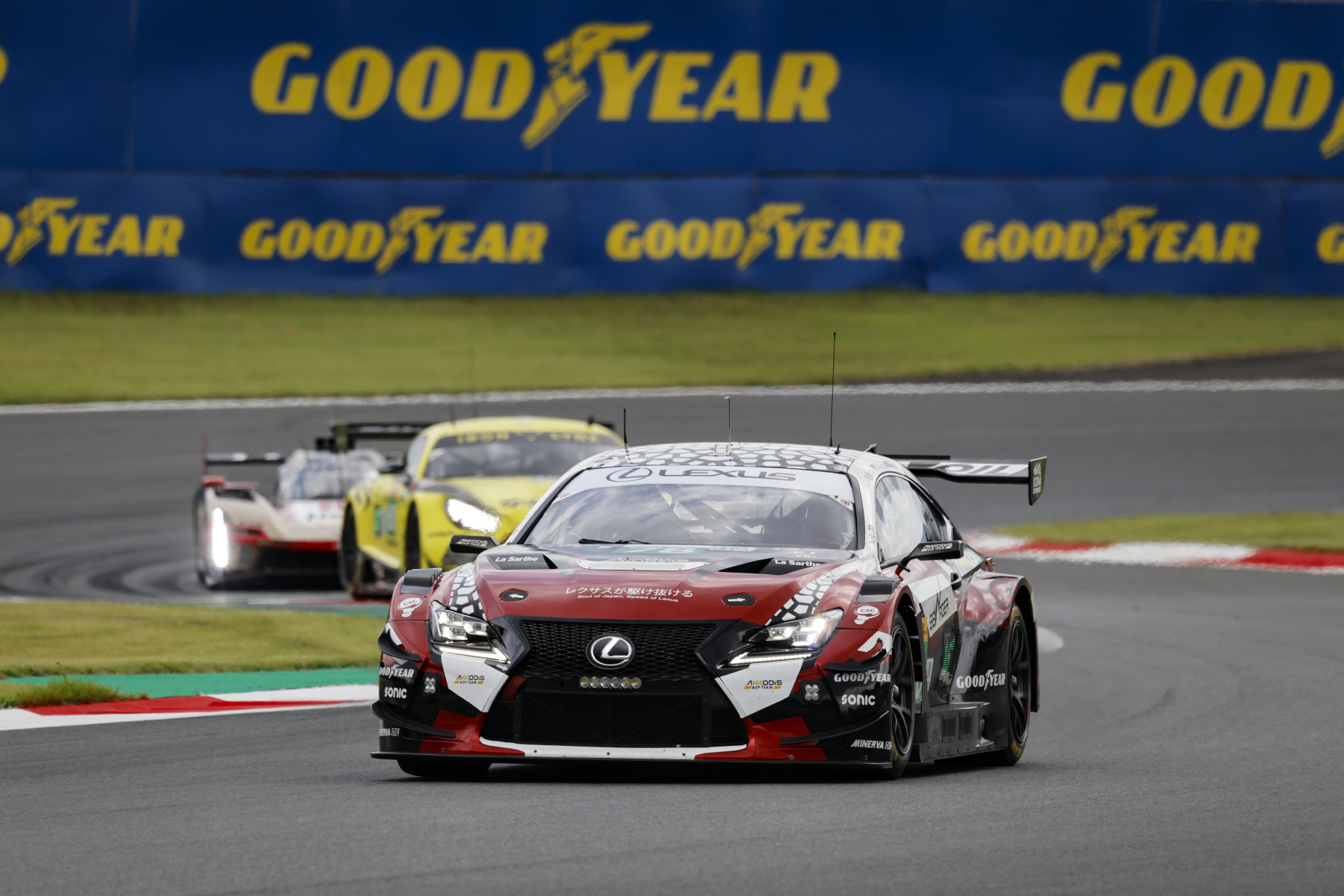
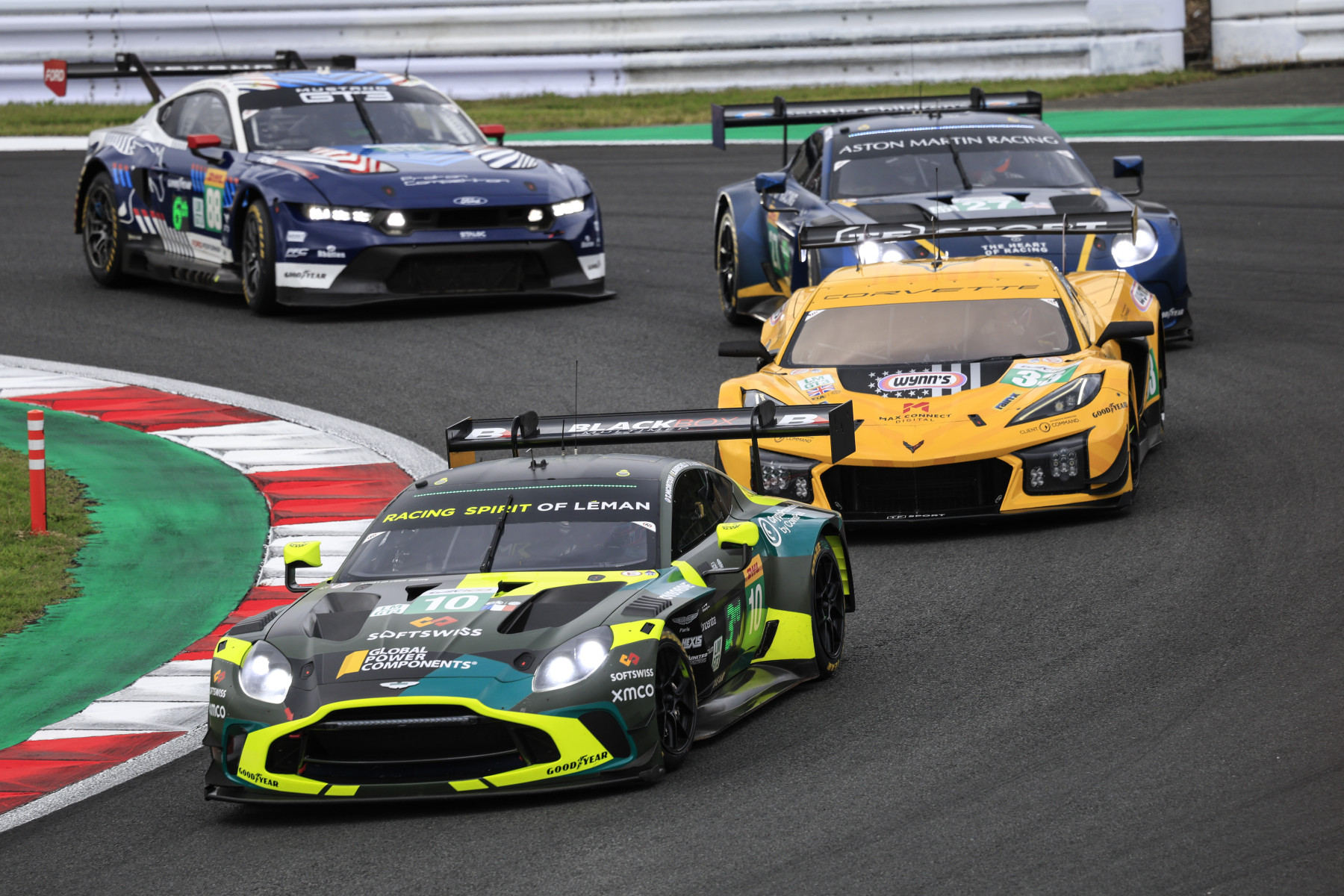
The Medium compound could enable single-stint strategies, prioritising performance from each set over multi-stint approaches, with Fuji’s relatively low wear potentially permitting extended runs when safety car or full course yellow periods make that advantageous. Tyre selection and pit timing gain added importance given swiftly shifting weather. Goodyear Racing Eagles also compete this weekend at Kansas Speedway in NASCAR, Rockingham Dragway in NHRA and Silverstone in the British Touring Car Championship.
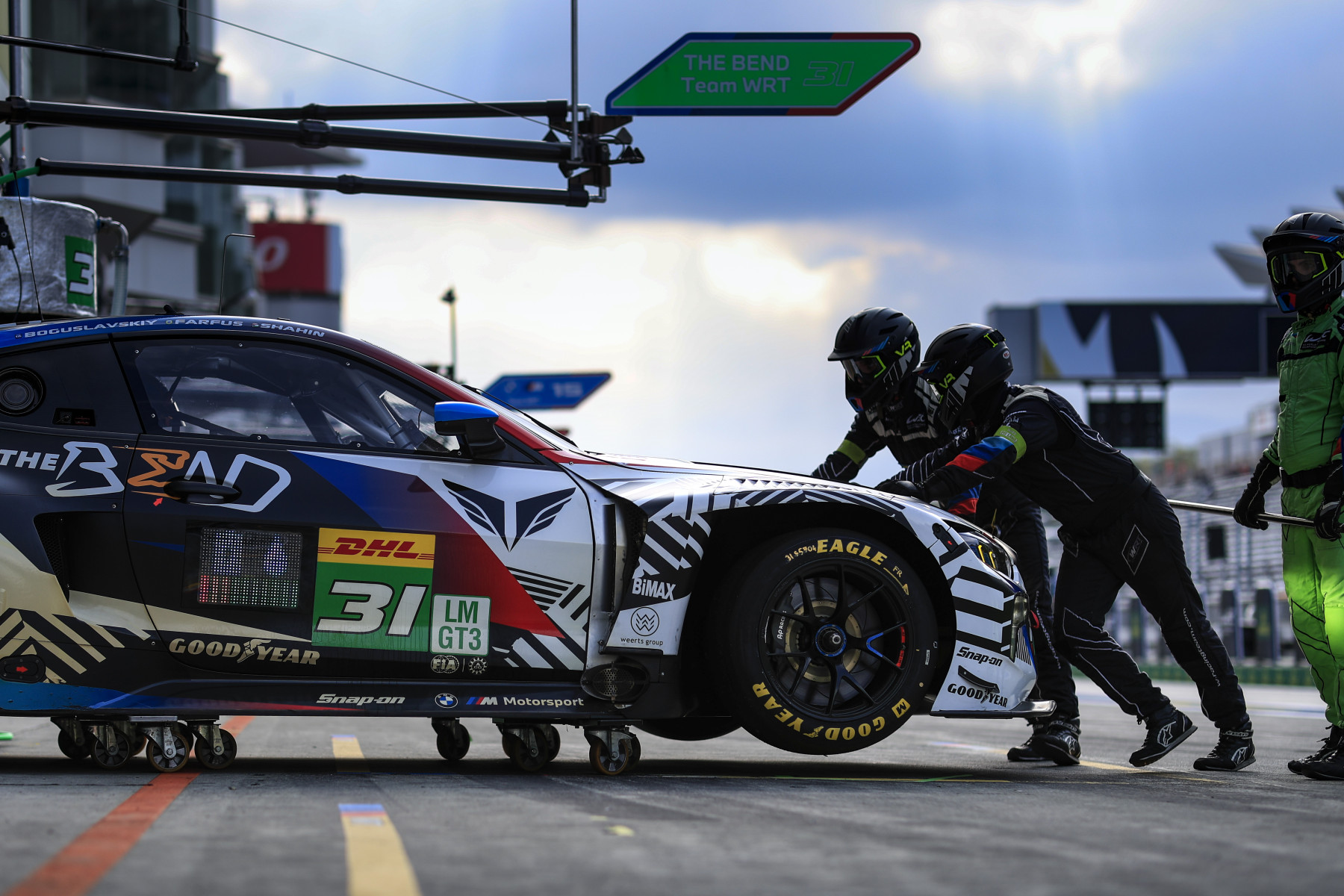
Stephen Bickley, Goodyear Endurance Program Manager, said, “Fuji’s track surface is relatively smooth, meaning overall wear is comparatively low. This also means that managing heat and bringing the tyres up to temperature can be more difficult, particularly at the start of a stint. Teams need to get the tyres into their operating window quickly, and the quick warm-up characteristics of the Goodyear Racing Eagle Medium will help them do that.
“The weather can be a major factor at Fuji, so teams need to be prepared to react quickly. The wide operating window of the Goodyear Racing Eagle Medium gives drivers confidence across changing temperatures, while the Goodyear Racing Eagle Wet provides a solution should track running become affected by rain.”
TyreSafe Partners With South Yorkshire Fire & Rescue To Boost Road Safety
- By TT News
- September 26, 2026
TyreSafe has entered a new partnership with South Yorkshire Fire & Rescue, reinforcing joint efforts to prevent road casualties and enhance safety throughout the county. The fire and rescue service becomes part of a widening group of UK fire services collaborating with TyreSafe to highlight the dangers linked to illegal and poorly maintained tyres.
Under the arrangement, both organisations will pool expertise, resources and engagement opportunities to promote tyre safety among South Yorkshire road users. This work will be integrated into broader road safety initiatives. The partnership also builds on South Yorkshire Fire and Rescue’s existing role within the South Yorkshire Safer Roads Partnership, where education, training and publicity are central to reducing casualties.
The collaboration comes amid a difficult road safety picture. In 2024, a total of 43 people died and 748 were seriously injured in South Yorkshire collisions, amounting to 791 killed or seriously injured casualties. Although this was lower than the 841 recorded in 2023, the South Yorkshire Safer Roads Partnership acknowledges substantial progress is still needed to reach its Vision Zero goal.
Road traffic collisions remain a major operational demand for South Yorkshire Fire and Rescue, whose community risk work involves joint efforts to cut incident numbers and severity. Serious and fatal crashes occur on major routes linking Sheffield, Doncaster, Rotherham and Barnsley, and on higher-speed rural roads. Tyres are vital to the Safe System approach, as defects can impair braking, steering and control, raising the risk of serious incidents.
Stuart Lovatt, Chairman, TyreSafe, said, “Fire and rescue services see the consequences of serious road collisions first-hand. Their experience gives them a unique perspective on the importance of prevention, and that makes South Yorkshire Fire and Rescue an incredibly valuable partner for TyreSafe. South Yorkshire has a strong and established road safety partnership, with organisations already working together towards Vision Zero. We want to complement that work by making tyre safety a more visible part of the conversation around safer vehicles and safer roads. We’re delighted to welcome South Yorkshire Fire and Rescue to the growing number of fire and rescue services partnering with TyreSafe. By combining their frontline experience and local reach with our specialist knowledge of tyre safety, we have an opportunity to reach more drivers with simple, practical advice that could help prevent a serious collision.”
Robert Horne, Prevention & Intervention Officer for Barnsley, said, “We are pleased to be partnering with TyreSafe to strengthen the road safety work we already undertake with our partners across South Yorkshire. Our firefighters regularly attend road traffic collisions and see the devastating impact they can have on individuals, families and communities. Prevention is therefore a vital part of our role, and helping people understand the simple steps they can take to reduce risk is an important part of that work. Tyres are a critical safety component on every vehicle, yet they can easily be overlooked. Working with TyreSafe will help us reinforce that message and provide road users with practical information they can use to make sure their vehicles are safe and roadworthy.”

Comments (0)
ADD COMMENT