

Bridgestone To Showcase Lunar Rover Tyres At 41st Space Symposium
- By TT News
- April 07, 2026
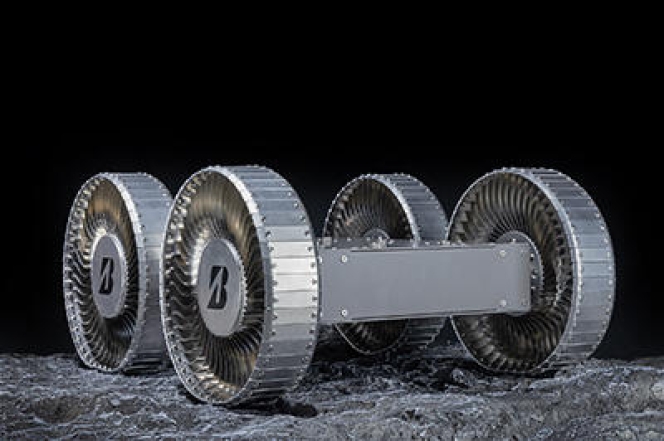
Bridgestone has announced its participation in the 41st Space Symposium, the largest space conference in United States, taking place in Colorado Springs from 13 to 16 April 2026. The company’s exhibit will be hosted within the Japanese Space Industry pavilion organised by Japan Aerospace Exploration Agency (JAXA), marking its third consecutive year at the event since 2024. A key focus of Bridgestone’s presence is its ongoing development of lunar rover tyres, a project that embodies the company’s belief that ‘tyres carry life’.
Since 2019, Bridgestone has advanced research on lunar rover tyres and pursued co-creation with international partners to commercialise space mobility technology. In 2024, the company collaborated with Astrobotic Technology, followed by a basic agreement with ispace in 2025. These efforts aim to generate new value in the rapidly evolving space mobility sector.
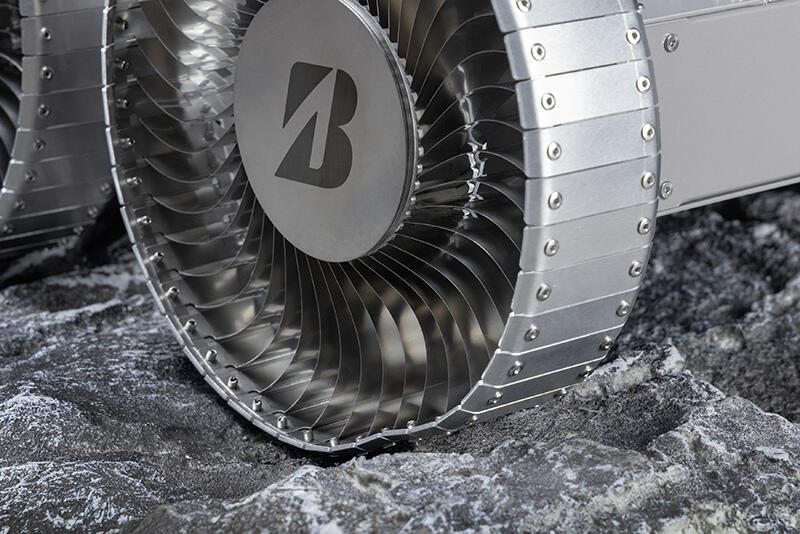
At the symposium, Bridgestone will demonstrate tyres for small and medium lunar rovers, first unveiled in 2025, by mounting them on a mobility vehicle. Attendees can see and touch the tyres, experiencing their high traversability on simulated lunar challenges like fine sand and rocky ground. Through this showcase, Bridgestone seeks to expand its space business network and foster co-creation opportunities, ultimately supporting safe lunar mobility and humanity’s exploration goals.
The lunar rover tyre project applies Bridgestone’s AirFree technology, an exploratory business under its 2024–2026 Mid Term Business Plan. By refining this technology in the extreme lunar environment, the company aims to eventually bring those innovations back to Earth, enhancing conventional tyres and contributing to broader social value.
Continental Sells Australian Servicing Chain mycar Tyre & Auto To Tuhu
- By TT News
- September 24, 2026
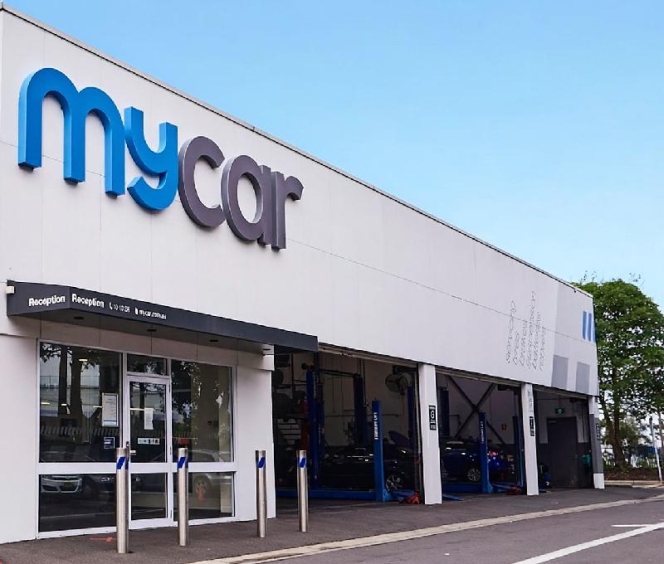
Continental has announced the sale of mycar Tyre & Auto, its Australian tyre and automotive servicing subsidiary, to Chinese automotive service platform Tuhu. The enterprise value of the deal stands at AUD 403 million (approximately USD 283 million), and closing depends on regulatory clearances.
The move aligns with the German company's broader intention to sharpen its focus on developing and producing tyres. For mycar, the change in ownership brings a parent whose priorities centre squarely on automotive services, giving the chain a stable footing to keep expanding. Roughly 280 outlets and over 1,600 staff fall within the scope of the agreement.
Back in 2018, Continental bought the business as a way to widen its Australian distribution reach and bolster its standing in the global tyre sector. Australia has since matured into a well-established and valuable market for the firm, which has simultaneously assembled a robust local sales operation. Across eight years under Continental, mycar gradually reinforced its Australian market position by adding stores, diversifying its offering and raising its profile.
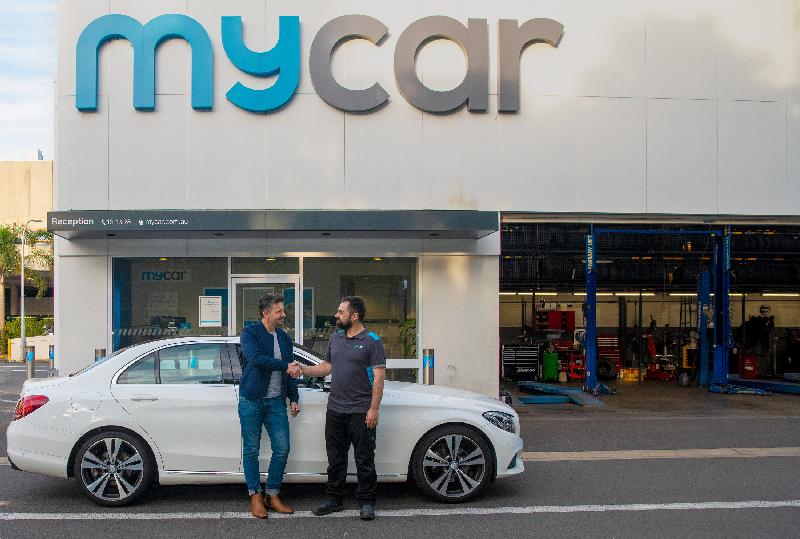
Once the sale concludes, mycar will keep distributing Continental tyres in Australia and the two sides foresee room for tighter collaboration ahead. The chain's services span routine maintenance, tyres, brakes, suspension, batteries and general mechanical work, and its workforce ranks among the sector's largest in the country.
Dalibor Kalina, head of Continental’s tyre business in the Asia-Pacific region, said, “mycar Tyre & Auto has developed very successfully under the Continental umbrella and is now exceptionally well positioned in the Australian market. In Tuhu, mycar Tyre & Auto is gaining an owner with many years of experience who will actively drive the company’s strategic direction and sustainable long-term development. Tuhu and Continental have a longstanding and strong strategic partnership in China. With our own sales organisation in Australia and the continued distribution of our tyres through the mycar Tyre & Auto network, we will ensure seamless continuity for our customers.”
Min Chen, Founder and CEO, Tuhu, said, “Australia is a highly attractive and promising market for automotive services, and mycar Tyre & Auto is a distinctive business with a strong position in this market. We look forward to working closely with the existing management team and employees while continuing our longstanding partnership with Continental. As a new entrant to the Australian market from China, we are committed to adapting quickly to the local market and building on mycar’s strong foundation established under Continental’s management and its proven track record of responsible and reliable operations. By bringing Tuhu’s capabilities and experience to Australia, we look forward to continuing to deliver value, choice and convenience for Australian vehicle owners.”
Apollo Tyres Debuts PV Testing Caravan With Advanced Balancing Capability
- By TT News
- September 24, 2026
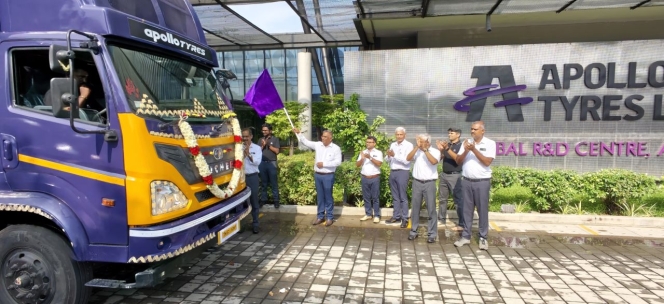
Apollo Tyres Ltd has commissioned a new Passenger Vehicle Testing Caravan, a sophisticated mobile workshop engineered to move tyre assembly preparation directly to the test track. The facility represents a strategic advancement over the company’s prior setup, intended to sharpen testing efficiency, responsiveness and customer alignment while elevating the standard of preparation work.
Purpose-built for on-site operations, the caravan integrates a dedicated assembly workshop with office space for engineers and client meetings. Both the workshop and meeting areas are fully air-conditioned, and an advanced balancing machine has been installed to achieve highly precise wheel and tyre balancing.
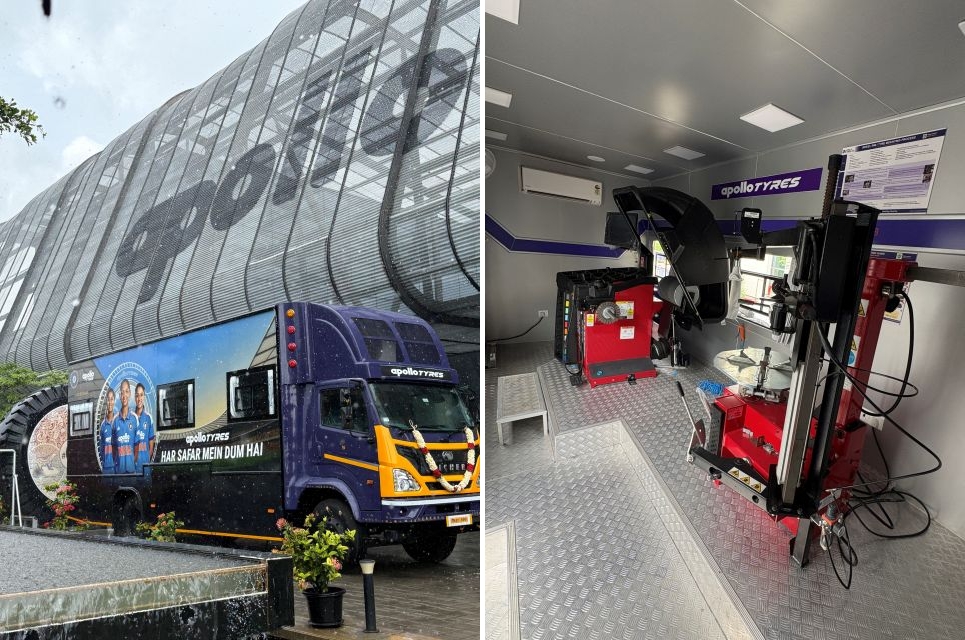
The enhanced balancing capability carries particular weight for high-speed comfort performance targets, reinforcing the company’s capacity to produce precise, repeatable testing outcomes. Apollo Tyres describes the investment as another milestone in its ongoing pursuit of continuous improvement, innovation and customer-centricity, further bolstering testing capabilities in support of world-class product delivery.
WESTLAKE Showcases Gen II Truck Tyres And Long Run Range At IAA Transportation 2026
- By TT News
- September 24, 2026
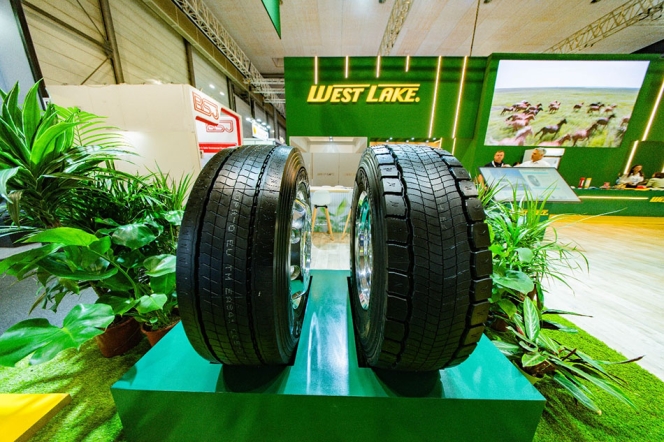
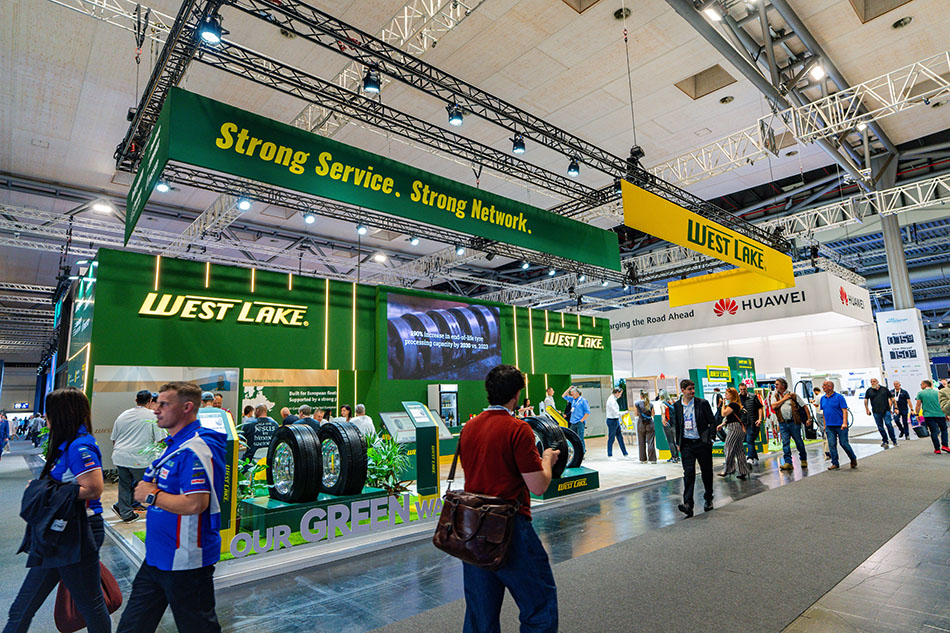
WESTLAKE wrapped up its participation at IAA Transportation 2026 in partnership with Interpneu and Pneuhage Fleet Solution, using the event to highlight its newest Gen II commercial truck tyre advances. The brand’s presence at Hall 12, Booth B66 centred on four newly introduced products: the WSL2 steer tyre, WDL2+ drive tyre, WTL2 wide-base trailer tyre and WTR PRO trailer tyre. Each was available to order during the exhibition, underscoring two priorities for European fleets, namely reduced rolling resistance and improved mileage.
Over the course of the show, WESTLAKE representatives engaged with fleet customers, distributors and industry partners on subjects including tyre performance, operating efficiency and shifting fleet requirements. The booth’s theme, ‘Strong Service. Strong Network.’, embodied the company’s intention to collaborate closely with customers and partners so that stronger service support can be delivered throughout Europe. Availability, service and a robust local network were likewise shown to matter alongside tyre performance itself.
Central to the display was the Long Run range, made up of the WSL2, WDL2+ and WTL2 for steer, drive and trailer axle positions in long-haul work. Both the WSL2 and WDL2+ have now secured EU Tyre Label Class A for rolling resistance, sharpening the range’s fuel-efficiency emphasis while preserving mileage and operational capability. The WSL2 targets stable handling and high mileage, the WDL2+ blends mileage, traction and efficiency for drive axles, and the WTL2 wide-base trailer tyre prioritises fuel efficiency, stability and wet-road performance.
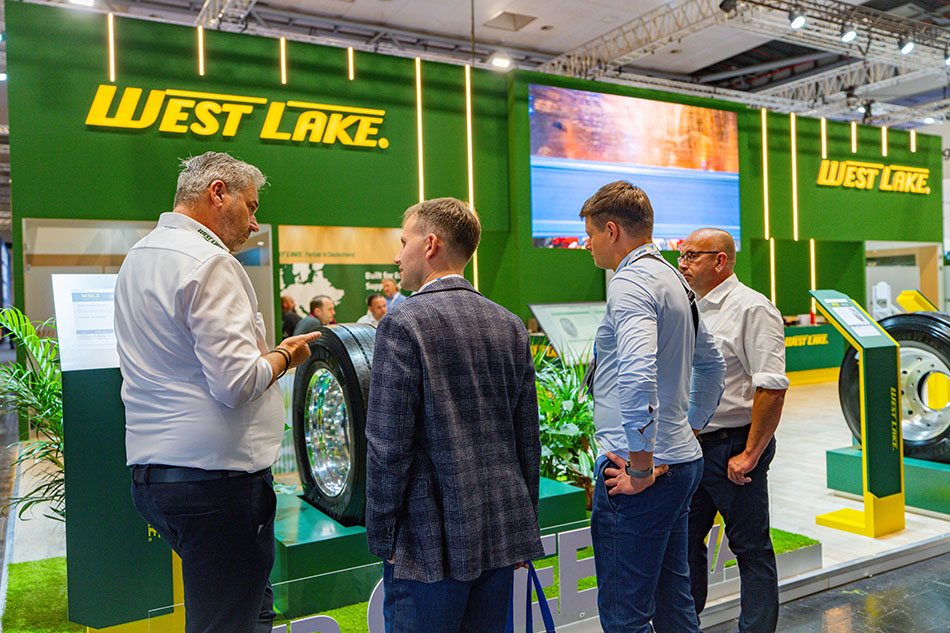
The newly launched WTR PRO trailer tyre was also featured, signalling the high-mileage direction of the PRO series for applications where mileage and wear matter most. It employs a wider tread, greater pattern saturation and a wear-resistant tread compound to encourage longer mileage and more even wear. Beyond the four new products, WESTLAKE exhibited selected Gen II commercial tyres and outlined its ‘Our Green Way’ approach, offering a wider view of the portfolio and its efficiency and sustainable transport aims. The company will keep developing its Gen II portfolio around practical fleet needs while reinforcing its regional product and service offering.
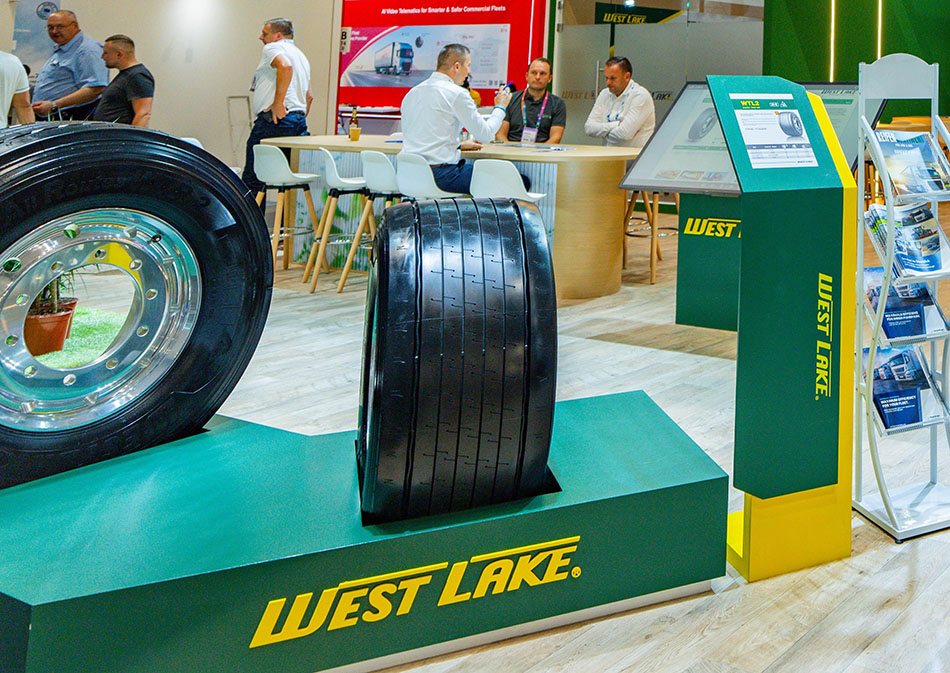
Leo Liao, General Manager, ZC Rubber Europe, said, “IAA Transportation is always an important opportunity for us to meet customers and partners across Europe and understand what is changing in their daily operations. This year, many of the conversations came back to the same priorities: fuel efficiency, mileage and operating costs. Our new Long Run and PRO products are developed around these needs, with each range focusing on different priorities while still delivering balanced overall performance. We will continue working with our partners to strengthen the WESTLAKE offering in Europe.”
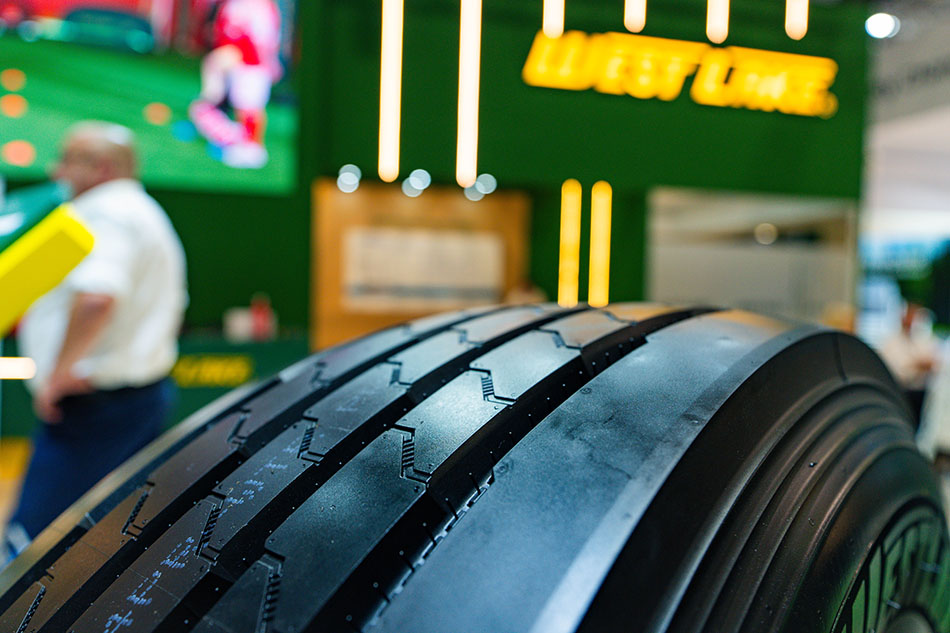
Robin Brucke, Head – Commercial Product Group Management, Pneuhage Management GmbH & Co. KG, said, “For fleets, tyre performance is the foundation of efficient operation, but long-term value also depends on availability, service and a reliable network behind the product. Our cooperation with ZC Rubber and WESTLAKE has developed over many years, with products and services evolving together around the needs of the market. The new Gen II range continues that journey and gives us a strong platform to support fleets across Europe.”
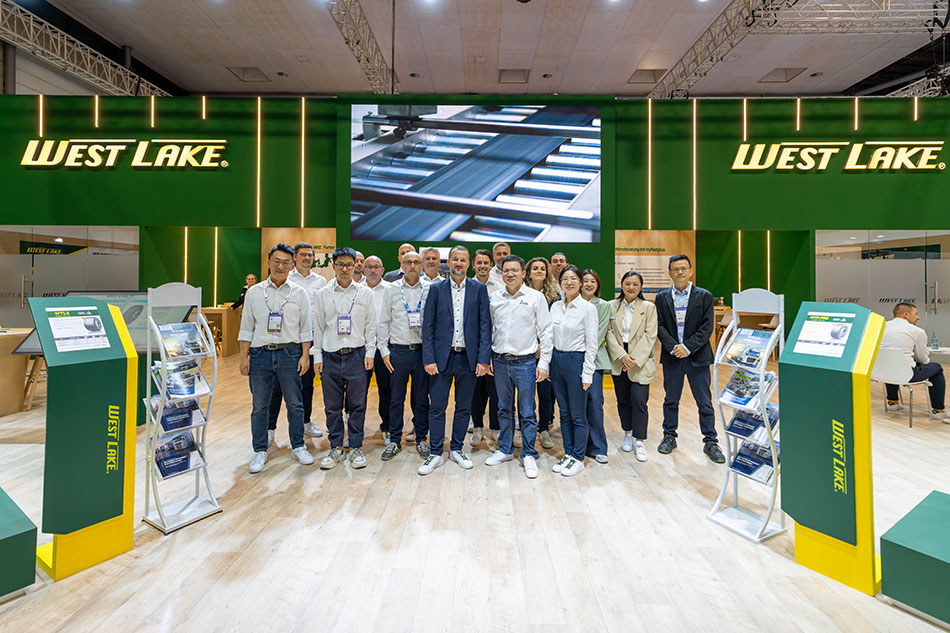
Santosh Rubber Machinery Earns 24th Consecutive AIRIA Export Merit Award
- By TT News
- September 24, 2026
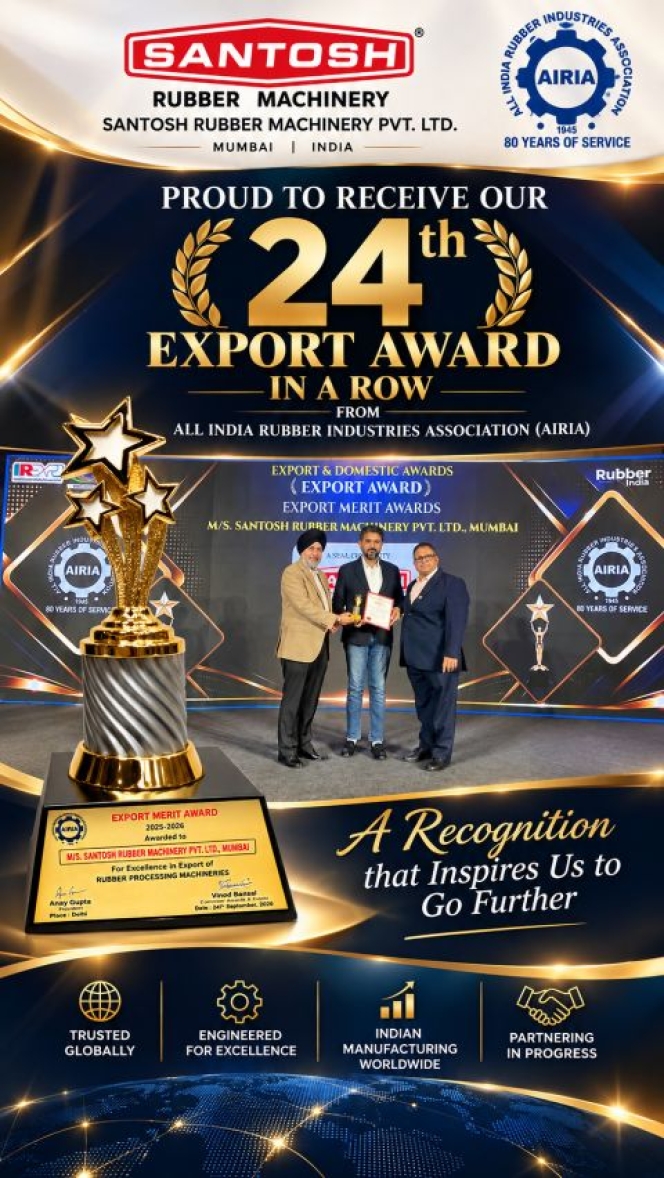
Santosh Rubber Machinery Pvt. Ltd. has received the Export Merit Award from the All India Rubber Industries Association for outstanding export performance in rubber processing machinery during 2025–2026. This marks the company’s 24th consecutive export accolade, underscoring decades of engineering excellence, quality manufacturing, customer confidence and international collaboration.
An ISO 9001-2008 certified enterprise, Santosh is a leading name in quality rubber machinery. Its Mumbai facility spans 36,000 square feet and houses an ultra-modern workshop equipped with heavy production machinery. A team of qualified engineers and professionals brings 50 years of experience since 1966, continually expanding the manufacturing range. The firm offers India’s largest assortment of rubber processing machinery under one roof.
Serving customers from India to markets worldwide, Santosh remains dedicated to designing and producing machinery that delivers performance, reliability and value. The company expressed gratitude to its customers, partners and entire team, whose commitment makes each milestone achievable.

Comments (0)
ADD COMMENT