

- California Office of Environmental Health Hazard Assessment
- California OEHHA
- Crumb Rubber
- Synthetic Turf
- Recycled Tyres
California OEHHA Study Finds No Significant Risk From Crumb Rubber In Synthetic Turf
- By TT News
- March 10, 2026

A new study from the California Office of Environmental Health Hazard Assessment (OEHHA) has concluded that crumb rubber infill made from recycled tyres and used in synthetic turf fields poses no significant health risk to those who use or observe them. The comprehensive evaluation found no evidence linking these fields to cancer or other health issues for athletes, officials, coaches or spectators, including young children.
These engineered fields, designed to replicate natural grass, are popular due to their low maintenance, water efficiency and durable, consistent surface. Their widespread adoption in California includes over 900 installations. The infill itself consists of small granules from recycled waste tyres, which help keep the artificial blades upright and provide cushioning and traction.
OEHHA conducted the study to support California's sustainability efforts, specifically its Waste Tire Program, which seeks safe and beneficial uses for recycled materials that would otherwise go to landfills. To ensure a thorough assessment, researchers tested 35 different fields, varying in age and location to represent all of California's climate zones. Multiple samples were taken from each field to account for material differences, and air quality was monitored both during active play and at rest.
The study’s scope was unprecedented, analysing over 100 chemicals of potential concern, far more than previous investigations. In collaboration with Lawrence Berkeley National Lab, researchers simulated human sweat and digestion to identify all chemicals to which a person might be exposed. To understand exposure pathways, OEHHA partnered with UC Berkeley and the University of Arizona. They surveyed over a thousand soccer players, ranging in age from 7 to 71, about their playing habits and observed games to document contact with the turf. The analysis used data from goalies, who have the most frequent contact, to estimate the maximum risk for all players, also considering the potential exposure for a crawling toddler. The final analysis indicated that risks related to cancer, reproductive harm or sensory irritation were negligible.
Kris Thayer, Director, OEHHA, said, "This study should ease concerns about the safety of crumb rubber use in synthetic turf fields. Athletes of all ages can use these fields without parents worrying about this commonly used material."
Zoe Heller, Director, CalRecycle, said, "Protecting public health is our top priority, and California is committed to making sure waste tyres are managed safely so they don’t litter communities or pose risks to residents. CalRecycle appreciates the work of OEHHA and its partners to advance our understanding in support of a cleaner, healthier circular economy."
Kuraray America Marks National STEM Day With San Jacinto College Event
- By TT News
- November 13, 2026
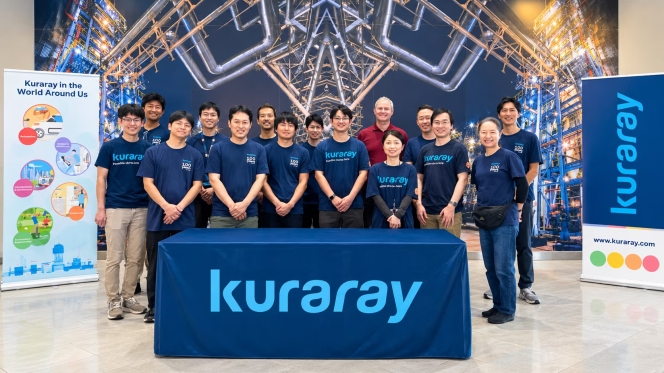
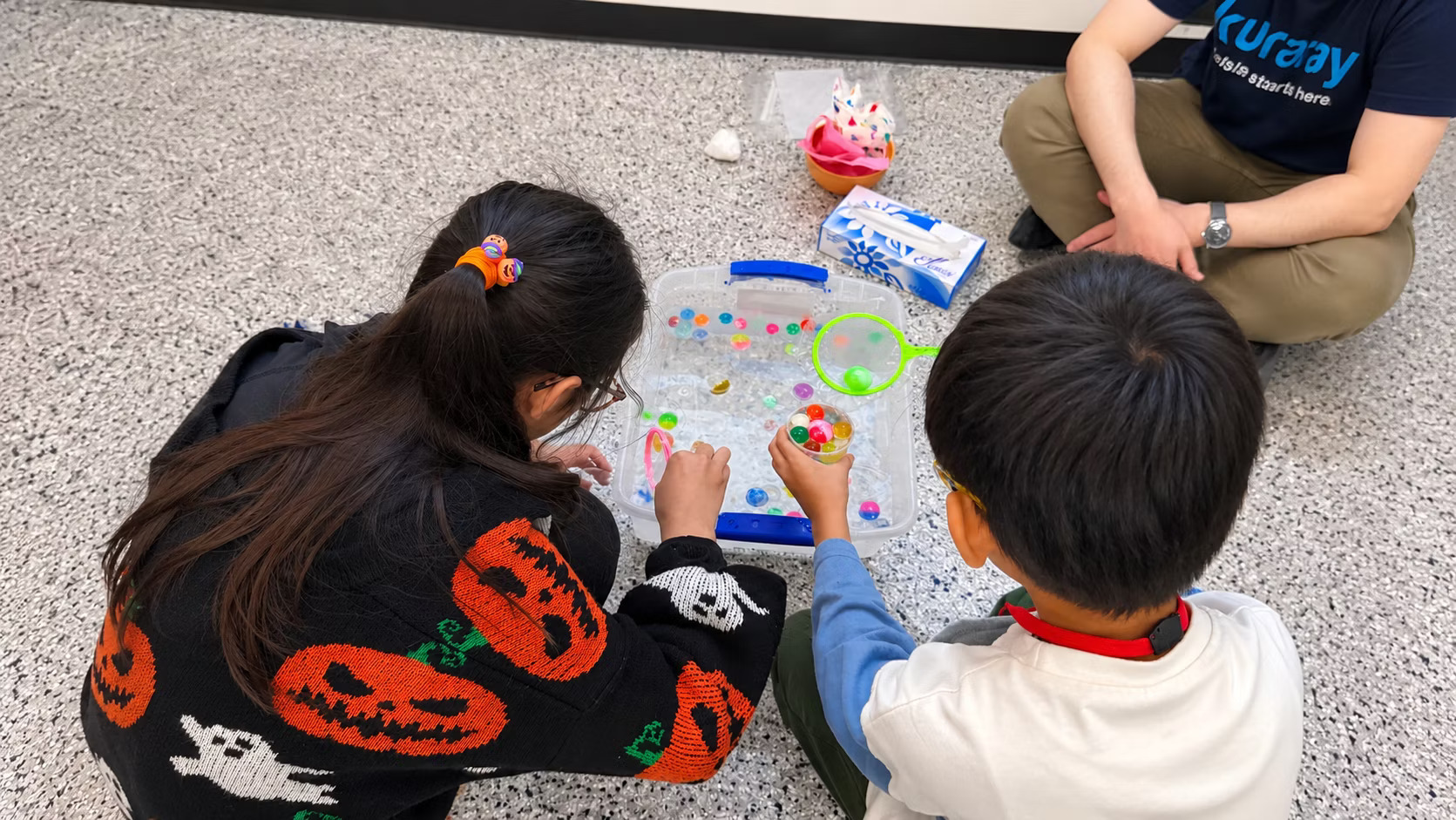
Kuraray America, Inc. marked National STEM Day on 8 November by spotlighting a community educational event that brought together 15 of its volunteers and students from the Houston Japanese Supplementary School at San Jacinto College for a day of hands-on exploration and discovery.
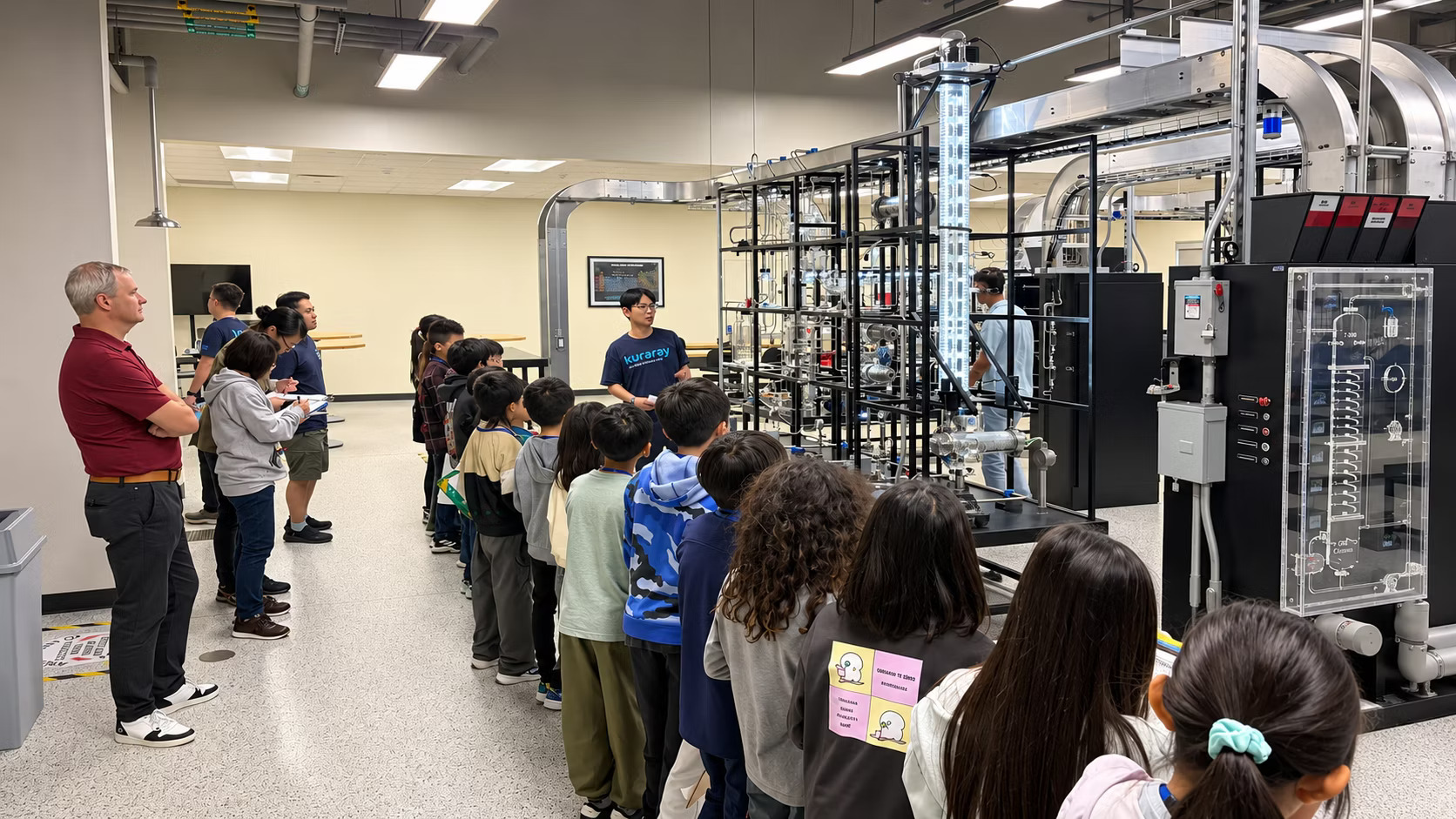
Participants engaged in activities illustrating how science, technology, engineering and mathematics (STEM) converge in chemical manufacturing. Experiments with superabsorbent polymer beads explored chemistry and material properties, while a tour of the college’s facilities introduced industrial equipment. Students also learned about water filtration and distillation processes and how mathematical concepts underpin scientific and engineering applications.
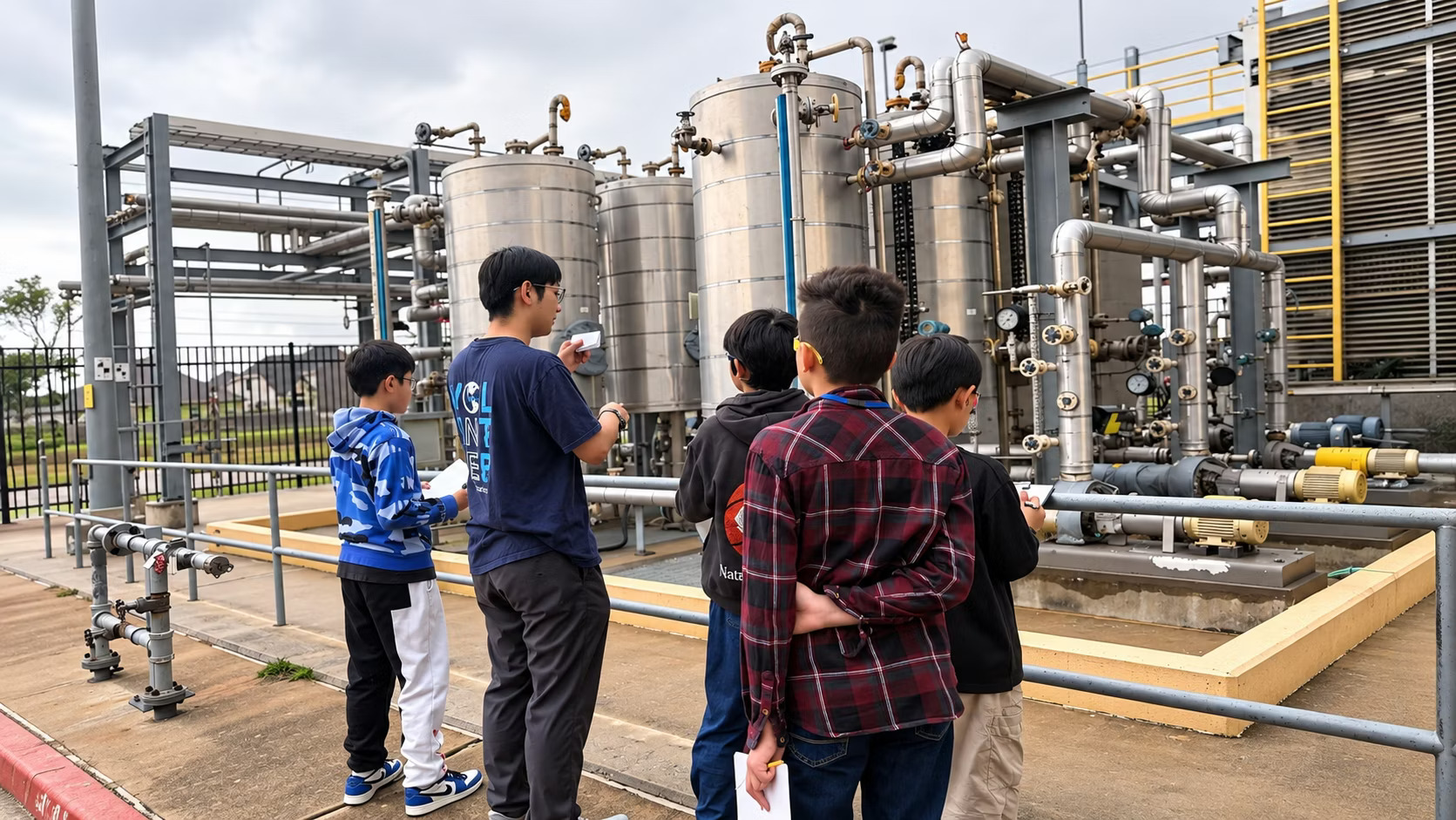
One student showed particular interest in the distillation tower, linking the experience to the Kuraray Group’s contributions to everyday life and its mission of achieving for people and the planet what no one else can. The event also benefited KAI volunteers, who shared technical knowledge, exchanged perspectives and learned alongside potential future scientists and engineers.
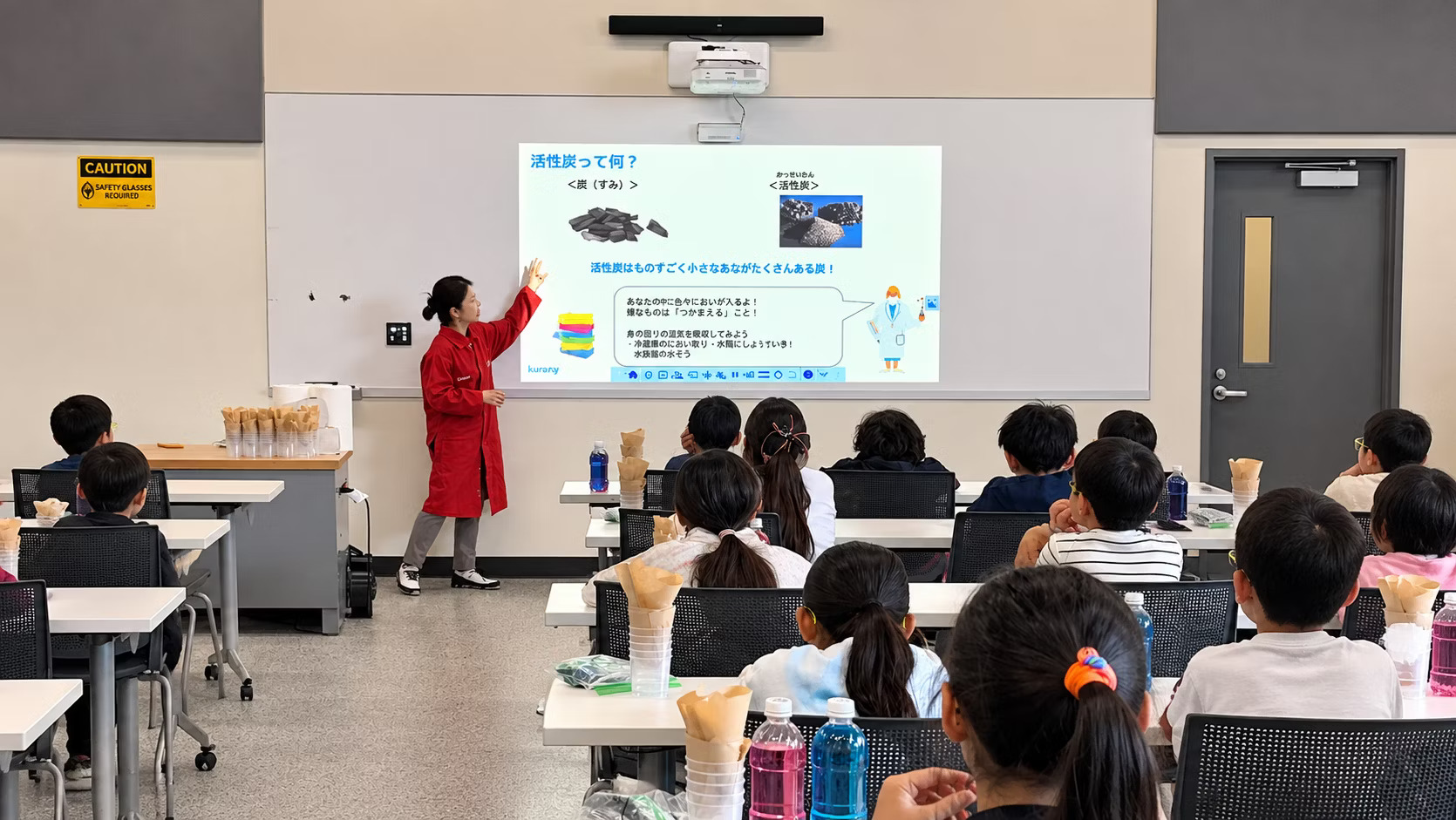
Kuraray America thanked Reiko Fuwa and Tomohiro Tani for coordinating the visit, Hans Vandommele for sharing his expertise and all 15 KAI volunteers. The company also expressed appreciation to San Jacinto College for facility access and to the Houston Japanese Supplementary School students for their curiosity, enthusiasm and thoughtful questions.
Liberty Tire Recycling Showcases Recycling Leadership At SEMA 2026
- By TT News
- November 12, 2026
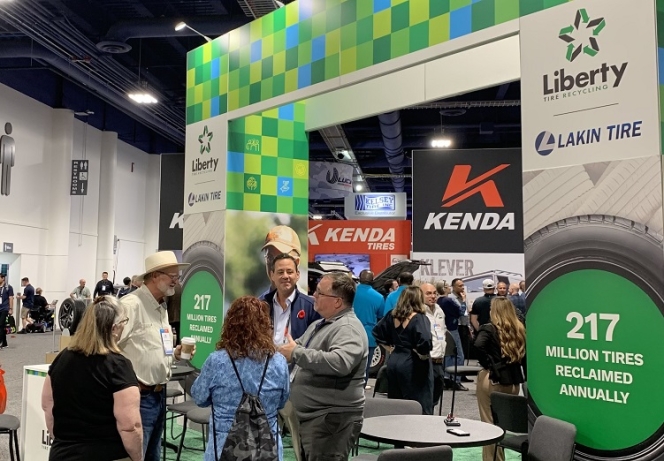
Liberty Tire Recycling attended the 2026 SEMA Show in Las Vegas, held from 3–6 November at the Las Vegas Convention Center. The automotive aftermarket event, one of the industry's largest, drew over 160,000 attendees from the automotive, tyre and transportation sectors to review new products, technologies and business opportunities.
The Lakin Tire brand, a consistent SEMA exhibitor, once again used the show to reinforce industry relationships and present Liberty's tyre collection, recycling and sustainable resource management capabilities. Personnel from Grade/Used Tires, Commercial Truck Tires, Metals, Recycling and Collection, together with corporate and regional leadership, met customers, suppliers and industry professionals from around the world.
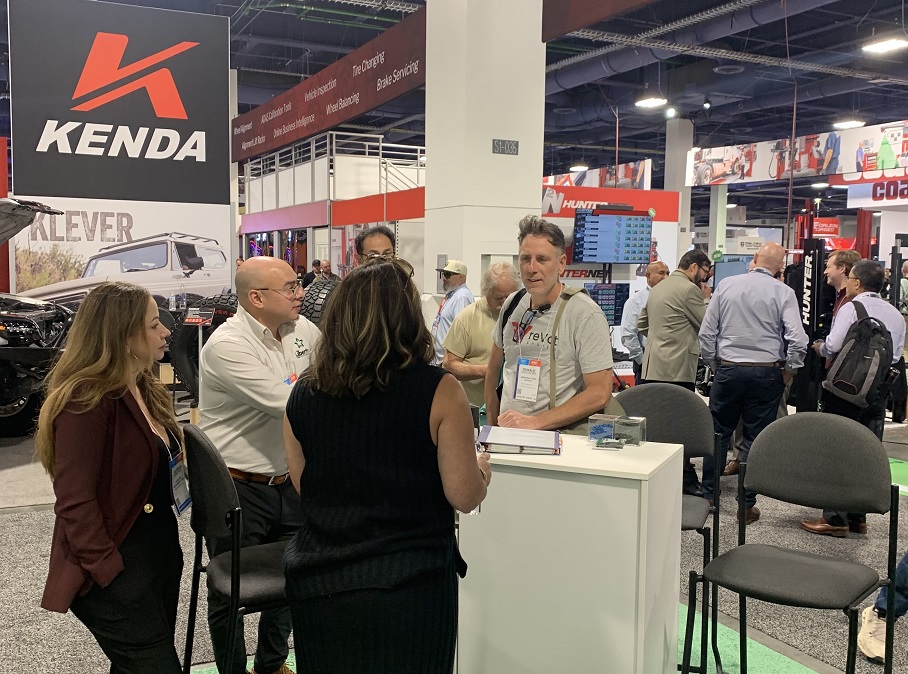
The booth received existing and prospective customers from numerous tyre and automotive segments during the week. Costco Wholesale Corporate Office, United Tires and UTU Wholesale were among the organisations that stopped by to examine Liberty Tire's products, services and nationwide reach. The company viewed the event as an effective forum for monitoring emerging market trends and demonstrating its position in recycling and sustainability, alongside its focus on innovation, workforce development and circular economy principles.
A memorable moment came when a high school shop teacher and students, attending through a special educator programme, toured the booth to learn about tyre recycling and industry operations. Liberty team members provided industry insights, outlined career pathways and acknowledged educators' contribution to developing future skilled trades professionals, supplying tyre inflation gauges for classroom use.
Laufenn G Fit 4S Earns ‘Good’ Rating In Auto Bild Allrad All-Season SUV Tyre Test
- By TT News
- November 12, 2026
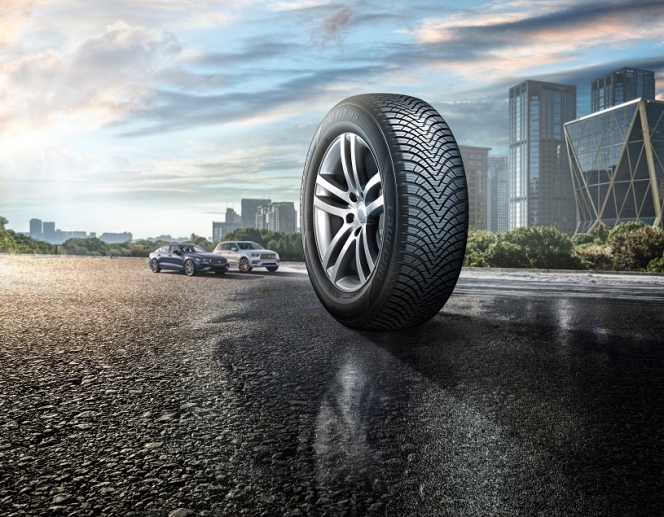
Laufenn, Hankook's associate brand, earned a ‘Good’ ratingwith an overall score of 2.2 for its G Fit 4S in the Auto Bild Allrad all-season SUV tyre test published on 8 October 2026 (issue 41). The tyre competed credibly against 11 rivals from established premium marques, finishing competitively in a 12-strong field.
Wet handling proved a particular strength, with the G Fit 4S collecting the second-highest rating shared with other models. Aquaplaning resistance also impressed, as the tyre held its line until stability began to fade at roughly 100 kmph (62 mph). In snow, it recorded the third-shortest braking distance, matching two other contenders.
Testing spanned snow, wet and dry disciplines, each weighted equally in the final ranking, with a third-generation MINI Countryman serving as the test vehicle. Snow assessments were carried out in New Zealand, while European venues hosted the wet and dry evaluations. The jury's conclusion underscored Laufenn's value-focused positioning, finding the G Fit 4S a solid option for cost-conscious buyers.
Tyres Europe Backs International Standards As Basis For Tyre Recyclability Assessment
- By TT News
- November 12, 2026
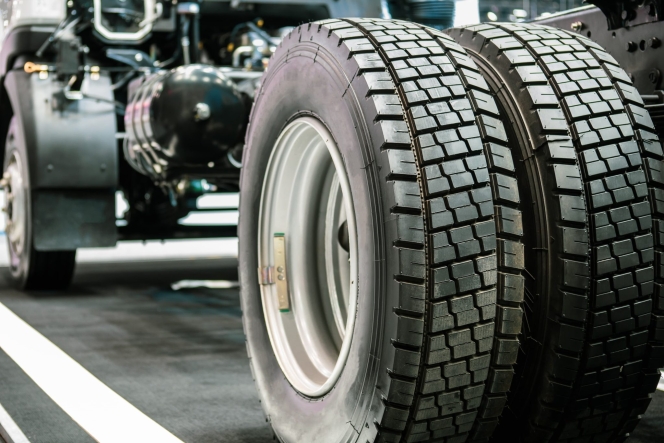
Tyres Europe has underscored that tyres qualify as fully recyclable under ISO 22628:2002 and UN Regulation No. 133, describing the established methodology as a robust foundation for assessing tyre recyclability. The organisation recently set out its position on the matter.
The distinction between recyclability and actual recycling rates is central to the group's argument. Recyclability refers to the technical potential of a product and its materials to be recycled, while the real rate hinges on treatment capacity and demand for secondary raw materials. Regulatory frameworks should therefore separate the two concepts clearly and align with an internationally recognised standard.
Tyres consist of rubber compounds, chemical additives and reinforcing textile and steel cords, and at end of life they are separated into rubber, textile and steel fractions, all of which existing mechanical or chemical routes can recycle. Mechanical processing yields rubber granules and powders usable as secondary raw materials across many applications, recovered textiles can be further processed and valorised, and cleaned recovered steel can re-enter metal recycling and steelmaking.
Tyres Europe pledged continued cooperation with policymakers and value-chain partners to strengthen circularity and maximise recovery of valuable tyre materials in Europe, with the full paper available on its website.
Comments (0)
ADD COMMENT