

CEAT Crowned Sri Lanka's 'Most Loved Tyre Brand' In 2025 By LMD
- By TT News
- June 03, 2025

In a resounding endorsement from consumers nationwide, CEAT has been voted Sri Lanka's ‘Most Loved Tyre Brand’ in LMD's prestigious 2025 rankings. This esteemed recognition reflects the deep-rooted trust and preference that Sri Lankan drivers have consistently placed in CEAT's products and values.
Renowned for its legacy of German-engineered precision, CEAT has established itself as a market leader through its uncompromising commitment to innovation, safety and performance. Each CEAT tyre embodies decades of engineering expertise, delivering superior road grip, extended durability, and optimal performance across Sri Lanka's diverse driving conditions – from bustling urban streets to challenging rural terrains.
As the nation's most decorated tyre brand, CEAT plays a pivotal role in Sri Lanka's automotive ecosystem. By maintaining stringent international quality standards while progressively increasing local value addition, CEAT contributes significantly to the country's economic growth and self-reliance in the automotive sector. The brand's continuous investments in cutting-edge manufacturing technologies and sustainable practices further reinforce its market leadership.
DUNLOP To Bring Tyres, Racing Heritage And Interactive Fun To 2026 Paris Motor Show
- By TT News
- October 13, 2026
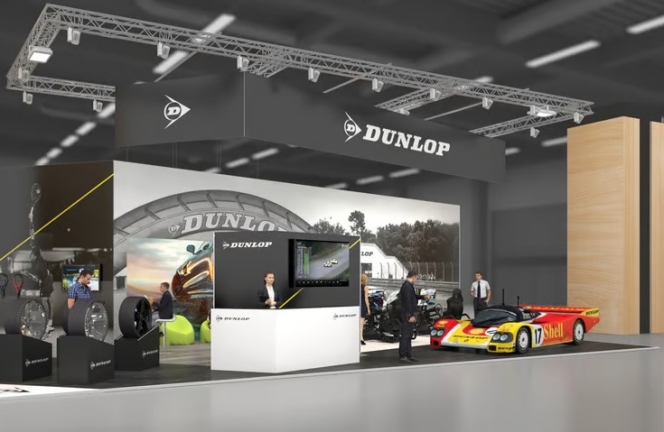
DUNLOP is set to appear at the 2026 Paris Motor Show, using its exhibition to highlight the brand’s diverse character. Located in pavilion 7.1 at stand D27, the company will occupy 105 square metres with a display combining current tyres, a historic racing vehicle and interactive features. The event runs from 12 to 18 October 2026.
Visitors will be able to view several products from the current portfolio, including the DUNLOP SPORT MAXX RACE 2 in 325/30R21, the DUNLOP BLUE RESPONSE TG in 245/40R18, a winter tyre in 255/45R19 and the DUNLOP ALL SEASON 2 in 225/45R18. Together, these exhibits illustrate the brand’s coverage of different driving needs and showcase some of its best-selling lines.
A special emphasis will also be placed on DUNLOP’s motor-racing heritage. A historic Porsche from 1984 will form part of the stand, bringing a sense of tradition to Paris and helping connect past racing achievements with contemporary technology through the overall exhibition concept.
Beyond tyres, DUNLOP will offer insights into its sporting activities and present tennis, padel and squash rackets. Two driving simulators running Gran Turismo 7 on PlayStation 5 will further engage attendees, allowing them to test their skills and compete for best times on DUNLOP tyres.
Laurent Crampette, Sales Manager – France, Dunlop Tyre Europe GmbH, said, “The Paris Motor Show is one of the most important shows for automotive industry in Europe and a great opportunity for DUNLOP to present itself once again. France is an important market for the brand and the show gives us the opportunity to hold talks with visitors and industry partners. With our appearance, we want to show everyone what DUNLOP stands for today: a mix of contemporary tyre solutions, a longstanding motor-racing tradition and close links with the world of sport.”
- Association of Natural Rubber Producing Countries
- ANRPC
- Sustainable Natural Rubber
- ANRPC Annual Conference
- Natural Rubber
ANRPC Annual Conference 2026 Set For 23–24 November In Pattaya
- By TT News
- October 12, 2026
The Association of Natural Rubber Producing Countries (ANRPC) has confirmed that its Annual Conference 2026 will take place on 23–24 November 2026 at the Pullman Pattaya Hotel G in Pattaya, Thailand. The gathering will adopt the theme ‘Building a Resilient, Competitive and Sustainable Global Natural Rubber Industry’, reflecting the sector’s urgent need to address mounting pressures across the global value chain.
The two-day programme will feature five thematic sessions before a moderated panel discussion. These sessions will cover geopolitics and the Middle East conflict, climate change and its effects on production and productivity, supply-demand dynamics and price volatility, advancing sustainability beyond the European Union Deforestation Regulation (EUDR) and the implications of protectionist policies for trade and consumption. A 40-minute High-Level Roundtable on the Future of the Global Natural Rubber Industry will close the conference, focusing on strategic priorities, collaborative action and practical pathways towards long-term resilience and growth.
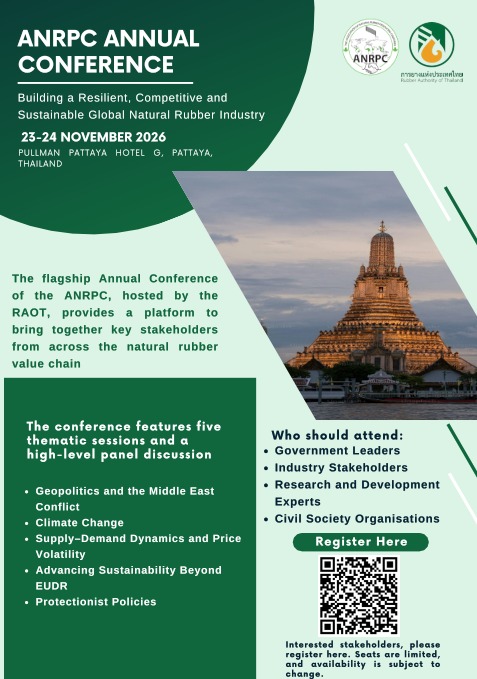
The global natural rubber industry stands at a critical juncture, with rising temperatures, shifting rainfall patterns, flooding and climate-related diseases increasingly pressuring production and productivity. Geopolitical tensions, including the ongoing Middle East conflict, rising operating costs, narrowing margins and evolving sustainability requirements are adding further strain across the value chain, said the association.
As a renewable resource, natural rubber supports industrial development and sustainable value chains, yet it faces supply constraints, price volatility, declining productivity, tree diseases, rising costs and stringent ESG requirements. These challenges also present opportunities to strengthen competitiveness, enhance value addition, diversify markets and accelerate sustainable practices. With decarbonisation efforts advancing towards 2030 and regulations such as the EUDR reshaping market access, stakeholders must collaborate to build responsible, inclusive, transparent and viable supply chains. Innovation, investment, and sustainable finance will be vital for smallholders and SMEs, the association further added.
Max Verstappen Sticks With Soft-Medium One-Stop To Conquer Marina Bay
- By TT News
- October 12, 2026
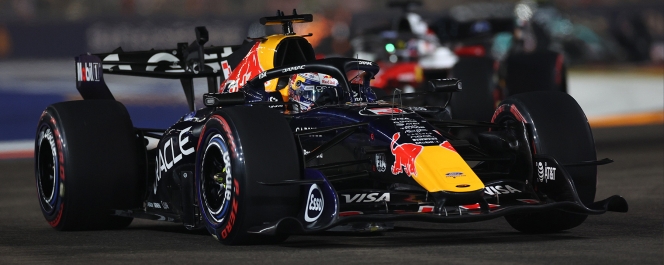
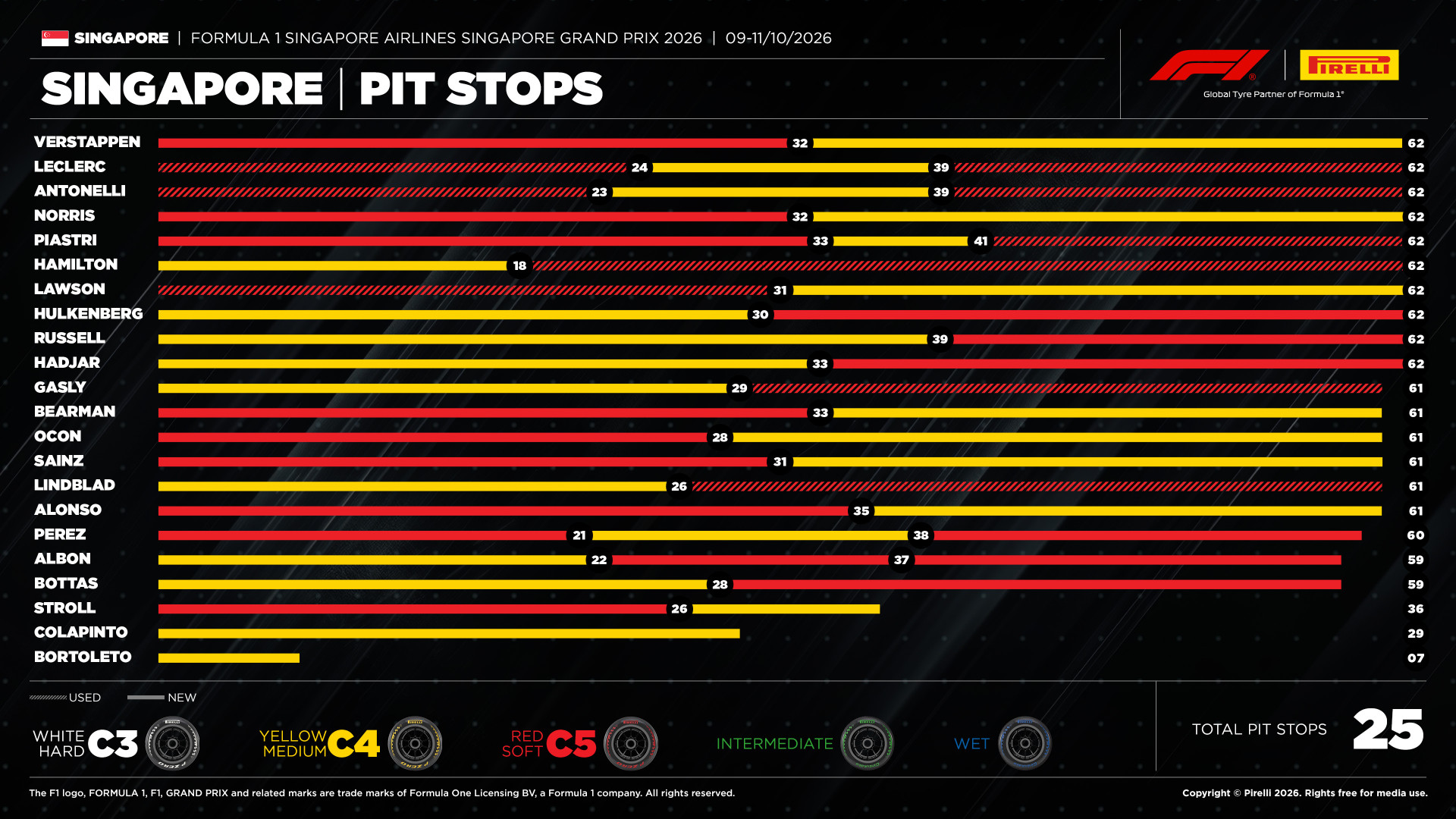
Max Verstappen completed a flawless weekend at the Marina Bay street circuit by winning the Singapore Grand Prix, adding Sunday’s race to his earlier Sprint victory and both pole positions. The Red Bull driver managed his Pirelli Soft and Medium compounds across a one-stop strategy while the tyre supplier’s rubber proved central to the race’s varying tactics.
Charles Leclerc finished second for Ferrari, with Kimi Antonelli third for Mercedes. The top three all began on Softs before switching to Mediums, but Leclerc and Antonelli exploited a Virtual Safety Car (VSC) period on lap 39 to fit fresh Softs for a second stop.
Verstappen, by contrast, ignored the VSC window, completing 32 laps on his starting Softs before moving to Mediums and running them to the flag. Only Soft and Medium compounds featured throughout the race.
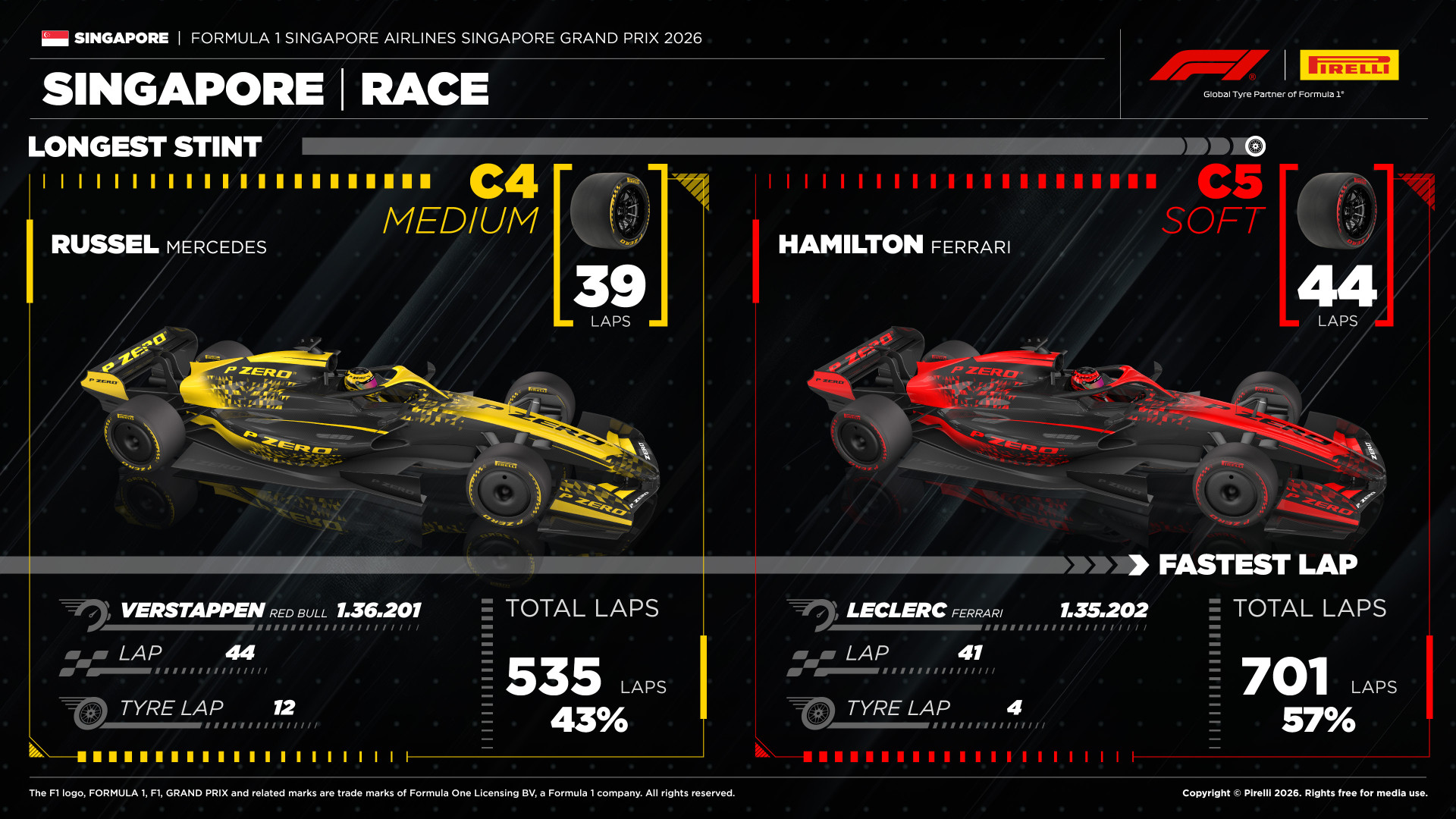
Antonelli extended his championship lead to 340 points, helped by teammate George Russell’s ninth-place finish. Russell sits second on 238, with Lewis Hamilton third on 229. Russell also recorded the longest Medium stint at 39 laps, while Hamilton, sixth, ran 44 laps on a single set of Softs.
Dario Marrafuschi, Pirelli Motorsport Director, said, “As widely expected, regardless of the neutralisations, the one-stop strategy proved to be the most competitive, with the Soft-Medium combination emerging as the most effective option. The C5 was the star of the race, as it delivered very long stints while maintaining a strong level of performance and offering the advantage of greater grip than the other compounds available. Drivers who used it for around half the race only experienced a performance drop-off in the closing stages.
“The Hard tyre was not a strategically attractive option for the teams, as it offered less grip than the C4 which, despite being the softer compound, exhibited virtually no degradation, without providing any tangible advantages in a race already firmly geared towards a one-stop strategy. As a result, although the C3 has proven effective at other circuits, it was not selected by any driver in Singapore. Tyre degradation was in line with what we had already observed during free practice, and the visual condition of the tyres at the end of the stints was also very encouraging, even over the longest runs. Wear was manageable, although it required a degree of attention, particularly on the rear-right.”
Dunlop Group Launches Phase 2 Of Indonesian Rubber Farmer Support Project
- By TT News
- October 12, 2026
The DUNLOP Group has systematically organised its sustainable natural rubber procurement initiatives for the first time, centring on the previously announced group-wide Sustainable Natural Rubber Subcommittee. The company will promote these initiatives and accelerate related activities. Natural rubber remains a key raw material for the group, and its production depends heavily on smallholder farmers, meaning challenges tied to productivity, income and environmental and social issues directly affect stable and sustainable procurement.
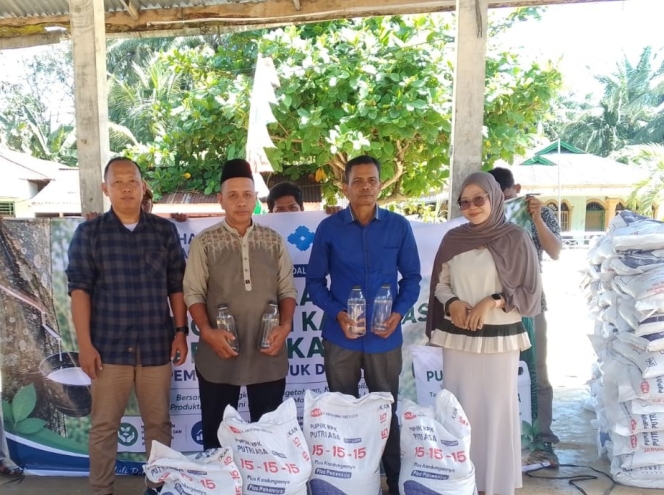
A second phase of the Sustainable Natural Rubber project, supporting smallholder farmers in Indonesia, began in April 2026. The project was originally launched in 2022 by Sumitomo Rubber Singapore Pte. Ltd., the group's natural rubber procurement subsidiary, together with PT. Hok Tong, a processing company owned by Halcyon Agri Corporation Ltd. In the first phase, improved productivity and earnings were confirmed for participating farmers. Phase 2 will continue support in Sumatra's Jambi region while extending coverage to Rantau Prapat in North Sumatra, aiming to assist roughly 1,740 farms cumulatively each year, with targets rising annually through April 2029.
During Phase 1, which ran from 2022 to 2025, more than 1,000 smallholder farmers in Jambi received support. Yields increased by up to about 19 percent, and both productivity and profitability improved in the project areas. In Phase 2, lessons from that experience will inform expansion into Rantau Prapat, where similar supply chain risks exist. Follow-up training will also continue in Jambi, with technical guidance and agricultural supplies provided so that improved techniques are fully adopted and yields rise further.
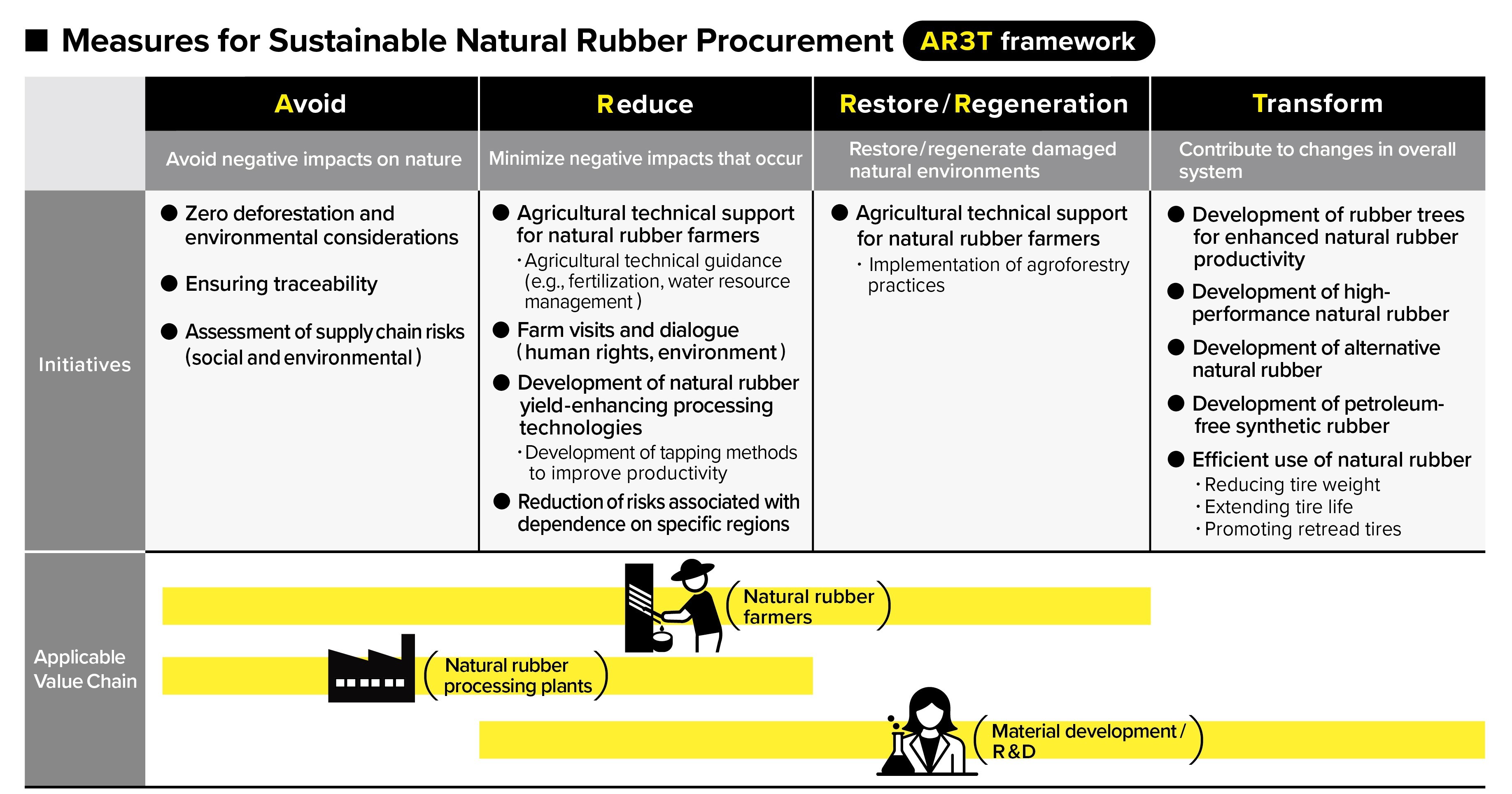
The group has identified and assessed its business activities' dependence on and impact upon natural capital, along with related risks and opportunities, following the Taskforce on Nature-related Financial Disclosures recommendations and the LEAP Approach, and has disclosed information accordingly. The newly established subcommittee has systematically categorized natural rubber risk mitigation measures using the Action Framework proposed by the Science Based Targets Network, linking identified risks and opportunities to business activities.
That framework organizes corporate actions addressing nature-related impacts into avoidance, reduction, restoration or regeneration and transformation. Through this structure, the group will clarify the roles of initiatives previously pursued separately, including risk assessment, farmer support and research and development, as well as measures needed going forward. The Farmer Support Project falls under the framework's reduction objective, with the aim of improving farmer productivity and profitability and thereby lowering risks in the natural rubber supply chain.
Phase 2 is scheduled to run from April 2026 to April 2029, covering Jambi and Rantau Prapat in Sumatra, Indonesia. Support targets 870 households in Jambi and 870 households in Rantau Prapat annually, delivered mainly through technical guidance and agricultural supply support. Indonesia ranks among the world's leading natural rubber producers, and Sumatra is one of its major production areas.
Dwi Sutrisno, Sustainability Manager, PT. Hok Tong Indonesia, said, “This Project is a valuable initiative that strengthens the knowledge, skills and capabilities of smallholder farmers while supporting higher productivity and more sustainable farming practices. As the implementing partner, PT. Hok Tong Indonesia is proud to contribute to this effort and to see the positive impact it brings to farmers and their communities.”

Comments (0)
ADD COMMENT