

CEAT Flags Further Price Rises As Raw Material Inflation Erodes Margins
- By Sharad Matade
- October 27, 2026
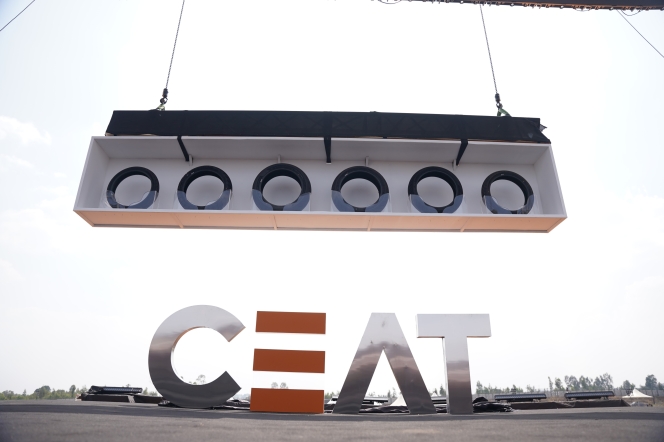
India’s tyre maker reports record quarterly revenue but warns of weaker demand growth and rising input costs
CEAT will raise tyre prices further in the coming quarter as surging raw material costs threaten to undermine profitability, even as strong demand helped the Indian manufacturer deliver record quarterly revenue.
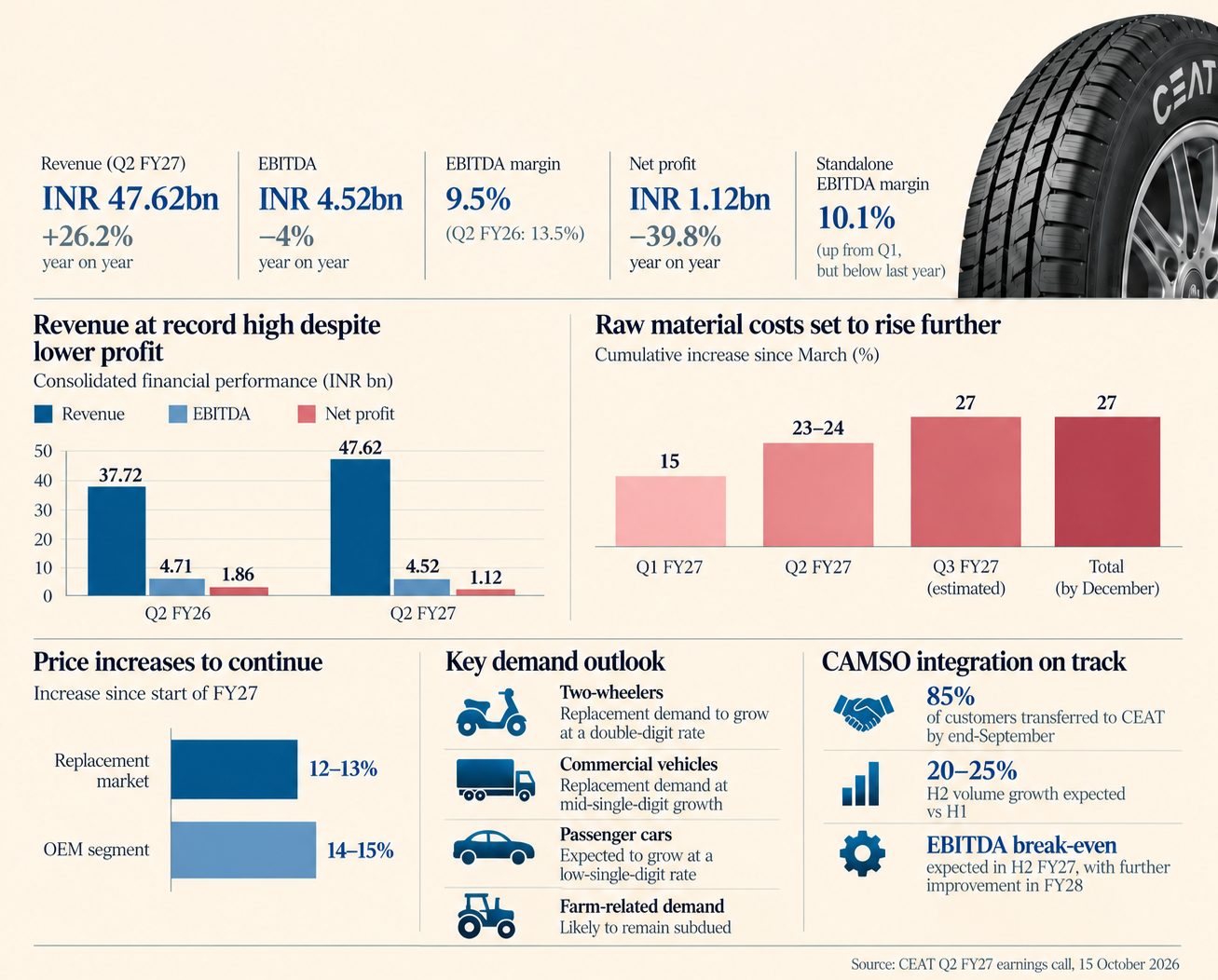
The company expects raw material costs to rise by a further 3–3.5 percent in the three months to December, following increases of 8–9 percent in the previous quarter and about 15 percent in the first quarter of the financial year. The cumulative increase since the end of March is expected to reach about 27 percent by December, management said recently.
Arnab Banerjee, Managing Director And Chief Executive, said CEAT would continue to raise prices across product categories in the coming quarter to recover higher input costs. The company would also pursue further increases in international markets, where pricing adjustments have lagged those in India.
“We need price increase and we will go for price increase,” Banerjee told analysts on the company’s second-quarter earnings call.
Consolidated revenue rose 26.2 percent year on year to INR 47.62 billion in the three months to September, the highest quarterly figure in the company’s history. Volume growth contributed about 40 percent of the increase, with the remainder coming from higher prices and a shift towards more expensive products.
But consolidated earnings before interest, tax, depreciation and amortisation fell 4 percent from a year earlier to INR 4.52 billion, leaving an EBITDA margin of 9.5 percent, down from a year earlier despite improving sequentially. Net profit dropped to INR 1.12 billion from INR 1.86 billion.
CEAT’s standalone EBITDA margin improved to 10.1 percent from the previous quarter, but remained well below the level recorded a year earlier as higher raw material costs worked through the business.
Price rises face a test
CEAT has increased prices by about 12–13 percent in the replacement market since the start of the financial year, and by 14–15 percent for original equipment manufacturers, which supply tyres directly to vehicle makers. Further increases are planned throughout the third quarter, with export prices to be adjusted selectively according to local competition.
Banerjee said the company’s standalone gross margin was about 33.5–33.6 percent in the first half, against a preferred range of 41–42 percent. A further increase in raw material costs in the coming quarter would add to the pressure.
The timing of price rises matters. Chief Financial Officer Kumar Subbiah said there was typically a lag of about three months before increases were fully reflected in the company’s results, particularly in the original equipment segment.
Management expects margins to remain closer to current levels in the third quarter, provided planned price increases are implemented. It declined to offer a firm forecast before those adjustments had taken effect.
CEAT’s pricing strategy is complicated by the difference between domestic and international markets. Export demand has recovered, particularly in Africa and Latin America, but the company has been slower to pass on higher costs overseas because it competes with both premium European manufacturers and lower-priced Chinese brands.
CEAT positions its products at prices about 15–25 per cent below leading European brands. Banerjee said the company would pursue smaller, more frequent price increases in individual countries rather than attempt simultaneous increases across all markets. He added that the international business remained more profitable at both gross margin and EBITDA levels than the domestic business.
The pressure on margins has been compounded by rising freight costs and disruption to shipping schedules.
Crude oil, which averaged about USD 84–85 a barrel at the beginning of the second quarter, subsequently rose to around USD 100 and was hovering near USD 105 at the time of the call. Natural rubber prices on the Singapore Commodity Exchange climbed from about USD 2,200 a tonne to USD 2,600, while domestic prices reached approximately INR 285 a kilogram, a more than 20-year high, according to Subbiah.
CEAT imports roughly two-thirds of its natural rubber and buys the remainder locally. The narrowing gap between international and domestic prices has reduced the advantage of sourcing from overseas, while longer transit times have increased the need to hold imported inventory.
Two-wheelers provide a demand buffer
Demand has so far proved resilient to higher prices, with replacement sales benefiting from the continued strength of India’s two-wheeler market and rural consumption.
CEAT expects replacement demand for two-wheeler tyres to grow at a double-digit rate in the second half of the financial year. Commercial vehicle replacement demand is forecast to rise at a mid-single-digit pace, while passenger car tyres are expected to grow at a low-single-digit rate. Farm-related demand is likely to remain subdued.
The outlook is less buoyant than the recent growth figures suggest. Management warned that demand could moderate in the third quarter because of a higher base of comparison, the potential effects of El Niño and a recent increase in the Reserve Bank of India’s repo rate.
Original equipment demand remains strong across vehicle categories, although year-on-year growth may ease as the comparison becomes more demanding.
CEAT said replacement demand had not suffered a material slowdown despite the price rises. A slight moderation in volumes during the quarter was partly attributable to production bottlenecks in some categories in July and August, alongside normal seasonal weakness after the summer months.
The company also said dealer inventories were not unusually high, arguing that any significant stock build-up would have become apparent by now.
CAMSO integration offers longer-term growth
Beyond the immediate pressure on costs, CEAT is counting on the integration of CAMSO, its off-highway tyre business, to expand its international reach and improve earnings over the next two years.
About 85 percent of CAMSO’s customers had transferred to CEAT by the end of September, with the remainder expected to move across by the end of November. The business is generating customer billings of about $10mn a month, management said, with revenue recognised by CEAT expected to increase as the transfer is completed.
The next stage is the installation of upstream equipment at CAMSO’s Sri Lankan plant, giving CEAT control over more of the production process, from raw material procurement to customer servicing. The work remains broadly on schedule, although completion could slip from the end of the current financial year into the first quarter of the next.
CEAT expects CAMSO’s volumes in the second half to increase by 20–25 per cent compared with the first half. The business should approach break-even or turn EBITDA-positive during the second half of the current financial year, with margins improving further in 2027-28. Management expects the acquisition to become earnings-per-share accretive at group level by 2028-29.
The company has established local entities in the US, Canada, UK, France, Germany and Poland to serve customers directly rather than exporting from Sri Lanka. Utilisation at the Sri Lankan plant remains below 50 per cent, leaving room to increase production as the business expands.
The integration will require further investment. CEAT expects to spend an additional INR1 billion–INR 1.5 billion on CAMSO’s upstream equipment during the current financial year, on top of about INR 14 billion planned for standalone capital expenditure. A further USD 44 million acquisition-related payment is due around the end of August 2028.
Expansion
CEAT is investing in domestic manufacturing capacity at the same time as it absorbs CAMSO and manages higher working capital requirements.
The company spent INR 4.93 billion on standalone capital expenditure in the second quarter. This included more than INR 1.2 billion at its Nagpur plant to increase two-wheeler tyre capacity from 80,000 to 100,000 tyres a day, and about INR 2.8 billion at Chennai to expand truck and bus radial and passenger car tyre production.
Management said utilisation remained high in two-wheeler and truck and bus tyre categories, making the expansion necessary to meet expected demand.
International business accounted for about 20 per cent of standalone revenue and 24 per cent of consolidated revenue in the second quarter. CEAT wants to increase the international contribution to 33 per cent of total business within five years.
The company is also seeking to move upmarket. Sales of premium passenger car tyres, defined as those with rim sizes of 17 inches and above, grew at a mid-30s rate year to date. Its premium two-wheeler portfolio grew at a high mid-teens rate.
CEAT said it held a 25 percent share of the original equipment market for electric passenger cars and utility vehicles, and more than 30 percent in electric two-wheelers. It is also expanding the use of artificial intelligence in sales, manufacturing, finance and supply-chain management.
HS HYOSUNG ADVANCED MATERIALS Bags B2B Excellence Prize At 2026 Korea PR Awards
- By TT News
- November 19, 2026
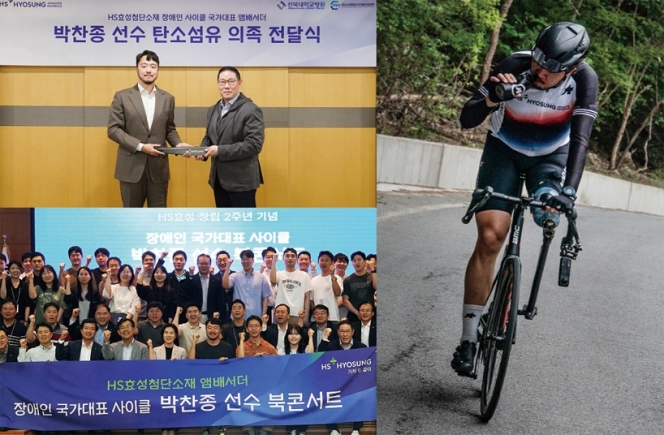
HS HYOSUNG ADVANCED MATERIALS has earned recognition at a prominent Korean PR awards event for communications judged authentic and substantive, with its sponsorship of national para-cycling athlete Chan-jong Park and its technology-focused social contribution efforts drawing particular notice from judges.
At the 2026 PR Day and Korea PR Awards ceremony, held 13 November in the Grand Ballroom of Sofitel Ambassador Seoul in Jamsil, the company took home the Excellence Award in the Corporate Marketing PR (B2B) category. The Korea PR Association organises the honours, widely regarded as the nation's foremost PR awards, selecting winners after weighing each campaign's overall value and impact.
The honoured ambassador programme, ‘Beyond Limits, Creating Value Together’, was praised for striking a deep chord with the public through the story of an ordinary office worker who lost a leg in a traffic accident and rebuilt his life through resolve and passion. After Park earned a place on the national cycling team, the company formed a dedicated project team and, with rehabilitation specialists at the Carbon Material Medical Device Development Support Center of Jeonbuk National University Hospital, developed an advanced carbon fibre prosthetic leg that is considerably lighter than conventional metal versions and is now used by Park in competition.
Park's achievements wearing the prosthesis include five titles at the Asian Track Championships, a new Korean national record and a silver medal in the men's 3,000m individual pursuit (C3) at the 2026 Aichi-Nagoya Asian Para Games. The company also documented his ‘Triple Summit Challenge’, climbing Hallasan, Cheonseongsan and Jirisan in a single day on the carbon fibre prosthesis, drawing broad public admiration. Nine campaign videos have surpassed roughly two million cumulative views with 210 media reports, while an internal programme engaging about 200 employees resonated strongly, and Park's story was further shared through an employee book concert, social media and YouTube.
Chan-yong Park, Team Leader of the Brand Team at HS HYOSUNG ADVANCED MATERIALS, said, “Since the launch of HS HYOSUNG GROUP, we have systematically built the Group’s brand identity, beginning with the development of our CI. This award reflects our efforts to bring warmth and emotion to B2B materials technology, which can often feel distant, and to authentically share the spirit of ‘Creating Value Together’ that HS HYOSUNG pursues. We will continue to create social value through innovative technology and meaningful stories, and to become a brand that moves ever closer to our customers’ lives.”
Tyrecycle Rolls Out Pilbara-Wide Recycling Programme For Mining Tyres And Conveyor Belts
- By TT News
- November 19, 2026
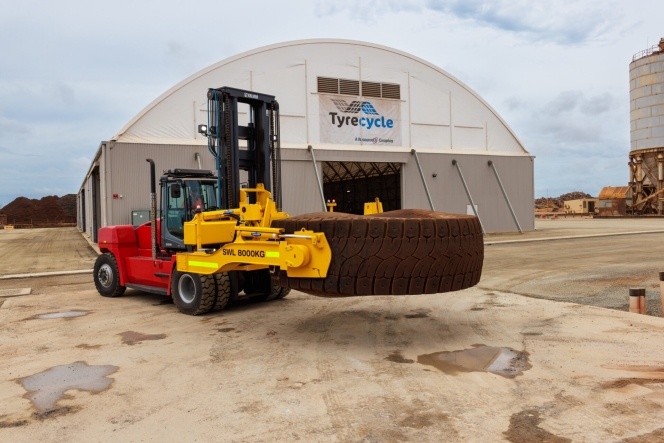
Tyrecycle has expanded its partnership with Rio Tinto to scale up recycling of end-of-life mining tyres and conveyor belts across the Pilbara, transforming a successful single-site initiative into a region-wide circular economy solution. The programme, one of the Pilbara’s largest resource recovery initiatives, diverts end-of-life materials from stockpiles and landfill into valuable inputs for new manufacturing.
The initiative began at Rio Tinto’s Gudai-Darri mine in 2024 and now operates across six sites as a scalable, fully traceable recycling solution. It supports Rio Tinto’s circular economy ambitions by ensuring end-of-life off-the-road (OTR) tyres and conveyor belts are recovered, processed and returned to productive use. Central to the programme is Tyrecycle’s purpose-built Port Hedland facility, Australia’s first dedicated OTR mining tyre recycling plant, opened in late 2024, which recovers rubber and steel for new products.
The partnership has saved over 8,000 tonnes in carbon emissions in just six months, equivalent to taking more than 3,200 cars off the road for a year. Many large OTR tyres contain enough steel to manufacture a small car, while recovered rubber is commonly used in bitumen to extend road life by 30 percent. A single large OTR tyre can improve over 230 metres of two-lane bitumen road. Tyrecycle also leverages back-freight opportunities to improve transport efficiency, reduce costs and lower logistics-related emissions.
Tyrecycle Chief Executive Officer Jim Fairweather said the expansion demonstrated how circular economy principles could be applied at scale within the resources sector, noting Rio Tinto Iron Ore’s leadership in adopting a practical solution. He said the Port Hedland facility created a long-term solution for managing mining waste streams close to where they are generated, with rubber and steel returned to the manufacturing supply chain. Fairweather said the company’s long-term vision was a seamless replacement-and-recovery model that eliminates stockpiling, simplifies logistics and ensures materials are responsibly managed from start to finish.
- Tyres Europe
- Ecodesign for Sustainable Products Regulation
- ESPR
- Tyre Ecodesign
- Digital Product Passport
Tyres Europe Urges Balanced Approach To Tyre Ecodesign
- By TT News
- November 19, 2026
Tyres Europe has outlined its position on the European Union’s Ecodesign for Sustainable Products Regulation (ESPR) framework for tyres, identifying three priorities to ensure the proposed rules are effective and workable. The organisation stresses that measures should be based on reliable, representative and quantitative data, with a clear understanding of their practical implications for tyre safety and performance. The ESPR provides the framework for performance and information requirements, with tyre-specific rules expected in the fourth quarter of 2027.
The first priority concerns tyres' environmental footprint and trade-offs between tyre characteristics. Measures improving one aspect of performance can affect grip and structural integrity under varying driving and weather conditions. Tyres Europe calls for a Balance of Performance approach protecting safety and environmental performance. It also wants Ecodesign to extend tyre life through retreading and reuse of truck and bus tyres, with public procurement and financial incentives expanding that market. Harmonised standards should distinguish tyres suitable for reuse from those at end of life.
Recycled and bio-based materials should count towards a combined target rather than separate targets, giving manufacturers flexibility to innovate. Agreed methods to verify material content must precede target-setting, and targets must reflect material availability, supply stability and cost. Harmonised EU end-of-waste criteria should clarify when recovered materials cease to be waste, easing cross-border trade and incorporation into new tyres. Rules should also recognise mass balance methods using audited records to track certified materials. Investment is needed to supply these materials at scale and competitive cost.
Any proposed restriction on a tyre material needs clear justification to avoid unintended effects on safety or performance, and restrictions should be addressed through REACH. An impact assessment is required for each category, and where recycling is the concern there must be quantified evidence that the material hinders recycling at scale. The assessment should cover the material's role, consequences of removal and replacement options, alongside a risk assessment and evidence of viable alternatives. Self-sealing technology illustrates how recycling difficulties must be weighed against safety and environmental benefits.
The ESPR should establish a practical and enforceable reporting framework ensuring fair competition, with verifiable requirements equally enforceable for all tyres on the EU market, including imports. Robust rules on traceability, allocation and auditability are needed to prevent undetected non-compliance from distorting competition, with the same standards applying to EU and non-EU manufacturers. Manufacturers need clear definitions and verifiable measurement methods, as some circular economy terms vary across legislation or are ambiguous for tyres. Timelines must be realistic, and reporting requirements must be proportionate to administrative burdens.
Digital Product Passports can support the framework if systems interoperate and sensitive business information is protected, with a segment-specific, phased approach reflecting differences in volume, value, use and traceability readiness. Passports should stay linked to the tyre's original record to support reuse and retreading, with retreaders accountable for their entries. According to the organisation, delivering these priorities can give manufacturers certainty to innovate and invest under fair, consistent single-market rules, achieving greater circularity without compromising safety and performance.
Hankook Tire Rolls Out Expanded Dealer Education Platform
- By TT News
- November 19, 2026
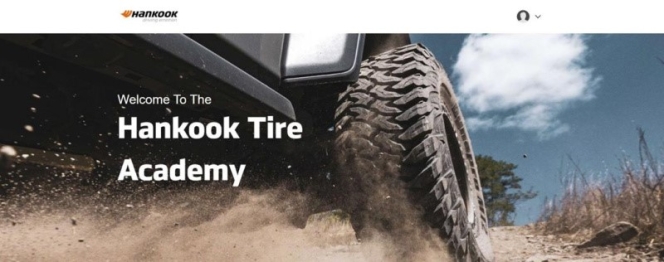
Hankook Tire has launched Hankook Tire Academy, an online training and education portal designed to give dealers and sales representatives a single destination for product resources, certifications and training across its portfolio.
The Academy features digital modules, expert-led live webinars and technical sessions on an optimised platform supporting on-demand learning via desktop, tablet and mobile devices. A robust incentives programme rewards participants with points for completing each module and the full curriculum, redeemable for exclusive rewards. Dealers also earn official certifications upon successful completion, highlighting their expertise and professional development.
Initially available to dealers specialising in passenger and light truck tyres, the Academy has officially expanded to the truck, bus and radial market, delivering newly launched training modules and resources tailored to those segments. The TBR expansion includes in-depth modules on Hankook Tire’s fifth-generation Smart Tire portfolio, covering long haul, regional haul and urban applications.
The expansion reflects Hankook Tire’s commitment to empowering commercial tyre dealers through targeted educational content suited to the TBR market’s unique demands. By providing advanced knowledge and practical insights, the Academy enables dealers to confidently recommend the full product spectrum and articulate the company’s distinct advantages in both PCLT and TBR markets. The initiative supports Hankook Tire’s broader commitment to advanced mobility solutions through product innovation, technical expertise and real-world performance as a top-seven global leader supplying OE tyres for more than 300 models across 50 global automotive brands, with North American growth driven by key premium and next-generation vehicle partnerships.
K C Jensen, Vice President of US PC/LT Sales, Hankook Tire America Corp., said, “At Hankook Tire, we are continuously focused on innovation and committed to learning and growth for our dealer network. Hankook Tire Academy is another opportunity for us to engage with our dealers and provide up-to-date information and resources for our full product line. Alongside activations like our Drive and Learn series, which offers behind-the-wheel opportunities to experience our products first-hand, this learning management system is a testament to our dedication to educating dealers on the technology, engineering and performance capabilities of our products.”
Mark Roe, Vice President of US TB Sales, Hankook Tire America Corp., said, “We are excited to extend Hankook Tire Academy to the Truck and Bus market and provide dealers with access to industry-leading resources and training modules. We are confident the platform will help dealers make informed decisions about Hankook Tire’s Smart Tire lineup and gain a deeper understanding of our TBR portfolio to improve performance and efficiency on the road.”
Comments (0)
ADD COMMENT