

Dyutiman Chatterjee Is Yokohama ATG India’s New CTO
- By TT News
- July 28, 2025
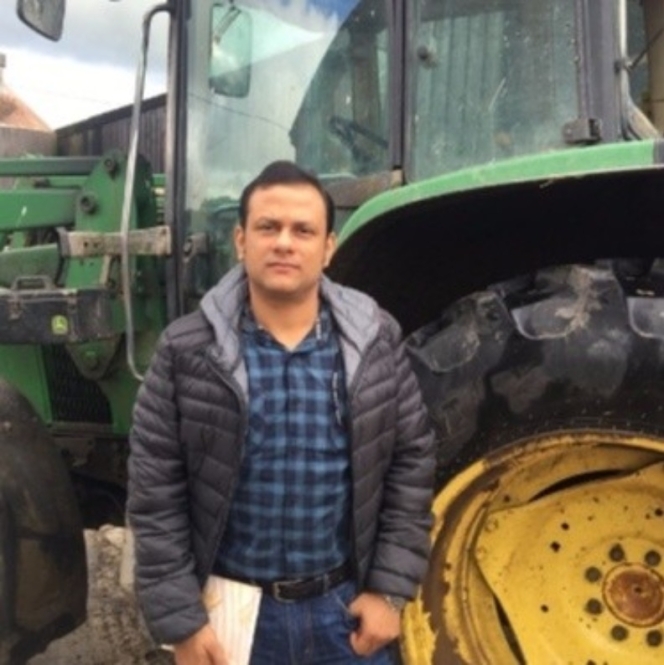
Yokohama ATG India has appointed Dyutiman Chatterjee as its new Chief Technology Officer.
Prior to his new role, Chatterjee was the Vice-President – R&D and Technology at CEAT Tyres, where he spent over a decade with the company.
He began his career working with CEAT in 2005, before joining Birla Tyres in 2007 and then moved to Alliance Tire, where he spent around seven years as Head of Product Development and Customer Service.
Chatterjee completed his B.Tech from the University of Calcutta and holds an MBA from K J Somaiya Institute of Management Studies.
In his new role at Yokohama ATG, Chatterjee will be responsible for Technology, Product Management, OEM Business Development, Global Field Service and Customer Quality Assurance.

Michelin Debuts XDR Wide Body Truck Tyre Globally
- By TT News
- October 23, 2026
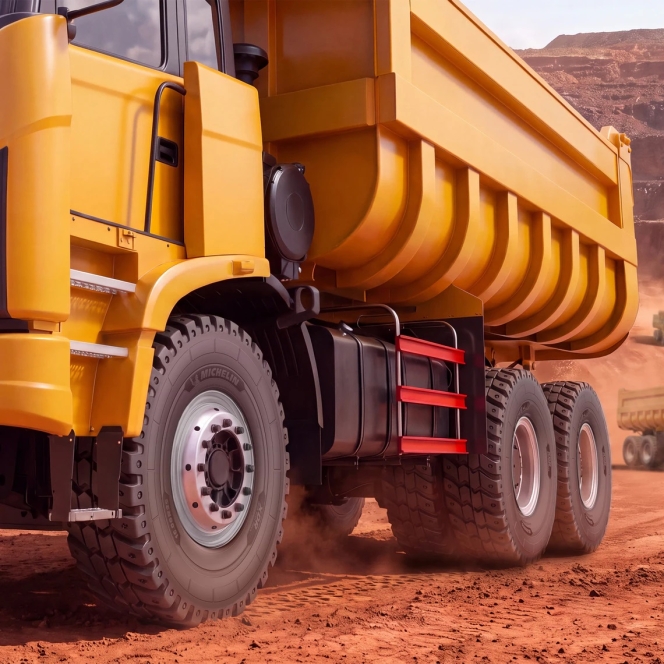
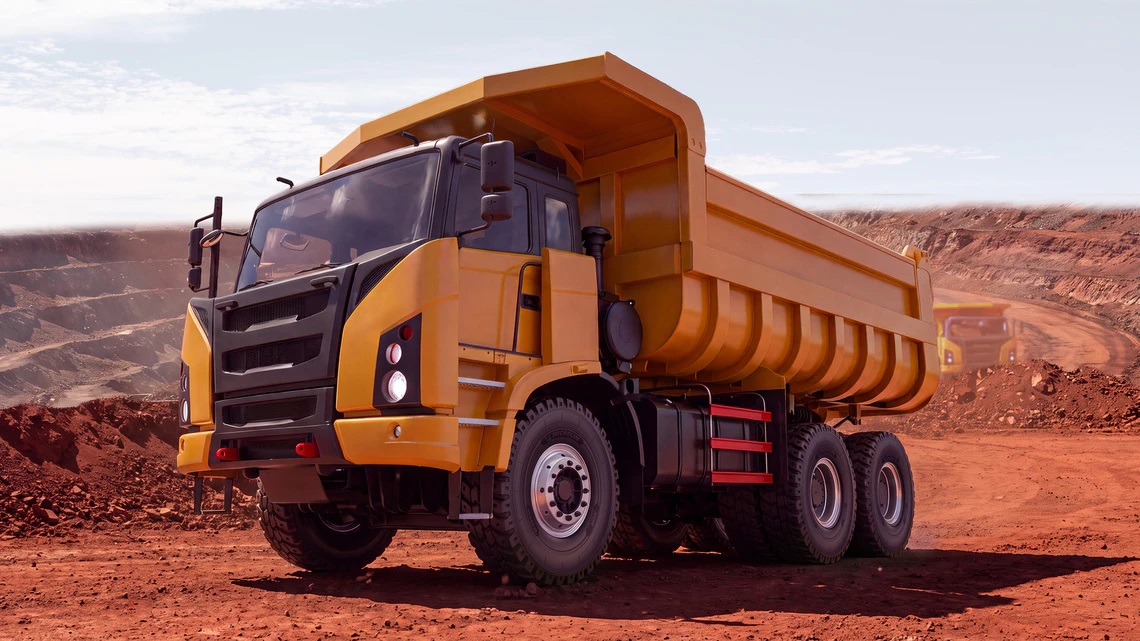
Michelin has introduced its first tyre engineered specifically for the new generation of wide body trucks, bringing its established safety and performance standards to a segment traditionally served by Tier-3 products. The MICHELIN XDR Wide Body Truck is positioned as a premium offering for mining fleets, built to handle high loads and speeds while delivering robustness and puncture resistance in demanding mining environments.
Wide body trucks are gaining global traction in mining because they strike an appealing balance among payload capacity, safety and acquisition cost. Michelin developed and launched the new fitment in under two years by combining intensive field analysis with agility, responding to mining customers’ needs for safety and productivity. The tyre also supports fleets moving towards more efficient and increasingly electrified haulage solutions, addressing demands for safety, productivity and operating cost control.
Safety remains paramount in mining, where a tyre failure can seriously affect personnel, equipment and operational continuity. The new tyre therefore features an innovative casing fully reinforced with thick steel cords, enabling it to carry 12 tonnes (26,786 lbs) per tyre at a recommended pressure of 9-bar (130 PSI) – significantly lower than typical market recommendations, which helps reduce blowout risk.
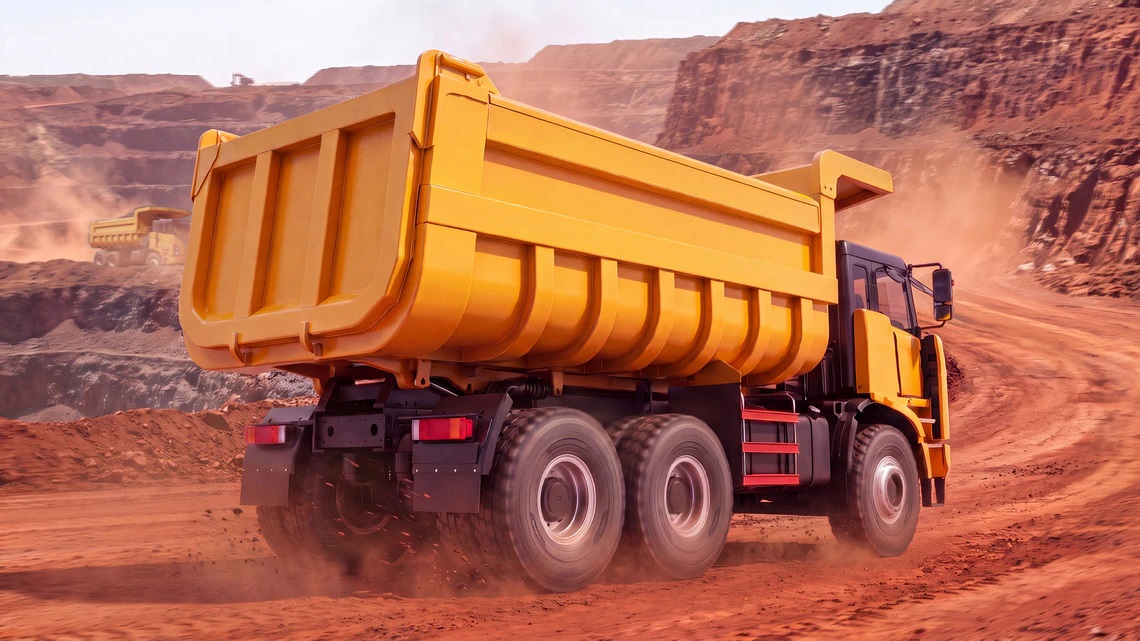
The MICHELIN XDR Wide Body Truck sustains heavy loads at continuous speeds, supporting productivity during intensive duty cycles. It offers strong traction, particularly on soft or muddy ground, while its robust tread compound resists damage, provides excellent grip and extends service life, optimising total cost of ownership. These qualities help cut unplanned downtime and maintenance costs, improve equipment availability and maximise material haulage volumes. The tyre launches worldwide in its first size, 16.00 R25, on 1 November 2026, with additional sizes to follow.
Kevin Maleterre, Director – Michelin Beyond Road, said, “Wide body trucks are playing an increasingly important role in mining operations. With the MICHELIN XDR Wide Body Truck, we are applying our expertise in mining applications to this new generation of vehicles, with a clear aim: to help our customers combine safety, productivity and the development of their fleets.”
Tegeta Green Planet Brings Environmental Message To Youth Forums Across Georgia
- By TT News
- October 23, 2026
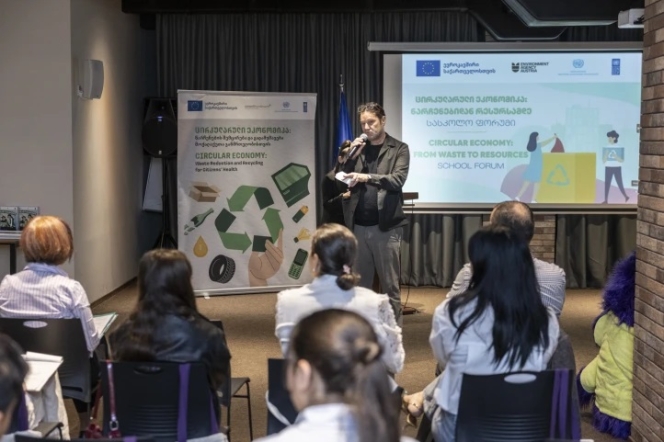
Tegeta Green Planet recently participated in youth forums held across five Georgian cities – Mestia, Telavi, Gori, Kutaisi and Zugdidi – as part of the Eco Awards School Competition. The events gave young people a platform to exchange knowledge on environmental issues, explore new ideas and discuss green initiatives.
Alongside the discussions, display areas devoted to Tegeta Green Planet and Amboli introduced visitors to the two organisations' work, their approach to handling waste and their sense of environmental duty. Guests stopping by the Tegeta Green Planet section heard about the company's core operations, the thinking behind Extended Producer Responsibility (EPR) and why the circular economy matters.
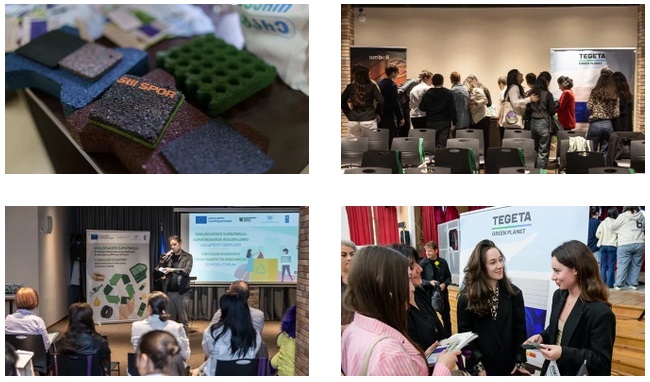
A varied programme kept participants engaged, with educational games and hands-on exercises built to sharpen their grasp of environmental questions and push them to put what they learned into practice. International specialists and invited speakers also addressed the forums, drawing on their own experience to examine ecological difficulties and possible remedies.
Organised to deepen environmental consciousness among the young and advance sustainable development, the Eco Awards School Competition drew 280 pupils and 100 teachers from 24 public schools throughout Georgia. It operates with backing from the European Union and the United Nations through the Circular Economy Promotion Programme. For Tegeta Green Planet, reaching young audiences is central to building a lasting sense of responsibility, with sound waste practices, resource reuse and circular economy principles at the heart of its efforts to drive long-term change.
Discount Tire's Treadwell Data Spotlights Longest-Lasting Truck And SUV Tyres
- By TT News
- October 23, 2026
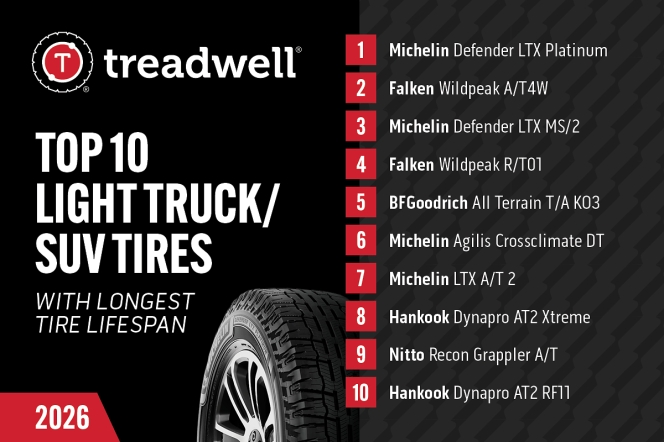
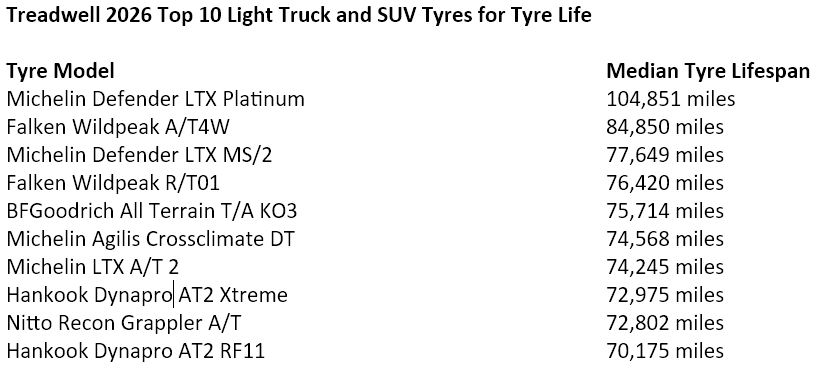
Discount Tire has released a new list of the longest-lasting light truck and SUV tyres, drawing on tyre life data from Treadwell, the company's tyre recommendation tool available to all consumers. Treadwell is powered by millions of real-world tyre mileage and tread depth readings along with independent testing at Treadwell Research Park.
The list identifies 10 tyre models for light truck and SUV drivers that exceed a 70,000-mile median lifespan under normal driving conditions. Every tyre carrying a listed limited treadwear warranty also surpasses its manufacturer warranty by more than 10,000 miles.
According to the U.S. Department of Transportation, American drivers average 13,400 miles per year. On top-performing tyres, a light truck or SUV owner could gain an extra year or more before needing a tyre change. Treadwell's aggregated lifespan figures reflect drivers who properly maintain their tyres, including regular rotations and wheel alignments, with median values collected to 2/32-inch tread – generally considered, and in some states legally mandated as, the minimum viable tread depth. Actual results may vary based on driving location and habits, such as regular highway or all-terrain use.
Discount Tire developed Treadwell using decades of data and independent testing to deliver a hassle-free tool offering personalised tyre recommendations based on where, what and how drivers drive. More than 20 million people used Treadwell online and in stores in the past year.
Dr John Baldwin, Chief Product and Technical Strategist, Discount Tire, said, "If you're driving a light truck or SUV and prioritise getting additional miles of safe driving out of your tyres, Treadwell can be a source of unbiased advice. Our goal is always to be there for our customers when and where they need tyres, which is why Treadwell is available online and used each day in our stores to empower drivers to find the best tyres for their vehicle."
Plaza Tire Service Adds Mattoon Store To Growing Illinois Footprint
- By TT News
- October 23, 2026
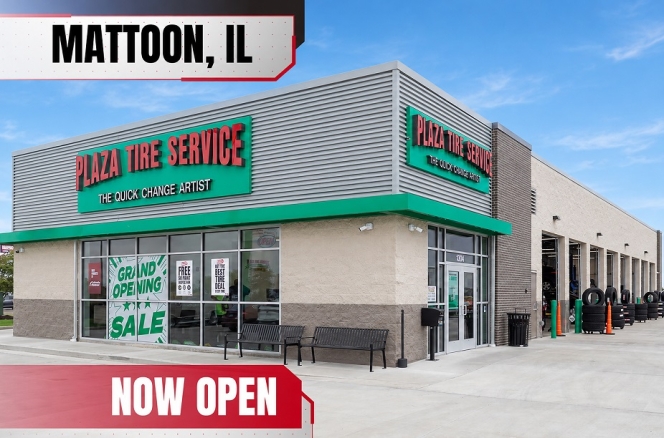
Plaza Tire Service, a prominent tyre and automotive service provider in the Midwest and member of the Sun Auto Network, has expanded its footprint with a new store in Mattoon, Illinois. The addition strengthens the company's presence in the state and offers drivers throughout Central Illinois improved access to trusted tyre and vehicle maintenance services.
The Mattoon location provides motorists with a convenient destination for tyres, preventive maintenance and automotive repair. Customers can choose from an extensive inventory of leading tyre brands while accessing a full range of services, including oil changes, brake service, batteries, alignments, steering and suspension repair and other routine maintenance.
Plaza Tire Service emphasises selection, convenience and value through its Price Match Guarantee and signature 4 Tires in 1 Hour Guarantee, with broad in-stock inventory available for same-day installation. Founded in Missouri in 1963, the company has become one of the Midwest's largest tyre and automotive service providers, operating across five states while combining regional heritage with the resources of the more than 600-location Sun Auto Network.
Rob Kingery, Regional Vice President, Sun Auto Tire & Service, said, "We're excited to bring Plaza Tire Service to Mattoon and introduce more drivers to the convenience, value and trusted service that have defined our brand for more than 60 years. This location allows us to serve the community with the tyre expertise, same-day service and comprehensive automotive care that customers have come to expect from Plaza Tire Service."

Comments (1)
ADD COMMENT