

Forging Tomorrow
- By Gaurav Nandi
- August 28, 2026
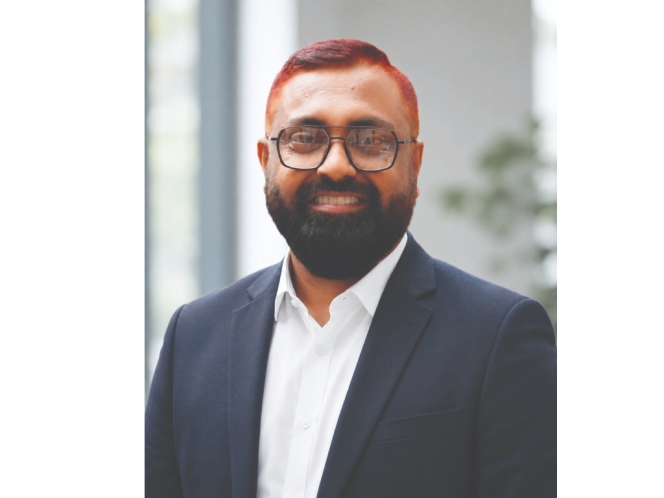
The Indian Rubber Materials Research Institute (IRMRI) recently announced the appointment of Professor (Dr) Abhijit Bandyopadhyay as its new Director. In a tete-a-tete with Tyre Trends, he delves into his top priorities and IRMRI’s roadmap under his leadership.
What will be your top priorities as the new director of IRMRI?
I have a list of four priorities. The first is to transform IRMRI from a testing and certification centre into an innovation hub that integrates research, technology development, scale-up engineering, innovation and commercialisation for the tyre and non-tyre rubber industries. The second priority is developing technologies for EV tyres. While automakers are using lightweight polymer composites and foams to offset battery weight, advancing EV tyre technology will remain a key focus.
Thirdly, to undertake autonomous research that benefits industry beyond traditional rubber compounds, covering plastics, rubber-plastic blends, advanced polymer systems and other emerging materials. Finally, internationalise IRMRI by establishing MoUs with global industries and academic institutions.
Sustainability and circularity are becoming central themes across industries. How do they fit into your vision for IRMRI?
Sustainability should not be viewed as a separate objective; it must be embedded in every project we undertake. Every technology we develop should inherently follow sustainable principles. The introduction of Extended Producer Responsibility (EPR) has fundamentally changed the tyre industry’s responsibilities by making manufacturers accountable for the waste generated by their products.
This naturally increases the importance of reclaimed rubber, rubber crumb, recycling technologies and broader circular economy practices. Today, applications for reclaimed materials remain limited and expanding their use will become an important research area.
How will you strengthen collaboration between IRMRI, academia and industry?
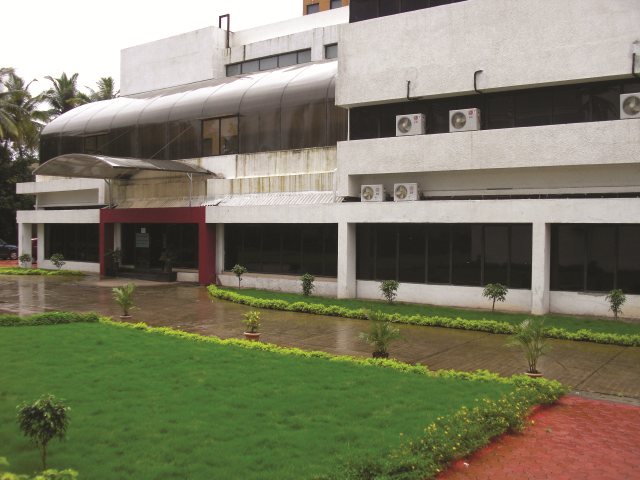
IRMRI has always supported industry through its testing services but its contribution to research and development can become much stronger. At present, academia and industry operate with very different priorities. IRMRI is uniquely positioned to bridge this gap because it already has advanced facilities in Chennai, Thane and the Eastern Centre, with new centres coming up in Tripura and Delhi.
Building on existing collaborations at the Thane Centre, IRMRI should expand partnerships with universities, IITs and industry beyond rubber technology into areas such as mechanical engineering, machine design, sustainable rubber processing, simulation, modelling, artificial intelligence and other multidisciplinary fields to strengthen both its research capabilities and national stature.
What are the biggest challenges facing India’s rubber and tyre industry today?
The industry’s biggest challenge is sustainability, particularly recycling, devulcanisation and compliance with EPR. While significant progress has been made in developing rubber and polymer products across numerous industries, recycling remains a major technological hurdle.
The same challenge extends beyond rubber to composite materials. Although material development has advanced considerably, achieving efficient, commercially viable recyclability remains one of the industry’s greatest unresolved problems.
What do you expect to be the biggest challenges in your new role at IRMRI?
I have worked closely with industry for the past 16 years and almost all of my current research projects are industry-sponsored. I understand industrial expectations, priorities and ways of working, so adapting to the industry itself will not be difficult.
The real challenge will be transforming IRMRI from a testing institute into a research and innovation institute. Achieving this will require a clear roadmap, well-designed policies and systematic implementation with some trial and error along the way.
How do you see AI and digital technologies accelerating rubber materials research?
AI, simulation, modelling and digital engineering will become integral parts of IRMRI’s future development strategy rather than standalone initiatives. Artificial intelligence is fundamentally a form of data science. It involves developing computational models and predictive systems that help researchers analyse data more intelligently and efficiently.
Computation, simulation and modelling are becoming increasingly important. The tyre industry already relies heavily on these tools because modern tyre development would be almost impossible without them. However, the non-tyre rubber industry has not yet adopted them to the same extent. Simulation and modelling also contribute engineering efficiency, reducing development costs, optimise manpower deployment and enable better product design before physical prototypes are built.
How can IRMRI strengthen its testing capabilities to meet future industry requirements?
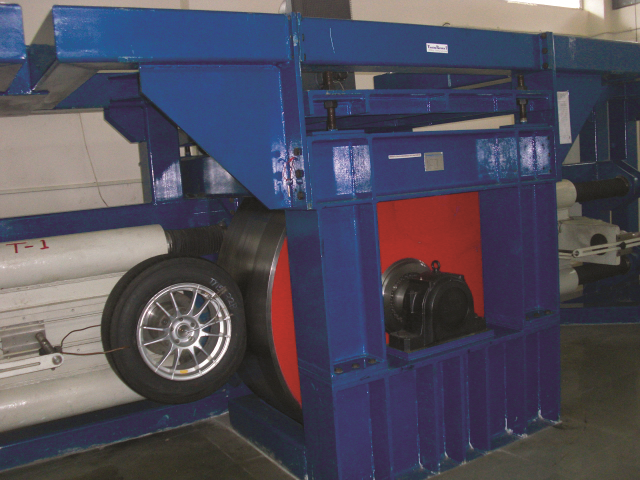
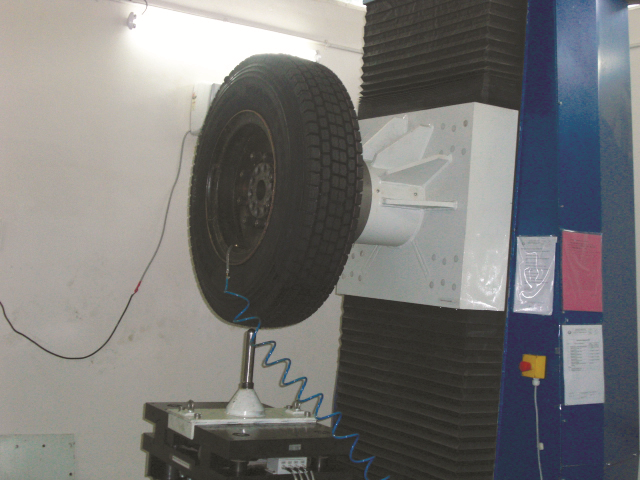
IRMRI already has strong testing facilities for existing technologies, but the rapid growth of electric vehicles makes specialised EV tyre testing an important priority.
We also need to evaluate whether current testing protocols adequately assess EV-specific requirements such as acoustic performance, vibration characteristics and other parameters beyond rolling resistance. Where gaps exist, IRMRI will develop new testing methodologies and standards tailored to EV tyres.
What emerging technologies and materials should IRMRI focus on in the coming years?
Sustainability and next-generation materials must be major priorities. As bio-composites and natural-material-based rubber products gain importance, standardised testing methods for many rubber-polymer bio-composites are still lacking. Developing reliable performance evaluation standards for these materials while strengthening capabilities in recycling, devulcanisation and circular economy technologies will help Indian manufacturers meet global quality standards.
Material innovations, particularly in solution-grade Styrene-Butadiene Rubber (SBR), will also require advanced testing, reinforcing IRMRI’s vision of becoming an innovation-driven institute.
How can IRMRI help Indian manufacturers meet global quality standards?
Helping Indian manufacturers meet increasingly demanding global quality and performance standards begins with addressing the industry’s biggest technological challenges, which is recycling, devulcanisation and circular economy requirements. If IRMRI can develop technologies in these areas, it will benefit both the rubber and non-rubber industries.
As an NABL-accredited institution, IRMRI also has a unique advantage over most universities, whose testing and certifications, while technically credible, are generally not accepted for commercial compliance. Now that IRMRI has been recognised as an institute, it will strengthen its independent certification capabilities and establish itself as a nationally and internationally respected authority for testing and certification.
Does India need stronger collaborative testing programmes?
Yes. India needs a more structured ecosystem that brings together research institutes, OEMs, raw material suppliers, manufacturers, universities and IITs throughout testing and product development. IRMRI should become the platform that connects academia’s knowledge-driven research with industry’s application- and product-oriented approach, accelerating innovation.
Internationally, this model has proven successful through industry-sponsored academic programmes that create a continuous pipeline of research, skilled talent and commercial innovation. India has some examples of such collaborations, but they remain scattered and should be expanded significantly.
How do you plan to change the industry’s perception of IRMRI?
One of my biggest objectives is to fundamentally change how both the tyre and non-tyre industries perceive IRMRI. Today, the institute is primarily viewed as a testing laboratory. Testing will always remain an essential function, but I want IRMRI to be recognised as much more than that.
My vision is for IRMRI to become an innovation hub where research, technology development, product innovation, industrial problem-solving, scale-up engineering, commercialisation, multidisciplinary collaboration and advanced materials research all come together. Changing that perception will take time, but we will build that bridge eventually.
What opportunities do you see for retreading technology?
Retreading has enormous potential but also significant technical challenges because it involves bonding a new tread to an already vulcanised tyre. While unvulcanised rubber is naturally tacky, vulcanisation removes this property, making two vulcanised surfaces difficult to bond.
Strong adhesion requires roughening both surfaces for mechanical anchorage followed by specialised adhesives and carefully controlled processing. Since India’s retreading industry remains fragmented, advancing retreading technology will be a key focus, particularly for its sustainability and resource conservation benefits.
Looking ahead, what will define the success of IRMRI?
Success, in my view, will not be measured by the number of tests conducted or certifications issued but by whether IRMRI becomes an innovation-driven institute. That means undertaking autonomous research, developing industry-focused technologies, strengthening academia-industry collaboration and more.
Indian manufacturers compete globally. Ultimately, I want IRMRI to be recognised not just as a testing centre but as one of India’s leading innovation hubs for rubber, polymers, advanced materials and sustainable industrial technologies.
Tegeta Green Planet Presents Circular Economy Expertise at IRF Congress
- By TT News
- October 07, 2026
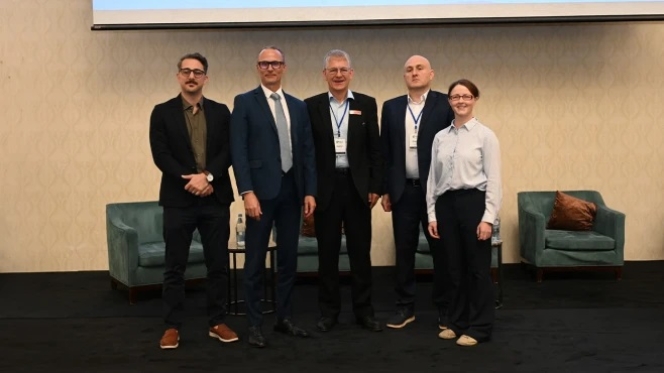
Tegeta Green Planet was represented by its director, Shalva Akhvlediani, at the 4th IRF Europe & Central Asia Regional Congress & Exhibition, convened by the International Road Federation (IRF Global). The three-day gathering assembled specialists possessing international and regional expertise, alongside public and private sector delegates and researchers, to deliberate on pressing matters concerning road infrastructure development.
Sustainable, Smart and Safe Roads for Sustainable Economic Growth served as the congress's central theme. Akhvlediani took part in a session titled ‘Sustainable Road Infrastructure: Climate Risks, Emissions and Long-Term Efficiency’, which examined methods for reinforcing the resilience and sustainability of road infrastructure across its complete lifecycle, spanning planning, design, construction, maintenance and renewal.
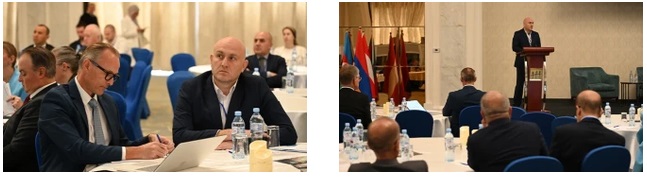
Climate change adaptation, low-carbon materials, circular economy approaches and environmental efficiency featured among the session's principal subjects, together with solutions guaranteeing road infrastructure's durable, long-term performance. Akhvlediani shared Tegeta Green Planet's expertise and outlook, noting that the company's operations accord directly with circular economy principles by converting waste into resources and advancing responsible waste management.
Operating within Extended Producer Responsibility, Tegeta Green Planet occupies a significant role in Georgia's collection and management of specific waste streams, including used tyres, waste oils and automotive batteries. This practical experience illustrates how circular economy principles can be embedded in real business and infrastructure solutions. Congress discussions additionally addressed international experience exchange and practical approaches for strengthening infrastructure resilience, environmental efficiency and long-term durability.
NEXEN TIRE Builds Australian Momentum With Perth Expansion And Brand Push
- By TT News
- October 07, 2026
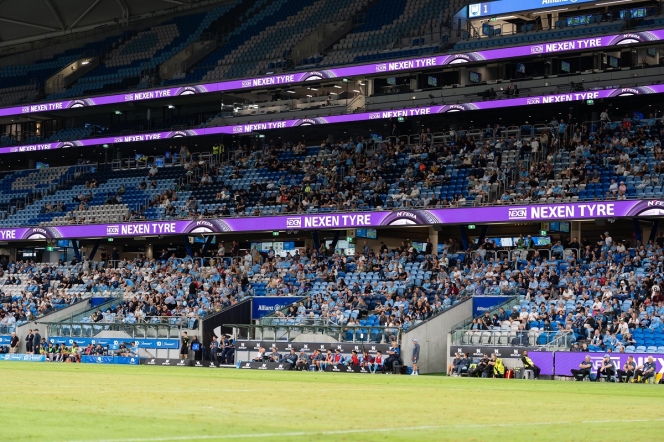
NEXEN TIRE has strengthened its Australian logistics footprint by opening a new distribution centre in Perth, Western Australia’s largest hub city. The move extends the company’s supply network beyond its existing east-coast bases in Sydney, Melbourne and Brisbane, creating a more comprehensive nationwide distribution system.
The Perth facility is expected to improve product availability for dealers and consumers across Australia. By enhancing local inventory management, NEXEN TIRE aims to shorten logistics lead times and respond more quickly to shifts in market demand, thereby boosting its competitiveness in the fast-growing Australian market.
Beyond logistics, the tyre maker has introduced its Shop Branding programme to Australia, applying a unified visual identity to partner stores through signage, interiors and displays centred on its signature purple. NEXEN TIRE has also continued sports marketing efforts as an official sponsor of A-League club Sydney FC since the 2024/25 season, with the partnership running through the 2026/27 campaign beginning October 16.
Australia remains a strategic market for NEXEN TIRE, with its local subsidiary posting revenue growth of more than 50 percent year-on-year in the first half of this year, more than double the same period in 2024. Combining distribution expansion with locally tailored marketing, the company plans to deepen engagement with Australian consumers, drawing on expertise gained from supplying original equipment tyres to global premium automakers.
John Bosco (Hyeon Suk) Kim, CEO, NEXEN TIRE, said, "With the opening of this distribution centre, we have secured a foundation to supply our products more reliably beyond the east coast. We will strengthen both our distribution network and brand marketing to continue expanding our presence in the Australian market."
TyreSafe And Mission Zero Join Forces To Raise Fleet Safety Standards
- By TT News
- October 07, 2026
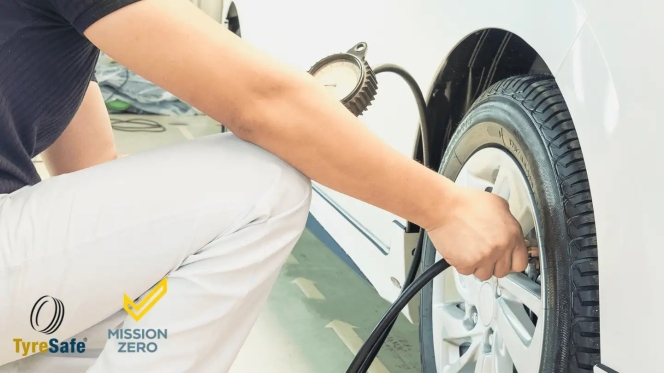
TyreSafe, UK’s leading tyre safety charity, has entered into a new partnership with Mission Zero, a prominent quality standard within the road fleet sector. The collaboration is designed to help organisations enhance compliance, lower risk and advance shared goals for safer, cleaner and more responsible road transport.
Mission Zero offers a structured framework for fleets pursuing zero collisions, emissions and prohibitions, centred on a comprehensive legal compliance audit alongside recognised industry best practice. Its credentials are formally acknowledged across major infrastructure and transport programmes, including Transport for London’s Work-Related Road Risk requirements, HS2, Sizewell C, National Highways and CLOCS.
TyreSafe already collaborates with several of these bodies, including National Highways and CLOCS, reinforcing tyre safety’s place within broader fleet safety and compliance efforts. Its expertise has likewise gained national recognition, featuring in the government’s developing approach to work-related road safety and the creation of a National Work-Related Road Safety Charter.
Under the partnership, the two organisations will jointly assist fleet operators in recognising how effective tyre management supports safer vehicles, stronger compliance and reduced occupational road risk. Combining expertise, resources and industry engagement, they aim to help organisations build safer fleets, prevent incidents and foster a more sustainable road transport future, reflecting TyreSafe’s ongoing commitment to collaboration across the transport, enforcement and fleet sectors and to keeping tyre safety central to the journey towards Vision Zero.
Nick Caesari, CEO, Mission Zero, said, “Tyre safety is a fundamental part of managing risk within any fleet operation. Mission Zero is focused on helping organisations move beyond compliance and adopt a proactive approach to safety, and working with TyreSafe allows us to strengthen the guidance and support available to operators. Together, we can help businesses understand the important role that safe, well-maintained tyres play in preventing incidents and achieving their wider road safety goals.”
Stuart Lovatt, Chairman, TyreSafe, said, “We are pleased to partner with Mission Zero and support its ambition to help organisations achieve higher standards across fleet safety. Tyres are one of the most important safety-critical components on any vehicle, yet they are often overlooked as part of wider compliance and risk management strategies. By working with Mission Zero, we can help more operators recognise that effective tyre management is a vital part of achieving safer fleets and reducing work-related road risk.”
Kuraray America Volunteers Log 350+ Hours At 2026 Pasadena Rodeo
- By TT News
- October 07, 2026
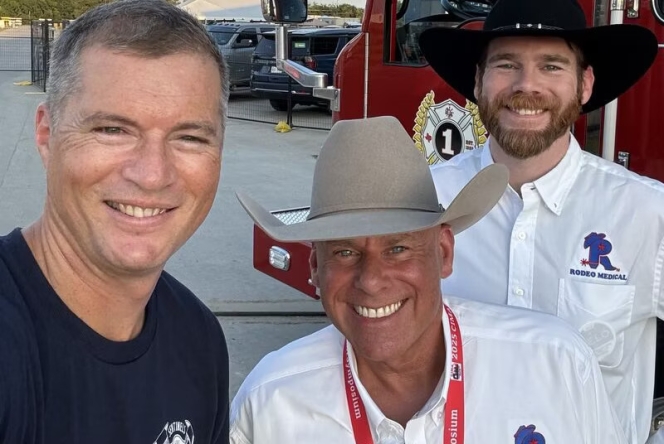
Kuraray America, Inc. (KAI) demonstrated its community commitment through volunteer service and financial support at the 77th annual Pasadena Livestock Show & Rodeo. The Kuraray Foundation of America (KFA), a 501(c)(3) nonprofit corporation, contributed USD 5,000 to the event, funding local youth programmes.
Over the rodeo's nine-day run, eleven KAI employees dedicated more than 350 volunteer hours to health, safety and security operations. Leveraging their professional expertise, these volunteers identified and mitigated onsite risks, staffed the medical tent and worked behind the scenes to ensure a safe, well-organised experience for all attendees.
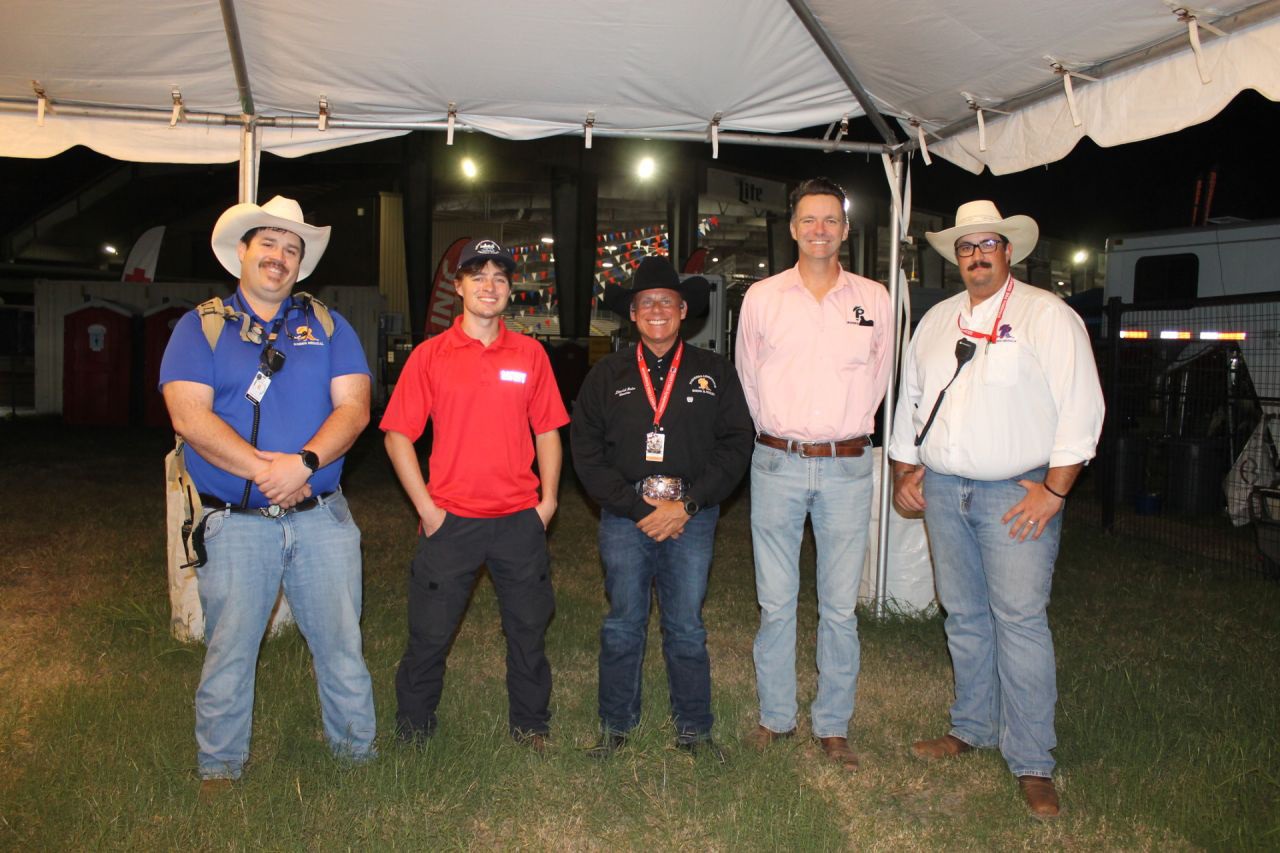
Beyond safety duties, KAI volunteers supported interactive educational exhibits highlighting the connections between industry, agriculture, and sustainability. These displays allowed families to explore the farm-to-table journey and understand how various industries contribute along the way. The rodeo's fundraising efforts extend far beyond the event itself, supporting college scholarships, livestock show awards, calf scramble programmes and other agricultural education opportunities for local students.
For KFA, the sponsorship represented more than financial backing – it was a chance to invest time, expertise and resources in an organisation dedicated to the Pasadena community throughout the year. KAI expressed gratitude to the rodeo for welcoming its team and recognised volunteers David Solo, Calvin Balch, Alex Berry, Dwight Brunner, Matt Callas, Eric McDaniel, Miguel Pompa, Zachary Reynolds, Chase Stewart, Richard Bass and Tyler Free for their service, reflecting the company's dedication to being an active partner in the communities where its employees live and work.

Comments (0)
ADD COMMENT