

From Lumi-Hakkapeliitta To Hakkapeliitta 01: Nokian Tyres Marks 90 Years Of Winter Innovation
- By TT News
- September 11, 2026

Nokian Tyres marks the 90th anniversary of its Hakkapeliitta winter tyre family, celebrating a legacy that began in 1936 with the introduction of the first Hakkapeliitta-branded tyre, the Lumi-Hakkapeliitta. This debut product, arriving just two years after the world’s first winter tyre, featured a transverse tread pattern and suction-pad-style grip, establishing itself as a breakthrough in winter mobility and the first winter tyre designed specifically for passenger cars.
The company commemorates this milestone with the launch of its newest winter product, the Nokian Tyres Hakkapeliitta 01, announced in March and available for sale at tyre shops this fall. The Hakkapeliitta 01 represents a significant step forward in the brand’s rich history, introducing On-Demand Grip technology that allows studs to enter ‘OFF’ and ‘ON’ modes in response to driving conditions.

Throughout the decades, Nokian Tyres expanded the Hakkapeliitta’s influence from the Nordic region to snowy surfaces worldwide. The Haka-Hakkapeliitta became one of the best-selling winter tyres of the 1950s and 1960s, featuring a dense pattern of protrusions effective on icy roads with packed snow, while the first studded model, Kometa-Hakkapeliitta, was introduced in the 1960s. The product family gained global recognition during the same period by dominating the Monte Carlo Rally, cementing its association with extreme weather performance.
Forty years ago, in 1986, the company opened the Ivalo Test Center, known as White Hell, in Finland, providing a diverse winter tyre testing environment with temperature variations of up to 40 degrees possible in a single week. From 2000 onward, all new Hakkapeliitta tyres have featured the Driving Safety Indicator, an easy-to-read number moulded into the tyre indicating remaining tread life. Innovations such as the square stud, Bear Claw technology, Double Stud technology and Arctic Grip Crystals have further advanced both studded and non-studded offerings.

Today, studded and non-studded Hakkapeliitta products equip passenger cars, SUVs, commercial vehicles, trucks, tractors and selected speciality equipment used in municipal maintenance and contracting. Models including the studded Hakkapeliitta 10 and non-studded Hakkapeliitta R5 have ranked atop test results, helping keep drivers safe in diverse winter weather.
The Hakkapeliitta 01 reduces road wear by up to 30 percent compared to its predecessor, the Hakkapeliitta 10, while improving ice grip by up to 10 percent and wet grip by up to 5 percent. Noise levels drop by as much as one decibel, making the new tyre a victory of safety and comfort. This marks the second time in the series’ history that Nokian Tyres has reset its numerical naming convention. Consumers can purchase the Hakkapeliitta 01 this fall at tyre shops across the Nordics, North America and Central Europe.

Paolo Pompei, President and CEO, Nokian Tyres, said, “The Hakkapeliitta product family is an iconic part of our heritage and continues to play a central role in our strategy. Achieving and maintaining leadership in the winter tyre market requires continuous innovation. The new Nokian Tyres Hakkapeliitta 01 is a clear demonstration of that commitment, combining our longstanding expertise with the latest advancements in safety and performance.”
Pirelli All Set For Singapore Grand Prix
- By TT News
- October 06, 2026
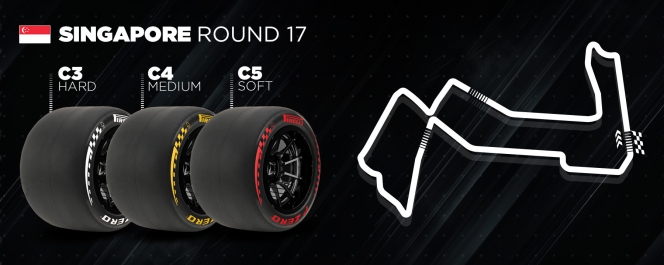
Pirelli has confirmed it will bring the same tyre allocation used last year to the Singapore Grand Prix, as Formula 1 remains in Asia for a weekend that also hosts the season's final Sprint and concludes a long triple-header that started in Baku. The Marina Bay circuit, one of the most physically demanding venues for drivers, will again feature the C3 as Hard, the C4 as Medium and the C5 as Soft.
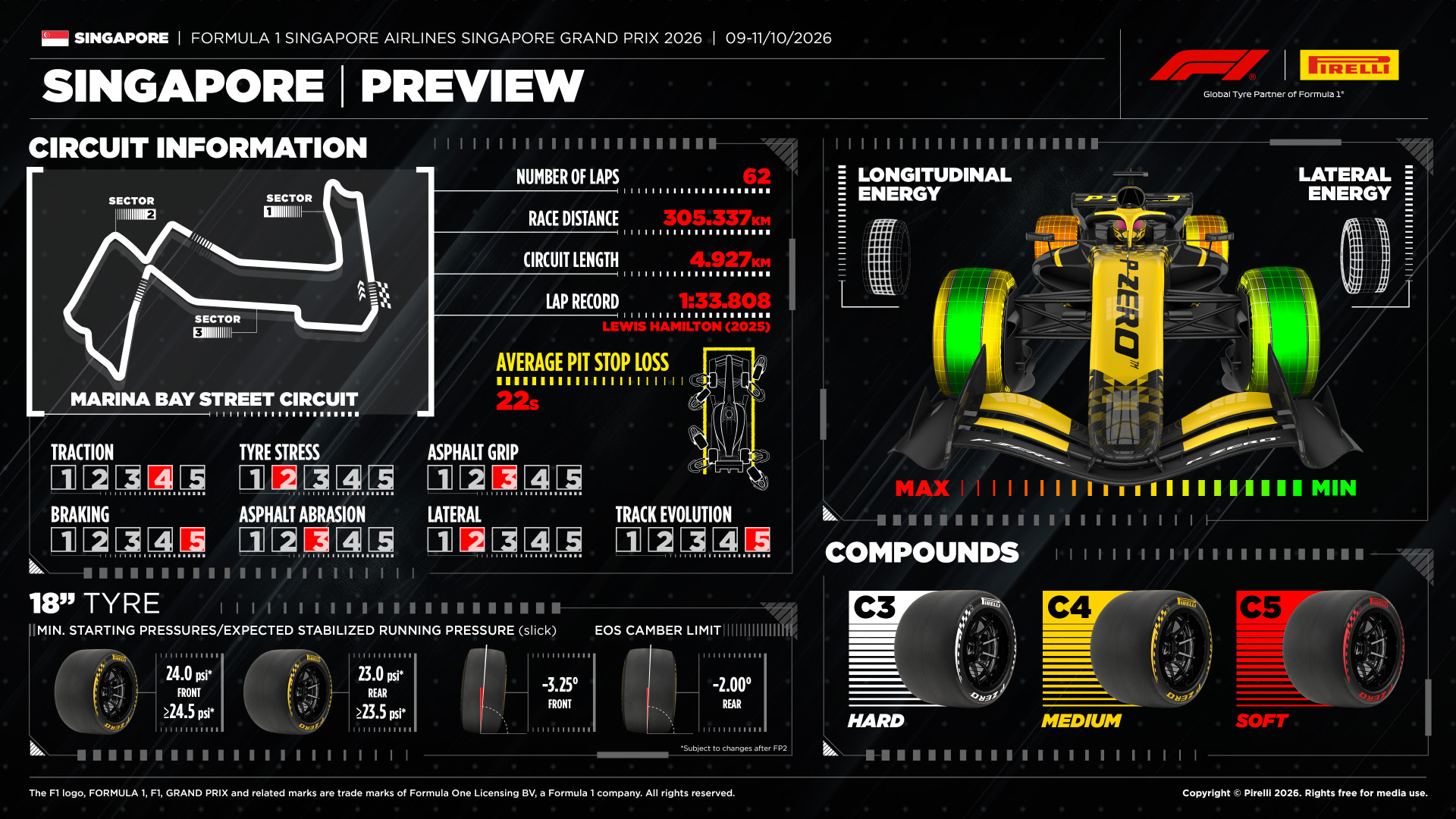
The 4.940-kilometre street circuit is characterised by barriers close to the racing line and limited overtaking opportunities. Changes made to the third sector in 2023 increased the number of high-speed sections, making the lap smoother and faster than before. Although some straights are present, the track remains defined by numerous braking and traction phases across its 19 corners, allowing modern power units to recover energy throughout the lap.
Marina Bay has a medium-to-high level of surface roughness for a street circuit. Since no resurfacing has taken place, values are expected to be broadly in line with last season, if not slightly higher. Track evolution will be significant over the weekend, while intermittent rainfall typical of the equatorial climate can influence grip levels and alter conditions from one session to the next.
The race is held at night, with track temperatures between 30 and 35 °C. Under these conditions, tyres tend to operate within their working window without particular overheating concerns. Mechanical stress is not especially high, and expected degradation will mainly be linked to the normal performance drop-off of the rear axle during traction phases. Graining and wear are also not expected to become limiting factors in race management.
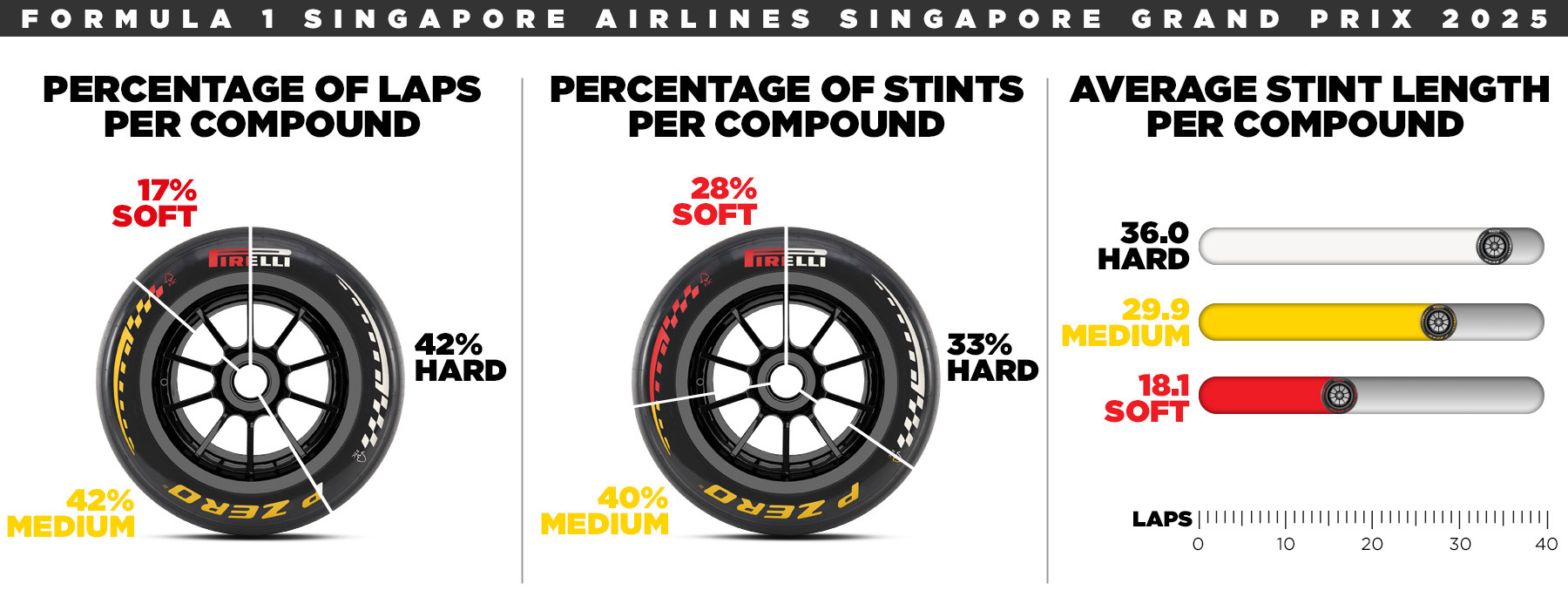
Strategically, Singapore remains one of the races where a one-stop strategy is the preferred option, also considering time lost in the pit lane and the frequent likelihood of neutralisations. While Hard and Medium are again expected to be the reference compounds for the race, the Soft could receive greater consideration on Sunday from more than one team. The softest compound has shown at Budapest, Monza and Baku that it allows drivers to maintain a strong pace thanks to limited degradation, while offering an advantage in grip and confidence. These characteristics could prove even more valuable at a circuit known for significant track evolution.
Latest-generation cars also appear to make better use of softer compounds, allowing the softer end of the range to be used for longer and more competitive stints than in the past. It would therefore come as no surprise to see the red-sidewalled tyre used in Saturday's Sprint or more extensive C5 use throughout the weekend. Medium and Soft were chosen for the opening part of the race, with 14 drivers starting on the C4 and the remainder on the C5, while the Hard was ruled out because the track was still damp after earlier rain. The C3 then became the preferred compound for the second stint, and almost the entire grid completed a one-stop race, with only three drivers opting for two stops.
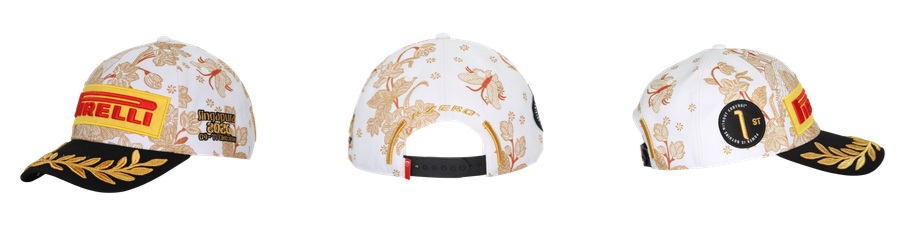
This will be the seventeenth edition of the Singapore Grand Prix, held continuously since 2008 with the only interruption caused by the pandemic in 2020 and 2021. Sebastian Vettel leads drivers with five victories and Lewis Hamilton has four, while Mercedes leads constructors with five wins. The podium cap will feature an orchid-inspired design, celebrated in Singapore for thriving in heat, humidity and heavy rainfall. The special edition Pirelli Podium Cap is produced by Pirelli Design and signed by designer Denis Dekovic.
Tyres Europe Urges Faster, Smarter EU Trade Defence
- By TT News
- October 06, 2026

Tyres Europe has released a position paper urging the European Union to deploy trade defence instruments more strategically and responsively. The paper argues that measures must remain effective after adoption and tackle distortions that shift across countries, companies and value chains.
The bloc's tyre sector relies heavily on capital investment and specialised know-how, supporting more than 70 manufacturing sites, retreading operations included, plus roughly 20 R&D hubs. Of the approximately 398 million tyres fitted across the EU during 2024, close to 40 percent came from outside the Union. Meanwhile, nine European plant closures have been announced over the last two years, putting over 4,400 jobs at risk.
Two recent episodes underscore the gaps. In the passenger car and light truck tyre case involving China, Brussels launched its probe in May 2025, yet definitive duties did not land until 8 July 2026, by which time sourcing had already migrated elsewhere. For truck and bus tyres, the pressure surfaced only after the 2018 measures took hold. China's share of EU27 and UK imports tumbled from 73 percent in 2017 to under 21 percent by 2019, but Thailand and Vietnam together surged from below 3 percent in 2017 to almost 61 percent in the first five months of 2026. Both cases show trade patterns moving faster than Europe's response, whether before or after duties.
The paper presses the European Commission to move sooner, keep measures potent post-adoption and act as one coordinated system. That entails wiring monitoring, industry insight, investigations and enforcement together from the earliest signal, running systematic post-measure tracking and industry dialogue and aligning trade defence with the Foreign Subsidies Regulation, investment screening and procurement. It further recommends starting work now on a supplementary, WTO-compatible answer to systemic distortions.
Kenda Launches K-SERIES RIPPER Tyre For Trail And All-Mountain Riders
- By TT News
- October 06, 2026
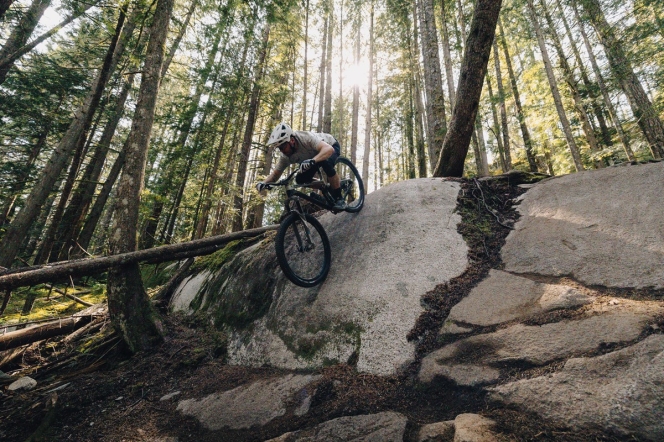
Kenda Tires has introduced the KENDA K-SERIES RIPPER, a new tyre aimed at modern trail and all-mountain riders seeking speed, control and confidence across varied terrain. The model combines an aggressive yet fast-rolling tread design with dual-layer compound technology and a durable Trail Casing, positioning it as a versatile option from hardpack trails to technical descents.
The RIPPER is intended to fill the space between lightweight cross-country and downcountry tyres and heavier enduro offerings. According to Kenda, it addresses demand for a tyre that climbs efficiently, corners predictably and remains reassuring when trails become difficult, giving riders a single do-it-all solution.
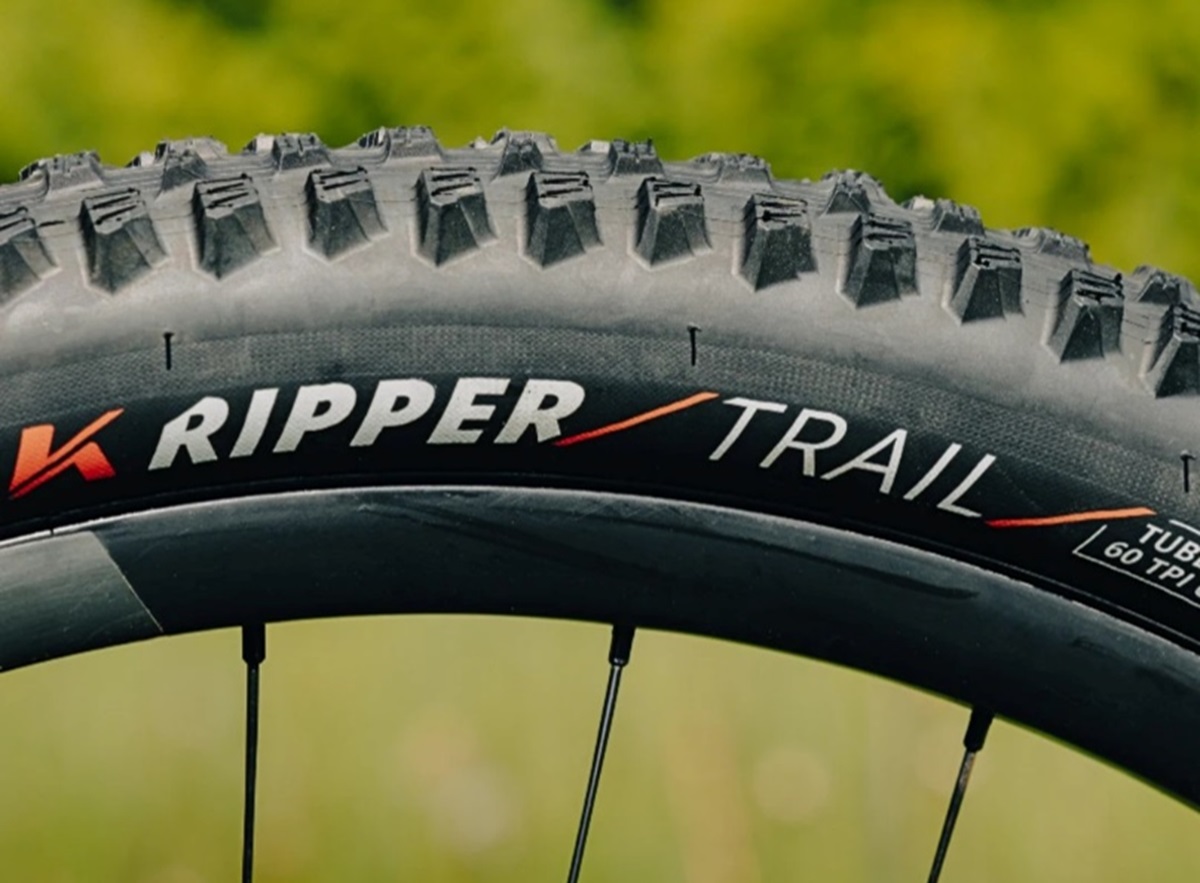
Its neutral-void tread pattern is designed to balance rolling efficiency with traction. Large, broad-based knobs support braking performance and cornering stability, while the layout aims to deliver predictable handling as conditions change. A dual-layer compound pairs a high-traction trail compound with a fast-rolling base layer, enhancing grip on loose or technical ground while preserving efficiency and durability.
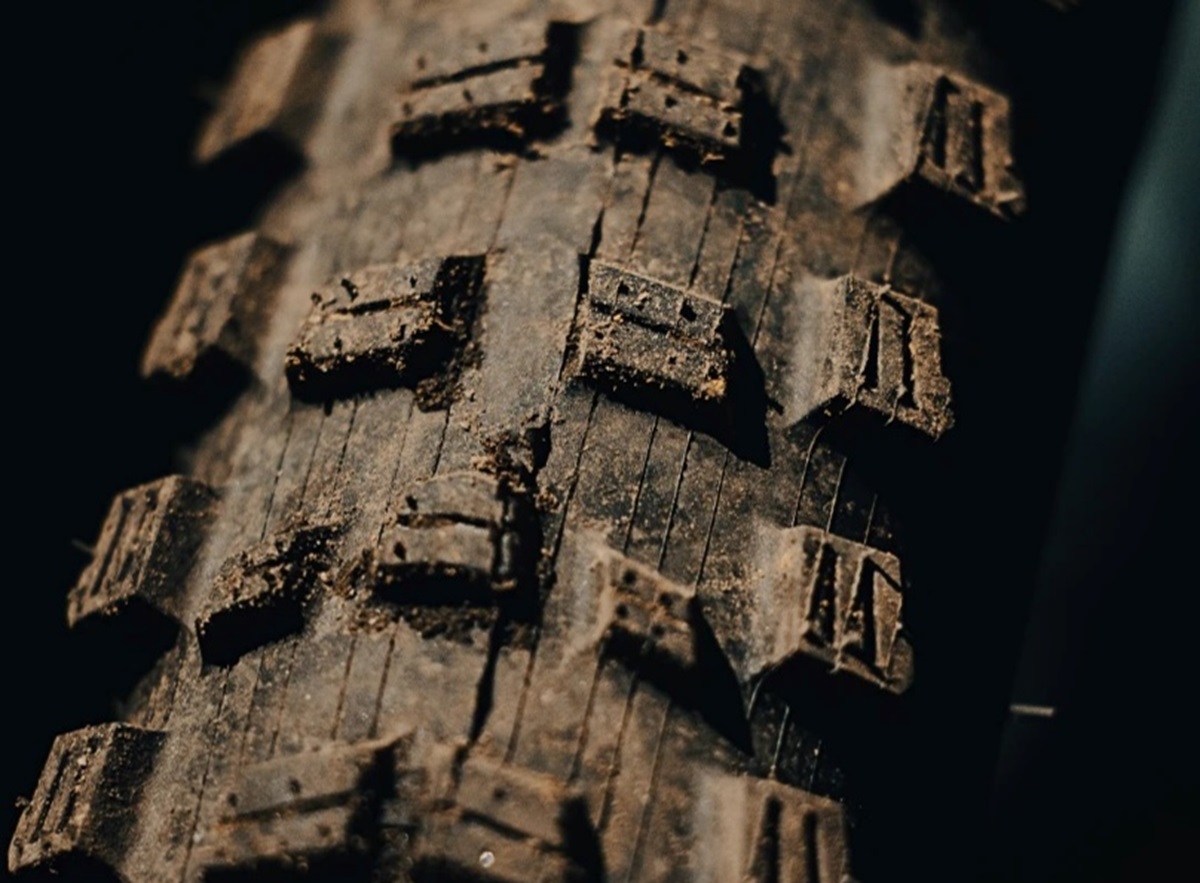
A robust Trail Casing is said to balance protection, durability and ride quality for aggressive trail riding and modern e-MTB use. An optimised 62 mm casing and tread width, a stable casing profile and optimised mould design contribute to confidence at the limit. Kenda describes the result as a long-lasting, high-mileage tyre combining speed, grip and durability for riders unwilling to choose between efficiency and capability.

- The Tire Industry Project
- TIP
- Dr Willie Peijnenburg
- Leiden University
- Dutch National Institute for Public Health and the Environment
- RIVM
- Dr John Spengler
- Harvard TH Chan School of Public Health
- Dr Iseult Lynch
- University of Birmingham
The Tire Industry Project Appoints Willie Peijnenburg To Its Advisory Committee
- By TT News
- October 06, 2026

The Tire Industry Project (TIP) has appointed Dr Willie Peijnenburg to its external Assurance Group (AG), an independent advisory committee that guides the organisation's research programs.
Dr Peijnenburg serves as Professor of Environmental Toxicology and Biodiversity at Leiden University in the Netherlands and works as a Senior Researcher at the Dutch National Institute for Public Health and the Environment (RIVM).
His academic work covers environmental risk assessment, ecotoxicology, predictive modelling and the behaviour of emerging contaminants in ecosystems. He joins five other independent members on the committee.
"Questions around environmental emissions, chemical safety and the sustainability of mobility systems are becoming increasingly important. I was drawn to TIP’s Assurance Group by the opportunity to contribute to conversations that have real-world relevance. I look forward to working with fellow Assurance Group members to support robust, transparent science and evidence-based decision-making." said Dr Peijnenburg.
The organisation also announced the departure of committee members Dr John Spengler of the Harvard TH Chan School of Public Health and Dr Iseult Lynch of the University of Birmingham, noting their contributions to the research oversight body.

Comments (0)
ADD COMMENT