

- Hankook Tire
- Hankook Tire Hungary
- Hankook Tyres
- Key Supporter of Saint Pantaleon Hospital
- Semmelweis Day
Hankook Tire Hungary Honoured With ‘Key Supporter Of Saint Pantaleon Hospital’ Award
- By TT News
- July 09, 2025
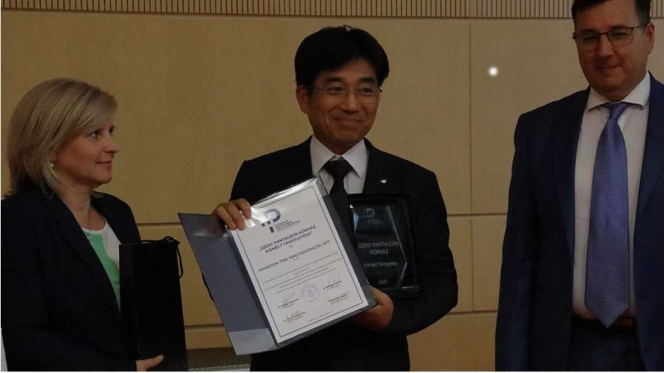
Hankook Tire Hungary Ltd received the ‘Key Supporter of Saint Pantaleon Hospital’ award during the hospital's Semmelweis Day ceremony in Dunaújváros, Hungary. This recognition highlights the company's longstanding commitment to enhancing local healthcare quality through consistent contributions.
Marking a new tradition, this year's ceremony expanded beyond honouring healthcare workers to acknowledge institutional supporters. Hankook earned this distinction through multiple initiatives, including recent equipment donations for the paediatric ward and installation of a nurse call system in the surgical department. The company's support extends to previous years' projects such as ventilator procurement, maternity ward renovations, and pandemic-related protective equipment donations.
The award coincides with Hungary's annual Healthcare Day celebrations on 1 July, which since 1992 has honoured medical professionals nationwide. By recognising Hankook's sustained community involvement, Saint Pantaleon Hospital underscores the vital role of corporate partnerships in maintaining quality healthcare services.
Dr Örs Szilágyi, Director General of the Saint Pantaleon Hospital, said, “We are very grateful for the help and commitment of Hankook Tire Hungary. We are working together for a joint goal to improve continuously the standard of healthcare and thus create value for local citizen, help them in maintaining their health and in getting better. Hankook’s Corporate Social Responsibility sets an example to all. We are happy to award Hankook Tire Hungary Ltd as the first company with the ’Key Supporter of Saint Pantateon Hospital’ award.
Receiving the award from Dr Szilágyi on behalf of the company, Ho Taek Lim, Managing Director of Hankook Tire's Hungary Plant, said, “We are honoured to receive this recognition from Saint Pantaleon Hospital. At Hankook, we believe in long-term partnerships and consider the health of the people living here, our employees and their families to be our most important investment, which is why we intend to continue supporting local initiatives and institutions in the future.”
Yokohama Inaugurates First Phase Of $500 Million Manufacturing Facility In Mexico’s Coahuila
- By TT News
- November 24, 2026
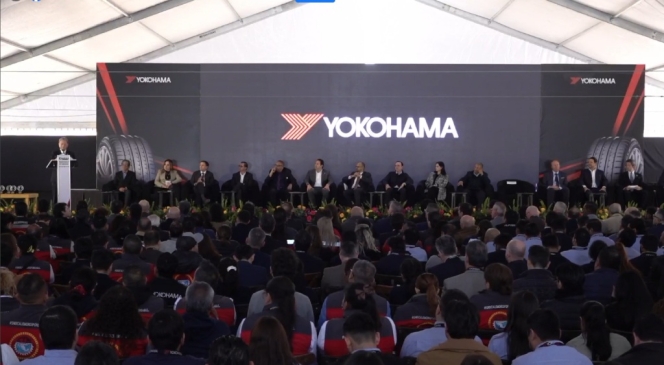
Japanese tyre major Yokohama Rubber is strengthening its manufacturing footprint in Mexico with a phased investment of approximately USD 500 million in a new tyre production complex in Coahuila, Mexico.
The new facility is positioned as a strategic base for supplying the Americas and expanding its presence in passenger car and off-the-road (OTR) tyre segments.
The Japanese tyre manufacturer inaugurated the first phase of its Derramadero facility in Saltillo, Coahuila, on 23 November 2026, while simultaneously initiating the next phase of expansion. The project marks a significant step in Yokohama's strategy to strengthen regional manufacturing, improve supply-chain responsiveness and tap opportunities across North American and Latin American markets.
Located within the Alianza Industrial Park, the facility is being developed across approximately 610,000 sqmt and will combine passenger car tyre production with manufacturing capabilities for off-road tyres catering to mining, construction and agricultural applications.
Masataka Yamaishi, Chairman & CEO, Yokohama Rubber Co, said, “Today marks a momentous milestone for Yokohama Group as we celebrate the grand opening of the first phase of passenger car tyre plant and the ground breaking of phase two of off-highway tyre facility in Saltillo. Establishing this manufacturing footprint in North America is a cornerstone of our global strategy enabling us to shorten lead time and deliver unmatched value to our customers across Americas.”
The first phase is designed to produce passenger car tyres, with an annual capacity of five million units at full utilisation. The second phase, scheduled to begin operations in 2028, will focus on off-the-road tyres, adding approximately 10,650 tonnes of annual production capacity, measured by rubber weight.
The expansion follows Yokohama's acquisition of Goodyear's off-the-road tyre business in 2025, which has strengthened its global position in the specialised tyre segment. The Mexican facility will play an important role in integrating the acquired business, expanding production capacity and improving supply efficiency.
Mexico's strategic location, established automotive manufacturing ecosystem, connectivity with the US through road and rail infrastructure and availability of skilled manpower were key considerations behind Yokohama's investment. The facility is expected to enable the company to serve customers more efficiently, reduce supply lead times and strengthen its competitiveness in the Americas.
The expansion is also expected to deepen Yokohama's engagement with the regional supplier ecosystem, creating opportunities for local sourcing, employment and industrial development. The combined project is expected to generate approximately 1,500 jobs, further strengthening Coahuila's automotive and manufacturing ecosystem.
Kuraray Secures SBTi Validation For 2035 GHG Emissions Reduction Targets
- By TT News
- November 24, 2026

Kuraray Co., Ltd. has announced that the Science Based Targets initiative (SBTi) has validated the Kuraray Group’s 2035 greenhouse gas (GHG) emissions reduction targets as science-based. The SBTi is an international body that assesses corporate GHG reduction goals for alignment with the Paris Agreement.
The validation covers two target areas. For Scope 1 and 2 emissions, the group aims to cut GHG emissions by 63.0 percent by 2035 relative to a 2021 baseline. For Scope 3 Category 1 emissions, the corresponding reduction target is 37.5 percent over the same period.
The Kuraray Group said it will pursue these goals through energy conservation, expanded use of renewable energy and related measures. The company framed the validated targets as part of its broader contribution to realising a decarbonised society.
Xingda Takes Centre Stage As Michelin's Strategic Sustainability Partner At 2026 CIIE
- By TT News
- November 24, 2026
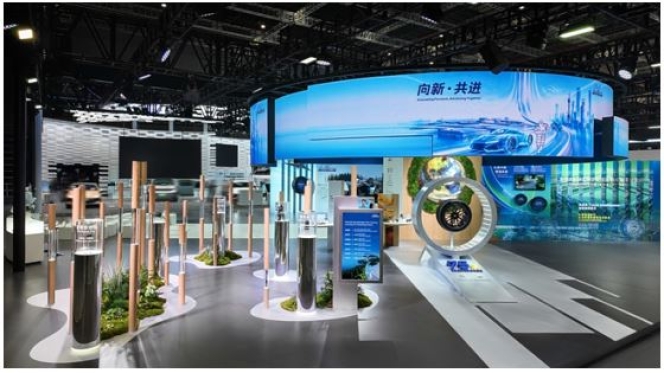
Xingda Group took centre stage at the ninth China International Import Expo (CCIE) in Shanghai as a key strategic and sustainability ecosystem partner of Michelin, with Vice President and Head of Sustainability Ye Wei leading its delegation to the event. Michelin marked its sixth appearance at the expo under the theme ‘Innovating Forward, Advancing Together’, unveiling a tyre made with 75 percent renewable and recycled materials in its Asia debut.
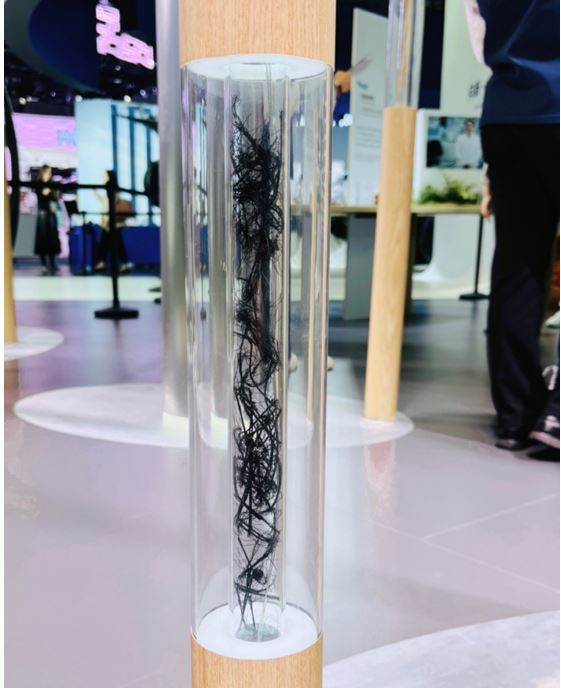
The display underscored Michelin’s green material technologies and its steady progress towards producing tyres entirely from renewable and recycled sources by 2050. At the Michelin booth, Xingda presented recycled-steel wire products tied to a joint high-recycled-content steel project, with Ye Wei walking visiting guests through the end-to-end manufacturing process.
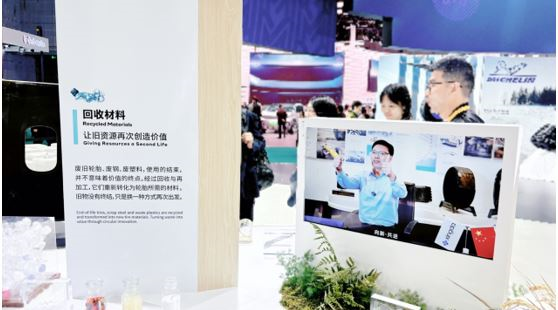
Xingda’s industrial practice demonstrated that steel cord is no longer a disposable consumable but a green core material capable of being recycled and reused in a sustainable loop. The two companies have long collaborated on low-carbon product development, circular economy initiatives and low-carbon supply chain building, while Xingda advances recycled steel adoption, product carbon footprint accounting and ISCC PLUS certification.
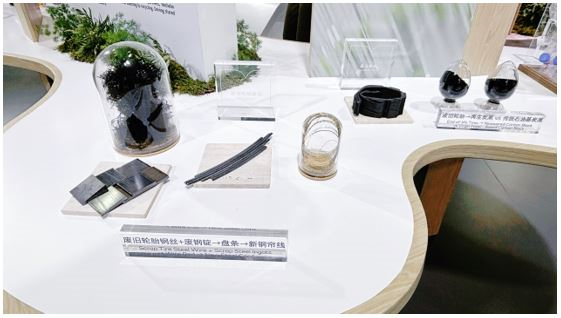
The Group has established a full closed loop spanning end-of-life tyre collection, recycled steel production, and manufacturing of green steel cord and bead wire. Its low-energy, low-carbon reinforcing materials support commercialisation of tyres with high renewable content, combining safety with sustainability. Xingda will continue working with industrial chain partners to strengthen the green materials supply chain and drive the tyre industry’s low-carbon transformation.
Continental Mulls Discontinuing Operations At Gqeberha Tyre Plant In South Africa
- By TT News
- November 24, 2026
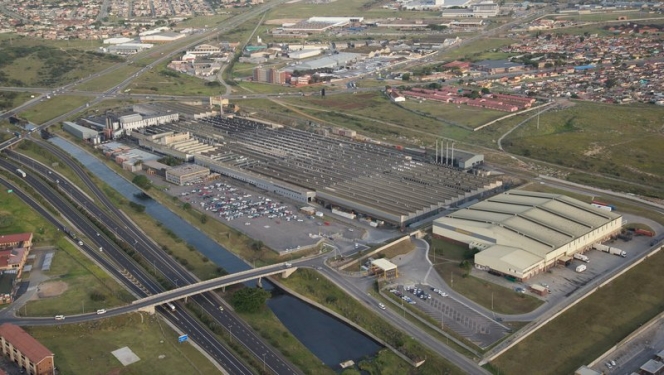
Continental has signalled that it may halt tyre manufacturing at its Gqeberha facility in South Africa, a move driven by sustained underutilisation of local production capacity that has persisted for several years despite extensive turnaround initiatives. The situation has been worsened by mounting price competition from low-cost imports and increasingly difficult market conditions, placing roughly 950 employees at potential risk.
In line with Section 189A of South Africa's Labour Relations Act, the company has launched a formal consultation process aimed at examining viable alternatives and discussing ways to soften the potential impact on workers. Should no workable alternative emerge from those talks, operations at the site could cease by early 2027. Continental has pledged to maintain open and constructive dialogue throughout, acknowledging the significant uncertainty the proposal creates for employees and committing to transparency and respect for every individual affected, while expressing sincere appreciation for the dedication, professionalism and contributions of the Gqeberha workforce.
Despite the possible production changes, the African continent and South Africa remain important markets for Continental, which intends to keep serving customers and sustaining its commercial presence across the region. The local sales organisation will continue operating from Gqeberha as usual, and the BestDrive retail network will remain unaffected by any potential changes to manufacturing operations.
Tyre production has taken place at the plant since 1947, with Continental-branded tyres manufactured there from 1985 for South African automotive manufacturers and the African replacement market. Yet the facility has confronted persistent competitive and operational difficulties, including low-cost import pressure, rising energy costs, supply chain disruptions and increasingly fragile infrastructure, all of which have raised manufacturing costs and complicated forward planning, leaving capacity significantly underused in recent years.
Comments (0)
ADD COMMENT