

Kenda Launches K-SERIES RIPPER Tyre For Trail And All-Mountain Riders
- By TT News
- October 06, 2026

Kenda Tires has introduced the KENDA K-SERIES RIPPER, a new tyre aimed at modern trail and all-mountain riders seeking speed, control and confidence across varied terrain. The model combines an aggressive yet fast-rolling tread design with dual-layer compound technology and a durable Trail Casing, positioning it as a versatile option from hardpack trails to technical descents.
The RIPPER is intended to fill the space between lightweight cross-country and downcountry tyres and heavier enduro offerings. According to Kenda, it addresses demand for a tyre that climbs efficiently, corners predictably and remains reassuring when trails become difficult, giving riders a single do-it-all solution.
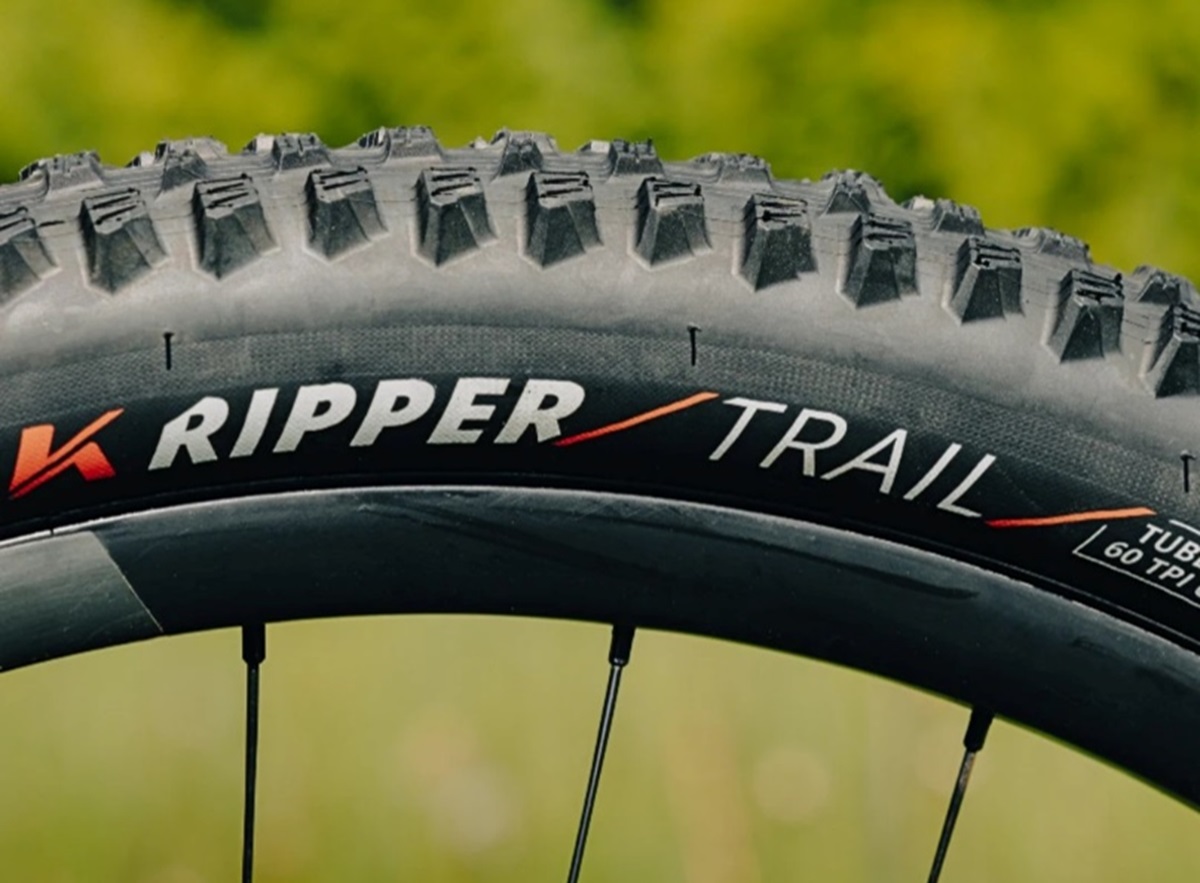
Its neutral-void tread pattern is designed to balance rolling efficiency with traction. Large, broad-based knobs support braking performance and cornering stability, while the layout aims to deliver predictable handling as conditions change. A dual-layer compound pairs a high-traction trail compound with a fast-rolling base layer, enhancing grip on loose or technical ground while preserving efficiency and durability.

A robust Trail Casing is said to balance protection, durability and ride quality for aggressive trail riding and modern e-MTB use. An optimised 62 mm casing and tread width, a stable casing profile and optimised mould design contribute to confidence at the limit. Kenda describes the result as a long-lasting, high-mileage tyre combining speed, grip and durability for riders unwilling to choose between efficiency and capability.

Tyres Europe Urges Faster, Smarter EU Trade Defence
- By TT News
- October 06, 2026

Tyres Europe has released a position paper urging the European Union to deploy trade defence instruments more strategically and responsively. The paper argues that measures must remain effective after adoption and tackle distortions that shift across countries, companies and value chains.
The bloc's tyre sector relies heavily on capital investment and specialised know-how, supporting more than 70 manufacturing sites, retreading operations included, plus roughly 20 R&D hubs. Of the approximately 398 million tyres fitted across the EU during 2024, close to 40 percent came from outside the Union. Meanwhile, nine European plant closures have been announced over the last two years, putting over 4,400 jobs at risk.
Two recent episodes underscore the gaps. In the passenger car and light truck tyre case involving China, Brussels launched its probe in May 2025, yet definitive duties did not land until 8 July 2026, by which time sourcing had already migrated elsewhere. For truck and bus tyres, the pressure surfaced only after the 2018 measures took hold. China's share of EU27 and UK imports tumbled from 73 percent in 2017 to under 21 percent by 2019, but Thailand and Vietnam together surged from below 3 percent in 2017 to almost 61 percent in the first five months of 2026. Both cases show trade patterns moving faster than Europe's response, whether before or after duties.
The paper presses the European Commission to move sooner, keep measures potent post-adoption and act as one coordinated system. That entails wiring monitoring, industry insight, investigations and enforcement together from the earliest signal, running systematic post-measure tracking and industry dialogue and aligning trade defence with the Foreign Subsidies Regulation, investment screening and procurement. It further recommends starting work now on a supplementary, WTO-compatible answer to systemic distortions.
- The Tire Industry Project
- TIP
- Dr Willie Peijnenburg
- Leiden University
- Dutch National Institute for Public Health and the Environment
- RIVM
- Dr John Spengler
- Harvard TH Chan School of Public Health
- Dr Iseult Lynch
- University of Birmingham
The Tire Industry Project Appoints Willie Peijnenburg To Its Advisory Committee
- By TT News
- October 06, 2026

The Tire Industry Project (TIP) has appointed Dr Willie Peijnenburg to its external Assurance Group (AG), an independent advisory committee that guides the organisation's research programs.
Dr Peijnenburg serves as Professor of Environmental Toxicology and Biodiversity at Leiden University in the Netherlands and works as a Senior Researcher at the Dutch National Institute for Public Health and the Environment (RIVM).
His academic work covers environmental risk assessment, ecotoxicology, predictive modelling and the behaviour of emerging contaminants in ecosystems. He joins five other independent members on the committee.
"Questions around environmental emissions, chemical safety and the sustainability of mobility systems are becoming increasingly important. I was drawn to TIP’s Assurance Group by the opportunity to contribute to conversations that have real-world relevance. I look forward to working with fellow Assurance Group members to support robust, transparent science and evidence-based decision-making." said Dr Peijnenburg.
The organisation also announced the departure of committee members Dr John Spengler of the Harvard TH Chan School of Public Health and Dr Iseult Lynch of the University of Birmingham, noting their contributions to the research oversight body.
Axens Wins Process Design Package Contract For US TPO Hydroprocessing Project
- By TT News
- October 06, 2026

Axens, a global process technology leader in refining, petrochemicals and circular economy applications, has been chosen by a US-based investor and project developer to supply a Process Design Package for a hydroprocessing unit. This unit is engineered to process 100 percent tyre pyrolysis oil (TPO), marking a significant step in alternative feedstock upgrading.
The broader project encompasses a local end-of-life tyre valorisation facility that integrates pyrolysis technology alongside the TPO-upgrading hydroprocessing unit. The operation will yield low-sulphur fuel for the domestic market, capped at a maximum sulfur content of 500 ppm. Currently in the FEED phase, the project anticipates a Final Investment Decision in 2027. Axens tailored the design package to meet specific product quality targets and site conditions, drawing on its hydroprocessing expertise and catalyst portfolio to enhance operational performance and product quality.
The developer's selection of Axens hinged on the company's extensive experience with hydroprocessing and upgrading projects involving alternative feedstocks. Axens' track record includes over 300 proven hydroprocessing references globally, covering applications such as Distillate Hydrotreating (Prime-D), Waste Lube Recycling (Revivoil) and Waste Plastic Pyrolysis Oil Hydroprocessing (Rewind Mix). The client particularly valued Axens' capacity to tackle TPO processing challenges and impurity management, alongside its proven project delivery capabilities as an experienced technology licensor.
The initiative delivers economic advantages while addressing a mounting waste management issue. By converting end-of-life tyres into valuable products, it fosters more resource-efficient value chains and supports local economic objectives through the production of transportation fuels.
Jean-Luc Nocca, Executive Vice-President Commercial Business Division, said, "This project highlights the growing interest in converting end-of-life tyres into valuable transportation fuels through robust and reliable upgrading technologies. We are proud to support our client with a tailored process design package that builds on Axens’ proven ability to address the specific challenges associated with tyre pyrolysis oil. This selection reinforces the versatility of our technologies in enabling circular economy solutions while delivering products that meet market and environmental requirements."
Wallace Instruments Sets Up West African Base To Back TSR Supply Chain
- By TT News
- October 05, 2026

Wallace Instruments has launched Wallace Instruments West Africa, a new Abidjan-based entity extending the UK materials testing equipment maker’s support for natural rubber producers across the region. The operation places servicing, calibration, spare parts and technical expertise closer to an established West African customer base that depends on Wallace instruments for plasticity, PRI and viscosity testing. The move is intended to shorten turnaround times and foster lasting local relationships.
Côte d’Ivoire, West Africa’s foremost natural rubber producer, ranks among the world’s leading exporters of technically specified rubber (TSR), supplying tyre and rubber product manufacturers globally, including the Americas. Properly maintained and calibrated instruments generate consistent, traceable results at source, strengthening confidence in shipment quality throughout the supply chain.
The Abidjan facility will feature a laboratory and training centre where customers can observe Wallace equipment in action and receive hands-on testing and technical guidance. Technicians trained by Wallace will use OEM calibration kits for fully compliant work, while customs-cleared spare parts stocks will cut lead times. An exclusive local partner will also provide servicing and calibration for other plantation and processing equipment across West Africa.
Chris Norval, Managing Director, Wallace Instruments, said, "Our aim is to bring trusted, traceable quality measurement closer to natural rubber production. Establishing Wallace Instruments West Africa helps our customers maintain reliable testing and strengthen quality control while giving the wider supply chain greater assurance in the test data. We're excited to be building our team locally and look forward to growing with the region."

Comments (0)
ADD COMMENT