

Nexen Tire America Outlines Early-Stage Collaboration As New Standard For OE Tyres
- By TT News
- April 25, 2026

Nexen Tire America has detailed how original equipment tyre development has shifted from a standalone process to an integrated engineering effort conducted alongside new vehicle design. The company explains that modern vehicle complexity, driven by electrification and advanced driver systems, requires tyre engineering to begin in parallel with suspension, chassis and electronic control development. This earlier collaboration allows tyre performance to be optimised for hybrid and electric vehicle demands such as noise reduction, load capacity and rolling resistance.
Aaron Neumann, Head of the Nexen Tire America Technical Center, describes how suppliers must now adopt faster development cycles and deeper technical collaboration. The traditional model of selecting off-the-shelf tyres has been replaced by purpose-built designs tuned to specific safety, handling and efficiency targets. Electric vehicles have added further criteria including range optimisation and tyre noise mitigation.
To manage these demands, Nexen has expanded its use of simulation and modelling technologies. Finite element analysis and data-driven tyre modelling allow engineers to evaluate performance early in the development cycle, reducing the number of physical prototypes required. Despite this digital focus, physical testing remains extensive and includes laboratory procedures such as high-speed endurance, rolling resistance, uniformity, noise and flat-spotting assessments.
On-road validation involves instrumented traction and braking tests, ride and handling evaluations, treadwear analysis and durability testing across varied surfaces and climates. Each tyre’s tread pattern, construction, footprint and profile are refined through iterative testing specific to the target vehicle. While some materials overlap with replacement tyres, original equipment fitments are engineered to balance performance, efficiency and comfort.
Over the past decade, Nexen Tire has more than doubled its original equipment portfolio in North America. This growth is attributed to an engineer-to-engineer collaboration model emphasising transparency and responsiveness. Many technologies developed for original equipment programmes, including advanced compounds and tread designs, are later incorporated into replacement tyres.
For consumers, these behind-the-scenes engineering efforts result in tyres more precisely matched to vehicle performance. Neumann notes that modern tyres rank among the most complex vehicle components, having to deliver safety, efficiency and comfort simultaneously across a wide range of conditions, even if that complexity remains largely invisible to drivers.
Kuraray America Marks National STEM Day With San Jacinto College Event
- By TT News
- November 13, 2026
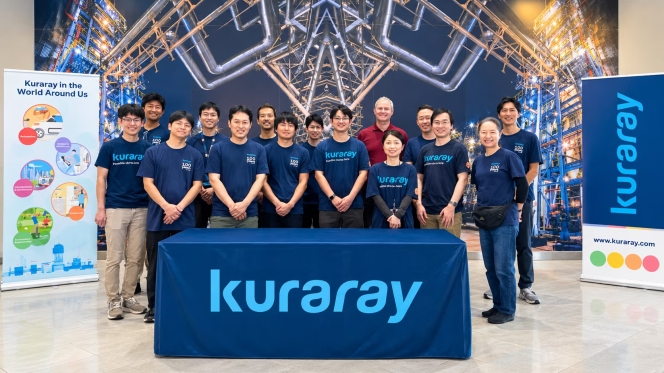
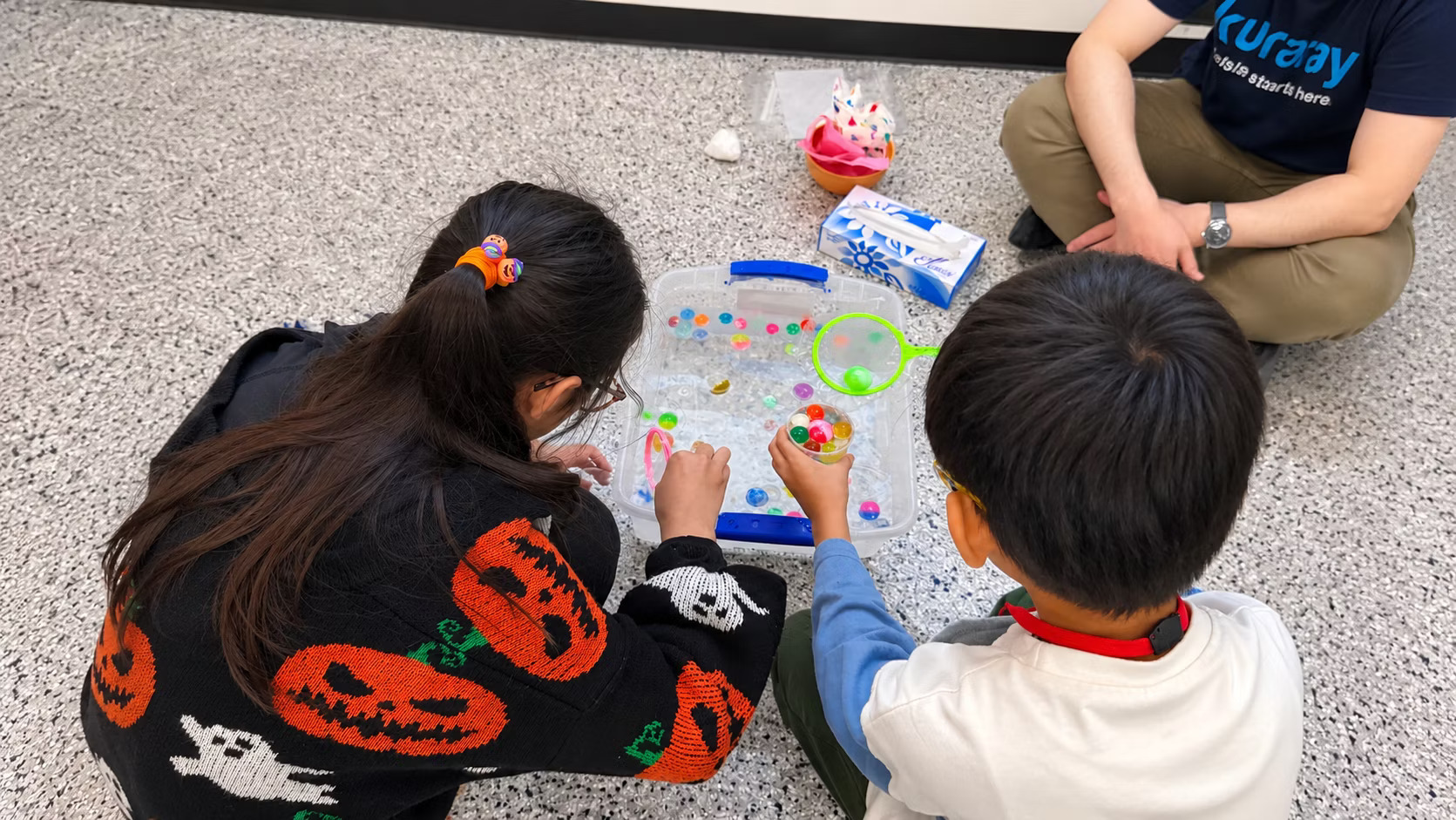
Kuraray America, Inc. marked National STEM Day on 8 November by spotlighting a community educational event that brought together 15 of its volunteers and students from the Houston Japanese Supplementary School at San Jacinto College for a day of hands-on exploration and discovery.
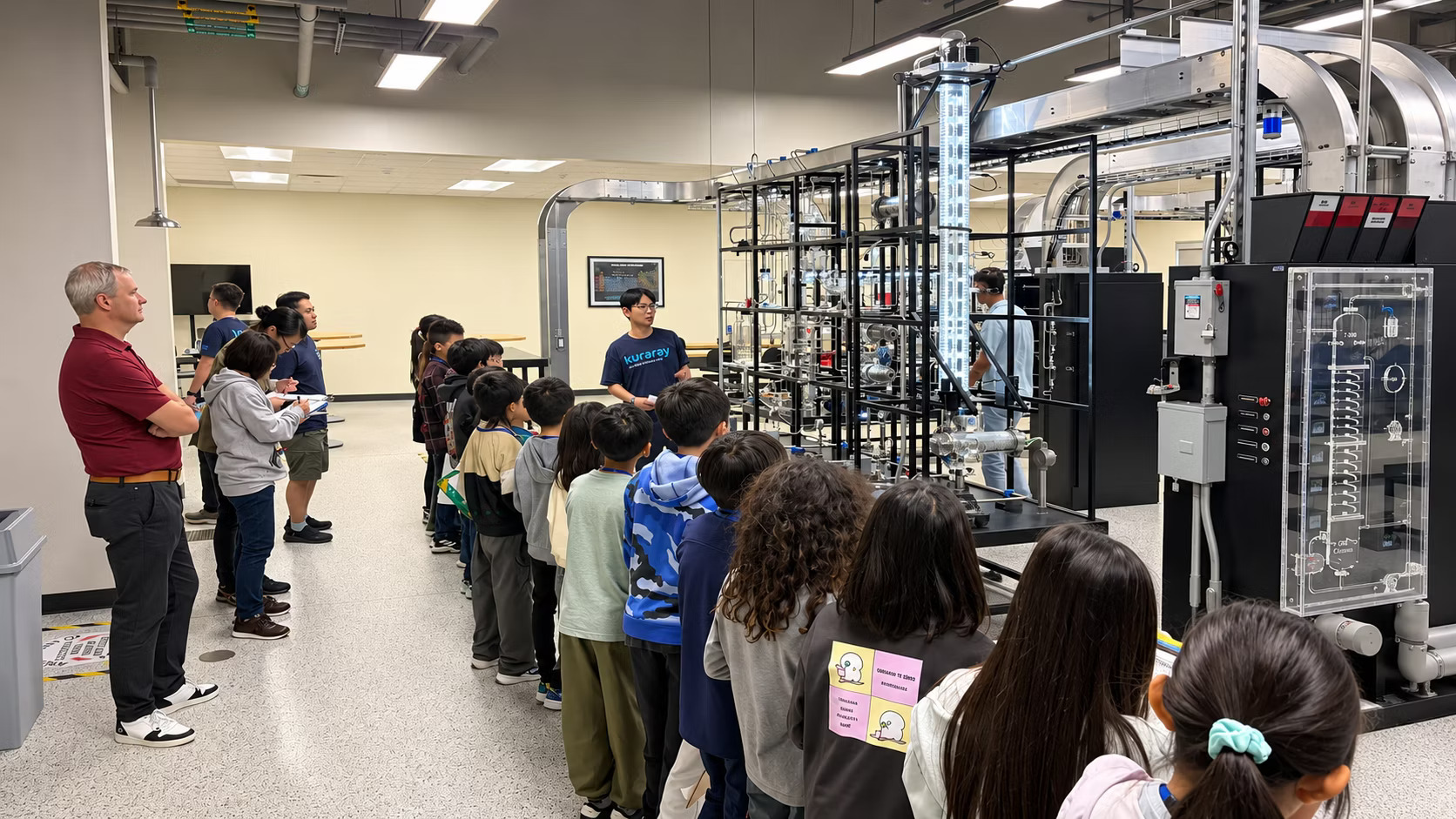
Participants engaged in activities illustrating how science, technology, engineering and mathematics (STEM) converge in chemical manufacturing. Experiments with superabsorbent polymer beads explored chemistry and material properties, while a tour of the college’s facilities introduced industrial equipment. Students also learned about water filtration and distillation processes and how mathematical concepts underpin scientific and engineering applications.
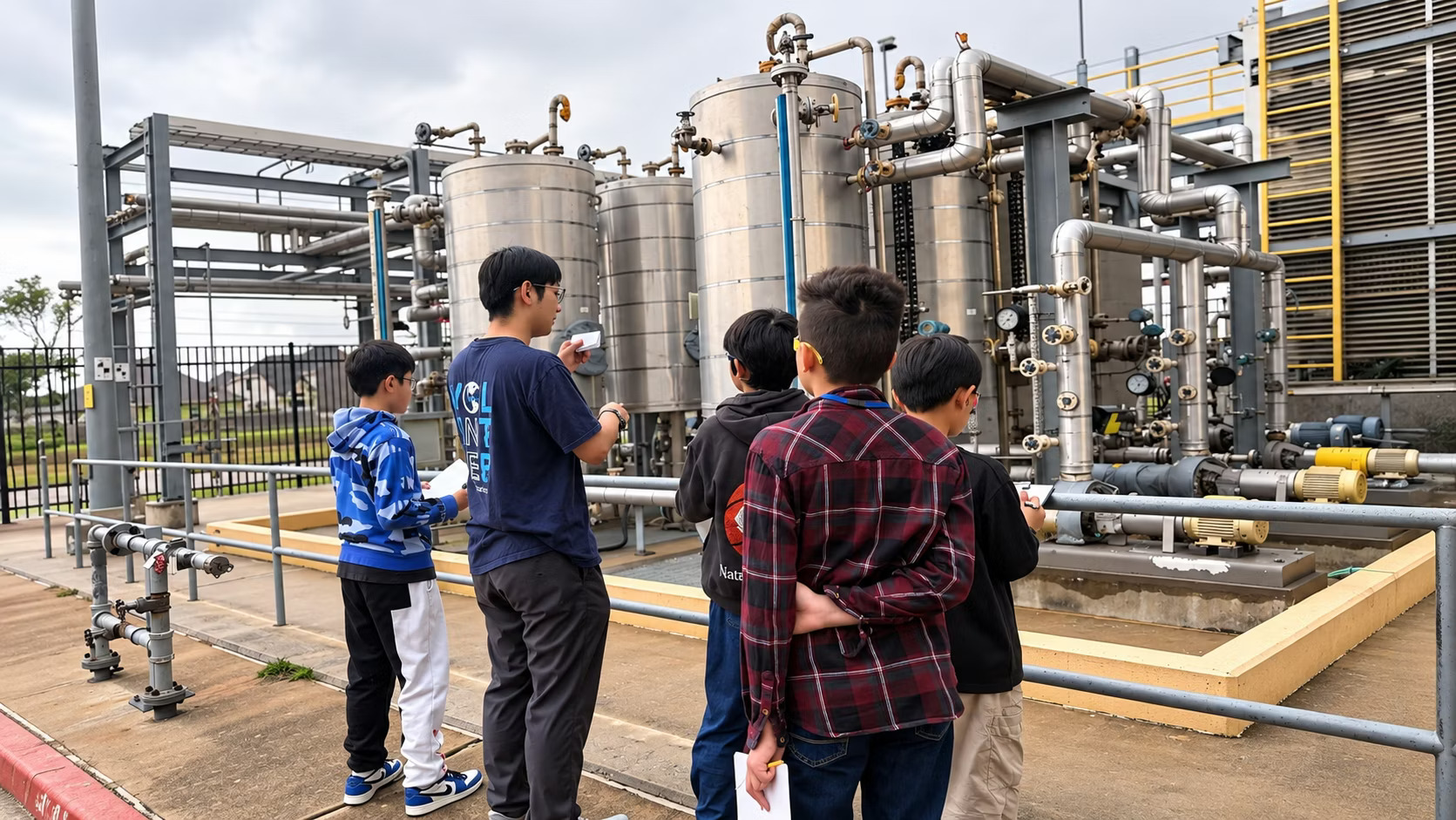
One student showed particular interest in the distillation tower, linking the experience to the Kuraray Group’s contributions to everyday life and its mission of achieving for people and the planet what no one else can. The event also benefited KAI volunteers, who shared technical knowledge, exchanged perspectives and learned alongside potential future scientists and engineers.
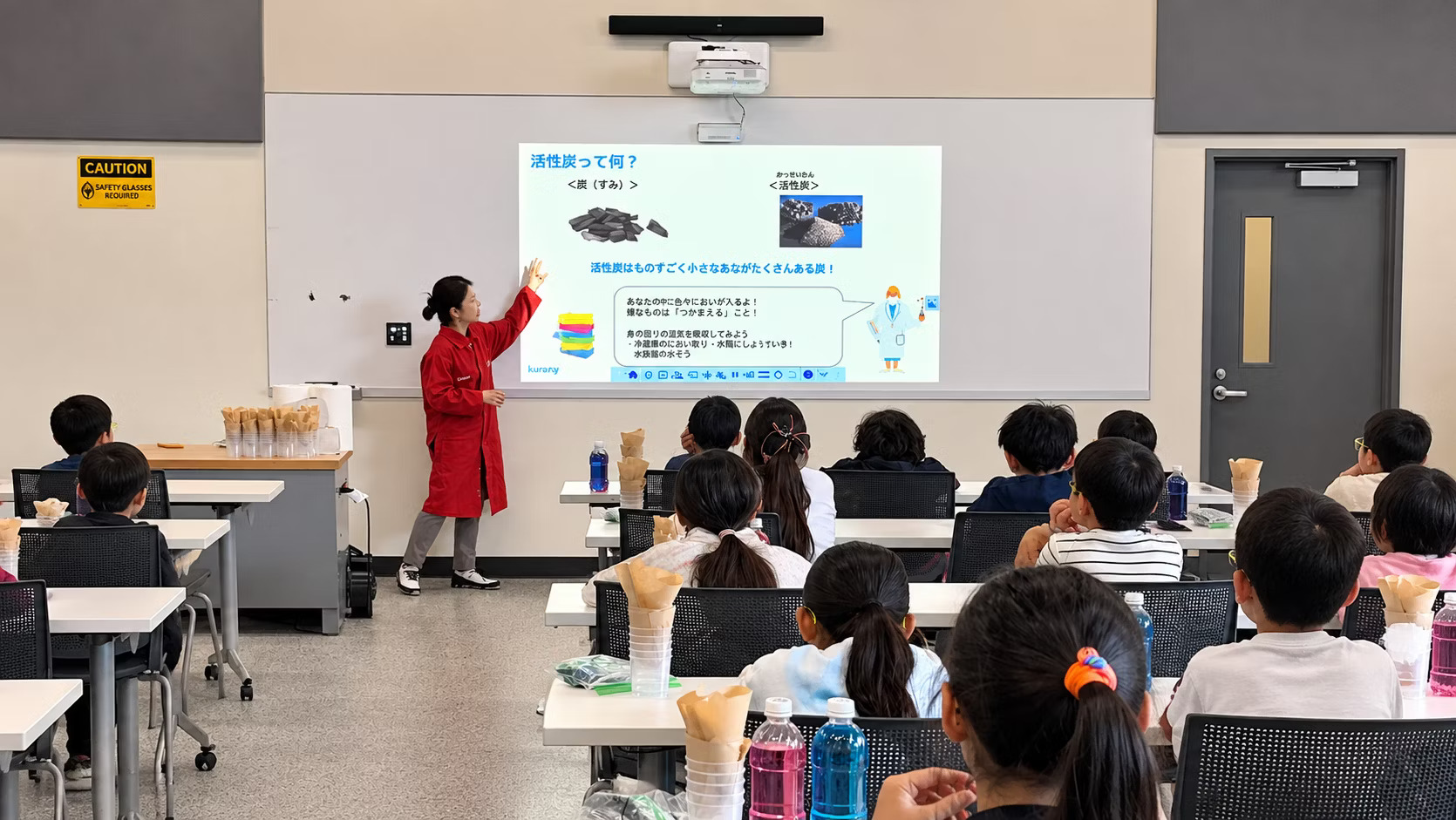
Kuraray America thanked Reiko Fuwa and Tomohiro Tani for coordinating the visit, Hans Vandommele for sharing his expertise and all 15 KAI volunteers. The company also expressed appreciation to San Jacinto College for facility access and to the Houston Japanese Supplementary School students for their curiosity, enthusiasm and thoughtful questions.
Liberty Tire Recycling Showcases Recycling Leadership At SEMA 2026
- By TT News
- November 12, 2026
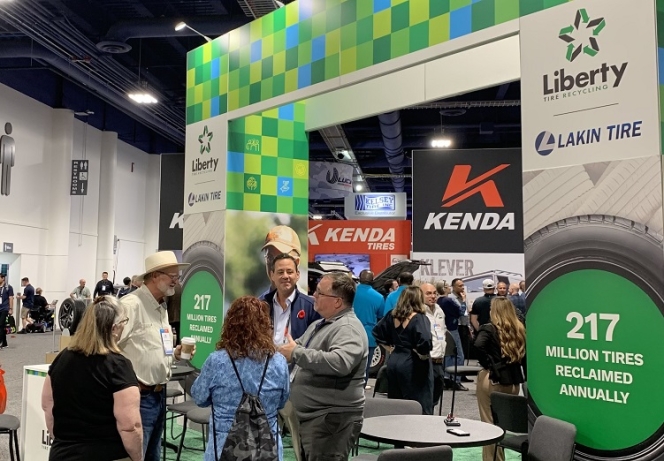
Liberty Tire Recycling attended the 2026 SEMA Show in Las Vegas, held from 3–6 November at the Las Vegas Convention Center. The automotive aftermarket event, one of the industry's largest, drew over 160,000 attendees from the automotive, tyre and transportation sectors to review new products, technologies and business opportunities.
The Lakin Tire brand, a consistent SEMA exhibitor, once again used the show to reinforce industry relationships and present Liberty's tyre collection, recycling and sustainable resource management capabilities. Personnel from Grade/Used Tires, Commercial Truck Tires, Metals, Recycling and Collection, together with corporate and regional leadership, met customers, suppliers and industry professionals from around the world.
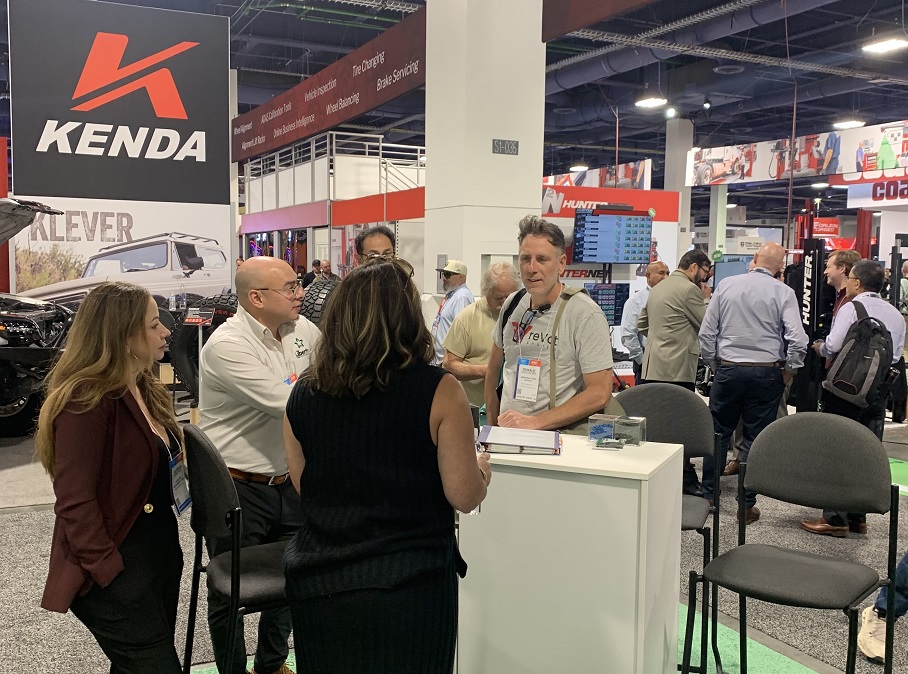
The booth received existing and prospective customers from numerous tyre and automotive segments during the week. Costco Wholesale Corporate Office, United Tires and UTU Wholesale were among the organisations that stopped by to examine Liberty Tire's products, services and nationwide reach. The company viewed the event as an effective forum for monitoring emerging market trends and demonstrating its position in recycling and sustainability, alongside its focus on innovation, workforce development and circular economy principles.
A memorable moment came when a high school shop teacher and students, attending through a special educator programme, toured the booth to learn about tyre recycling and industry operations. Liberty team members provided industry insights, outlined career pathways and acknowledged educators' contribution to developing future skilled trades professionals, supplying tyre inflation gauges for classroom use.
Laufenn G Fit 4S Earns ‘Good’ Rating In Auto Bild Allrad All-Season SUV Tyre Test
- By TT News
- November 12, 2026
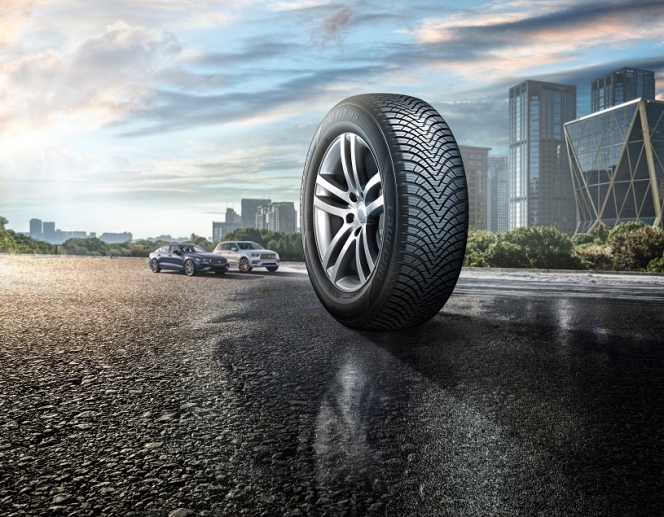
Laufenn, Hankook's associate brand, earned a ‘Good’ ratingwith an overall score of 2.2 for its G Fit 4S in the Auto Bild Allrad all-season SUV tyre test published on 8 October 2026 (issue 41). The tyre competed credibly against 11 rivals from established premium marques, finishing competitively in a 12-strong field.
Wet handling proved a particular strength, with the G Fit 4S collecting the second-highest rating shared with other models. Aquaplaning resistance also impressed, as the tyre held its line until stability began to fade at roughly 100 kmph (62 mph). In snow, it recorded the third-shortest braking distance, matching two other contenders.
Testing spanned snow, wet and dry disciplines, each weighted equally in the final ranking, with a third-generation MINI Countryman serving as the test vehicle. Snow assessments were carried out in New Zealand, while European venues hosted the wet and dry evaluations. The jury's conclusion underscored Laufenn's value-focused positioning, finding the G Fit 4S a solid option for cost-conscious buyers.
Tyres Europe Backs International Standards As Basis For Tyre Recyclability Assessment
- By TT News
- November 12, 2026
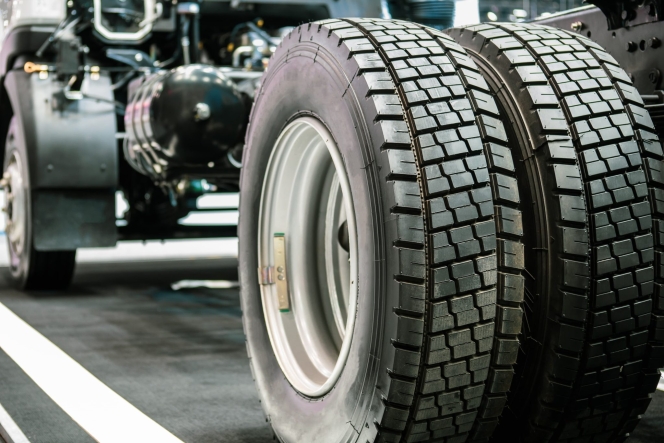
Tyres Europe has underscored that tyres qualify as fully recyclable under ISO 22628:2002 and UN Regulation No. 133, describing the established methodology as a robust foundation for assessing tyre recyclability. The organisation recently set out its position on the matter.
The distinction between recyclability and actual recycling rates is central to the group's argument. Recyclability refers to the technical potential of a product and its materials to be recycled, while the real rate hinges on treatment capacity and demand for secondary raw materials. Regulatory frameworks should therefore separate the two concepts clearly and align with an internationally recognised standard.
Tyres consist of rubber compounds, chemical additives and reinforcing textile and steel cords, and at end of life they are separated into rubber, textile and steel fractions, all of which existing mechanical or chemical routes can recycle. Mechanical processing yields rubber granules and powders usable as secondary raw materials across many applications, recovered textiles can be further processed and valorised, and cleaned recovered steel can re-enter metal recycling and steelmaking.
Tyres Europe pledged continued cooperation with policymakers and value-chain partners to strengthen circularity and maximise recovery of valuable tyre materials in Europe, with the full paper available on its website.
Comments (0)
ADD COMMENT