

Nexen Tire Posts Record Quarterly Revenue As Product Mix Lifts Margins
- By TT News
- May 05, 2026
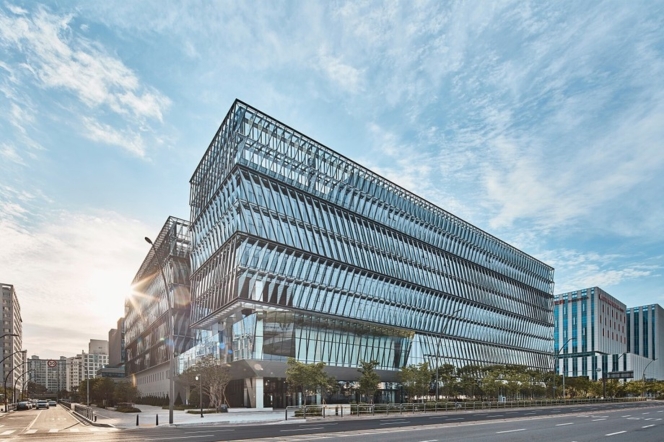
Nexen Tire reported record first-quarter revenue and higher profitability, supported by stronger sales in Europe and North America and a shift towards higher-value products.
The company said revenue rose to KRW 838.3 billion in the three months to March, while operating profit reached KRW 54.2 billion. The increase came despite a “hostile business environment” marked by slowing global demand and geopolitical risks.
Sales were driven by solid performance in key markets, notably Europe and North America. A recent plant expansion in Europe improved production stability, enabling higher volumes from existing customers and new client wins.
Original equipment (OE) sales remained stable, supported by a diversified product portfolio, even as global automotive demand weakened.
Profitability improved on the back of a more favourable product mix and cost controls. The share of high-value products — including premium OE tyres and those for sport utility vehicles and electric vehicles — continued to rise. High-inch tyres, defined as 18 inches and above, accounted for 40 percent of total sales.
The company also said efforts to offset higher raw material and ocean freight costs contributed to margin gains.
Alongside its results, Nexen outlined measures to strengthen its global position, including expanding region-specific product offerings. In South Korea, it launched the high-performance N’FERA Sport and the all-weather N’BLUE 4SEASON 2, following earlier introductions in Europe and the US.
In Latin America and the Asia-Pacific region, Nexen introduced the N’BLUE S summer tyre and pursued partnerships with local distributors to bolster retail competitiveness.
With external uncertainties expected to persist into the second quarter, the company said it would accelerate diversification of its global sales structure while maintaining growth in strategic markets such as Australia and Japan.
Nexen also plans to expand regional distribution centres and advance its AI-based virtual development process using a high dynamic driving simulator introduced last year.
A Nexen Tire official said: “We achieved solid results despite the uncertain business environment. We will continue to respond proactively to market changes while strengthening product competitiveness and operational efficiency to sustain quality growth.”
- AZuR Chemical Recycling Project Group
- AZuR Network
- End-Of-Life Tyres
- Tyre Pyrolysis
- Recovered Carbon Black
- Tyre Pyrolysis Oil
- Pyrolysis Gas
New Research Quantifies Environmental Benefits Of End-Of-Life Tyre Pyrolysis
- By TT News
- October 15, 2026
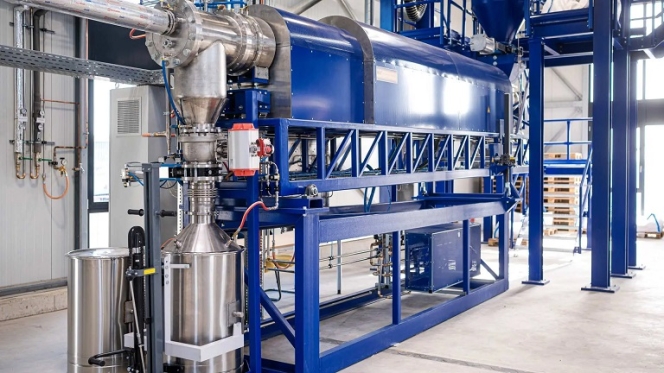
New research findings from a doctoral dissertation by Dr.-Ing. Sebastian Bogdahn examine how end-of-life tyres can yield high-quality recovered carbon black (rCB) through pyrolysis while delivering substantial environmental benefits. The work, titled ‘Production and Environmental Assessment of High-Quality Carbonaceous Materials from End-of-Life Tyre Pyrolysis’, was presented in condensed form at an AZuR Chemical Recycling Project Group meeting in Dillingen/Saar on 1 October 2026.
The dissertation tackles how end-of-life tyres can be recovered and recycled to maximise their value. Pyrolysis is identified as a complementary technology that helps close recycling gaps in the circular economy and offers an alternative to fossil-based carbon black, a material that plays a crucial role in determining tyre properties.
In the pyrolysis process, rubber granules from processed tyres undergo thermal decomposition without oxygen, producing three main streams: solid rCB, tyre pyrolysis oil and pyrolysis gas. Previous evaluations of such technologies often separated technical and environmental perspectives, relied on secondary data and lacked standardised methodologies, making findings difficult to compare.
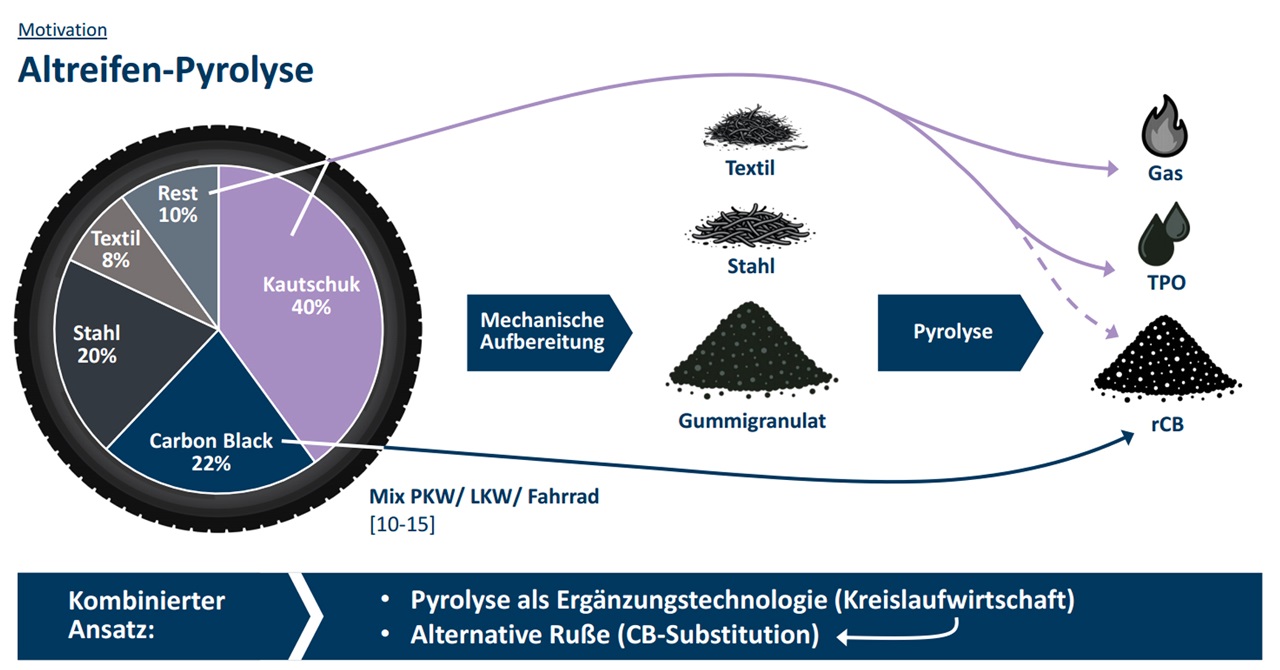
Image credit: Dr.-Ing. Sebastian Bogdahn
Bogdahn overcomes these limitations by integrating a technology-specific process model with a detailed life cycle assessment model. This combination enables a scientifically robust environmental evaluation of pyrolysis and its secondary raw materials using reliable primary data. A central component is a process model that mathematically describes material conversion by combining reaction kinetics, reactor behaviour and mass and energy balances.
Starting with laboratory-scale experiments, the model was scaled up and validated using a pilot-scale rotary kiln at the Institute of TH Köln. Comprehensive laboratory analyses of feedstocks and products supported development and validation. Optimal conditions for the investigated system were found at 650 degrees Celsius with a residence time of about one hour, achieving complete material conversion and high-quality recovered carbon black. Product distribution was roughly 40 percent rCB, 37 percent TPO and 23 percent pyrolysis gas by weight.
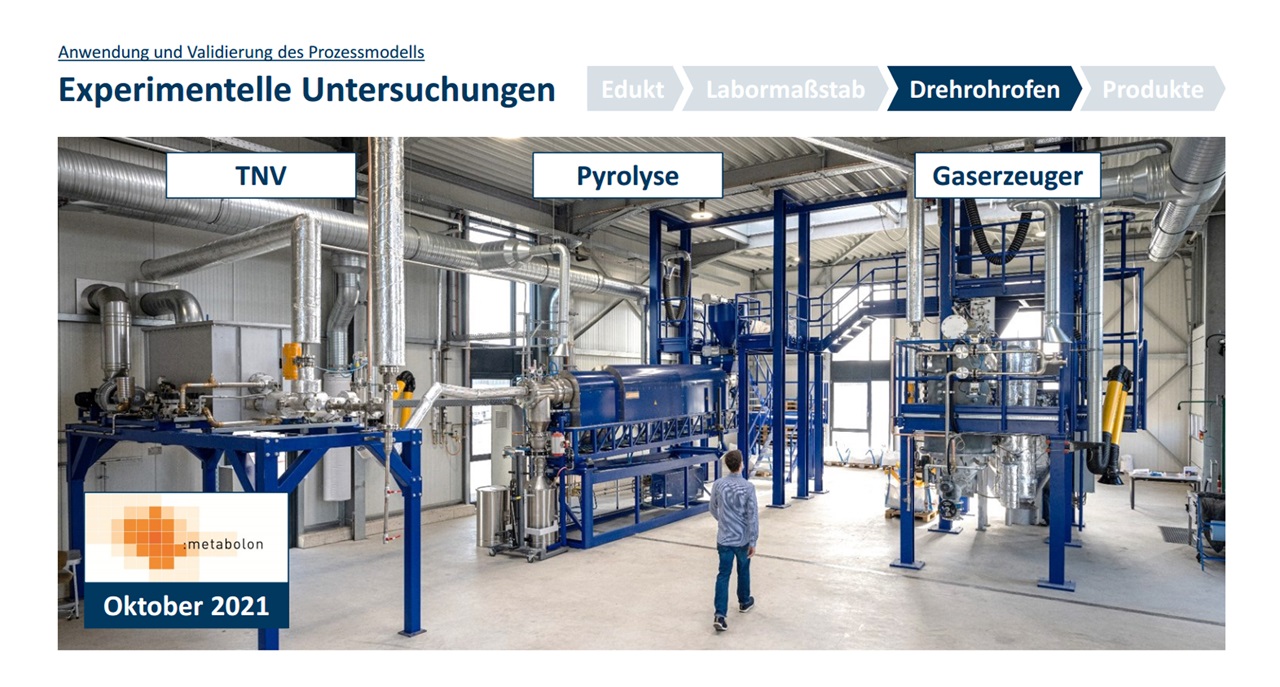
Image credit: Dr.-Ing. Sebastian Bogdahn
Using validated primary data, Bogdahn conducted a comprehensive environmental assessment and developed a methodological matrix covering relevant standards and guidelines to address inconsistent approaches. In the rotary kiln baseline scenario, one metric tonne of recovered carbon black results in a global warming potential over 100 years of about 918 kilogrammes of carbon dioxide equivalents, compared with the International Carbon Black Association’s global industry average of 3,910 kilogrammes for conventional fossil-based carbon black, a reduction of approximately 77 percent. Even after a quality adjustment for lower carbon content, the reduction remains about 70 percent. The study followed ISO 14067 and underwent independent external critical review under ISO 14071, also covering TPO and sustainable carbon black.
Further improvements remain possible. Emissions mainly stem from electricity consumption and gas combustion, with rCB processing accounting for about 44 percent, pyrolysis gas cleaning and combustion about 36 percent and tyre shredding about 19 percent. Sensitivity analysis confirms that renewable electricity offers substantial additional greenhouse gas reductions, reinforcing that a circular economy achieves genuine sustainability only when powered by renewable energy. Enhancing material quality through demineralisation and activation could enable higher substitution rates for fossil-based carbon black.
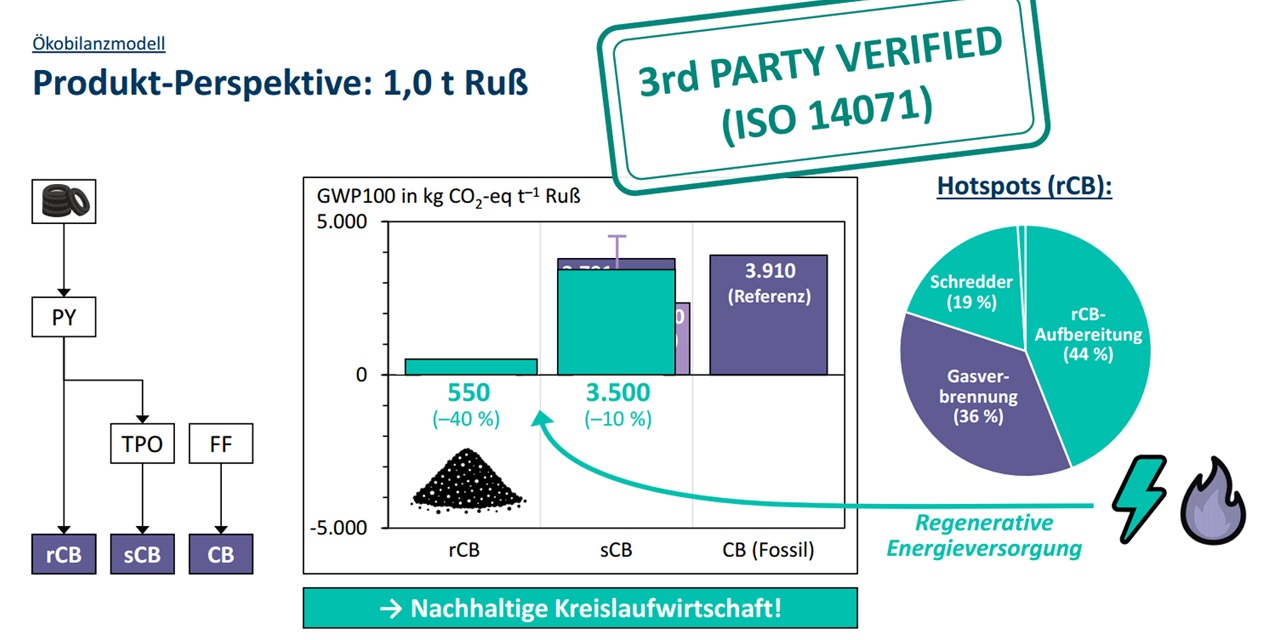
Image credit: Dr.-Ing. Sebastian Bogdahn
A central conclusion extends beyond pyrolysis itself. Raw materials, tyre manufacturing, the use phase and recovery pathways form an interconnected system spanning the entire tyre life cycle, closely linked to the carbon black, chemical, steel and energy sectors. Achieving circularity requires collaboration across systems and industries, along with greater methodological harmonisation and stronger integration of industrial value chains. The AZuR network’s work reflects this need, recognising that extended tyre use, repair, regrooving, retreading, mechanical recycling and appropriate chemical recycling must all function as interconnected elements of the value chain.
Tyres Europe Backs CARUSO Findings As EU Data Act Marks One Year
- By TT News
- October 15, 2026

Tyres Europe, as part of a coalition of 10 European associations representing consumers and automotive and mobility service providers, has issued a joint press release welcoming the latest CARUSO Connected Vehicle Field Test assessing the EU Data Act’s implementation across 29 major vehicle manufacturer groups. The findings confirm the legislation established important principles for accessing vehicle-generated data and encouraged some manufacturers to engage for the first time. One year on, however, the framework remains insufficient alone to enable a competitive, innovative connected mobility market.
Covering 15 automotive use cases across 28 vehicle manufacturer groups, the study concludes that while data access has improved, conditions for competitive, scalable, multi-brand services are still lacking. Access remains fragmented, inconsistent and often commercially or technically impractical across the car parc. Limited third-party access, differences in data scope, quality and coverage, and restrictive commercial terms continue to undermine the business case for innovative services. Genuine multi-brand development remains unattainable, preventing consumers and businesses from fully benefiting from connected mobility.
For many manufacturers, implementation has become a compliance exercise rather than a genuine effort to enable market access. Independent providers face limited datasets, restrictive terms, manual approvals, manufacturer-specific consent mechanisms and inconsistent technical solutions. Such approaches may satisfy the Data Act’s broadly defined obligations but are incompatible with the real-time, automated access modern digital services require.
Strong enforcement matters. Manufacturers respond faster where national authorities investigate complaints and apply enforcement mechanisms. Without consistent, harmonised, proactive enforcement across the European Union, Data Act rights risk remaining largely theoretical for a significant share of Europe’s vehicle fleet.
The coalition urges European Union institutions and Member States to enforce the Data Act consistently, issue clear guidance on fair, reasonable and cost-based compensation and use forthcoming reviews to reinforce rather than weaken it. Dedicated automotive legislation should establish common access conditions, interoperability requirements, initial technical and data delivery standards and safeguards against discrimination. Effective access must cover vehicle-generated data and the in-vehicle functions and resources needed to develop, scale and deliver digital mobility services, enabling fair competition, growth and investment.
According to the coalition, the Data Act was an important first step, but horizontal legislation alone cannot create a workable multi-brand market. Implementation varies widely: of 28 manufacturers, nine (32 percent) have barely implemented the Act; 18 (64 percent) lack adequate third-party pricing; 18 (64 percent) lack adequate data provision; and 19 (68 percent) lack an adequate API solution. Sixteen manufacturers (57 percent) enable none of the use cases, while only nine support the most feasible ones. Without stronger enforcement and dedicated automotive legislation, Europe will fall short of its innovation, consumer choice and fair competition ambitions.
CEAT Q2 FY27 Revenue Rises 26% to INR 47.62 Bln
- By TT News
- October 14, 2026
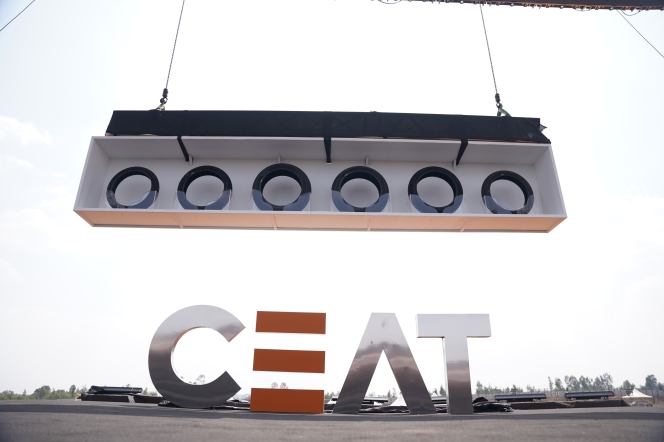
CEAT reported a 26 percent year-on-year increase in consolidated revenue to INR 47.62 billion in the second quarter of the 2026-27 financial year, while net profit stood at INR 1.12 billion as higher raw material costs continued to weigh on the tyre maker.
The company’s consolidated earnings before interest, tax, depreciation and amortisation (EBITDA) margin was 9.5 percent, according to its unaudited results for the quarter ended 30 September.
Arnab Banerjee, Managing Director and Chief Executive, said revenue growth was supported by premium segments across business units. He added that the conflict in West Asia had kept raw material costs high, prompting the company to tighten cost controls.
CEAT expects to deliver double-digit revenue growth in the second half of the financial year, alongside further price increases, Banerjee said.
On a standalone basis, revenue rose 23 percent year on year to INR 45.48 billion. EBITDA margin was 10.14 percent, while net profit reached INR 1.64 billion.
Kumar Subbiah, Chief Financial Officer, said commodity costs were expected to remain elevated in the third quarter. The company would continue to pursue measured price increases and improve its product mix to manage cost pressures.
Subbiah said debt increased during the quarter, largely because of capital expenditure of close to INR 4.9 billion to expand capacity in areas with high utilisation, as well as dividend payments.
He added that CEAT would maintain financial discipline while investing to meet demand and support profitable growth.
Michelin Expands Delhi Presence With Dwarka And Karol Bagh Outlets
- By TT News
- October 14, 2026
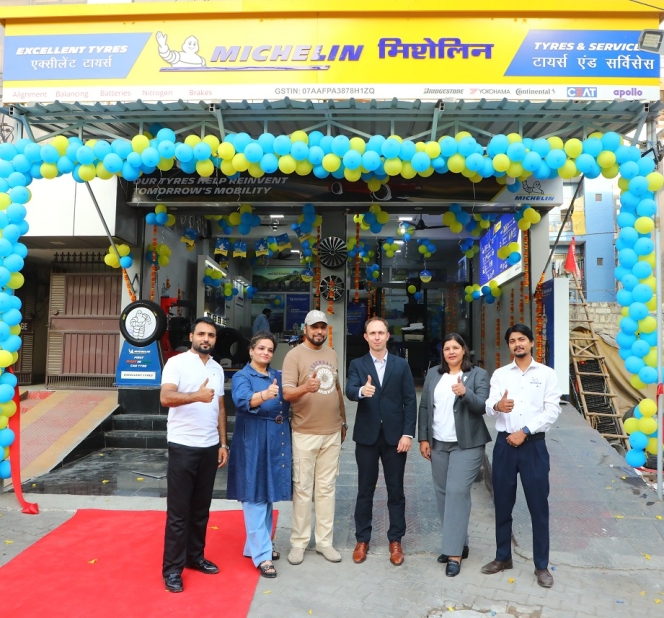
Michelin has strengthened its retail presence in India by launching two Michelin Tyres & Services outlets in Delhi, located in Dwarka and Karol Bagh. The openings make Michelin's premium tyre range, including the Made-in-India Primacy 5, accessible to customers in west and central Delhi, alongside professional fitment and tyre care. The Dwarka facility was inaugurated by Benjamin Coesnon, Marketing Director India.
The Dwarka outlet, operated with Excellent Tyres, covers 1,500 sft and caters to one of Delhi's largest planned residential sub-cities and its expanding south-west corridor. Excellent Tyres, established in 1994, brings over 30 years of experience in the capital's tyre trade. Meanwhile, the Karol Bagh store, run with Rana Tyres, spans 1,000 sft in a prominent automotive trade hub. Founded in 1977 and now led by its third generation, Rana Tyres contributes nearly five decades of technical knowledge and a loyal clientele.
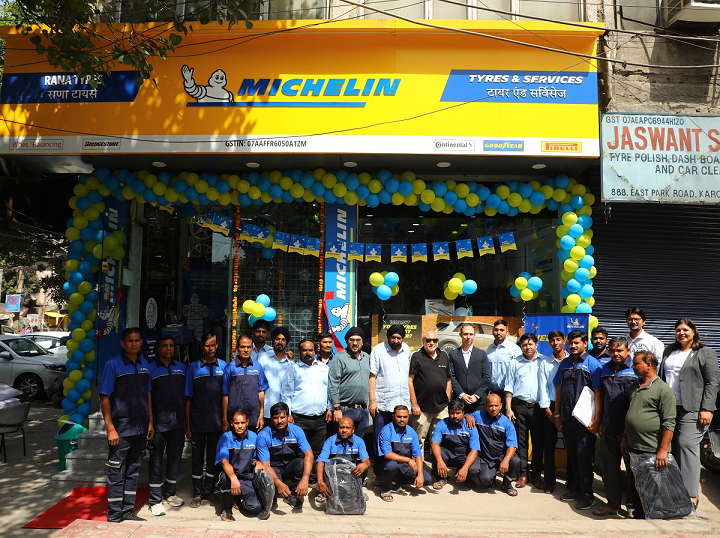
The expansion reflects Michelin's sustained commitment to India. Its distribution network now exceeds 800 points of sale, while over INR 28 billion has been invested in the Chennai manufacturing plant. A further INR 6.86 billion went into a passenger car tyre line that now produces the Primacy 5 for Indian buyers. The new stores aim to deliver safer, more durable and higher-performing mobility.
Shantanu Deshpande, Managing Director, Michelin India, said, " Delhi is one of the largest premium car markets in the country. Expanding our presence in Delhi will provide accessibility to today's customers and serve the next wave of premium car owners. With the Made-in-India Primacy 5 now available at these stores, customers in the capital can get Michelin's globally benchmarked safety and longevity, backed by expert service from trusted partners. India remains a key growth market for Michelin, and Delhi is central to how we continue to build our presence."

Comments (0)
ADD COMMENT