

Sri Trang Agro-Industry Strengthens Resilience Through New Palm Oil Venture
- By TT News
- July 10, 2026
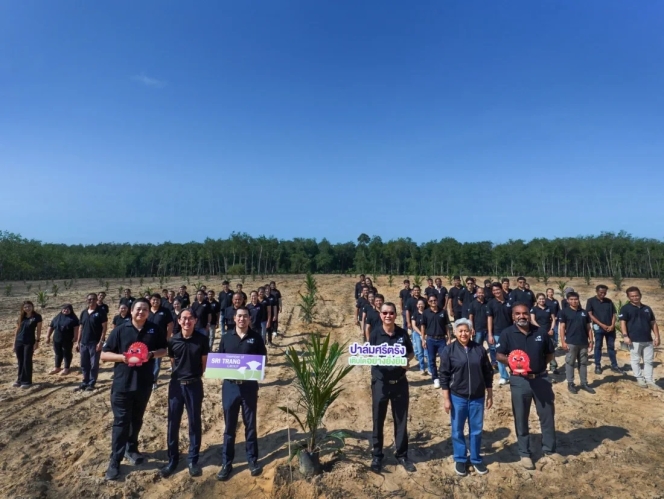
Sri Trang Agro-Industry Public Company Limited (STA), the world's largest fully integrated natural rubber enterprise and a leading Thai rubber glove manufacturer, has announced a significant strategic diversification through its subsidiary, Sri Trang Rubber and Plantation Company Limited. The new initiative, named the ‘Sri Trang Palm Growing a Sustainable Future’ project, represents a major step in bolstering the group's long-term business resilience and expanding its operational portfolio.
The project entails a substantial investment exceeding THB 60 million (approximately USD 1.80 million) to pilot oil palm cultivation across a total of 1,461 rai of land, which will accommodate approximately 28,072 trees. These planting areas are strategically located across five key provinces, including Chonburi, Rayong, Sa Kaeo, Surat Thani and Songkhla. The group is implementing its Asset Optimisation strategy, integrating modern agricultural technologies and adhering to its core ESG principles to guide the project's development, with the first harvest anticipated to commence by 2029.
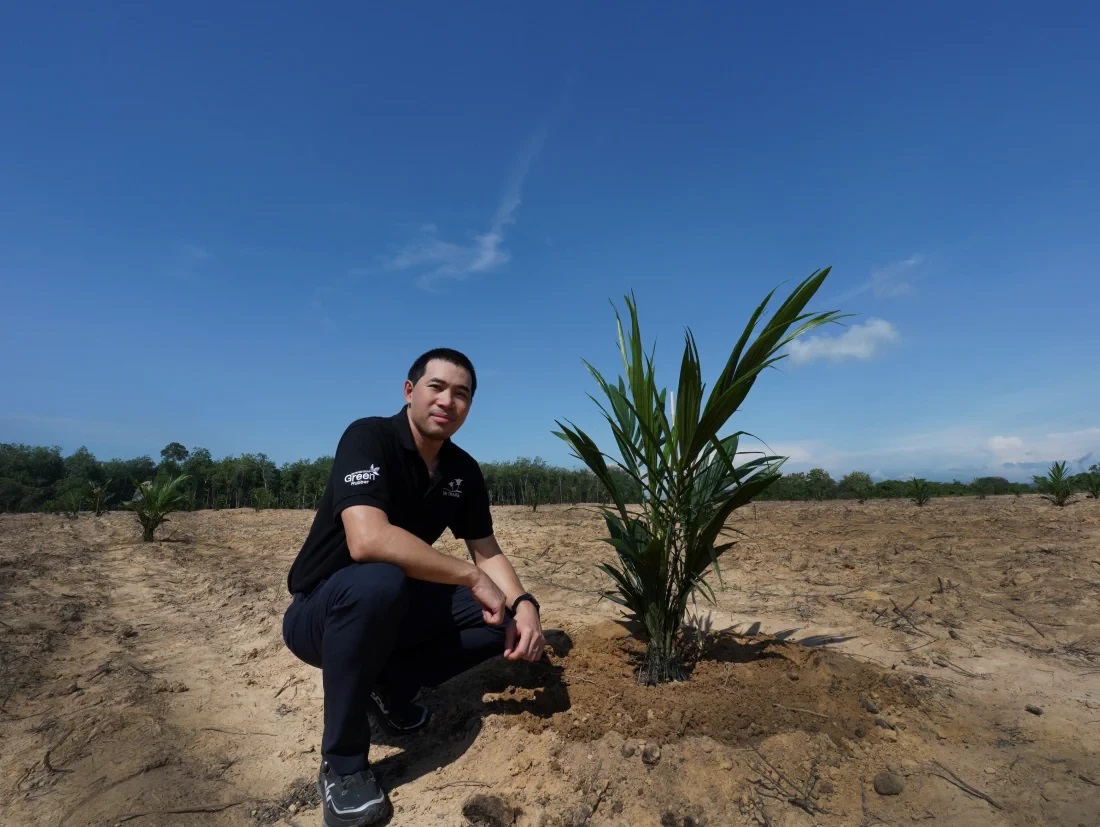
This foray into the palm oil sector is designed to strengthen the Sri Trang Group’s overall business capabilities and enhance portfolio resilience, laying a robust foundation for sustainable long-term expansion. The initiative seeks to maximise the use of existing resources and operational networks while capitalising on new business opportunities, all while maintaining a strong commitment to community, social and environmental responsibility.
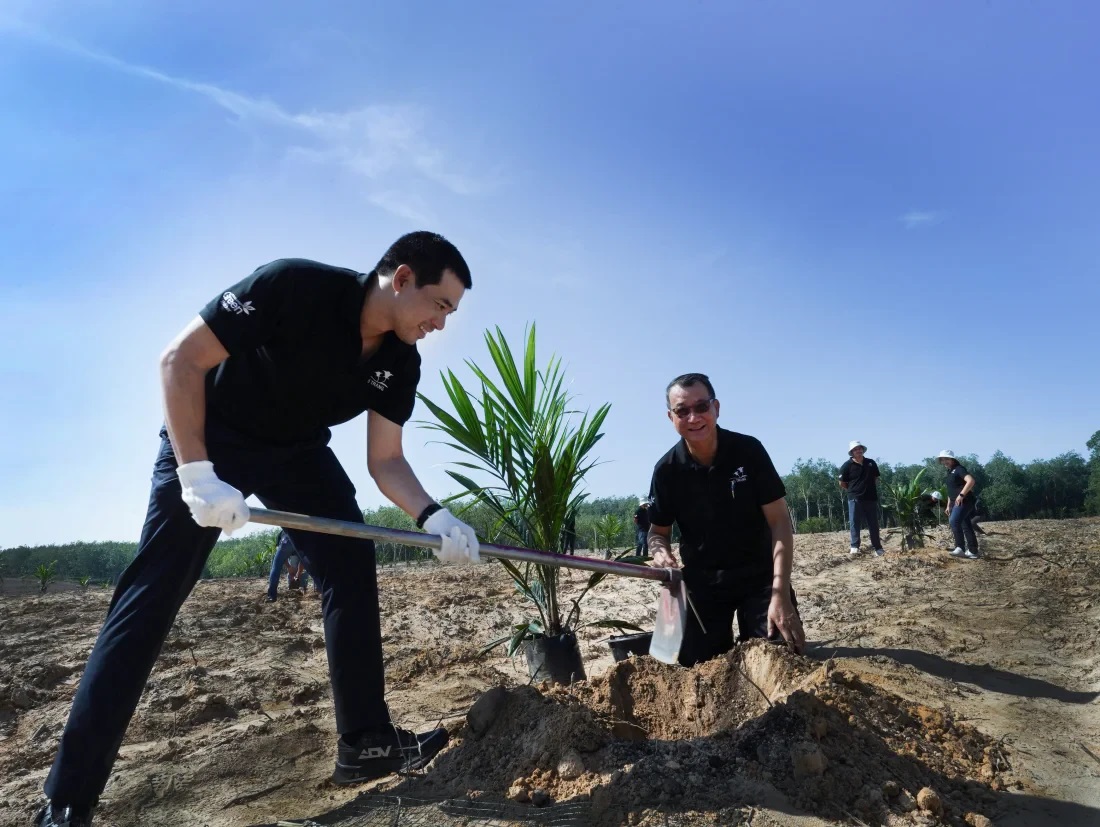
A formal kick-off event was held on 19 June 2026, in Sadao District, Songkhla Province, to mark the project's official commencement. The ceremony saw the active participation of company executives and employees, who together planted the first palm tree, symbolising the group's dedication to building a sustainable new venture and generating lasting value for both society and the environment.
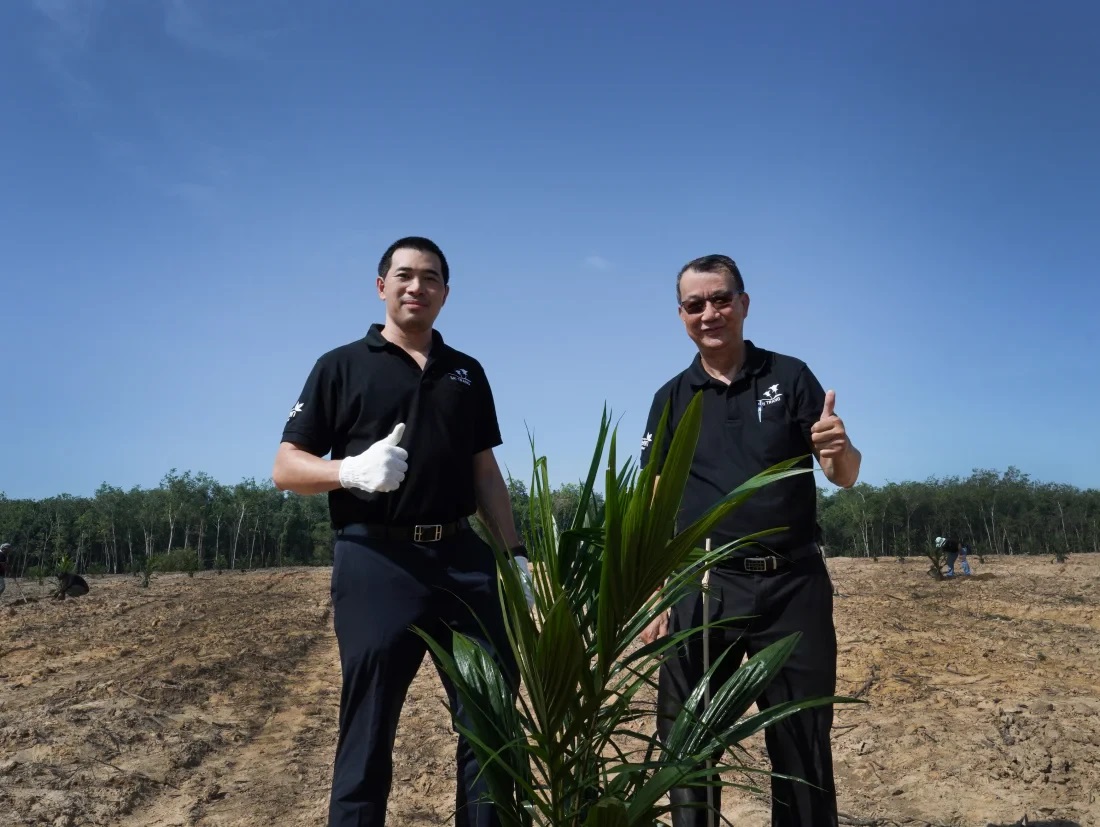
Veerasith Sinchareonkul, Chief Executive Officer, Sri Trang Agro-Industry Public Company Limited, said, “The ‘Sri Trang Palm Growing a Sustainable Future’ project reflects the Group’s commitment to leveraging organisational potential and optimising the use of the Group’s resources, based on the Asset Optimisation concept. This involves developing the Group’s land to create long-term added value while growing responsibly alongside our communities and creating lasting value for society and the environment. For Sri Trang, this project is not just about expanding into a new cash crop but a significant step in creating shared value for all sectors. It promotes employment, creates jobs, supports the local economy and lays the foundation for stable and sustainable growth in the future. The palm trees planted through this initiative symbolise the Group’s intention to grow alongside the community and pass on a sustainable future to society in the long term.”
Udom Pruksanusak, Chief Executive Officer (Plantation), Sri Trang Rubber & Plantation Company Limited, said, “Sri Trang prioritises a systematic approach to developing its palm oil business, from site selection and the use of quality seedlings to plantation planning and modern agricultural management. In the first phase of planting, the largest proportion of the initial investment has been allocated to Songkhla Province, accounting for 43 percent of the total planting area, as it is suitable in terms of climate conditions, rainfall patterns, infrastructure readiness and connection to the Group's operational and logistics network, which will help maximise the efficiency of plantation management.
“In addition, the project operates under the ESG principles, focusing on sustainable land management, soil and water conservation and the application of technology and innovation, such as geographic information system (GIS), drone technology for agricultural operations, digital field monitoring systems and data-driven decision-making, to maximise operational efficiency, reduce environmental impact and support the sustainable development of surrounding communities. The Group expects to begin commercial harvesting within approximately three years, or around 2029, and will closely monitor the growth trends of the palm trees, the productivity of the selected palm varieties and the overall performance in order to consider development guidelines and opportunities for further expansion of planting areas.”
Yokohama Inaugurates First Phase Of $500 Million Manufacturing Facility In Mexico’s Coahuila
- By TT News
- November 24, 2026
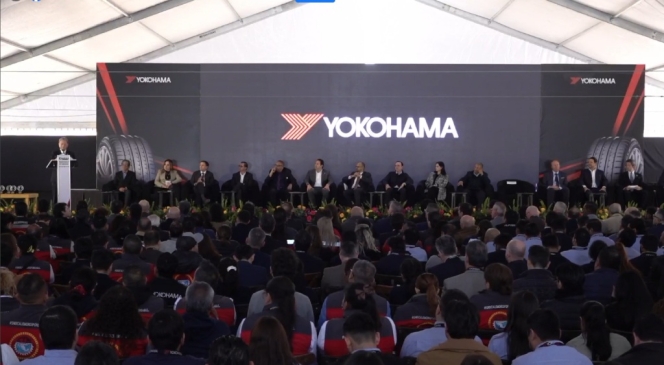
Japanese tyre major Yokohama Rubber is strengthening its manufacturing footprint in Mexico with a phased investment of approximately USD 500 million in a new tyre production complex in Coahuila, Mexico.
The new facility is positioned as a strategic base for supplying the Americas and expanding its presence in passenger car and off-the-road (OTR) tyre segments.
The Japanese tyre manufacturer inaugurated the first phase of its Derramadero facility in Saltillo, Coahuila, on 23 November 2026, while simultaneously initiating the next phase of expansion. The project marks a significant step in Yokohama's strategy to strengthen regional manufacturing, improve supply-chain responsiveness and tap opportunities across North American and Latin American markets.
Located within the Alianza Industrial Park, the facility is being developed across approximately 610,000 sqmt and will combine passenger car tyre production with manufacturing capabilities for off-road tyres catering to mining, construction and agricultural applications.
Masataka Yamaishi, Chairman & CEO, Yokohama Rubber Co, said, “Today marks a momentous milestone for Yokohama Group as we celebrate the grand opening of the first phase of passenger car tyre plant and the ground breaking of phase two of off-highway tyre facility in Saltillo. Establishing this manufacturing footprint in North America is a cornerstone of our global strategy enabling us to shorten lead time and deliver unmatched value to our customers across Americas.”
The first phase is designed to produce passenger car tyres, with an annual capacity of five million units at full utilisation. The second phase, scheduled to begin operations in 2028, will focus on off-the-road tyres, adding approximately 10,650 tonnes of annual production capacity, measured by rubber weight.
The expansion follows Yokohama's acquisition of Goodyear's off-the-road tyre business in 2025, which has strengthened its global position in the specialised tyre segment. The Mexican facility will play an important role in integrating the acquired business, expanding production capacity and improving supply efficiency.
Mexico's strategic location, established automotive manufacturing ecosystem, connectivity with the US through road and rail infrastructure and availability of skilled manpower were key considerations behind Yokohama's investment. The facility is expected to enable the company to serve customers more efficiently, reduce supply lead times and strengthen its competitiveness in the Americas.
The expansion is also expected to deepen Yokohama's engagement with the regional supplier ecosystem, creating opportunities for local sourcing, employment and industrial development. The combined project is expected to generate approximately 1,500 jobs, further strengthening Coahuila's automotive and manufacturing ecosystem.
Kuraray Secures SBTi Validation For 2035 GHG Emissions Reduction Targets
- By TT News
- November 24, 2026
Kuraray Co., Ltd. has announced that the Science Based Targets initiative (SBTi) has validated the Kuraray Group’s 2035 greenhouse gas (GHG) emissions reduction targets as science-based. The SBTi is an international body that assesses corporate GHG reduction goals for alignment with the Paris Agreement.
The validation covers two target areas. For Scope 1 and 2 emissions, the group aims to cut GHG emissions by 63.0 percent by 2035 relative to a 2021 baseline. For Scope 3 Category 1 emissions, the corresponding reduction target is 37.5 percent over the same period.
The Kuraray Group said it will pursue these goals through energy conservation, expanded use of renewable energy and related measures. The company framed the validated targets as part of its broader contribution to realising a decarbonised society.
Xingda Takes Centre Stage As Michelin's Strategic Sustainability Partner At 2026 CIIE
- By TT News
- November 24, 2026
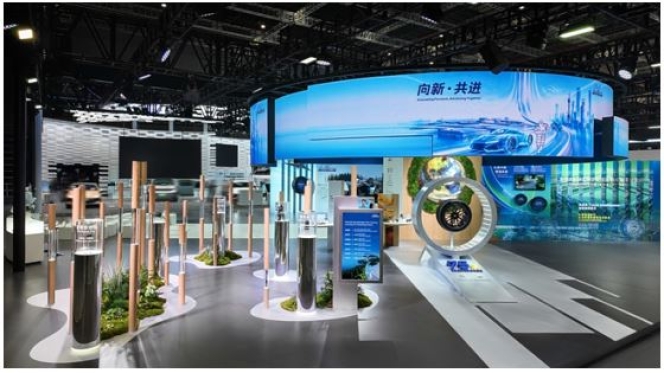
Xingda Group took centre stage at the ninth China International Import Expo (CCIE) in Shanghai as a key strategic and sustainability ecosystem partner of Michelin, with Vice President and Head of Sustainability Ye Wei leading its delegation to the event. Michelin marked its sixth appearance at the expo under the theme ‘Innovating Forward, Advancing Together’, unveiling a tyre made with 75 percent renewable and recycled materials in its Asia debut.
The display underscored Michelin’s green material technologies and its steady progress towards producing tyres entirely from renewable and recycled sources by 2050. At the Michelin booth, Xingda presented recycled-steel wire products tied to a joint high-recycled-content steel project, with Ye Wei walking visiting guests through the end-to-end manufacturing process.
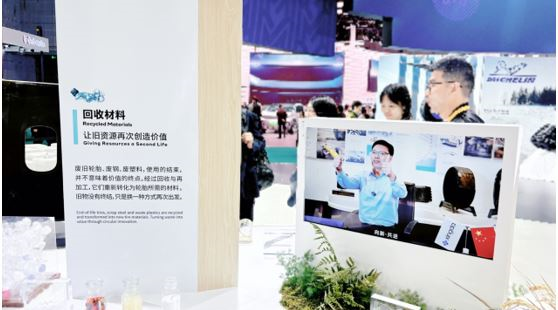
Xingda’s industrial practice demonstrated that steel cord is no longer a disposable consumable but a green core material capable of being recycled and reused in a sustainable loop. The two companies have long collaborated on low-carbon product development, circular economy initiatives and low-carbon supply chain building, while Xingda advances recycled steel adoption, product carbon footprint accounting and ISCC PLUS certification.
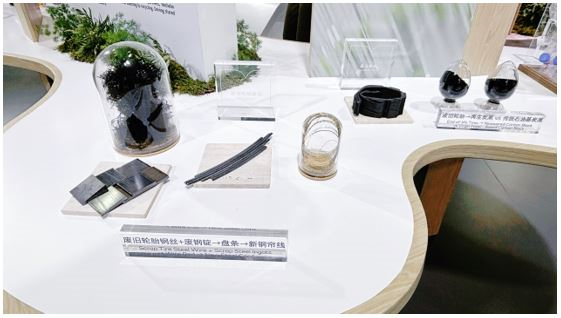
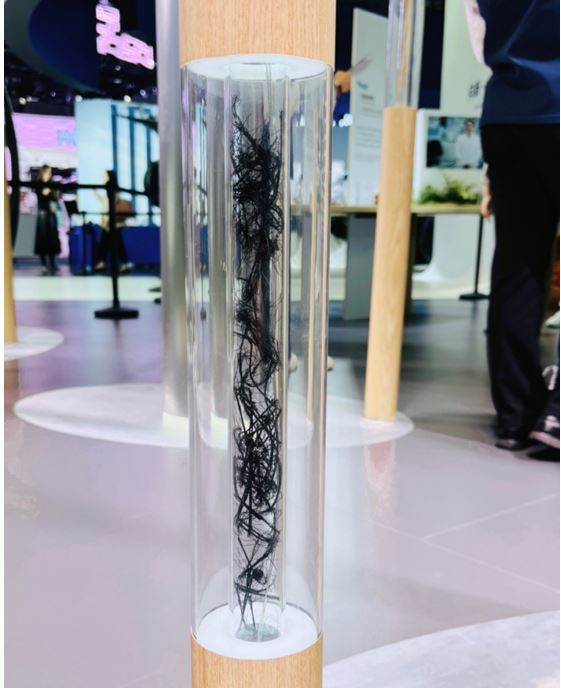
The Group has established a full closed loop spanning end-of-life tyre collection, recycled steel production, and manufacturing of green steel cord and bead wire. Its low-energy, low-carbon reinforcing materials support commercialisation of tyres with high renewable content, combining safety with sustainability. Xingda will continue working with industrial chain partners to strengthen the green materials supply chain and drive the tyre industry’s low-carbon transformation.
Continental Mulls Discontinuing Operations At Gqeberha Tyre Plant In South Africa
- By TT News
- November 24, 2026
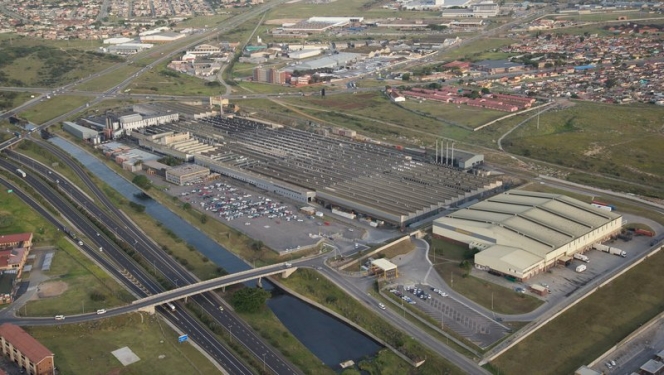
Continental has signalled that it may halt tyre manufacturing at its Gqeberha facility in South Africa, a move driven by sustained underutilisation of local production capacity that has persisted for several years despite extensive turnaround initiatives. The situation has been worsened by mounting price competition from low-cost imports and increasingly difficult market conditions, placing roughly 950 employees at potential risk.
In line with Section 189A of South Africa's Labour Relations Act, the company has launched a formal consultation process aimed at examining viable alternatives and discussing ways to soften the potential impact on workers. Should no workable alternative emerge from those talks, operations at the site could cease by early 2027. Continental has pledged to maintain open and constructive dialogue throughout, acknowledging the significant uncertainty the proposal creates for employees and committing to transparency and respect for every individual affected, while expressing sincere appreciation for the dedication, professionalism and contributions of the Gqeberha workforce.
Despite the possible production changes, the African continent and South Africa remain important markets for Continental, which intends to keep serving customers and sustaining its commercial presence across the region. The local sales organisation will continue operating from Gqeberha as usual, and the BestDrive retail network will remain unaffected by any potential changes to manufacturing operations.
Tyre production has taken place at the plant since 1947, with Continental-branded tyres manufactured there from 1985 for South African automotive manufacturers and the African replacement market. Yet the facility has confronted persistent competitive and operational difficulties, including low-cost import pressure, rising energy costs, supply chain disruptions and increasingly fragile infrastructure, all of which have raised manufacturing costs and complicated forward planning, leaving capacity significantly underused in recent years.

Comments (0)
ADD COMMENT