

- Sri Trang Group
- Sri Trang Agro-Industry
- Sri Trang Gloves
- Blue Carbon Conservation
- Coastal Restoration Initiative
Sri Trang Group Advances Blue Carbon Conservation With Second Annual Coastal Restoration Initiative
- By TT News
- June 18, 2026
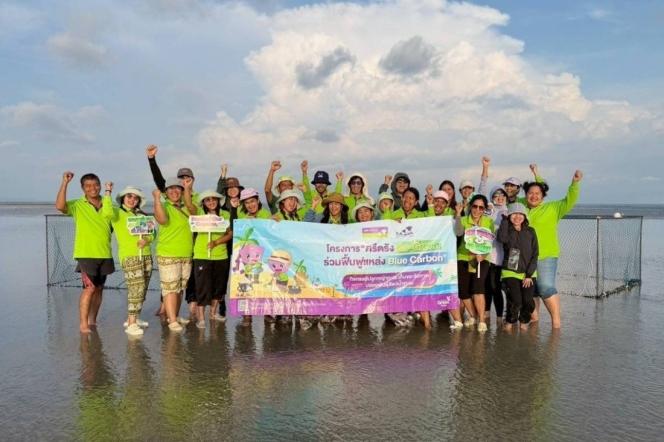
Sri Trang Group, led by Sri Trang Agro-Industry Public Company Limited (STA), the world's largest fully integrated producer and distributor of natural rubber, and Sri Trang Gloves (Thailand) Public Company Limited (STGT), a global leader in sustainable rubber glove production and distribution, executed its second annual ‘Sri Trang Go Green: Restoring Blue Carbon for Sustainability’ project on 6–7 June in Don Sak District, Surat Thani Province. The initiative convened executives, employee volunteers and residents from Baan Don Harn and Kao Charoen communities to restore coastal ecosystems and promote environmental awareness.
Marine and coastal ecosystems, which sequester carbon at rates quadruple those of terrestrial forests, anchored this year's blue carbon focus. The project pursued three core activities, including seagrass bed restoration to support carbon storage and marine larvae nurseries, the release of aquatic species to revive ecological balance and continuous monitoring of seagrass growth to guide data-driven conservation management.
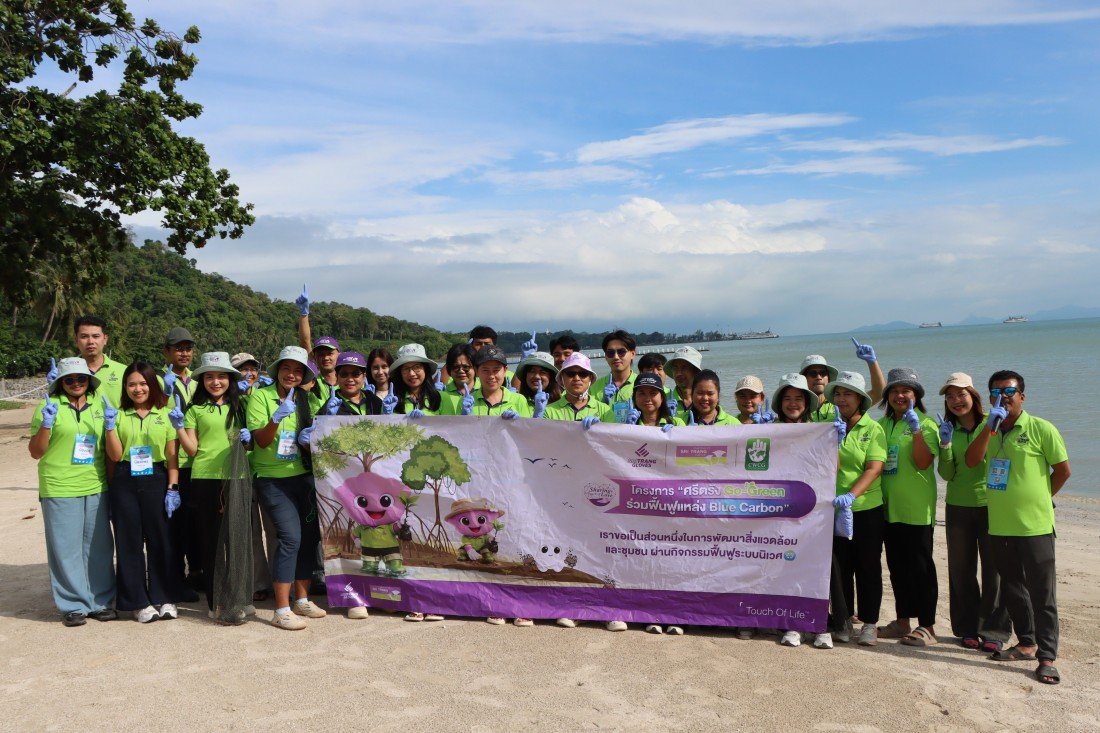
The selection of Baan Don Harn and Kao Charoen leveraged their abundant mangrove forests and robust community conservation involvement. Over seventy participants joined, including Sri Trang employees from Bangkok and the southern provinces of Songkhla, Trang, Surat Thani and Chumphon, alongside the Marine and Coastal Resources Office Region 4, the Pak Prak Sub-district Health Promotion Hospital, local conservation groups, agricultural networks, Wat Singkhon School students and community volunteers. Their efforts produced 400 planted mangroves, 600 released Asian seabass, 200,000 released black tiger shrimp and 68 kg of waste collected from Nang Kam Beach, with debris sorted according to carbon credit standards for future marine debris solutions.
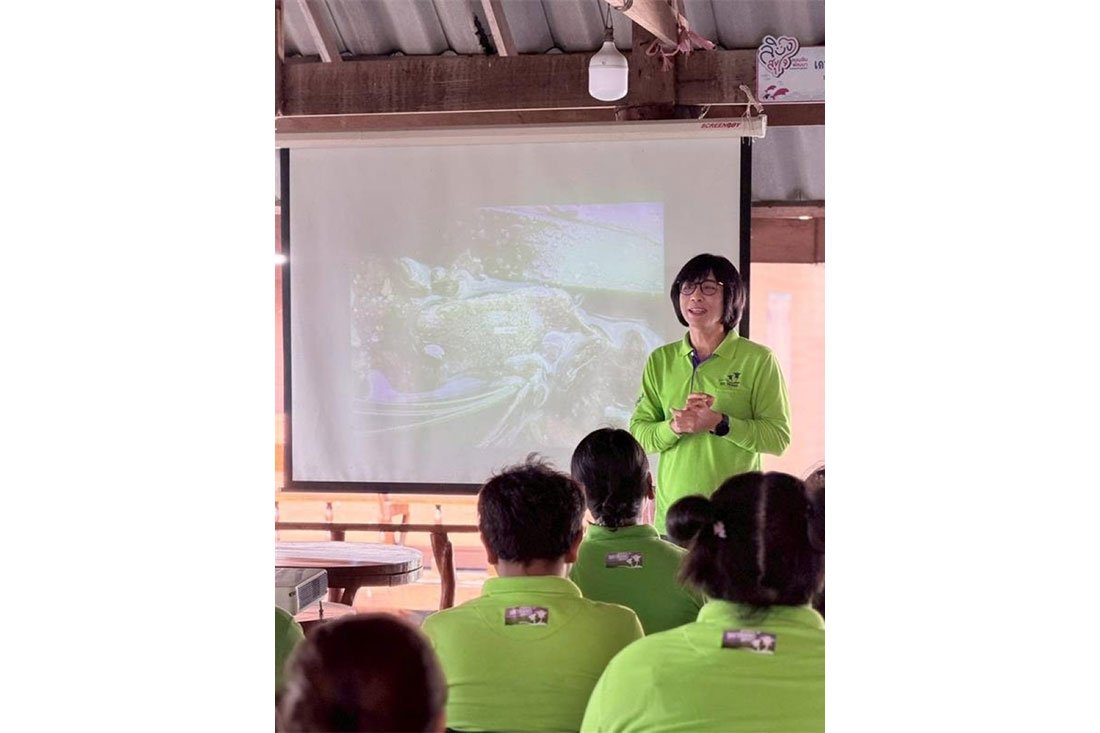
The initiative reinforced the vision of a green rubber company while emphasising environmental education. Asst. Prof. Pontep Wirachwong from Rajamangala University of Technology Srivijaya and Patipan Bupatae, Director of the Mangrove Resource Conservation Division at Marine and Coastal Resources Office Region 4, shared expertise on mangrove ecosystems and marine resource management to deepen participant understanding of blue carbon significance.
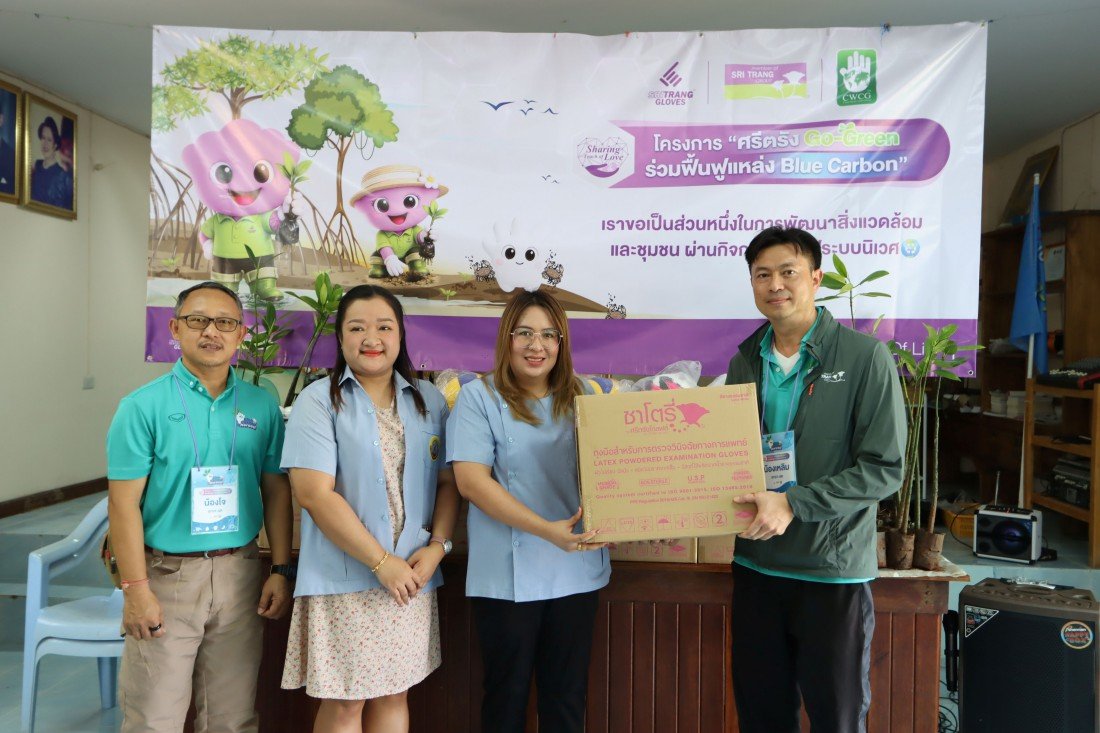
Community support included donations of 10,000 Satori rubber gloves to the Pak Prak Sub-district Health Promotion Hospital and sports equipment worth THB 5,000 to Wat Singkhon School. Employee engagement flourished through the ‘GoGreen – Vlog Challenge 2026’, with selected videos to be published on the ONE SRI TRANG Facebook page to broaden conservation messaging.
Building upon the 2025 project in Trang Province, the second year commenced with an April phase on Koh Libong, with monthly seagrass monitoring underway. Sri Trang Group aims to expand marine green spaces, enhance biodiversity and strengthen collaboration between private sector, government agencies and local communities to preserve natural resources for generations to come.
Veerasith Sinchareonkul, Group CEO, Sri Trang Group, said, “Participating in the restoring blue carbon ecosystems reflects our commitment to sustainable business practices and ESG principles, encompassing both environmental restoration and contributing to society and enhancing quality of life for communities. Beyond mitigating the impacts of climate change, the project also contributes to strengthening coastal ecosystems, which are vital to the livelihoods and local economies of coastal communities. We believe that the collaborative power of employees and the communities today will inspire further conservation efforts, laying the foundation for future sustainability.”
Veerin Auengteerasuwan, Human Resources Division Manager of Sri Trang Agro-Industry Public Company Limited (STA), and Chalermchai Norsakul, General Manager of Sri Trang Gloves (Thailand) Public Company Limited (STGT), representing the management and employees of both companies, shared their vision: “Environmental stewardship begins with collective action. The Blue Carbon project is another important step in encouraging Sri Trang employees to participate in restoring and conserving beach areas, which are natural carbon dioxide sinks. The initiative also fosters awareness, understanding and inspiration for collaborative and sustainable conservation of natural resources.”
Asst.Prof.Pontep Wirachwong, Head of Marine and Environmental Science, Department of Marine Science, Faculty of Science and Fisheries Technology, Rajamangala University of Technology Srivijaya, Trang Campus, said, “This project plays a vital role in the conservation and restoration of marine ecosystems, particularly in restoring seagrass beds to a healthy and abundant state. This will help increase the abundance of aquatic life and fisheries resources, which are essential to the value chain of surrounding communities. It also supports the local economy, both as a seafood production area and as a location with strong potential for sustainable tourism.”
Kerk Nuinoi, Chairman of the Ban Don Han Marine Conservation Volunteer Group and Village Headman of Moo 2, Ban Don Han, Don Sak District, Surat Thani Province, said, “On behalf of the Ban Don Han Marine Conservation Volunteer Group, I would like to express our sincere appreciation to Sri Trang Group for its continued commitment to supporting mangrove forest restoration in our area. The ‘Sri Trang Go Green’ project has contributed to restoring the richness of coastal and marine ecosystems, while encouraging the community to recognise the value of natural resources and work together to conserve mangrove forests in a sustainable manner.”
Tegeta Green Planet Mentors Innovators At Circular Economy Hackathon In Senaki
- By TT News
- October 22, 2026
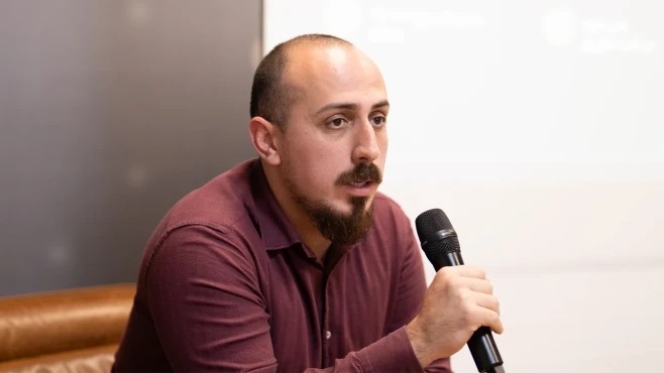
Tegeta Green Planet recently took part in a two-day Circular Economy Hackathon at Senaki Tech Park, an initiative funded by the Georgia Innovation and Technology Agency (GITA). The gathering sought to connect the circular economy and waste management fields with technological innovation, with organisers working to pinpoint urgent industry challenges and craft workable technological solutions, prototypes and business models in response.
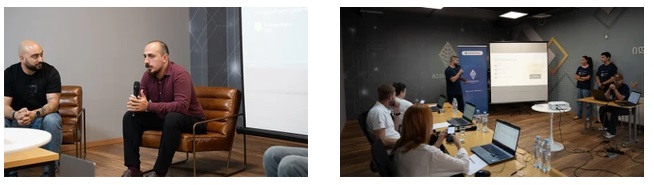
For Tegeta Green Planet, an Extended Producer Responsibility organisation, pursuing such technological routes matters greatly, since effective waste handling, resource reuse and the real-world application of circular economy principles call for up-to-date, intelligent technological methods and flexible systems. Team members contributed by joining a panel discussion, guiding participants through the project development stage, and finally choosing their preferred team.
TyreSafe And West Midlands Road Safety Commissioner Join Forces To Promote Tyre Safety
- By TT News
- October 22, 2026
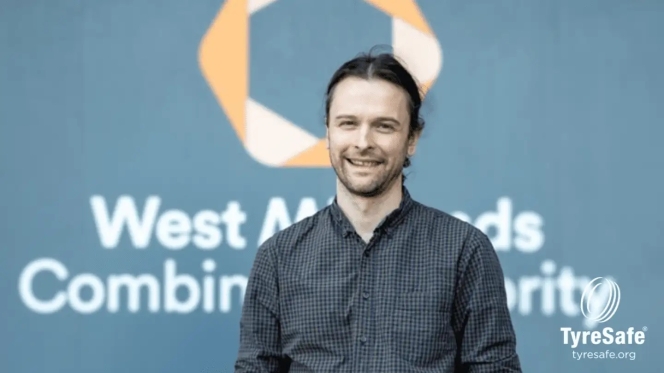
TyreSafe, UK’s leading tyre safety charity, has joined forces with Mat MacDonald, the West Midlands Road Safety Commissioner, in a bid to raise greater awareness of how tyres contribute to keeping road users safe. The collaboration draws on TyreSafe’s longstanding expertise in tyre safety education alongside MacDonald’s broader road safety remit.
MacDonald, the UK’s first Road Safety Commissioner, works with partners across the West Midlands to improve road safety and reduce the number of people killed or seriously injured on the region’s roads. His wider background includes experience as an NHS doctor supporting victims of road collisions and a previous role as chair of Better Streets for Birmingham, a group established to campaign for safer and better connected public spaces in the city.
TyreSafe maintains that tyre safety must form an integral part of this work. Tyres are a vehicle’s only point of contact with the road, playing a critical role in braking, steering and grip, yet condition, pressure and tread depth can be overlooked by drivers, increasing the risk of collisions and breakdowns. Through the collaboration, both parties aim to reinforce the importance of tyre safety as part of a wider commitment to safer journeys and preventing avoidable harm.
The charity is encouraging every road user to follow its ACT approach, which covers air pressure, condition and tread. Drivers are advised to check pressures regularly in line with manufacturer recommendations, look for cuts, cracks, bulges, embedded objects and uneven wear, and ensure tread depth is legal and suited to the vehicle. Such checks should form part of routine maintenance, with professional advice sought if concerns arise. TyreSafe continues to promote practical steps through work with road safety organisations, emergency services, industry partners and public bodies.
MacDonald said, “Traffic collisions can change lives in an instant on our roads, wiping out futures and leaving behind unimaginable trauma for witnesses and survivors. Safe vehicles are one of the key pillars of the system we’re trying to create, in which no-one is killed or seriously injured as they travel. That’s why I’m so proud to be supporting TyreSafe’s work in this area, raising awareness of the risks associated with illegal or poorly maintained tyres and encouraging road users to take practical steps to ensure their vehicles are safe and roadworthy. Checking your tyres before you drive is a small act, but there’s no doubt it could prevent your journey from ending in a devastating tragedy.”
Stuart Lovatt, Chairman, TyreSafe, said, “We are delighted to be working with Mat MacDonald to strengthen the focus on tyre safety as a fundamental part of road safety. Tyres are often overlooked, despite being critical to a vehicle’s ability to brake, steer and maintain grip. Our aim is to make tyre safety an everyday consideration for every road user, rather than something people think about only when a problem arises. Partnerships are essential to reaching more people with clear, practical advice that can help change behaviour and reduce risk. By working together, we can reinforce the message that checking your tyres takes only a few minutes, but those checks could make all the difference.”
FALKEN Extends IHF Handball Partnership Through 2029
- By TT News
- October 22, 2026
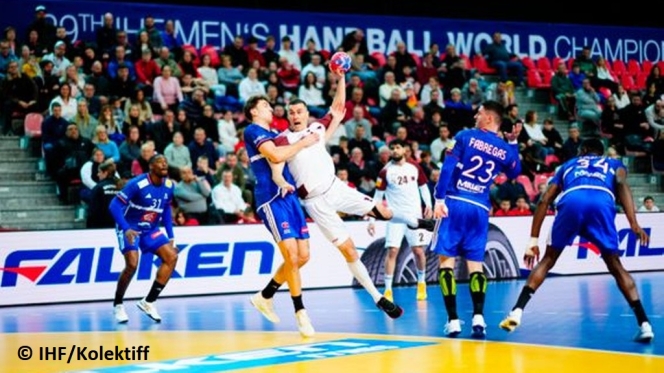
FALKEN, a tyre brand under Dunlop Tyre Europe GmbH, has renewed its partnership with the International Handball Federation (IHF), extending its sponsorship to cover both the 2027 and 2029 IHF Men’s Handball World Championships. The agreement was brokered by SPORTFIVE, the IHF’s exclusive commercial agency for worldwide media and marketing rights through 2031.
The renewed deal continues a cooperation that began with the 2019 World Championship and persisted through the 2023 and 2025 tournaments. FALKEN served as official event partner for the 29th edition in 2025, gaining visibility through LED advertising boards and goal-area signage that reached millions of fans globally and reinforced its standing as a sporty upper mid-range tyre provider.
Shared values of precision, performance, reliability and the pursuit of excellence underpin the collaboration, qualities the brand describes as essential both on the handball court and on the road. The extension signals FALKEN’s commitment to international handball as a communications platform.
The 30th IHF Men’s World Championship will be held in Germany from 13 to 31 January 2027 across Munich, Stuttgart, Magdeburg, Kiel, Hannover and Cologne under the motto ‘Where Handball is Alive’. Through 2029, FALKEN aims to build long-term, authentic sporting partnerships and bring its brand values to a global audience.
Dr Hassan Moustafa, President, International Handball Federation (IHF), said, “I am pleased to confirm the continuation of our partnership with FALKEN for the IHF Men’s World Championships in 2027 and 2029. FALKEN has been part of our tournament for several years, and the extension of this partnership underlines our shared commitment to performance and excellence, values that define both our sport and the FALKEN brand. I would like to thank FALKEN for its continued trust in the IHF and in the Men’s World Championship and look forward to welcoming the brand back to our courts in Germany and again in France and Germany for the upcoming tournaments.”
Markus Bögner, Managing Director and President, Dunlop Tyre Europe GmbH, said, “Our shared values, the successful partnerships of previous years and the FALKEN brand’s deep roots in sport provide a strong foundation to continue our commitment. We are delighted to partner with the IHF Men’s Handball World Championships in 2027 and 2029 and look forward to the excitement and entertainment it brings fans. The extension of our partnership with the IHF enables us to further expand our presence on a global stage and connect with millions of enthusiasts all around the world.”
Kumho Tire's Road Venture MT71 Powers Drivers To Multiple 2026 Off-Road Racing Season Titles
- By TT News
- October 22, 2026
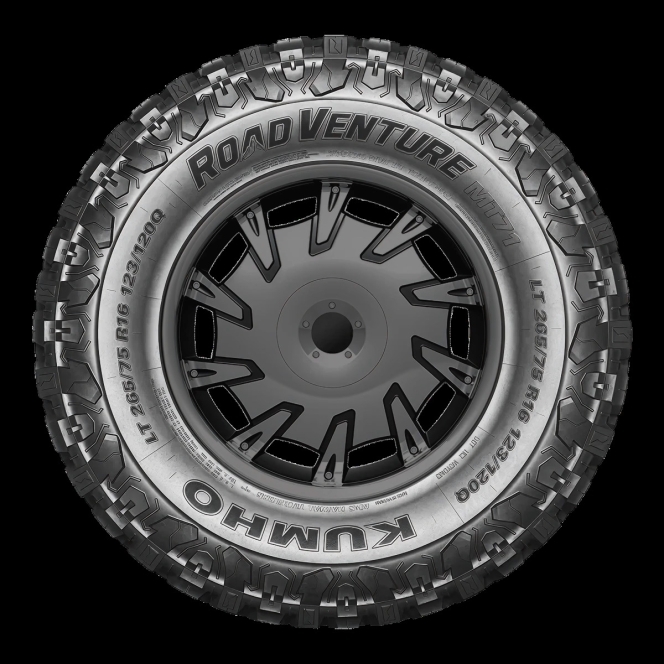
Kumho Tire USA has marked a successful return to off-road racing in the 2026 season, with its three sponsored drivers securing multiple class podium finishes. Mark Duval, Stephen ‘Woody’ Rose Jr and Eric Wikle all competed on KUMHO Road Venture MT71 mud-terrain tyres, which are engineered for the varied terrain and harsh conditions of competitive off-road courses.
Duval, driving the #4810 entry, claimed the 4800 Class title in the Valley Off Road Racing Association Season Championship after winning all four events in the series. He completed the campaign without a single puncture on his KUMHO tyres. Rose, in the #22 vehicle, earned the Ultra4 Western Regional Series Championship in the 4800 Class, recording one victory and two fourth-place finishes across four demanding races.
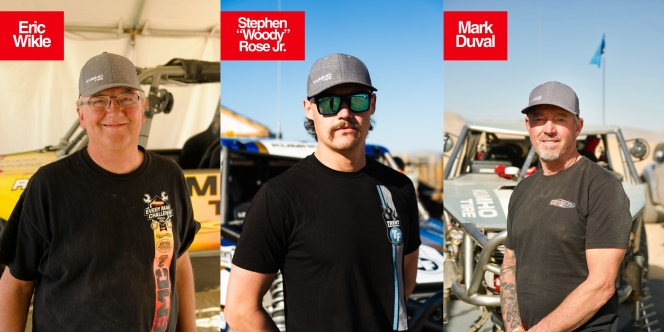
Eric Wikle, piloting the #406 entry, took first place in the Rock800 Legends class at the 2026 Casey Folks Vegas to Reno race. He navigated the rigorous 505-mile Nevada desert course, which was run in reverse for the first time in the event's history, with racers competing for the quickest time from Reno to Las Vegas.
The Road Venture MT71 features increased block stiffness for enhanced on- and off-road handling, a high-void tread pattern with a zig-zag and dual-pitch design for maximum off-road traction and mud and stone ejector bars between the shoulder lugs to prevent damage and aid self-cleaning. The drivers' results demonstrate Kumho Tire's commitment to high performance and durability across its Road Venture light truck and SUV tyre range.
Ed Cho, CEO, Kumho Tire USA, said, “We are extremely proud of the success of our drivers this season, which is a testament to the strength and performance of our Road Venture MT71 tyres. Key product insights gathered from these races will be integrated into the next generation of all-terrain tyres to ensure that racing-grade innovations reach everyday drivers.”

Comments (0)
ADD COMMENT