

TIP-Supported Study Intros Advanced Model To Track TRWP Movement Through Soil And Waterways
- By TT News
- April 09, 2026

The Tire Industry Project (TIP) has announced the publication of a scientific study presenting a sophisticated model designed to track how tyre and road wear particles (TRWP) move through land and freshwater environments. Known as the Mass Balance Model, this tool provides a method for predicting particle concentrations within watersheds across different climates and regions, offering high spatial detail on how these particles travel from roadways towards rivers, lakes and estuaries.
Tyre and road wear particles are created unintentionally during normal driving, where tyres meet the road surface. As scientific and regulatory focus on these particles intensifies, reliable models are essential for understanding their environmental pathways. While research is growing, the behaviour of these particles in waterways remains particularly understudied, making this modelling advance especially relevant.
The model draws on global and local datasets and open-source frameworks, including the ERA5 global climate dataset by the Copernicus Climate Change Service and the Wflow catchment hydrology model by Deltares, a research institute. Its accuracy has been confirmed using field measurements from the Seine River basin in France, the Chesapeake Bay basin in the United States and the Yodo River basin in Japan – three very different watersheds. This validation shows the approach works across diverse watershed sizes, climates and stormwater management systems.
Applying the model to these three regions revealed that the share of particles reaching surface waters varies from just 2 percent up to 18 percent, depending on urbanisation, climate, basin size and drainage infrastructure. Importantly, improvements to stormwater systems could cut particle transport to surface waters by as much as half. This refined model builds on earlier work and is now globally applicable, with ongoing development aimed at making it accessible beyond the scientific community.
Nicolas Tissier, Director of Research at TIP, said, “Having a robust, reproducible model for TRWP transport and fate that can be applied worldwide is essential for advancing both scientific understanding and practical solutions. Our role at TIP is to support rigorous, transparent science that helps researchers, policymakers and industry make evidence-based decisions. By making this model open access, we aim to support broader collaboration across the scientific community around TRWP in the environment and to enable the development of more effective mitigation strategies.”
AZuR To Make Case For Circular Tyre Economy At DKG's 100th Anniversary
- By TT News
- September 25, 2026
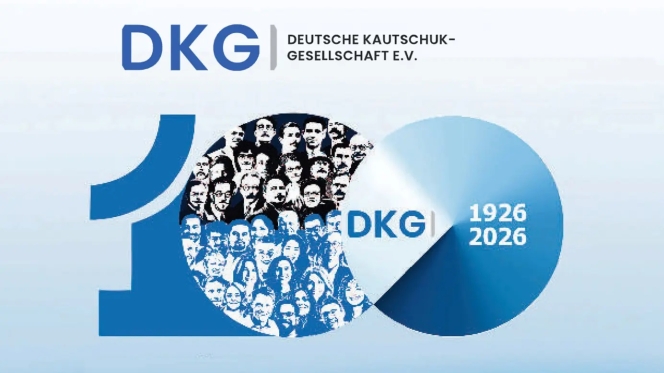
The AZuR network will take centre stage at the centenary annual conference of the German Rubber Society (DKG) in Fulda on 24 and 25 September 2026, where network coordinator Christina Guth will deliver a presentation titled ‘The Next 100 Years Are Circular’. Her address will illustrate how the network links rubber industry stakeholders and underline why collaboration across the entire value chain is indispensable to establishing a circular economy in the tyre sector.
Founded in Düsseldorf in 1926, the DKG marks its 100th anniversary by once again convening specialists from research, development and industry. The two-day gathering, held under the banner ‘100 Years of the DKG’, blends professional exchange with an examination of the sector's future direction. Guth's contribution centres on the argument that coming decades must be defined by circularity, as rubber and tyre manufacturers confront the pressing task of retaining products and raw materials in circulation for as long as feasible.
Achieving this demands more than isolated recycling solutions. It requires coordinated effort spanning producers, traders, collection and sorting operations, repair and retreading services, mechanical and chemical recycling, alongside science and policymaking. The AZuR network, established in 2020, now encompasses over 90 partners across Germany and Europe, uniting actors committed to a resource-efficient tyre circular economy. Science-industry cooperation features prominently, with materials analysis, life cycle assessments, sorting technologies and process research supplying the evidence base for advancing circular methods and informing sound commercial and political choices.
Numerous synergies exist between the DKG and AZuR, including expanded scientific exchange, joint work on recovered carbon black and other recyclates, quality standards for secondary raw materials, and knowledge transfer to emerging scientists and engineers. Guth maintains that materials expertise and circular economy competence are inseparable, arguing that reusing high-quality secondary raw materials in rubber compounds requires research, industry and recycling to jointly refine quality, processes and standards. The anniversary prompts AZuR to look forward, with digital product passports, circular design, greater secondary raw material use and shared quality standards offering pathways towards a circular tyre and rubber industry sustained by strong networks.
Just Tires Brings Tyre And Auto Care To Joliet Drivers
- By TT News
- September 25, 2026
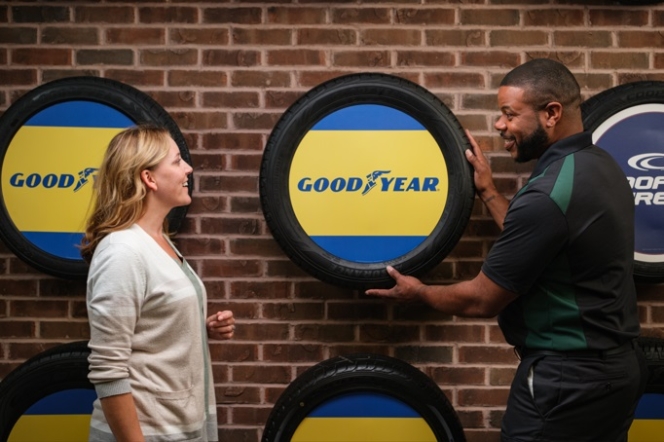
Just Tires has opened a new location at 112 N Larkin Ave. in Joliet, bringing expert tyre and automotive care to a community known for its cruise nights and race weekends. The store welcomed customers on 23 September 2026, offering drivers a trusted destination for maintaining the vehicles that keep them moving.
Backed by more than 125 years of Goodyear expertise, the Joliet store’s technicians help customers select the right tyres and care for their vehicles, whether for daily commutes or trips to the track. The location carries a broad selection of Goodyear and Cooper tyres, including the Eagle F1 All Season for year-round performance, the Wrangler Steadfast HT for highway comfort, the Assurance WeatherReady 2 for all-weather driving and the ElectricDrive 2 for EV-focused performance, along with high-performance, all-weather and all-terrain options.
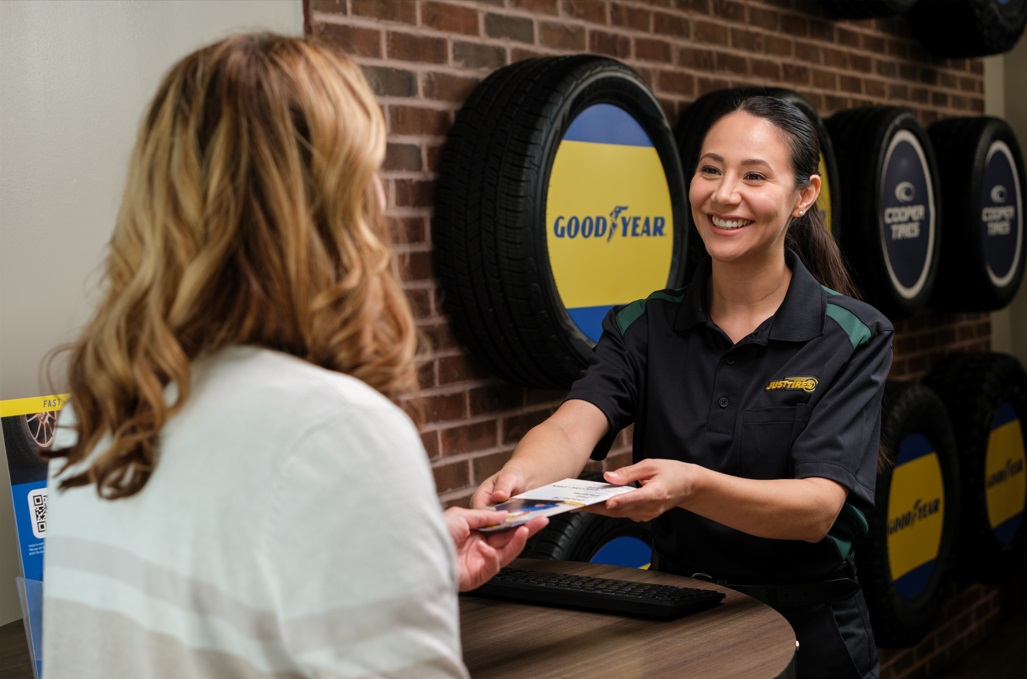
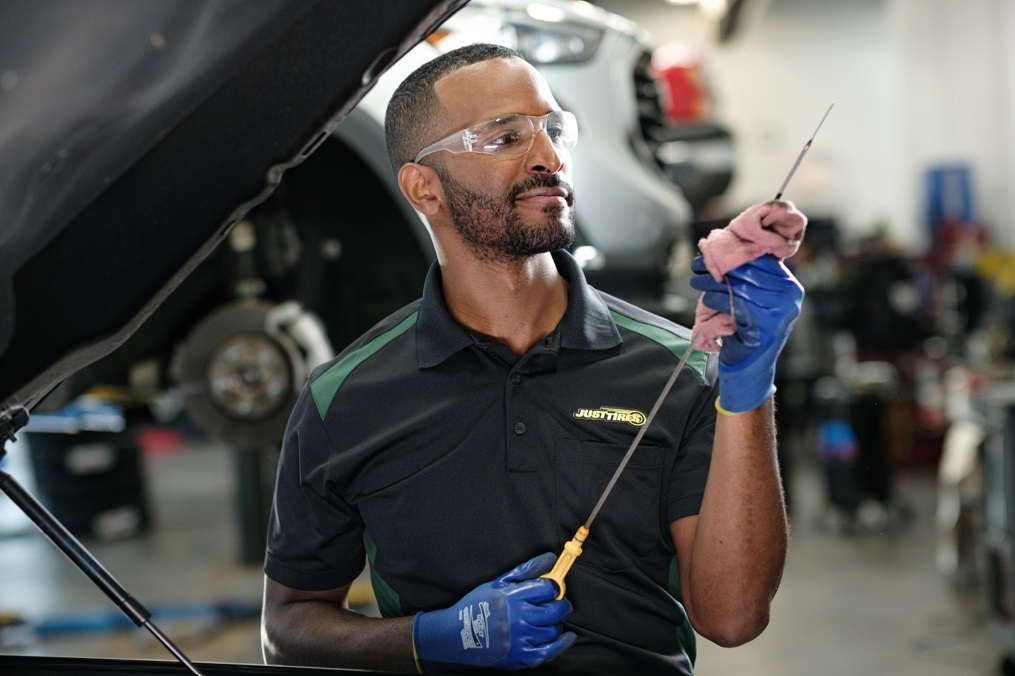
Services at the new store include tyre installation, TPMS sensors, air refills, oil changes, wheel alignments, brake service, battery replacement and free maintenance inspections. With cooler weather approaching, every service includes a complimentary Courtesy Tire & Maintenance Inspection covering tyre pressure, tread depth, battery, brakes and accessible fluids, plus free air to support proper inflation, performance and fuel efficiency.
To celebrate the opening, a sweepstakes running from 15 September through 15 October invites fans to purchase a set of four Goodyear tyres on Goodyear.com or through Goodyear Auto Service and Just Tires stores and submit an entry form. One randomly selected winner will receive a blimp flight certificate for two passengers, redeemable at any of Goodyear’s three US airship bases in Akron, Ohio, Carson, California or Pompano Beach, Florida.
Sri Trang Group Honoured With Plaque Of Appreciation At Mahidol Day 2026 Ceremony
- By TT News
- September 25, 2026
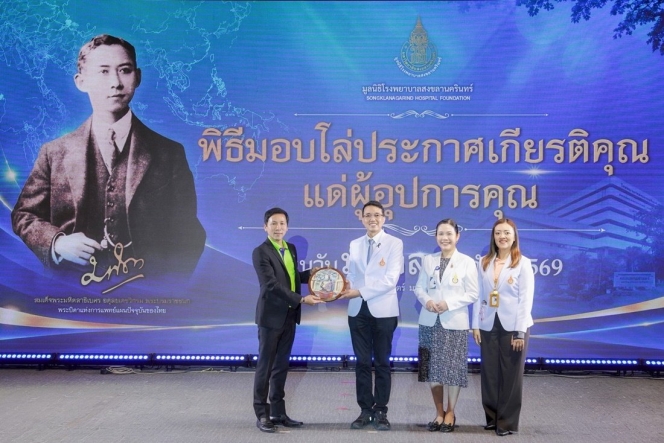
Sri Trang Group has been recognised for its philanthropic support with a plaque of appreciation at the Mahidol Day 2026 ceremony. The award was accepted by Somporn Pannarai, Chief Procurement Officer of Sri Trang Agro-Industry Public Company Limited (STA), on behalf of the Group's management. The presentation took place on 24 September 2026 at the Faculty of Medicine, Prince of Songkla University.
The plaque honoured benefactors who contributed to the work of the Faculty of Medicine and the Songklanagarind Hospital Foundation during the southern Thailand floods in 2025. Mahidol Day itself commemorates His Royal Highness Prince Mahidol Adulyadej and his lasting contributions to medicine and public health across the nation.
With its origins in southern Thailand, Sri Trang Group – represented by STA and Sri Trang Gloves (Thailand) Public Company Limited (STGT) – stated it was honoured to have backed initiatives benefiting the public. The Group reiterated its dedication to enhancing quality of life and supporting communities both in the South and throughout the country.
Endurica Founder To Receive ACS Rubber Division's Top Technology Honour
- By TT News
- September 25, 2026
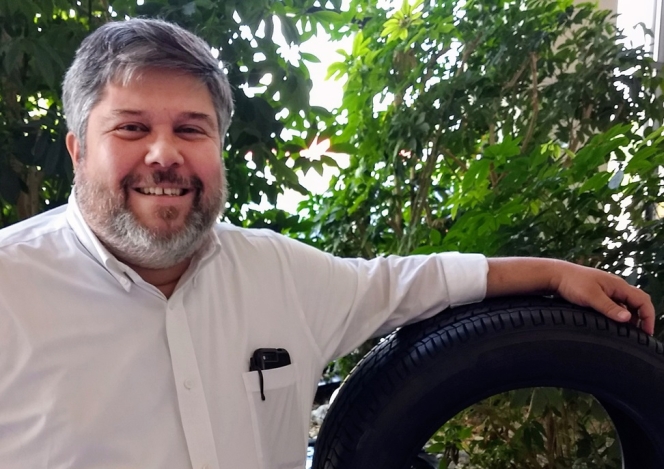
Dr William Mars, Founder and President of Endurica, has been named the 2026 recipient of the Rubber Division, American Chemical Society (ACS) Melvin Mooney Distinguished Technology Award. The honour recognises exceptional technical competency demonstrated through significant and repeated contributions to rubber science and technology.
Dr Mars is widely regarded as a pioneer in elastomer durability, having developed critical plane analysis methods and fatigue life simulation techniques that are now employed throughout the global tire and rubber industry.
The award will be presented during a special event at the Global Polymer Summit (GPS), scheduled for 28–30 September in Louisville, Kentucky. As part of a science and technology awards symposium at the summit, the Endurica leader will deliver a special lecture.

Comments (0)
ADD COMMENT