

Towing Breakdowns Reach Record High As Vehicle Fleet Ages, Says UKTSA
- By TT News
- August 12, 2026
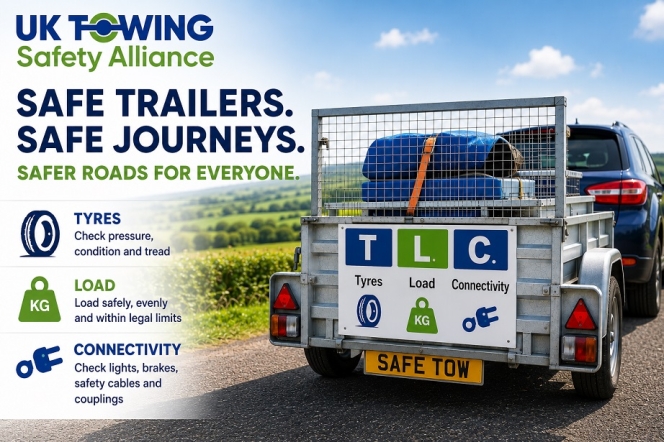
The UK Towing Safety Alliance (UKTSA) has published a comprehensive four-year analysis of incident data from National Highways’ Strategic Road Network, covering 2022 to 2025. The findings reveal a 23 percent rise in total towing-related incidents, driven primarily by a maintenance crisis affecting utility and commercial trailers. While traffic collisions involving towed vehicles decreased by 17 percent, mechanical breakdowns now constitute 77 percent of all towing-related incidents, highlighting vehicle and trailer condition as the sector's foremost challenge.
The data coincides with SMMT Motorparc 2025 figures showing Britain's vehicle fleet at its oldest recorded level, with average car age reaching 9.7 years. The summer harvest season has also arrived, bringing agricultural trailers back to roads after months of disuse. NFU Mutual research indicates collisions involving agricultural vehicles are 56 percent more likely between May and September, reinforcing the need for pre-journey roadworthiness checks.
Utility and agricultural trailers now account for nearly half of all towing-related callouts, surpassing 3,000 incidents in 2025. Regionally, the North West has overtaken the South East as the most incident-prone area, with trailer failures surging 60 percent since 2022, while the North East recorded a 55 percent increase. A growing divide exists between leisure and commercial towing sectors.
Leisure sector improvements, including fewer horsebox incidents and regional caravan reductions, suggest awareness campaigns are yielding positive results. However, utility trailer failures continue climbing, indicating maintenance standards across commercial and domestic sectors require greater attention. Regular servicing, correct loading and proper coupling remain essential to prevent avoidable incidents.
For working trailers, summer represents peak operational period, with agricultural and utility trailers seeing intensive use while rural roads become busier with tourists and cyclists. The Alliance emphasises that trailers stored for extended periods require thorough inspections before returning to service.
The UKTSA urges all towers to perform three essential checks covering tyres, load and connection before every journey. Tyres must be inspected for pressure, tread and deterioration; loads correctly distributed and couplings and electrical connections verified. The Alliance will place ‘The Working Trailer’ at the centre of safety campaigns, collaborating with industry partners to boost maintenance awareness and reduce preventable breakdowns across the Strategic Road Network.
A spokesperson for the UK Towing Safety Alliance said, “It’s encouraging to see fewer collisions involving towing vehicles, which suggests that drivers are becoming more aware of safe towing practices. However, that progress is being undermined by a growing number of preventable mechanical failures. The challenge is no longer simply about how people tow – it’s increasingly about what they’re towing and the condition it’s in. As both tow vehicles and trailers get older, regular maintenance has never been more important.”
Stuart Lovatt, Chair of TyreSafe, said, “Harvest season places extra demands on both vehicles and trailers, particularly those that may only be used for a few months each year. One of the most common issues we see is tyres that appear to have plenty of tread but have deteriorated through age, weathering or prolonged storage. Whether you’re towing a livestock trailer, plant trailer, horsebox or caravan, tyres should always be inspected for correct pressure, damage, cracking and signs of ageing before every journey. A few minutes spent carrying out these checks can prevent breakdowns and significantly improve safety for everyone using our roads.”
Sarah Smithurst MBE, COO, National Trailer & Towing Association (NTTA), said, “Across the NTTA network, we’re seeing a noticeable increase in enquiries from people looking to refurbish older trailers or source second-hand trailers, including imported models, as a more affordable alternative to buying new. While extending the life of a trailer is often entirely appropriate, it’s essential that owners understand that trailers are not maintenance-free. Many have been in service for years, sometimes decades, and components naturally deteriorate over time, even if the trailer has seen relatively little use. Every trailer should be thoroughly inspected before it returns to the road, with particular attention paid to tyres, brakes, bearings, couplings and lighting. Investing in regular servicing and maintenance is far less costly than experiencing a breakdown – or worse, being involved in an incident. The NTTA continues to help and advice new and old trailer users about safety and many are asking for help when towing, especially the reversing aspect of a trailer, now the B&E test was withdrawn. We are also seeing more trailers being repatriated from North America and Europe rather than purchasing new in the UK.”
Michelin UK Survey Finds Half Of UK Drivers Unsure On Basic Tyre Safety
- By TT News
- October 24, 2026
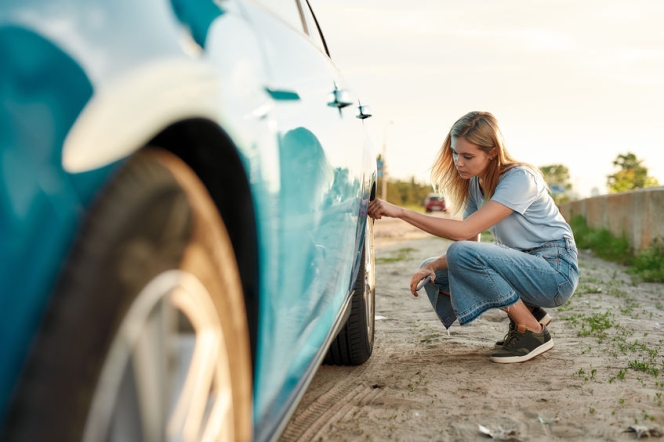
Michelin UK is calling on motorists to check their tyres this October after new research (OnePoll survey of 2,000 UK drivers, conducted in September 2026, commissioned by Michelin) found that half are unsure about some of the most basic elements of tyre safety. The findings arrive as TyreSafe's Tyre Safety Month gets underway and suggest that while drivers recognise vehicle safety matters, knowing what to inspect and how to act when something requires attention remains unclear for many.
Nearly a quarter of those surveyed (24 percent) cannot tell whether their tyres are road legal, and only 53 percent know that the UK's legal minimum tread depth is 1.6 mm. Everyday maintenance also presents difficulties: 19 percent of motorists are not confident about inflating tyres and setting pressures correctly, and 56 percent lack confidence in using a tyre repair kit.
Since tyres are vital to braking, handling and grip, Michelin stresses that knowing how to check and maintain them is essential for the safety of drivers, passengers and other road users. The company is therefore urging drivers to act now and inspect their tyres during Tyre Safety Month rather than waiting for problems to emerge.
Michelin points drivers to four key areas of tyre care. On legality, UK car tyres need at least 1.6 mm of tread across the central three-quarters of the tread around the entire circumference, and drivers should watch for visible damage including cuts, cracks and bulges. On tread depth, regular checks are preferable to waiting for the legal limit; a gauge gives an accurate reading, while a 20 pence coin offers a handy alternative because its rim measures 1.6 mm.
On pressures, Michelin notes that incorrect inflation can affect handling, braking, fuel consumption and tyre wear. Drivers should check when tyres are cold, follow the manufacturer's recommendations, usually in the handbook or on a label inside the vehicle, and use a pressure gauge. On damage, drivers should learn their tyre repair kit before an emergency; many modern vehicles carry a sealant kit instead of a spare wheel, injecting sealant through the valve to temporarily seal certain punctures and restore pressure so the vehicle can reach safety or the nearest tyre professional.
Joe Brammer, Technical Manager, Michelin UK, said, “The findings highlight an opportunity to make tyre safety advice more accessible and help motorists feel better equipped to make informed decisions about their vehicles. By understanding a few key checks and knowing when to seek professional advice, drivers can take a more active role in maintaining their tyres and help to keep themselves and others safe on the road.”
Toyo Tires Treadpass To Spotlight 27 Custom Vehicle Builds At 2026 SEMA Show
- By TT News
- October 24, 2026
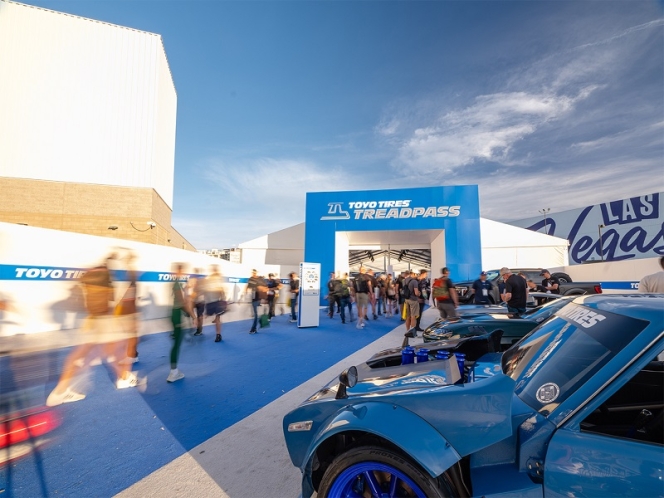
Toyo Tires will stage its Treadpass showcase at the 2026 SEMA Show in Las Vegas from 3–6 November, assembling a hand-picked roster of vehicles making their global premieres. Set between the Las Vegas Convention Center's Central and South Halls, the exhibit pairs the tyre maker with skilled builders, handing them a high-visibility platform for their craft.
Twenty-seven world-debut machines will populate this year's display, spanning a spectrum broad enough to satisfy nearly any automotive taste. Among them are a 1979 Porsche 935 styled after racing machinery and powered by a 637-horsepower electric drivetrain, alongside a 2027 Rolls-Royce Cullinan with a custom body kit marking its first North American appearance. Toyo Tires will again dedicate a section of its website to detailing each build, listing model year, make, model, wheel and tyre fitment and other notable modifications.


Working with Time Capsule, a business-to-business firm known for finely crafted diecast miniatures, Treadpass will host an oversized die-cast toy box. The centrepiece is a 2014 Scion FRS (Toyota GT86) conceived and assembled by Daniel Song of DRVNmind. It carries the first Neo86 widebody conversion fitted outside the demonstration car built in Japan a year earlier, restyling the Scion with cues drawn from the iconic AE86 and honouring the celebrated US-built AE86 nicknamed ‘Run Free’. A Beams 3SGE swap with individual throttle bodies from Panic Made and custom high-rise headers from Dream Maker Goods sit under the hood, while Rays TE37V 18x10 wheels in Dash White carry Toyo Proxes Sport R 255/35/18 rubber.


Leen Customs returns as a collaborator, with limited-edition pins once again part of the SEMA experience. Ten designs will honour select Treadpass vehicles and be handed out at scheduled times. A separate 11th pin will be offered during an Artist's Meet with Leen Customs founder Hansel Echeverria on 4 November from noon to 1 p.m.
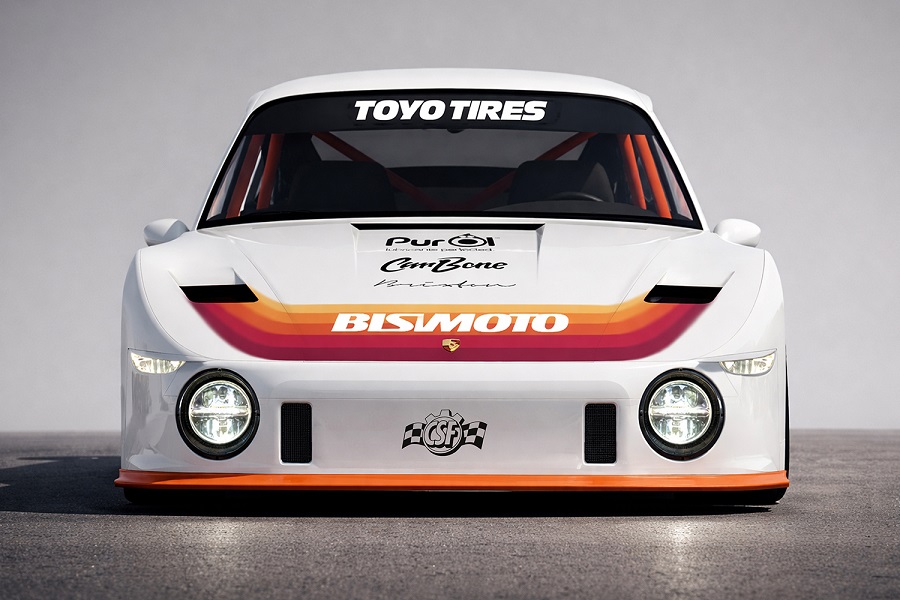

As the industry's premier trade gathering, the SEMA Show draws manufacturers and buyers from every sector. Toyo Tires remains a highlight, presenting distinctive builds from leading shops nationwide. Among the vehicles on view will be a 1972 Chevrolet Blazer K5 by Tony Arme, a 1974 Capri Mk 1 by JH Restorations Ltd., a 1979 Ford F-250 Crew Cab by Fat Fender Garage, a 1979 Porsche 935 Baby Moby by Bisimoto and a 2027 Rolls-Royce Cullinan by WALD USA. Further details on the tyres behind these builds can be found on the Toyo Tires website.
Stan Chen, Deputy Director – Consumer Marketing, Toyo Tire U.S.A. Corp, said, “Over the years, Treadpass has been an incredible way for us to collaborate with top builders and create a one-of-a-kind experience at the SEMA Show. We are thrilled to bring the activation back for its 13th year and deliver another unforgettable experience for attendees while showcasing the largest culmination of world-debut cars at this year’s show.”
Sri Trang Group Companies Secure Six Honours At IAA Awards 2026
- By TT News
- October 24, 2026

Sri Trang Agro-Industry Public Company Limited (STA) and Sri Trang Gloves (Thailand) Public Company Limited (STGT) collectively secured six accolades at the IAA Awards for Listed Companies 2026, a recognition reflecting their strength in corporate management, financial stewardship and investor relations. The Investment Analysts Association (IAA) hosted the ceremony on 21 October 2026, at the Eastin Grand Hotel Phayathai.
STA claimed all three honours in the Agro Industry category for a second straight year. Chief Executive Officer Veerasith Sinchareonkul was named Outstanding CEO, with Thitima Wongwairoj, Regional Finance and Controller Manager, accepting on his behalf. Chief Financial Officer Patrawut Panitkul received the Outstanding CFO award, also collected by Wongwairoj. Executive Director Vitchaphol Sincharoenkul earned Outstanding IR recognition, with Pimpetch Sapkhoonthawee of Investor Relations accepting for him.
STGT, which won Outstanding CEO and Outstanding IR in 2024, took three awards in the Consumer Products category. Chief Executive Officer Jarinya Jirojkul was honoured as Outstanding CEO, while Chief Financial Officer Thanawan Sa-ngiamsak received Outstanding CFO. Chairman of the Executive Committee Vitanath Sincharoenkul was named Outstanding IR, with Sa-ngiamsak accepting on his behalf.
The six awards underscore the confidence of Thai securities analysts and fund managers in both companies' management teams amid global economic uncertainty. Sri Trang Group continues to uphold good corporate governance, rigorous financial discipline and transparent disclosure while integrating environmental, social and governance principles into its operations. These include STA's responsible raw material sourcing and EU Deforestation Regulation preparedness, alongside STGT's delivery of products meeting international quality standards. The IAA Awards, among Thailand's most prestigious capital market honours, are scored by analysts and fund managers on management expertise, disclosure quality and investor engagement.
Veerasith Sinchareonkul, Chief Executive Officer of Sri Trang Agro-Industry Public Company Limited, said, “Receiving awards in all three categories for the second consecutive year is a great honour and a source of pride for Sri Trang. This recognition inspires us to continue upholding the highest standards of excellence. It reflects the dedication of our executives and every member of our team, who work together to advance the business responsibly and with a firm commitment to good corporate governance. As economic and industry conditions evolve, we will continue to communicate accurately, transparently and promptly about both opportunities and challenges, enabling investors to understand our strategic direction and strengthening their confidence in our long-term growth.”
Jarinya Jirojkul, Chief Executive Officer of Sri Trang Gloves (Thailand) Public Company Limited, said, “At Sri Trang Gloves, trust begins with the quality of the rubber gloves we deliver to users around the world and the responsibility with which we manage our business. Receiving awards in all three categories this year is a source of pride for our entire team, whose collective efforts uphold product quality, sound financial management and effective investor communication. We remain committed to financial discipline, prudent resource management and open, transparent disclosure so that shareholders and investors understand our performance, opportunities and risks. We will continue to develop our business to create long-term value.”
Joseph Stanekenas Wins Goodyear Highway Hero Award
- By TT News
- October 24, 2026
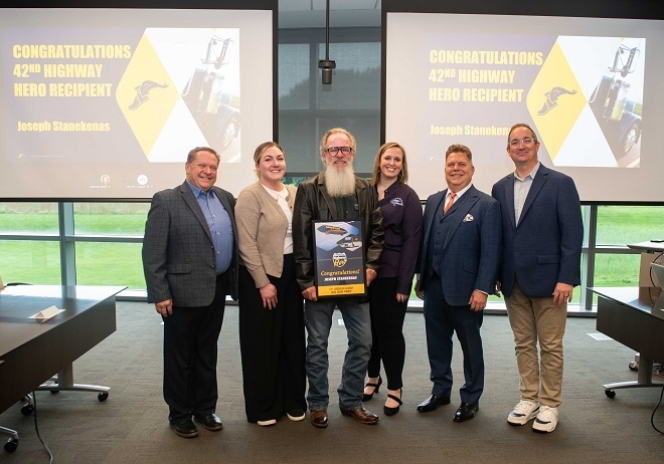
The Goodyear Tire & Rubber Company has named Joseph Stanekenas, a professional driver with General Transport, as the recipient of the 42nd Goodyear Highway Hero Award. The honour recognises his courageous response to a serious highway accident involving a semi-truck that had collided with another trailer and caught fire.
Upon witnessing the crash, Stanekenas immediately parked his vehicle and rushed to assist the driver trapped inside the burning truck. With the help of fellow commercial driver Charles Johnson, he led the rescue despite dangerous conditions, and the two men pulled the driver from the vehicle and moved him to safety. The driver survived thanks to Stanekenas' swift initial response and the pair's shared willingness to risk their own safety for a stranger.
Established in 1983, the Goodyear Highway Hero Award recognises professional truck drivers across the US and Canada who demonstrate exceptional courage and selflessness on the job. As the 42nd recipient, Stanekenas will receive a cash prize and a ride aboard the iconic Goodyear Blimp, with Johnson also invited to join the Blimp experience in recognition of the teamwork that made the rescue possible. The award reflects Goodyear's commitment to honouring the commercial trucking industry and the drivers who keep North America's roads, businesses and communities moving.
Karly Becker, Director of Safety, General Transport, said, “Joseph has been a driver for General Transport for four years and is always willing to go above and beyond in every aspect. It is a pleasure to have Joseph as part of our fleet but our honour to nominate his heroic actions through Goodyear’s Highway Hero Award to save a stranger’s life.”
Joe Stuglis, Vice President, Commercial Sales North America, Goodyear, said, "Professional truck drivers keep goods and services moving across North America every day, but their impact often extends far beyond the freight they haul. Joseph and Charles demonstrated extraordinary courage and selflessness when they stopped to help a fellow driver in a life-threatening situation. Their actions made a difference, and we are proud to recognise their bravery."

Comments (0)
ADD COMMENT