

Tyrewise Funding To Boost Tyre Recycling In New Zealand
- By TT News
- July 07, 2025
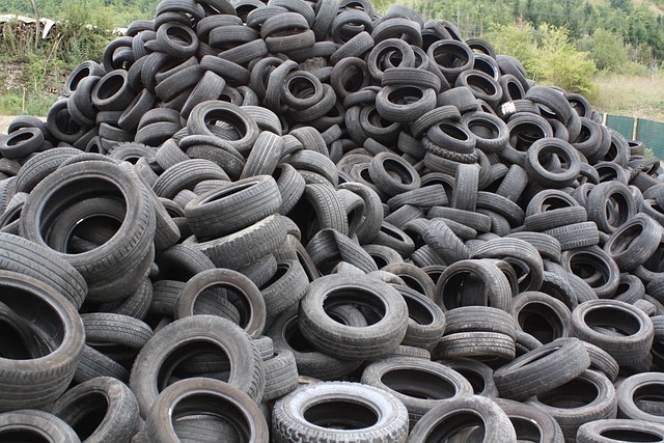
Tyrewise, New Zealand’s regulated product stewardship scheme for end-of-life tyres, is inviting innovators, investors and change-makers to submit their best ideas to develop the market for recycled rubber. With substantial funding now available, this initiative aims to transform worn-out tyres into valuable products while driving economic growth.
The first grant funding round is now open for expressions of interest, running from 1 July to 29 July 2025. A total of USD 7 million will be distributed across three rounds within the financial year. Tyrewise has ambitious targets: recycling 80 percent of end-of-life tyres into new products by its fourth year and over 90 percent by its sixth year.
Eligible applicants include registered NZ businesses, research institutes and universities, preferably with at least 12 months of operation. Strong environmental, safety and financial performance will also be key considerations. This is a unique opportunity to advance sustainable innovation in tyre recycling.
Mark Gilbert, Chair of Auto Stewardship New Zealand that governs the Tyrewise scheme, said, “Tyrewise works with the whole industry to ensure tyres are collected for recycling or repurposing. The scheme is achieving a high collection rate and is now focussing on developing high-value, best use recycling and repurposing solutions for the tyres. To enable this goal, Tyrewise is providing contestable funding to help develop end markets for the recycled rubber material from tyres in New Zealand.”
Adele Rose, Tyrewise Scheme Managers, 3R Group, said, “Tyres are a versatile resource that can be turned into many products or used in a number of processes, such as roading, playground surfacing, as a substitute for aggregate or even earthquake-proofing buildings. The market in New Zealand isn’t currently big enough though to take all the recycled rubber from tyres which are collected, so the aim of the fund is to stimulate the development of new products and markets here. The fund is structured into three main ‘streams’ – research and development, emerging markets and community development. This allows funding to back projects across the spectrum of the typical phases of product development. This is a call for expressions of interest. Once we have assessed them, we will ask for a more formal, detailed application. Kiwis are innovators by nature, so we’re excited to see what ideas are out there to create a circular economy for tyres here at home.”
Yokohama Inaugurates First Phase Of $500 Million Manufacturing Facility In Mexico’s Coahuila
- By TT News
- November 24, 2026
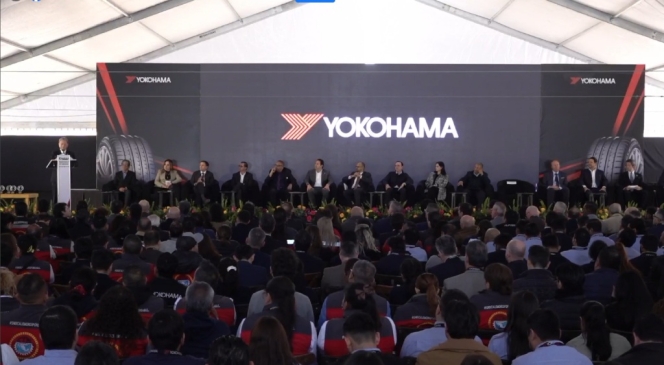
Japanese tyre major Yokohama Rubber is strengthening its manufacturing footprint in Mexico with a phased investment of approximately USD 500 million in a new tyre production complex in Coahuila, Mexico.
The new facility is positioned as a strategic base for supplying the Americas and expanding its presence in passenger car and off-the-road (OTR) tyre segments.
The Japanese tyre manufacturer inaugurated the first phase of its Derramadero facility in Saltillo, Coahuila, on 23 November 2026, while simultaneously initiating the next phase of expansion. The project marks a significant step in Yokohama's strategy to strengthen regional manufacturing, improve supply-chain responsiveness and tap opportunities across North American and Latin American markets.
Located within the Alianza Industrial Park, the facility is being developed across approximately 610,000 sqmt and will combine passenger car tyre production with manufacturing capabilities for off-road tyres catering to mining, construction and agricultural applications.
Masataka Yamaishi, Chairman & CEO, Yokohama Rubber Co, said, “Today marks a momentous milestone for Yokohama Group as we celebrate the grand opening of the first phase of passenger car tyre plant and the ground breaking of phase two of off-highway tyre facility in Saltillo. Establishing this manufacturing footprint in North America is a cornerstone of our global strategy enabling us to shorten lead time and deliver unmatched value to our customers across Americas.”
The first phase is designed to produce passenger car tyres, with an annual capacity of five million units at full utilisation. The second phase, scheduled to begin operations in 2028, will focus on off-the-road tyres, adding approximately 10,650 tonnes of annual production capacity, measured by rubber weight.
The expansion follows Yokohama's acquisition of Goodyear's off-the-road tyre business in 2025, which has strengthened its global position in the specialised tyre segment. The Mexican facility will play an important role in integrating the acquired business, expanding production capacity and improving supply efficiency.
Mexico's strategic location, established automotive manufacturing ecosystem, connectivity with the US through road and rail infrastructure and availability of skilled manpower were key considerations behind Yokohama's investment. The facility is expected to enable the company to serve customers more efficiently, reduce supply lead times and strengthen its competitiveness in the Americas.
The expansion is also expected to deepen Yokohama's engagement with the regional supplier ecosystem, creating opportunities for local sourcing, employment and industrial development. The combined project is expected to generate approximately 1,500 jobs, further strengthening Coahuila's automotive and manufacturing ecosystem.
Kuraray Secures SBTi Validation For 2035 GHG Emissions Reduction Targets
- By TT News
- November 24, 2026

Kuraray Co., Ltd. has announced that the Science Based Targets initiative (SBTi) has validated the Kuraray Group’s 2035 greenhouse gas (GHG) emissions reduction targets as science-based. The SBTi is an international body that assesses corporate GHG reduction goals for alignment with the Paris Agreement.
The validation covers two target areas. For Scope 1 and 2 emissions, the group aims to cut GHG emissions by 63.0 percent by 2035 relative to a 2021 baseline. For Scope 3 Category 1 emissions, the corresponding reduction target is 37.5 percent over the same period.
The Kuraray Group said it will pursue these goals through energy conservation, expanded use of renewable energy and related measures. The company framed the validated targets as part of its broader contribution to realising a decarbonised society.
Xingda Takes Centre Stage As Michelin's Strategic Sustainability Partner At 2026 CIIE
- By TT News
- November 24, 2026
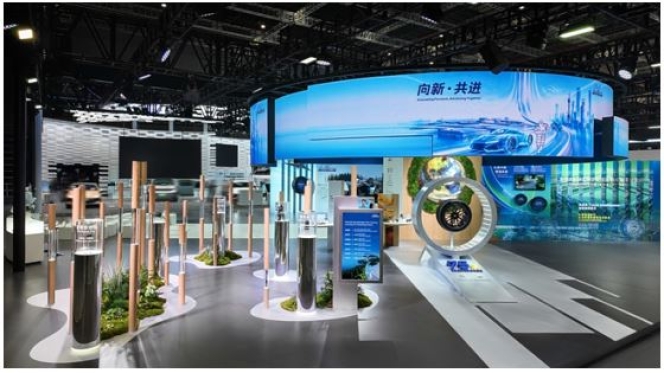
Xingda Group took centre stage at the ninth China International Import Expo (CCIE) in Shanghai as a key strategic and sustainability ecosystem partner of Michelin, with Vice President and Head of Sustainability Ye Wei leading its delegation to the event. Michelin marked its sixth appearance at the expo under the theme ‘Innovating Forward, Advancing Together’, unveiling a tyre made with 75 percent renewable and recycled materials in its Asia debut.
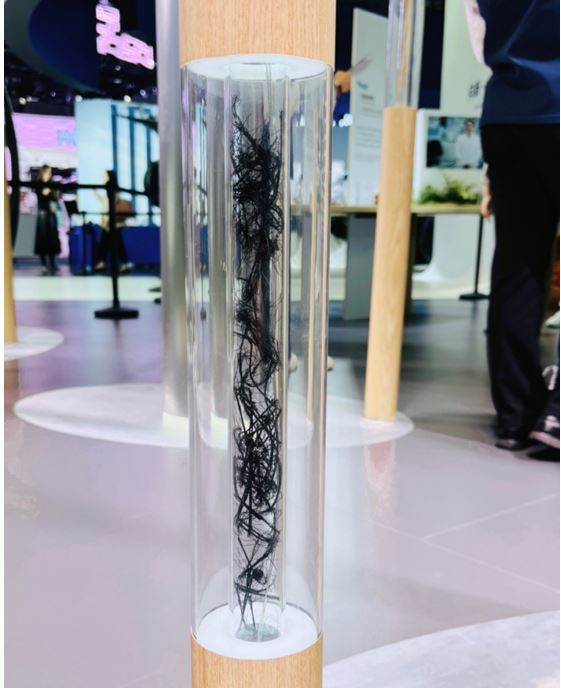
The display underscored Michelin’s green material technologies and its steady progress towards producing tyres entirely from renewable and recycled sources by 2050. At the Michelin booth, Xingda presented recycled-steel wire products tied to a joint high-recycled-content steel project, with Ye Wei walking visiting guests through the end-to-end manufacturing process.
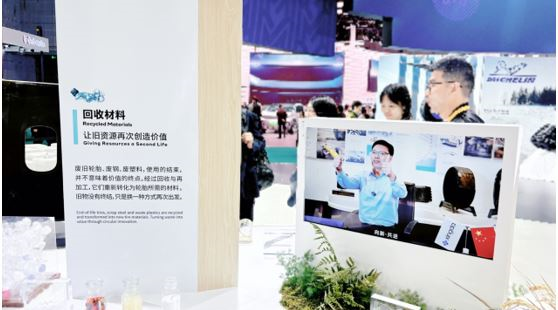
Xingda’s industrial practice demonstrated that steel cord is no longer a disposable consumable but a green core material capable of being recycled and reused in a sustainable loop. The two companies have long collaborated on low-carbon product development, circular economy initiatives and low-carbon supply chain building, while Xingda advances recycled steel adoption, product carbon footprint accounting and ISCC PLUS certification.
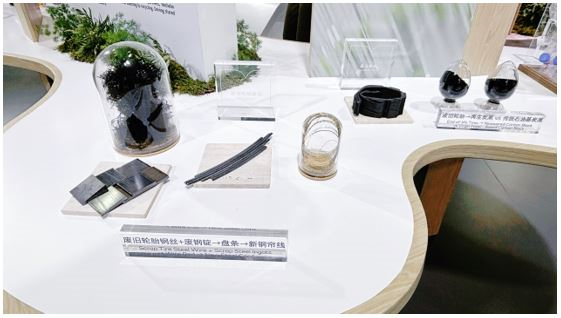
The Group has established a full closed loop spanning end-of-life tyre collection, recycled steel production, and manufacturing of green steel cord and bead wire. Its low-energy, low-carbon reinforcing materials support commercialisation of tyres with high renewable content, combining safety with sustainability. Xingda will continue working with industrial chain partners to strengthen the green materials supply chain and drive the tyre industry’s low-carbon transformation.
Continental Mulls Discontinuing Operations At Gqeberha Tyre Plant In South Africa
- By TT News
- November 24, 2026
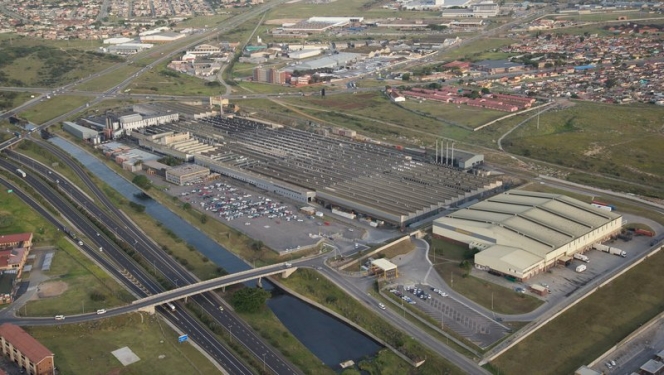
Continental has signalled that it may halt tyre manufacturing at its Gqeberha facility in South Africa, a move driven by sustained underutilisation of local production capacity that has persisted for several years despite extensive turnaround initiatives. The situation has been worsened by mounting price competition from low-cost imports and increasingly difficult market conditions, placing roughly 950 employees at potential risk.
In line with Section 189A of South Africa's Labour Relations Act, the company has launched a formal consultation process aimed at examining viable alternatives and discussing ways to soften the potential impact on workers. Should no workable alternative emerge from those talks, operations at the site could cease by early 2027. Continental has pledged to maintain open and constructive dialogue throughout, acknowledging the significant uncertainty the proposal creates for employees and committing to transparency and respect for every individual affected, while expressing sincere appreciation for the dedication, professionalism and contributions of the Gqeberha workforce.
Despite the possible production changes, the African continent and South Africa remain important markets for Continental, which intends to keep serving customers and sustaining its commercial presence across the region. The local sales organisation will continue operating from Gqeberha as usual, and the BestDrive retail network will remain unaffected by any potential changes to manufacturing operations.
Tyre production has taken place at the plant since 1947, with Continental-branded tyres manufactured there from 1985 for South African automotive manufacturers and the African replacement market. Yet the facility has confronted persistent competitive and operational difficulties, including low-cost import pressure, rising energy costs, supply chain disruptions and increasingly fragile infrastructure, all of which have raised manufacturing costs and complicated forward planning, leaving capacity significantly underused in recent years.


Comments (0)
ADD COMMENT