

- wdk
- German Rubber Industry Association
- German Rubber Industry
- German Rubber Industry Employers’ Association
- ADK
wdk President Warns Germany Losing Industrial Substance As Rubber Sector Declines
- By TT News
- May 06, 2026
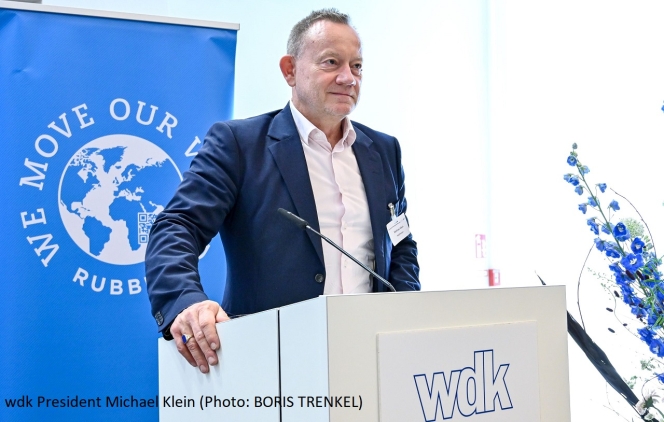
wdk, the German Rubber Industry Association, and the ADK, the German Rubber Industry Employers’ Association, hosted their annual Rubber Industry Day in Berlin on 28 April 2026. The event saw wdk President Michael Klein issue an urgent call for industrial policy measures, warning that pressure on Germany’s manufacturing base remains relentless. He argued that the country can no longer afford strategic delays, insisting that declarations of intent must be replaced by immediate action to reduce bureaucracy and energy costs for businesses.
Citing fresh member survey data, Klein reported that sales, revenue and production levels in Germany’s rubber industry are predominantly declining compared to the previous year. He described this downturn as a clear warning signal, noting that companies have exhausted their potential at domestic sites. Without political support, he added, only foreign markets remain viable alternatives, while Germany continues to lose industrial substance.
The wdk president stressed that the federal government’s failure to implement countermeasures risks permanent damage to the nation’s industrial base. He expressed bafflement that political decision-makers have long known what needs to be done yet have failed to act for an extended period. Klein concluded that proactive intervention is now essential, as the erosion of Germany as a production location must finally be stopped to preserve the manufacturing sector as the backbone of the economy and a guarantor of prosperity.
- German Rubber Industry Association
- wdk
- German Rubber Industry
- Unaccounted Used Tyres
- Circular Economy
- Tyre Recycling
wdk: Unaccounted Used Tyres Undermine Germany's Circular Economy
- By TT News
- October 17, 2026
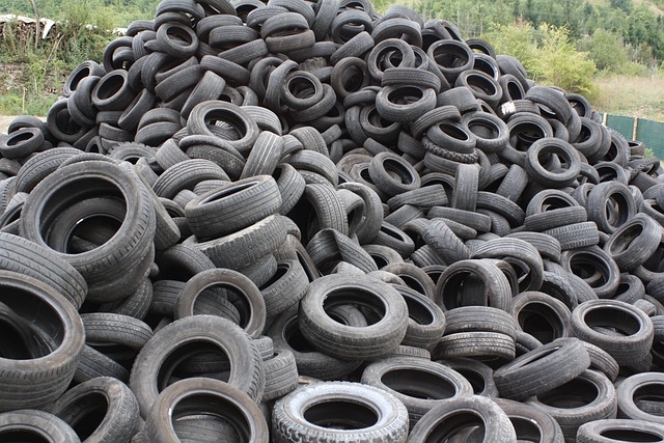
The German Rubber Industry Association (wdk) reported in Frankfurt am Main that used tyre disposal and recycling firms continue to face substantial shortages of used tyres, undermining a secure supply of secondary raw materials essential to a resilient and sustainable circular economy.
According to wdk Technical Director Stephan Rau, roughly 84,000 tonnes of used tyres were unaccounted for last year. These, and potentially far larger volumes, are suspected to have been exported outside the EU for incineration or pyrolysis under dire health and environmental conditions, removing them from German recyclers and the circular economy.
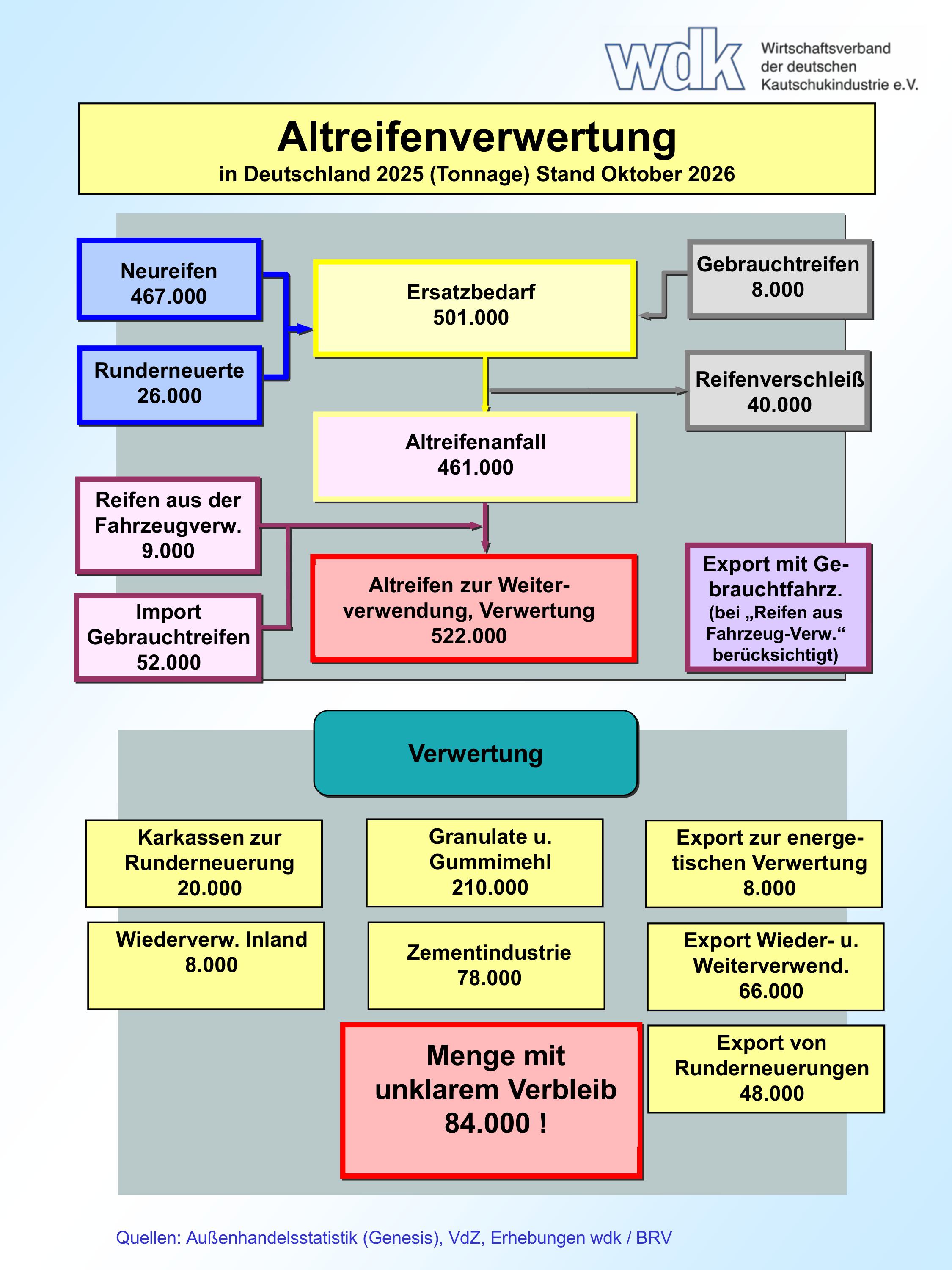
Although the loss rate has edged downward, the association argues that systematically recording waste tyres and their recycling pathways remains the most effective countermeasure. The wdk and allied organisations have urged this approach for years, describing it as easy to implement and capable of significantly strengthening the circular economy, provided political will emerges to support a functioning recycling system.
Rau also cited newly published statistics showing Germany generated 522,000 tonnes of waste tyres in 2025. Of that total, 210,000 tonnes became granules and rubber powder, now nearly triple the amount thermally recycled in the cement industry – a development the wdk called strongly positive, while noting that comprehensive quantity recording could enable substantially more tyres to be recycled.
Goodyear Highlights Century Of Design Collaboration At Paris Motor Show 2026
- By TT News
- October 16, 2026
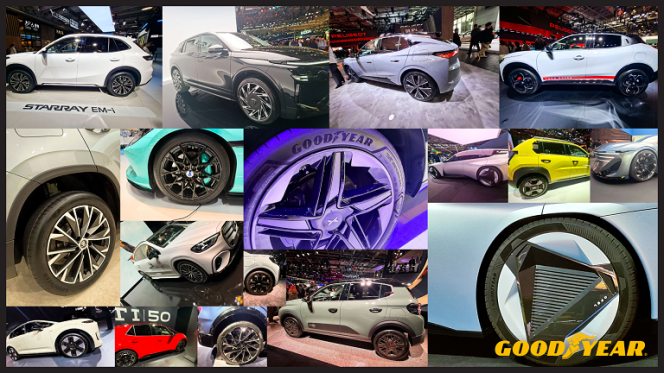
Goodyear is presenting a collection of forward-looking concept and production vehicles at the Mondial de l’Auto Paris 2026 (Paris Motor Show 2026), taking place from 12 to 18 October at Paris Expo Porte de Versailles, highlighting how tyres shape automotive design. For over a century, the company has influenced vehicle appearance, performance and driver connection, with its Advanced Design Studio partnering with manufacturers to create tyres that complement design, reinforce brand identity and support future mobility.
Sebastien Fontaine, Lead Designer at Goodyear’s Advanced Design Studio in Luxembourg, has explained that concept vehicles require customised tyres forming part of a vehicle’s visual identity and supporting the car designer’s vision. Close collaboration with OEM design teams lets Goodyear create unique solutions from early development through public reveal, using laser-carving technologies, customised sidewall treatments and premium production platforms.
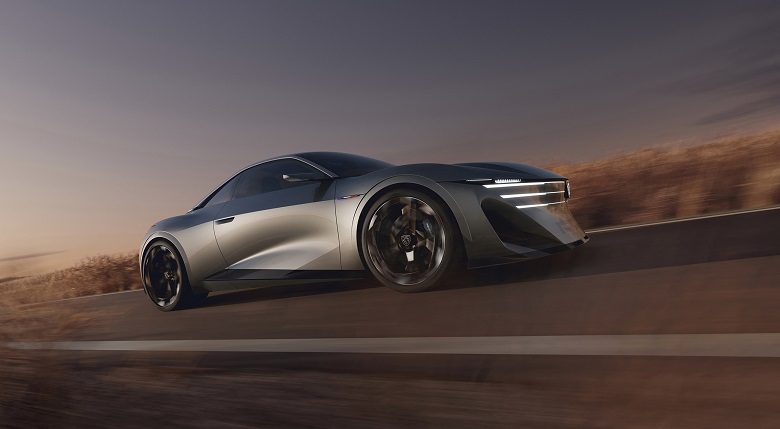
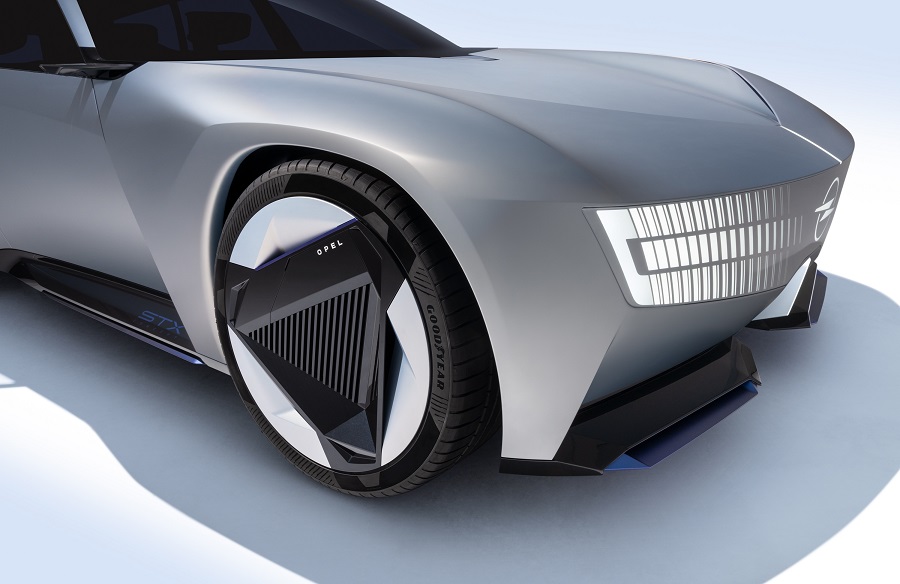
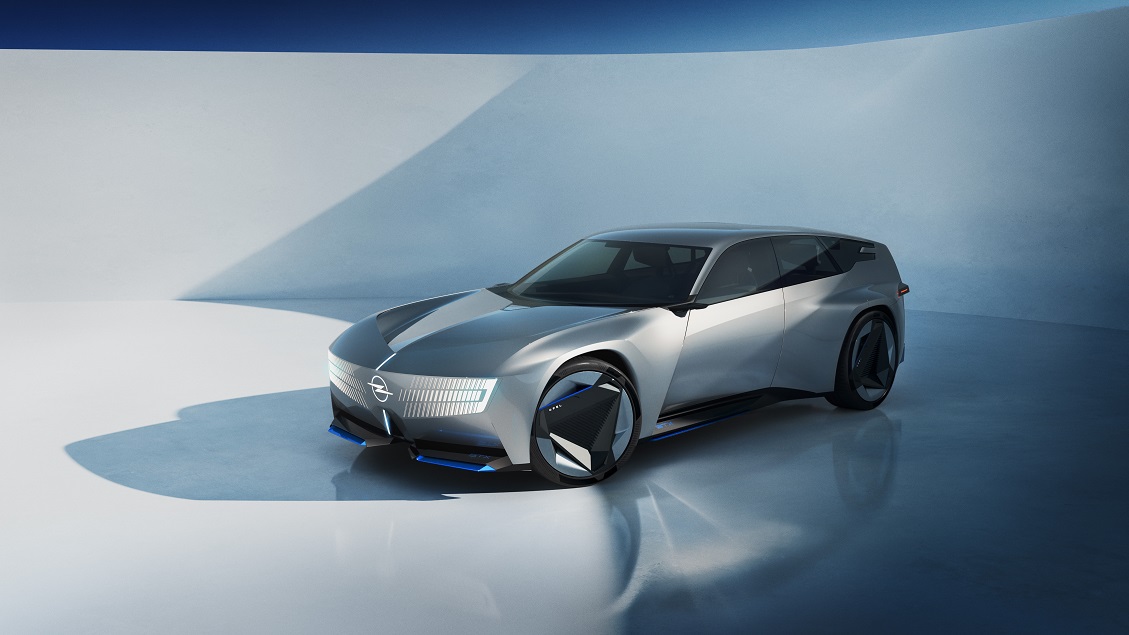
Opel’s Sports Tourer eXperimental Concept, displayed on the Opel stand, represents the next stage of the brand’s design philosophy and a bold vision for the electric estate of tomorrow. Its prominent ‘Opel Vizor’ face is accented by strong lighting signatures front and rear, while the side features fluid, technical surfacing, extendable diffuser elements and three-zone alloy wheels. The customised tyres, based on the Goodyear Eagle F1 Asymmetric and sized 285/35R22, were tailored to complement the concept’s athletic stance, with visual cues extending from rim to sidewall.
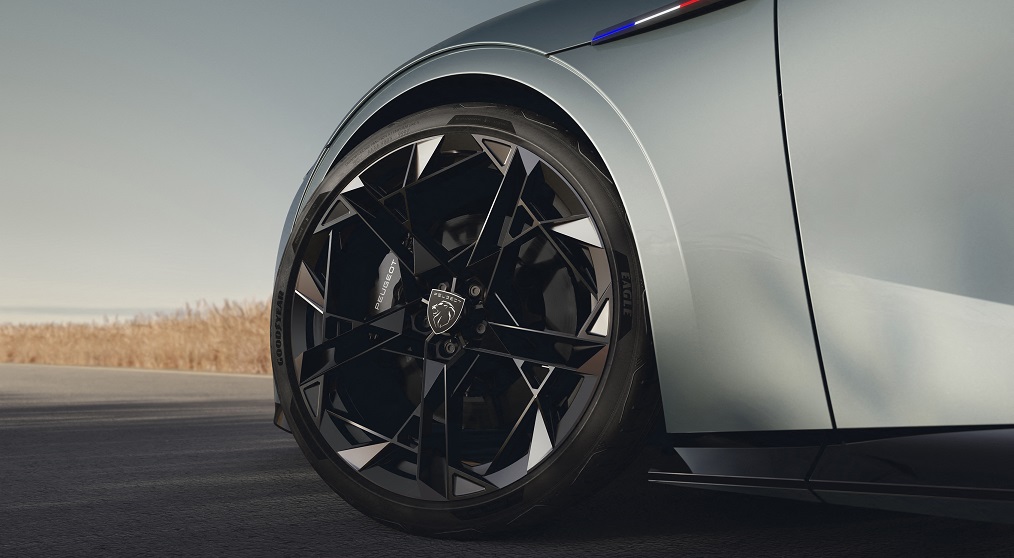
Peugeot’s RCZ Vision concept debuts as the latest expression of the ‘Feline Future’ design language, inspired by the RCZ Coupé produced between 2009 and 2015. It embodies a feline stance leaning forward, with defined shoulders and a light signature of three horizontal claws front and rear. Its electric architecture includes a solid-state battery and ‘X-by-Wire’ technologies, with 500 horsepower delivered through 21-inch front and 22-inch rear forged-aluminium wheels. Tyres based on the Goodyear Eagle F1 SuperSport, sized 255/35R21 and 295/30R22, feature a bespoke sidewall treatment connecting tyre to wheel and displaying the Goodyear and Eagle names.
Across the show, a wide range of production vehicles carry Goodyear tyres, spanning utility, sports, off-road, electric and petrol-powered models. These tyres are developed for efficiency, grip and durability, enhancing each vehicle’s capabilities. Highlights from Audi, Mercedes-Benz, Jeep, DS, Volkswagen, Lancia, Fiat, Renault and others can be followed on Goodyear’s social channels.
Goodyear’s concept vehicle presence extends beyond the current show. For decades, it has collaborated with manufacturers on visionary concepts through innovative tire designs and custom OE partnerships. Milestones include the 2013 Wingfoot Concept and the 2015 BH-03 Concept, which introduced ideas around energy generation and intelligent mobility. The 2016 Eagle-360 Concept, featuring a spherical tire design, challenged conventional thinking about autonomous mobility, was named one of TIME Magazine’s ‘Best Inventions of 2016’ and earned several design awards.
Later concepts including IntelliGrip, Eagle-360 Urban, Oxygene, Aero and reCharge explored artificial intelligence, autonomous transportation, sustainable materials, flying mobility and renewable tyre technologies, with several earning international design and innovation awards. More recent collaborations include the Citroën Skate Concept, Citroën Oli, Toyota Aygo X Prologue, Lancia PU+RA HPE, Opel Experimental and Peugeot Polygon.
- Alliance for the Future of Tires
- AZuR Network
- NRW Tire Recycling Forum
- Mechanical Tyre Recycling
- Tyre Rubber Granulate
NRW Tire Recycling Forum To Showcase Tyre Recycling For Cities And Municipalities
- By TT News
- October 16, 2026
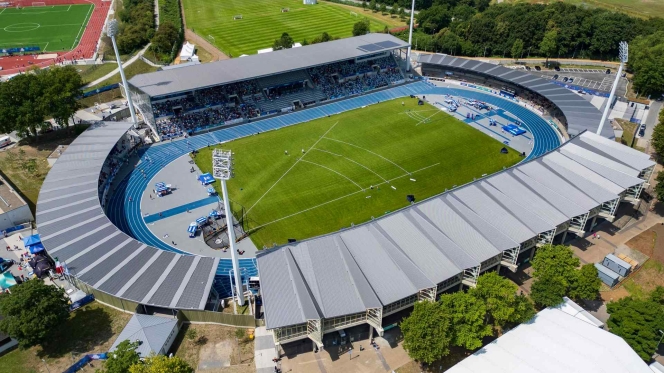
The Alliance for the Future of Tires (AZuR) is organising the NRW Tire Recycling Forum on 10 November 2026 at the Lohrheide Sports Park in Bochum, running from 10:00 a.m. to 2:00 p.m. Held under the umbrella of the North Rhine-Westphalia Roundtable on Circular Value Creation, the free event targets municipal officials responsible for building, sports, green spaces, road and civil engineering, along with sustainability and climate protection managers.
Discarded tyres can be transformed into an array of construction materials, including impact-absorbing sports surfaces, sound and vibration insulation and protective layers for green roofs and photovoltaic installations. The gathering will examine how municipalities can integrate such recycled goods into their infrastructure and building projects.
Expert presentations, real-world case studies and details on funding programmes for urban development and sports initiatives across North Rhine-Westphalia form the core of the agenda. Public procurement will receive particular attention, with discussion centring on how technology-neutral, quality-focused tendering can encourage greater adoption of suitable recycled products in municipal work.
A guided tour of the Lohrheide sports park's newly installed running track, which contains tyre rubber granulate, serves as a principal attraction. Attendees will learn about the material's characteristics, the construction process and lessons drawn from planning, tendering and execution, offering concrete evidence of mechanical tyre recycling within a functioning circular economy. The event also connects to North Rhine-Westphalia's new circular economy strategy, which treats used tyres as a distinct field of action.
BendPak Launches Ranger DST30PX Wheel Balancer For Oversized Wheels
- By TT News
- October 16, 2026
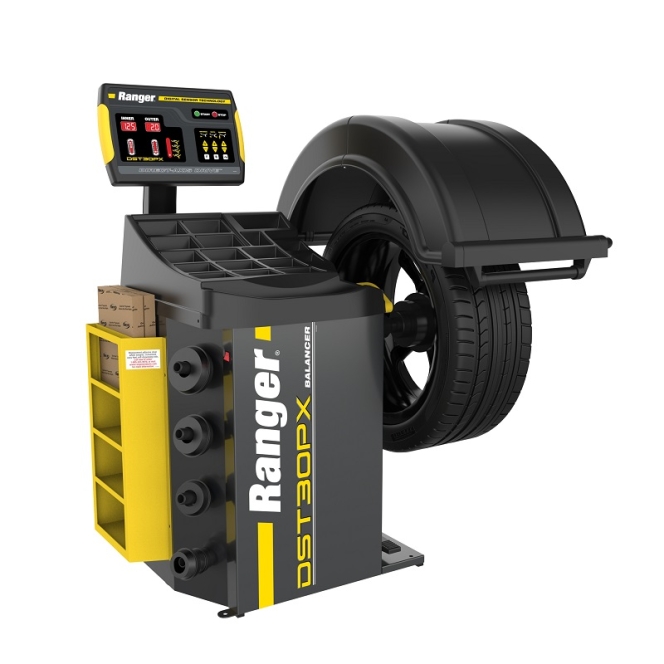
BendPak’s Ranger Division has introduced the DST30PX, a next-generation wheel balancer in its DST Series, built to help shops handle larger OEM wheel assemblies and heavy aftermarket truck tyres. Older balancing platforms can struggle with these oversized wheels, slowing service and creating bottlenecks. The DST30PX addresses those issues through a new hood design, a larger shaft and an overhauled structural chassis.
The robust hood accommodates a wider range of tyre shapes and sizes, including oversized off-road and fleet tyres, without time-consuming repositioning. Its open-side design lets wider tyres, aggressive offsets and bulky sidewalls slide in more easily, cutting setup time and allowing operators to position wheel assemblies up to 43 inches in diameter. Ranger reinforced the chassis and hood assembly to handle added mass without flexing, compromising alignment or generating excess vibration, supporting consistent measurements and reliable accuracy. The rugged 40 mm shaft increases stiffness and accuracy for heavier wheels.
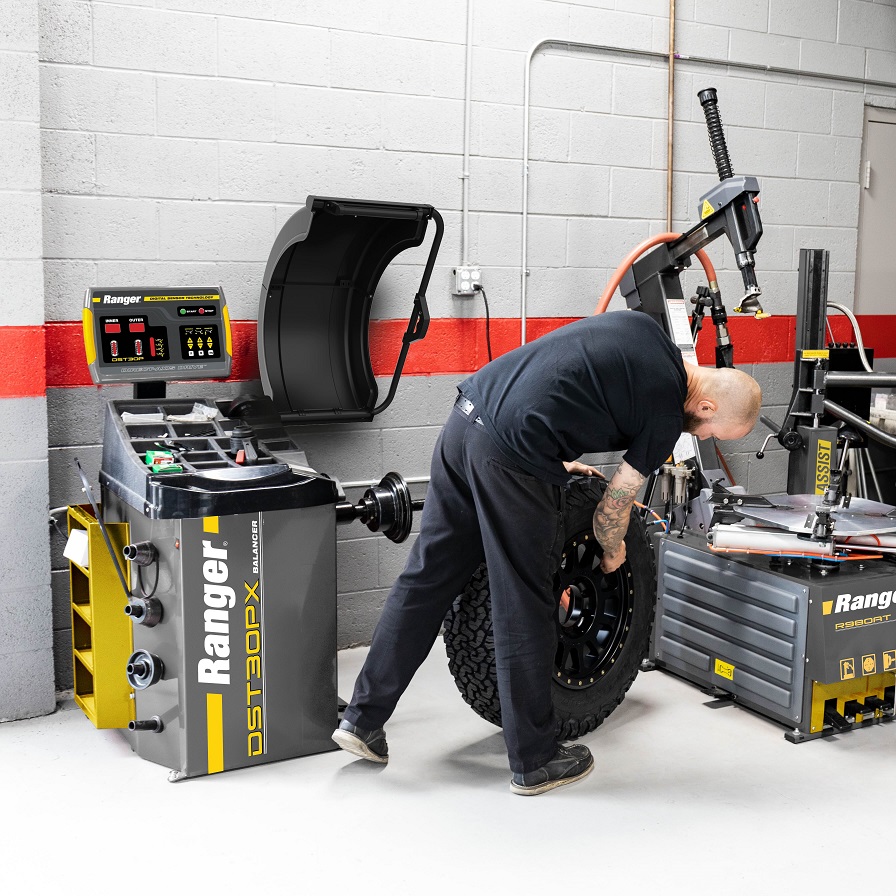
A large, 64-tooth magnetic transducer encoder with precision-cut square teeth converts rotary position into a digital electronic signal, helping achieve accurate profile readings and top-dead-centre positioning for minimal, precise wheel placement. This extra resolution benefits modern wheels requiring cleaner correction, smaller weight changes and better placement accuracy. The DST30PX also streamlines repetitive service through simple wheel data entry, precise rolling weight readings, automatic braking, manual or automatic hood-start operation and rapid cycle times. A quick-release hub nut, side-position brake, top-dead-centre weight indicator and tiered placement indicators accelerate setup and correction, while onboard storage includes a top tray, side cone pegs and a side shelf for Ranger Quick-Peel adhesive tape weight rolls.
Key features include a 145-lb (approximately 65 kg) capacity, a 30-inch wheel diameter range, a 43-inch maximum tyre diameter, low-RPM operation, a six-second cycle time, Dynamic, Static and Performance Alloy settings, a 16-bit processor, multi-directional quartz piezoelectric sensors, a multi-user save function with presets, ergonomic controls and a full-tilt LED display control panel. The DST30PX suits shops seeking higher precision, faster workflow, and advanced measuring for modern wheels without moving to a larger premium machine. It is ETL certified to applicable UL and CSA safety standards in the United States and Canada, ships with a starter kit of adhesive and clip-on steel wheel weights and offers Ranger Select setup and training.
Sean Price, Director of Product Development, BendPak, said, “The Ranger DST30PX represents a fundamental shift in how modern shops handle today’s radically heavier, oversized wheel configurations. It ensures technicians can mount, spin and perfectly balance oversized assemblies without a single second of wasted motion.”

Comments (0)
ADD COMMENT