

BKT Pushes For Regulatory Intervention To Lift India’s Retreading Rate
- By Gaurav Nandi
- October 29, 2026
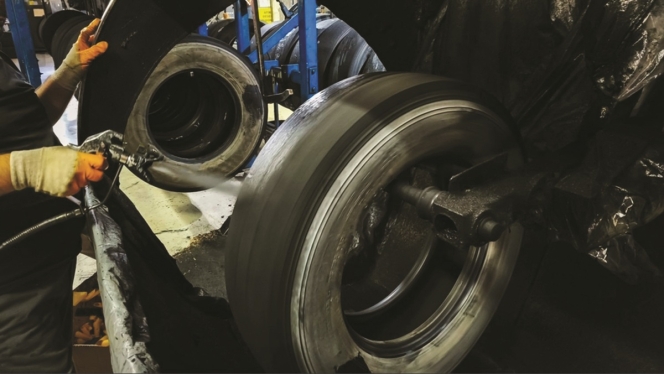
India’s retreading industry remains caught between its economic potential and structural neglect. Despite commercial vehicle tyres being designed for multiple lives, low casing preservation, rampant overloading, fragmented retreading operations and limited policy attention continue to restrict adoption. Balkrishna Industries Senior President & Director – Business Development and Strategy Satish Sharma believes regulation rather than incentives alone could change that trajectory. He argues that stronger enforcement and casing management could eventually push India’s retreading rate towards 90 percent.
Balkrishna Industries Ltd (BKT) has called for regulatory intervention to expand tyre retreading in India, arguing that market forces alone are unlikely to unlock the potential for extending commercial vehicle tyre life.
Speaking to Tyre Trends, BKT Senior President & Director – Business Development and Strategy Satish Sharma said that India could substantially increase the proportion of tyres receiving a second or subsequent life if policymakers create a supportive regulatory environment and enforce restrictions on commercial vehicle overloading.
“Obviously, to my mind, it needs government intervention. Regulatory intervention is a must to make this flourish,” told Sharma.
He said stakeholders across the tyre and retreading industries need to come together to develop an appropriate policy framework rather than pursue isolated initiatives. While stopping short of prescribing the exact structure of such regulation, Sharma said the fundamental objective should be to make retreading mainstream while tackling overloading, which damages casings and reduces their suitability for subsequent lives.
“The simplistic thing is a mandate that retreading is to be done and the corollary point is that overloading has to be checked,” he said.
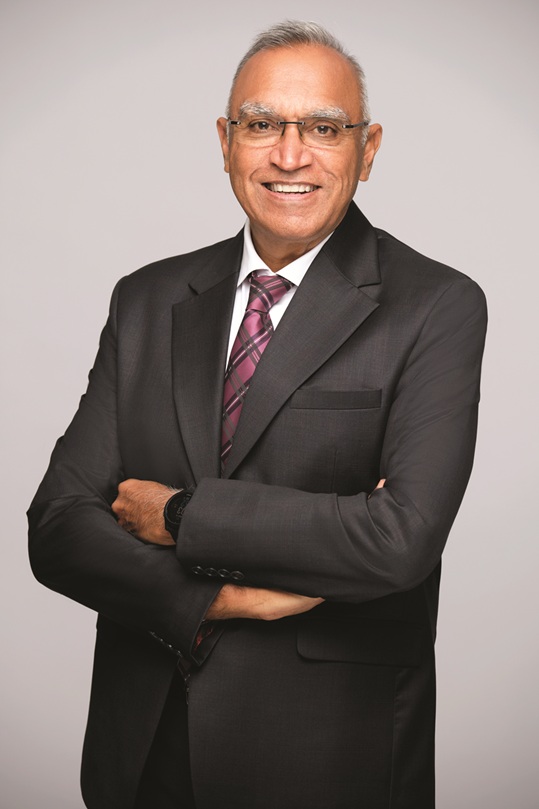 Sharma estimated that only around 20–30 percent of the potential retreading opportunity is currently being realised in India and said the proportion could ultimately reach around 90 percent. However, he acknowledged that such a transition would have to take place gradually.
He argued that commercial vehicle tyres are designed to deliver multiple lives, but poor operating practices can destroy casings before they reach the retreading stage. Despite improvements in India’s road infrastructure, Sharma said retreading has not progressed correspondingly.
POTENTIAL CAUSE
According to Sharma, overloading sits at the centre of the problem. Excessive loads can damage not only tyre casings but also vehicles, components and road infrastructure, undermining the economics of extending tyre life.
Sharma said stricter enforcement against overloading could itself provide a major stimulus for retreading without requiring the government to initially introduce financial incentives.
“I think incentives could be phase two. The trade will just flourish if you do the right thing, have good regulation and create the right environment,” he stated.
The call comes as BKT expands into India’s commercial vehicle radial tyre market. The company does not intend to enter the retreading business directly, Sharma said, but views retreading as an integral part of the commercial tyre lifecycle.
BKT has consequently spearheaded its ‘Save the Casing’ programme aimed at helping fleet operators preserve tyre casings during their first life so they remain suitable for retreading. The initiative involves working with end users to identify and avoid operating practices that can prematurely damage casings. “Once they are done with that, we will guide them to go for a retread and get the next life of the product,” Sharma said.
Beyond operating practices, Sharma identified fragmentation as another obstacle facing India’s retreading sector. He characterised much of the industry as cottage-scale with relatively few large, quality-conscious branded operators.
He also questioned recent changes to India’s GST structure. Sharma said new tyres previously attracted 28 percent GST compared with 18 percent for retreading, giving retreading a 10-percentage-point tax advantage. With the rates now aligned at 18 percent, he argued that the previous incentive has disappeared.
“Whatever little incentive was there has also been taken away,” Sharma said, describing the change as potentially an oversight that policymakers could reconsider.
SUPPORTING INFRASTRUCTURE
However, Sharma maintained that neither technology nor technical expertise is the fundamental constraint on the industry’s development. Modern inspection technologies such as shearography can identify internal casing defects, while experienced operators already possess considerable expertise in manually determining whether casings are suitable for another life.
“Casing inspection remains critical. Shearography detects internal defects including trapped air and separations that may not be apparent during conventional inspection. However, the relatively high cost of such equipment means it may remain beyond the reach of many smaller retreaders,” he noted.
He sees the challenge as creating an ecosystem that rewards casing preservation, improves operating practices and gives retreading greater prominence within transport economics.
Sharma also linked the case for retreading with India’s dependence on imported crude oil and rubber. Extending tyre life reduces the requirement for new material and could therefore deliver benefits beyond individual fleet operating costs, he argued.
Retreading also carries a measurable resource advantage. By extending the life of an existing casing, the process reduces the need for fresh inputs and energy-intensive production. Industry estimates suggest that each retreaded tyre can save around 57 litres of oil and 44 kilogrammes of natural rubber, while avoiding roughly 136 kilograms of carbon emissions compared with a new tyre. In that sense, retreading is not just a cost lever for fleets but a straightforward way to improve resource efficiency across the tyre lifecycle.
With tyre prices having increased in recent months, Sharma said the economics of extracting additional life from a casing are becoming increasingly relevant to transport operators.
Sharma also sees an opportunity to improve not only the number of tyres being retreaded but the quality of casings entering the retreading ecosystem. He said the condition of a casing at the end of its first life depends significantly on how the tyre has been operated, with driving behaviour, loading and road-related damage influencing whether it can be used again.
“The casing must come out clean. The wear should be uniform. It should not have irregular, patchy wear,” Sharma said, adding that road abuse and improper repairs can further compromise its suitability for retreading.
PRESENT AVENUES
He nevertheless reiterated that India already possesses considerable human expertise in casing inspection. Experienced operators at retreaders, fleet accounts and casing dealers can manually assess whether a tyre remains suitable for another life.
“If you were to educate them, invest in their training, like the skill programmes that the Government of India is running, that ecosystem can be developed,” Sharma said.
He estimated that experienced casing inspectors can achieve a 95–96 percent success rate in determining whether a casing can be retreaded. Sharma also highlighted the classification of casings into different quality grades, arguing that better tyre management during the first life could improve the economics of subsequent retreading.
“Even if, let’s say, 30 percent of retreading has happened, but if through our programme the C casing can become an A casing, for example, that itself will improve the economics,” he said.
Sharma believes a stronger market could eventually encourage greater investment and consolidation in what remains a fragmented retreading industry. Once businesses recognise a viable commercial opportunity, he expects entrepreneurs to invest in modern retreading facilities and build larger operations.
“There is no dearth of entrepreneurship which will go bigger and get into putting state-of-the-art retreading plants across the length and breadth of the country,” he said, adding that the underlying technology is already well understood.
Sharma pointed to international markets where an established casing supply chain allows retreaders to procure used casings rather than operate solely on a job-work model in which a fleet sends its own casing for retreading and receives the same tyre back.
Such a model, he suggested, could eventually support branded retreaded products in India, with companies sourcing suitable casings, processing them and offering finished retreaded tyres independently.
Sharma said such products can be offered at around half the cost of a new tyre, strengthening the commercial case for building a more organised retreading ecosystem.
For BKT, the objective is not to compete with retreaders but to make the casing and the value embedded in it a more important consideration throughout a commercial tyre’s operating life.
“Retreading needs to be popularised in our country. It will benefit multiple stakeholders. It is good for consumers, the government, transporters and for the tyre industry as well,” Sharma said.
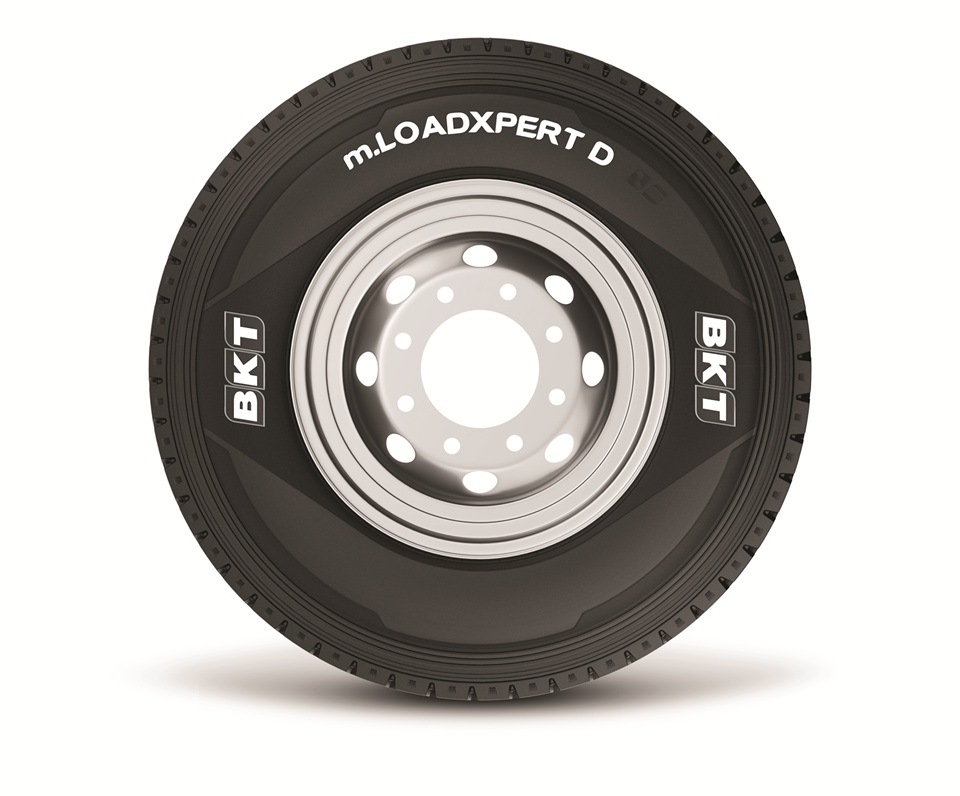
BEYOND RETREADER’S LENS
Sharma believes the debate around retreading needs to move beyond the commercial interests of retreaders and be considered in the wider context of resource utilisation, road infrastructure and transport efficiency.
“Don’t just look at it from a retreader’s lens. Look at why retreading is important,” he said.
According to Sharma, extending the useful life of a tyre casing can reduce the requirement for fresh resources while allowing transporters to extract greater value from an asset already in operation.
He questioned the consistency of promoting recycling and sustainable material use while failing to adequately encourage the reuse of tyre casings that are already designed for multiple lives.
Sharma also linked the issue to India’s broader transport ecosystem, arguing that overloading prematurely consumes resources embedded not only in tyres but across commercial vehicles.
“There are bushes, axles, wheels – and everything is getting impacted. We are talking about recycling in one place and we are destroying the metals and other resources of the planet which can get an extended life,” he said.
This, according to Sharma, is why changing operating behaviour is more important initially than providing financial incentives. He argued that voluntary change has not occurred at the required pace and regulation will therefore have to play a role.
“You have to change behaviour now by regulations,” he said.
Sharma also challenged the industry to reconsider the apparent contradiction between sustainability commitments and the relatively limited attention paid to retreading. While tyre manufacturers increasingly discuss recycled, natural and biodegradable materials in new products, he questioned whether extending the useful life of existing products has received comparable attention.
For BKT, that makes retreading a wider resource-efficiency proposition rather than simply an alternative tyre market. Sharma described it as a ‘low-hanging fruit’ capable of benefiting transporters, tyre companies, government and end users simultaneously.
The challenge, he argued, is getting the subject discussed beyond the relatively small retreading community and into the wider tyre, automotive and policymaking ecosystem.
“It just needs enough contemplation and discussion and conversation in the right rooms, right corridors of power,” Sharma said.
India’s retreading challenge, therefore, is less about technological capability than creating conditions in which preserving a casing makes economic and operational sense.
BKT’s intervention puts regulation and overloading at the centre of that debate; meanwhile, its own casing programme tests whether manufacturers can influence tyre use beyond the first life.
Moving from today’s limited adoption towards Sharma’s 90-percent ambition, however, will require more than advocacy as policymakers, tyre makers, retreaders and fleet operators will need to turn resource efficiency into routine operating practice.
Giti Tire USA Promotes Michael Markoff To Chief Operating Officer
- By TT News
- November 18, 2026
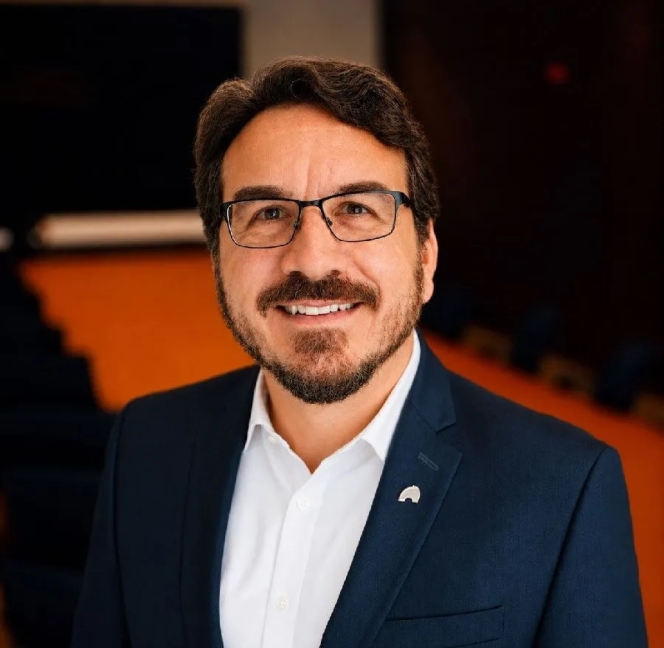
Giti Tire USA has named Michael Markoff Chief Operating Officer effective 1 November 2026, a promotion tied to a planned leadership transition as the company enters a major growth phase featuring the US debut of the Giti brand and sustained GT Radial momentum.
Phang Wai Yeen, previously Chief Executive Officer of North American operations, now leads global research and development. Markoff, formerly Executive Vice President of Sales and Marketing, answers to Executive Chairman Dr Enki Tan and adds Logistics, Supply Chain, Technical Service, Industry Relations and Product Development to his Sales and Marketing oversight.
A 29-year tyre industry veteran, Markoff spent over 26 years with The Goodyear Tire & Rubber Company in research and development, manufacturing, marketing and sales leadership roles across the United States and Europe. The US Army veteran steps into his duties at a moment of considerable opportunity for the brand portfolio.
Giti entered the US market this year, and GT Radial gained new products, wider awareness and its strongest Formula DRIFT season, taking the PRO Driver Championship with Conor Shanahan, a second straight Tire Cup Championship and Rookie of the Year honours with Cole Richards. The fastest road legal EV tyre Guinness World Record also fell recently. The Champiro SX2 RS was engineered and built at the Richburg, SC, plant, where both brands are produced.
Markoff said, “I am honoured to take on this role and build on the strong foundation our team has established. I look forward to working with our employees, customers and partners to strengthen our operations, enhance customer service and support Giti Tire USA’s continued growth.
“We have tremendous momentum across our business. The introduction of the Giti brand to the US market opens an exciting new chapter for our company while GT Radial continues to build on its success with innovative new products and an outstanding year in Formula DRIFT. Winning three major championships is a tremendous validation of our tire technology and performance capabilities.”
Synthomer Names Investment Banking Veteran Anthony Fitzpatrick As CFO
- By TT News
- November 17, 2026
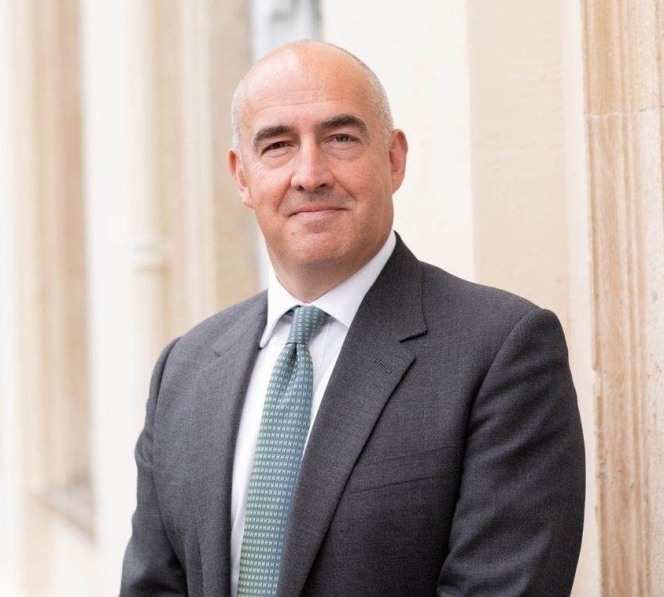
Synthomer, a leading supplier of high-performance, highly specialised polymers and ingredients, has named Anthony Fitzpatrick as its incoming Chief Financial Officer and Executive Director. He arrives as CFO Designate on 1 March 2027 and steps into both roles on 1 April 2027, succeeding Iain Torrens, interim CFO since May 2026. Torrens will stay on as CFO and Director to steer the 2026 year-end results, working with Fitzpatrick through March on a smooth handover before leaving the Board and the company.
Fitzpatrick's background combines board-level finance with hands-on operational leadership. At Croda International Plc, the FTSE 100 speciality ingredients firm, he has sat on the executive committee since 2014, filled the interim Group Chief Financial Officer chair during 2024 and 2025 and now heads Strategy, Corporate Development and Industrial Specialities. His Croda tenure also includes running the Latin America region and the Performance Technologies & Industrial Chemicals division. Earlier, he spent over 20 years in global investment banking with Goldman Sachs, Bank of America and UBS across London and New York, concentrating on chemicals and allied sectors.
A Durham University chemistry graduate holding a BSc (Hons), Fitzpatrick brings extensive financial, strategic and corporate finance experience to the group. His appointment caps a planned leadership transition, with the outgoing and incoming finance chiefs overlapping during March to safeguard continuity. Torrens will formally depart once Fitzpatrick assumes the CFO and Executive Director positions, closing out his interim tenure on the Board.
Michael Willome, CEO, Synthomer, said, “I am delighted that Anthony will join Synthomer as our next Chief Financial Officer. Anthony brings highly relevant financial, commercial and industry expertise to Synthomer, combining experience as interim Group CFO of Croda with more than 20 years in investment banking and deep knowledge of the speciality chemicals sector. I am looking forward to working with him as we continue to strengthen the business and deliver on our priorities.
“I very much enjoy working with Iain. Since he joined Synthomer as interim CFO, he has made a significant contribution, particularly in helping to steer Synthomer through a volatile period for the chemicals sector while continuing to strengthen the balance sheet and the finance function. On behalf of the Board, executive committee and all colleagues, I thank Iain for his continued contribution and wish him every success for the future following his handover to Anthony on 1 April 2027.”
Fitzpatrick said, “I am excited to join the Synthomer team. The Group has substantial opportunities for further value creation ahead and I look forward to working with Michael and the team to help realise them.”
Torrens said, “It has been an exciting time to serve as interim CFO of Synthomer, which has clear momentum and is in an increasingly strong position to embrace the opportunities ahead. I would like to thank the Board, Michael and the team for their support, and I look forward to completing the year end and working with Anthony on a smooth handover.”
PCBL Chemical Names Rituraj Singh Kalra As Executive Director And Chief Of International Markets
- By TT News
- November 13, 2026
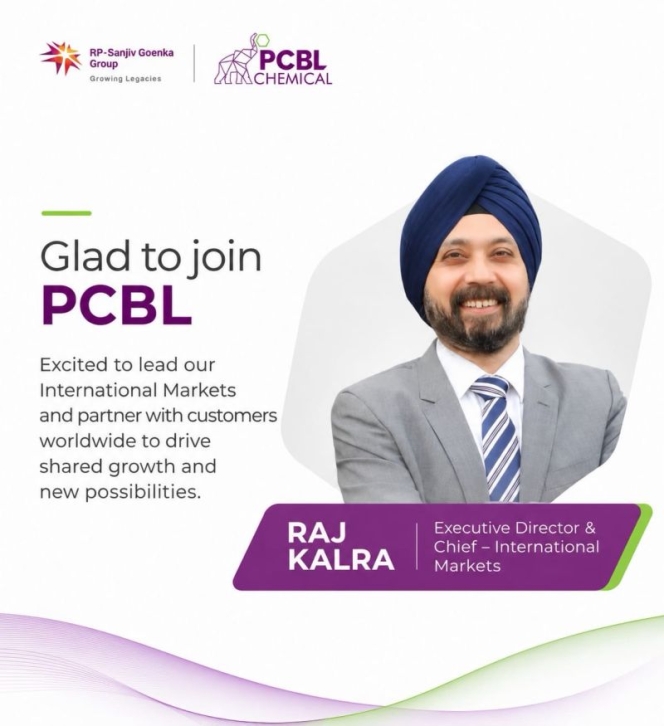
PCBL Chemical has named Rituraj Singh Kalra as Executive Director and Chief – International Markets (Rubber Blacks), effective 9 November. The Kolkata-based company disclosed in a regulatory filing that Kalra will also serve on its Senior Management team and will be based in Belgium.
Kalra brings roughly three decades of expertise in international sales, marketing and business strategy, with senior leadership roles at Bekaert, GKN Driveline and MAHLE. He will oversee operations across Europe, the Americas and key Asia-Pacific markets, lead the Innovation Centre and drive Green Carbon initiatives, prioritising close customer relationships, resilient supply chains and commercial and technical partnerships built on shared sustainability goals. He previously served as Senior Vice-President of Global Sales, Marketing and Strategy at Bekaert in Belgium and holds a mechanical engineering degree from the University of Leeds and an MBA from Warwick Business School.
The appointment strengthens PCBL's global ambitions as a unit of the RP-Sanjiv Goenka Group, a conglomerate tracing its roots to 1820 that now generates about USD 5 billion in annual turnover and employs more than 55,000 people. With over six decades of operations behind it, PCBL stands as India's largest and the world's sixth-largest carbon black manufacturer, positioning itself as a global partner across carbon black, speciality chemicals and advanced materials.
Tyrecycle's Jim Fairweather Concludes 10-Year Run As ATRA President
- By TT News
- November 13, 2026
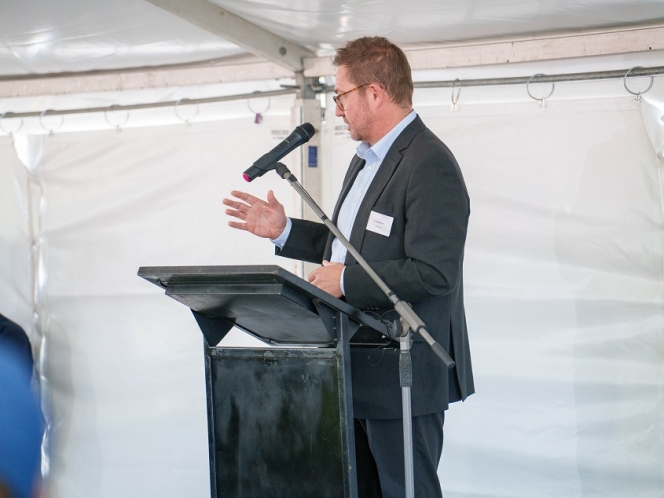
Tyrecycle CEO Jim Fairweather has stepped down after more than 10 years as President of the Australian Tyre Recyclers Association (ATRA), passing the role to Leigh Cometti, Managing Director of CTS Tyre Recycling. Fairweather will remain involved with ATRA and the wider industry.
His departure closes a period in which the association and Tyrecycle jointly pressed government to adopt the prohibition on exporting whole-baled waste tyres. That measure stopped such shipments reaching developing markets, where poor handling, storage or disposal could endanger human health and the environment, and it pushed the sector towards more accountable end-of-life tyre management and more processing and recovery on Australian soil.
Tyrecycle describes engagement with bodies like ATRA as central to its aim of building up the country's tyre recycling and resource recovery sectors. The company argues that recyclers, governments, regulators and other parties must work together if tyre recovery is to rise and end-of-life tyres are to be handled better nationally.
Looking ahead, ATRA has flagged several priorities: lifting off-the-road market recovery volumes, tightening compliance and enforcement, maintaining close ties with State and Federal regulators and pursuing regulatory changes that leverage existing Australian recycling capacity. Tyrecycle says it will keep contributing its experience, expertise and national outlook to ATRA and its members.
Comments (0)
ADD COMMENT