

Tyre Machinery That Increases Efficiency While Cutting Costs
- By Gaurav Nandi
- June 25, 2026

As cost pressures tighten across the global tyre industry, manufacturers are increasingly turning inward to extract efficiencies from processes they can control. While raw material volatility remains unavoidable, machinery performance has emerged as a decisive lever in balancing cost and quality. Companies like Comerio Ercole position themselves as critical enablers in this shift, promising precision, consistency and waste reduction. However, the extent to which advanced machinery alone can offset broader market uncertainties warrants closer scrutiny.
It is no news that the global tyre industry is looking at every angle of its procurement to supply ecosystem for being more conservative from a price point. Nonetheless, it is a prudent reality of today’s volatile global market that certain aspects within tyre manufacturing process, such as raw material prices, cannot be controlled or influenced.
Hence, manufacturers look more inwards, and that call is being addressed by the other players of the value chain such as machine manufacturers. Italian tyre machinery maker Comerio Ercole makes machines that minimise variability in production, reducing scrap and optimising material usage.
Speaking to Tyre Trends exclusively, Managing Director Riccardo Comerio said, “Our machines derive their credibility in the market because of their high precision and long-term reliability. Our machines minimise variability in production, reducing scrap and optimising material usage. Their durability also ensures lower maintenance costs and long-term investment value.”
Comerio Ercole was founded in 1885 and headquartered in Busto Arsizio, specialising in high-end machinery for the rubber, plastics and nonwovens industries with a particularly strong global reputation in calendering technology, which is one of the most critical processes in tyre manufacturing.
It operates upstream as a key technology partner, supplying advanced calender lines, mixing systems, coating and lamination equipment and turnkey plant solutions to leading tyre manufacturers worldwide, thereby acting as an enabler of tyre production.
 The company combines mechanical engineering with process expertise, digital Industry 4.0 capabilities and research and development-driven innovation, including patented systems and award-winning solutions like the ZEUS calender line, while also expanding into sustainability through recycling technologies such as devulcanisation systems.
Its last notable move being a 2022 strategic stake in Sasmac International (Saspol Technology) to expand capabilities in presses and retreading systems, recent efforts have focused on digital platforms like Hercules40, continuous product innovation and global market engagement.
“The company continuously improves mechanical precision and process stability, ensuring excellent uniformity. The combination of high-quality machine construction, advanced control systems and super precise roll geometry allows for very tight tolerances and consistent output over time,” added Comerio.
NEW REQUIREMENTS
According to Comerio, the main challenges that tyre makers face today include managing complexity, ensuring precision and consistency, reducing waste and maintaining efficiency. This makes high-performance, precise and durable machinery more important than ever.
He noted that the future of tyre making technology will focus on precision, durability and efficiency, combined with automation and sustainability. “Companies like Comerio Ercole, together with complementary partners such as Saspol, are well positioned to support the evolution of the tyre industry with very reliable, high-quality solutions,” he noted.
He added that as a global leader in calenders, open mills and internal mixers for the tyre and rubber industry, their machines are designed for high performance, extreme precision and long operational life.
To meet evolving compound requirements, Comerio Ercole focuses on robust engineering, precise control of process parameters and the ability to handle increasingly complex and high-performance rubber formulations, especially for major tyre manufacturers in markets like India.
The calenders and mills are built to process high-performance and speciality compounds with stability and accuracy. Their robust design and precision allow customers to consistently achieve the required performance standards.
Moreover, automation enhances the inherent strengths of the machines such as precision and reliability by ensuring consistent operation, reducing human error and improving overall production efficiency.
Commenting on the evolving systems to process recycled and sustainable rubber materials, Comerio said, “Processing recycled materials requires even greater control and stability. Our machines are well suited to handle these challenges while maintaining product quality. We also offer compact plants for rubber devulcanisation and for the re-work of non-vulcanised rubber scraps.”
The demand from the retreading industry is also shaping the company’s market strategy. “The growing importance of retreading highlights the need for durable and reliable equipment. Through companies like Saspol, which offers long-lasting and high-quality compression presses, it is possible to address this segment effectively and complement Comerio Ercole’s core technologies,” noted the executive.
 “Saspol specialises in high-quality rubber compression presses, known for their durability and reliability over time. It provides solutions for solid tyres, tyre retreading and conveyor belt presses. There is no competition between the two companies as Saspol complements Comerio Ercole’s offering, allowing us to cover additional applications in the rubber industry and serve a wider range of customers also in India,” he added.
Ultimately, while high-precision machinery offers tangible gains in efficiency and cost control, it is not a standalone solution to the tyre industry’s challenges. The real impact lies in how effectively manufacturers integrate such technologies with broader operational strategies, especially as sustainability, recycling and evolving material demands reshape the production landscape.
ATMA Seeks Duty-Free Natural Rubber Import Quota As Prices Reach INR 300 Per Kilogram
- By MT Bureau
- November 12, 2026
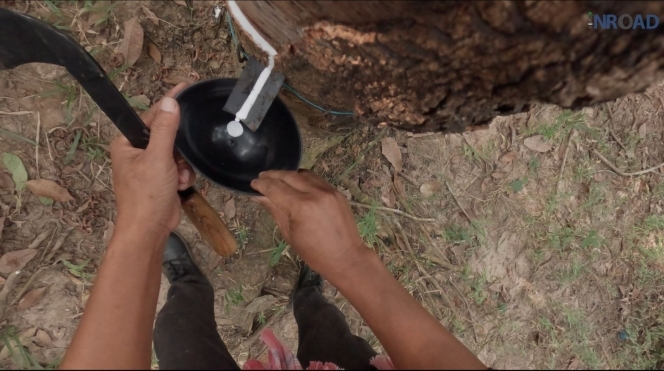
The Automotive Tyre Manufacturers’ Association (ATMA), the apex body representing tyre companies in India, has requested the Government of India to allow temporary duty-free imports of natural rubber under a Tariff Rate Quota (TRQ) mechanism.
The request follows an increase in domestic natural rubber prices to INR 300 per kg, representing a rise of nearly 62 percent from the November 2025 average of INR 186 per kg, alongside supply shortages during the peak production season.
In a letter submitted to Union Commerce and Industry Minister Piyush Goyal, the association proposed limiting the duty-free import quota to the assessed deficit between domestic demand and supply until market conditions stabilise.
During FY2025-26, India produced 905,000 tonnes of natural rubber against a consumption volume of 1.42 million tonnes, creating a supply gap of nearly 37 percent. Tyre manufacturers are simultaneously managing cost increases in synthetic rubber, carbon black, petroleum-based inputs and freight expenses driven by crude oil price movements linked to events in West Asia.
India's tyre industry generates an annual turnover of approximately INR 1,000 billion and exports exceeding INR 270 billion, having recorded 16 percent YoY export growth in Q1 of FY2026-27.
Arun Mammen, Chairman of ATMA, said, “Tyre manufacturers rely on the peak tapping season to secure domestic rubber for their production schedules. This year, supplies are falling short even during these months, while procurement costs have risen sharply. A temporary duty-free quota, limited to the assessed shortfall, would help manufacturers maintain production while protecting the interests of domestic rubber growers.”
Mark Stewart Steps Down As Goodyear CEO; Roger Wood Takes Interim Reins
- By TT News
- November 09, 2026
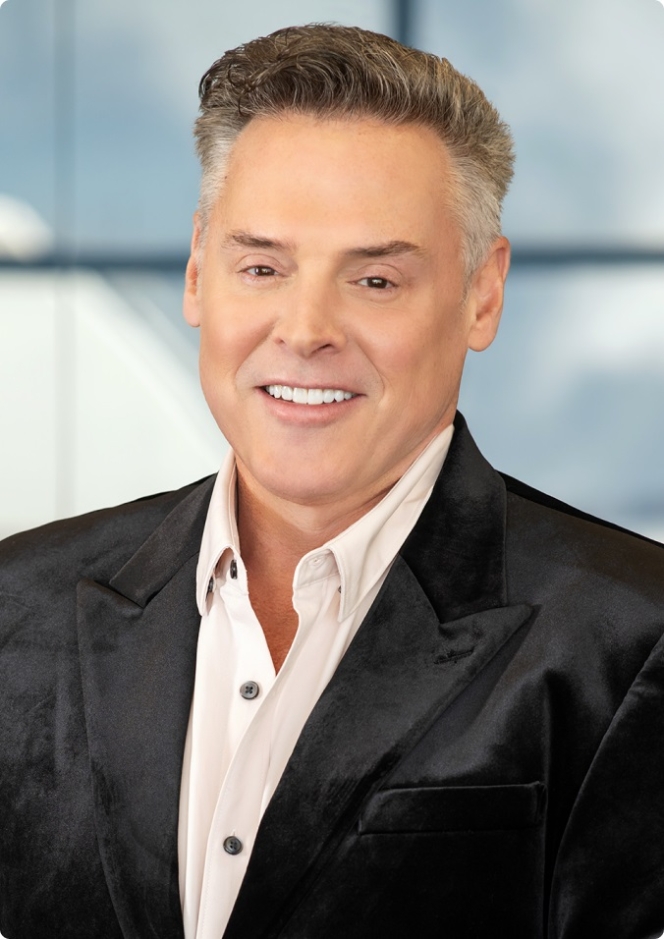
The Goodyear Tire & Rubber Company has announced that Mark Stewart has stepped down from his roles as Chief Executive Officer and President of the company and has also left its board of directors, effective immediately. In his place, the company has installed board member Roger Wood as interim Chief Executive Officer, with Wood leading the tyre maker while a leading executive search firm helps the board identify a permanent successor.
Wood joined the board in 2023 and has spent over 30 years leading businesses in the automotive and manufacturing sectors. He was previously Co-Chief Executive of Tenneco Inc., which designs, manufactures and distributes clean air, powertrain and ride performance systems worldwide for vehicle manufacturers and the aftermarket, and he holds board seats at PHINIA Incorporated and Brunswick Corporation. As part of taking the interim role, he has given up chairing the board's human capital and compensation committee.
Earlier this year, the board set up a special committee to scrutinise the company's businesses and operations, seeking ways to lift performance and deliver more value to shareholders. Directors and management are pursuing that effort through a wide-ranging assessment of strategic and operational options, among them refining the business mix and footprint, sharpening efficiency and funding new products and capabilities that underpin long-term growth. No further updates are planned unless and until the board concludes that more disclosure is warranted or required.
In a separate announcement dated 27 October 2026, Goodyear said Jerome Rouquet will become Executive Vice President and Chief Financial Officer on 1 December 2026. Rouquet, now Chief Financial Officer at Visteon Corporation and formerly a senior finance executive at Tenneco and Federal-Mogul, takes over from interim Chief Financial Officer Scott Deakin, who will help ensure a smooth handover.
Joe Hinrichs, Goodyear Board of Directors Chair, said, "Goodyear has made meaningful progress in becoming a more efficient and focused company, and the board believes this is the right moment to transition leadership to accelerate that progress and capture additional opportunity. Roger brings extensive automotive and industrial CEO experience, deep operational expertise and strong relationships across OEMs and aftermarket customers. He knows Goodyear, understands the opportunities ahead and has the board's full confidence to bring heightened focus and urgency to execution while we conduct a thorough search for a permanent CEO. We thank Mark for his contributions to Goodyear.
"The board formed a special committee earlier this year to conduct a rigorous strategic review of the company to help strengthen performance and create shareholder value. The board, together with the Enterprise Transformation Office, is evaluating a broad range of strategic and operational opportunities, and we are committed to taking the right actions to position Goodyear for stronger performance and long-term success. We look forward to providing an update as this work progresses."
Wood said, "Goodyear has iconic brands, talented people and significant opportunities to improve performance and deliver long-term value. As I step into this role, my immediate priorities are to support our associates and customers, sharpen execution and build on the work already underway to advance Goodyear's transformation. I look forward to working closely with the board, leadership team and the Enterprise Transformation Office to advance the strategic review and translate that work into actions that strengthen performance and position Goodyear for long-term success."
Michelin Appoints Terry Redmile As Chief People Officer For North America
- By TT News
- November 07, 2026
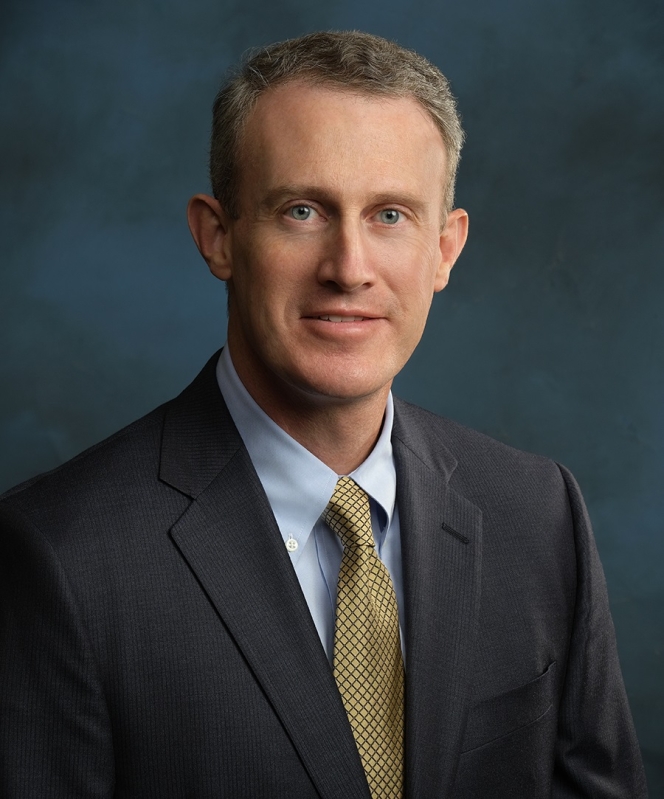
Michelin Group has appointed Terry Redmile as Chief People Officer for Michelin North America, Inc. In his new capacity, he will direct employee-focused operations throughout the North America Region, encompassing the recruitment, growth and retention of leading talent. His appointment places a seasoned internal leader at the helm of the company's people strategy.
A veteran of over three decades with Michelin, Redmile started as a co-op student at the firm's Greenville research and development centre. His tenure has spanned roles such as quality engineer and site director at the Fort Wayne, Indiana, manufacturing plant, culminating most recently in his position as senior vice president of manufacturing operations for the Americas. He also holds an MBA from Clemson University and a mechanical engineering bachelor's degree from the Georgia Institute of Technology.
Matthew Cabe, President and CEO, Michelin North America, Inc., said, “Terry understands our business, but more importantly, he understands our employees. His foundation in manufacturing and engineering gives him a firsthand understanding of where so many of our employees work every day and what they need to succeed. That perspective will be invaluable in this role.”
Redmile said, “The strength of Michelin has always been rooted in the strength of our talented teams. I’ve had the privilege of working alongside employees across our operations, and they are at the heart of what drives us forward. I want to build on that foundation and help our people continue to learn, innovate and shape what comes next for our industry.”
Apollo Tyres Announces INR 2.92 Billion Net Profit For Q2 FY2027, Appoints Ravi Kumar Shingari As CFO
- By TT News
- November 05, 2026
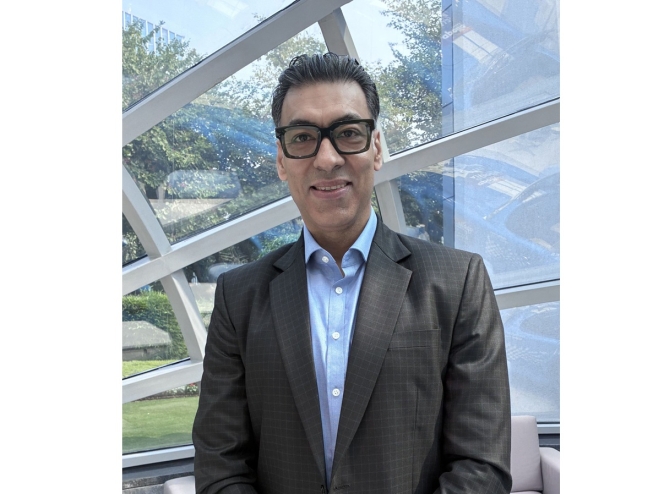
Apollo Tyres, one of the leading manufacturers of tyres in India, has reported its financial results for Q2 FY2027 and H1 FY2027, alongside announcing the appointment of Ravi Kumar Shingari as its new Chief Financial Officer, effective 4 November 2026.
In his new role, Shingari will be reporting directly to Vice-Chairman and Managing Director Neeraj Kanwar. He joined Apollo Tyres in 2018 as Group Head of Finance and subsequently managed functions across budgeting, accounts, investor relations, and legal affairs, following a 16-year tenure at KPMG as Partner in Tax and Regulatory.
The company announced that its consolidated revenue from operations for Q2 grew by 17 percent YoY to INR 79.68 billion, compared to INR 68.31 billion in the corresponding period of the previous fiscal year.
Operating profit for the quarter stood at INR 8.55 billion, while net profit grew 13 percent to INR 2.92 billion, as against INR 2.58 billion in Q2 FY26. The net profit figures include an estimated pre-tax restructuring cost of INR 260 million recorded as an exceptional item.
For H1 FY2027, revenue reached INR 153.66 billion, up 15 percent from INR 133.92 billion in H1 FY26, with operating profit closing at INR 17.23 billion and net profit at INR 6.41 billion.
Onkar Kanwar, Chairman, Apollo Tyres, said, "Growth across categories in India has been supported by our sustained rural expansion efforts and strategic association with cricket. In addition, the launch of new products in the commercial vehicle segment in India has strengthened performance during the past quarter. At the same time, geopolitical tensions in West Asia remain a headwind, resulting in elevated input costs and supply chain disruptions."
Also read: Apollo Tyres Appoints Abhineet Kothari As India Business Head For Vredestein
Comments (0)
ADD COMMENT