

JK Tyre’s Q2 FY25 Profitability Takes a Hit; Sees Product Hike in Q3
- By TT News
- November 06, 2024
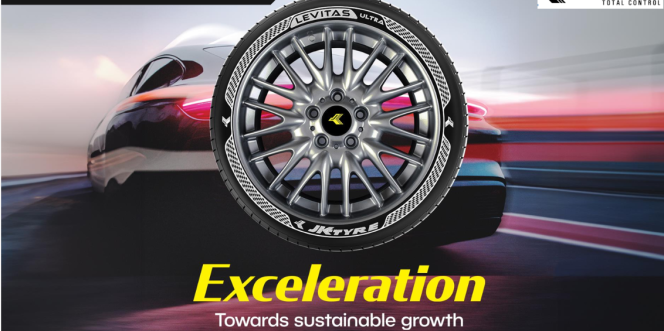
While the company maintained its market share in the passenger car segment, factors such as lower demand in the commercial vehicle segment and rising raw material costs impacted overall revenue and profitability of JK Tyre for the second quarter of fiscal year 2025.
The company reported a 7 percent dip in revenue to INR 36.43 billion compared to the same period last year. JK Tyre’s consolidated net profit of INR 1.44 billion, a sharp decline of 42 percent year-on-year (y-o-y) as against INR 2.50 billion in the same month last fiscal. The sharp rise in natural rubber prices due to adverse weather conditions and supply chain disruptions impacted the company’s profitability.
To mitigate the impact of ongoing commodity price inflation, JK Tyre plans to implement a 1-2 percent price increase for its products in the October-December quarter. The company is confident that this adjustment will not significantly affect demand for its products.
JK Tyre & Industries’ Managing Director Anshuman Singhania said, “Raw material prices have increased 6-7 percent, while we increased prices by 1-2 percent. We will have another 1-2 percent price hike in the October- December quarter.”
JK Tyre expects improved demand in the second half of the year, driven by the festive season and the normalisation of construction and industrial activities.
Commenting on the results, Dr Raghupati Singhania, Chairman and Managing Director (CMD), said, “JK Tyre maintained its volumes & presence in the Passenger Car segment despite lower demand in the category. The commercial vehicle segment also witnessed slackening attributable to general election and unusual heavy rains affecting revenue growth during the quarter. Improved export performance helped partly offset the domestic slowdown”. JK Tyre continues to enjoy the highest market share across all OEM and Replacement markets in the EV Bus category.”
The company’s subsidiaries, Cavendish Industries and JK Tornel, continue to contribute significantly to its overall performance. JK Tyre remains committed to sustainability and has set a target of reducing carbon intensity by 50 percent by 2030.
Liberty Tire Recycling Joins Henry County For Three-Day Tire Amnesty Event
- By TT News
- October 03, 2026
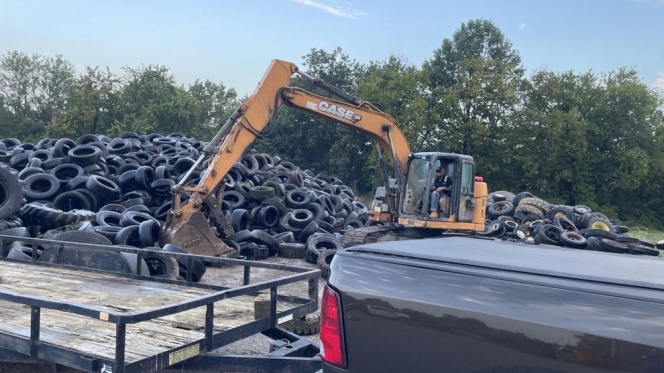
Liberty Tire Recycling partnered with Henry County staff and volunteers for a three-day Tire Amnesty Event at the County Barn last week, during which thousands of scrap tyres were collected from residents seeking free and responsible disposal. The recurring programme, offered every three years, drew a steady stream of vehicles ranging from cars and trucks to trailers and farm equipment, generating sizable piles of tyres and underscoring both strong community participation and the persistent need for proper recycling.
County personnel, including Jason Stanley, Jeremy Raisor, James Nutgrass, Darrell Abbott, Zach Smith and Travis Buchanan, worked continuously to unload and organise tyres as residents arrived. Among those taking part was New Castle resident Charles Miller, who delivered over 100 tyres, many from demolition derby vehicles, and also brought tyres on behalf of several family members so that materials from multiple properties could be recycled.
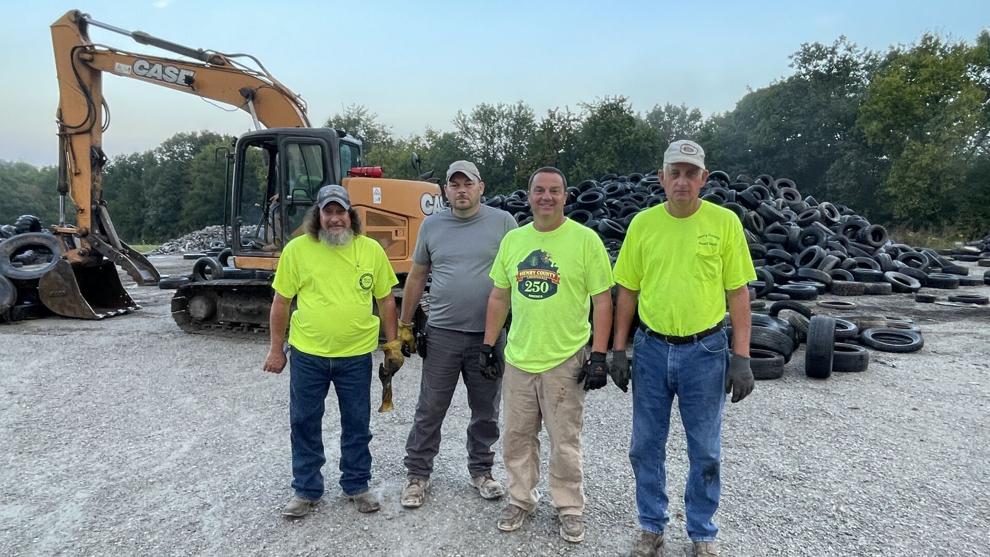
Photo by The Henry County Local
Stanley reported that turnout substantially exceeded the previous amnesty event held three years ago, with residents arriving consistently throughout the collection period. Such events offer a convenient way to remove scrap tyres that might otherwise accumulate on properties, create safety hazards and serve as breeding grounds for mosquitoes and other pests, thereby reducing environmental risks and advancing sustainable waste management.
Officials applaud the Kentucky Division of Waste Management and its local partners for organising these programmes, noting that states collecting mandatory tyre disposal or recycling fees can reinvest them in amnesty days that channel waste tyres into the recycling stream and deter illegal dumping. While the final tally remains pending, county officials anticipate the total will rank among the most successful amnesty events in recent years.
Max Verstappen Secures Bahrain Pole As Pirelli Softs Shine
- By TT News
- October 03, 2026
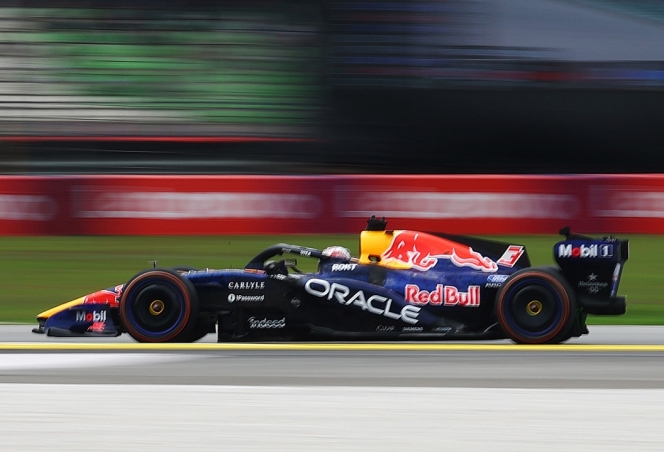
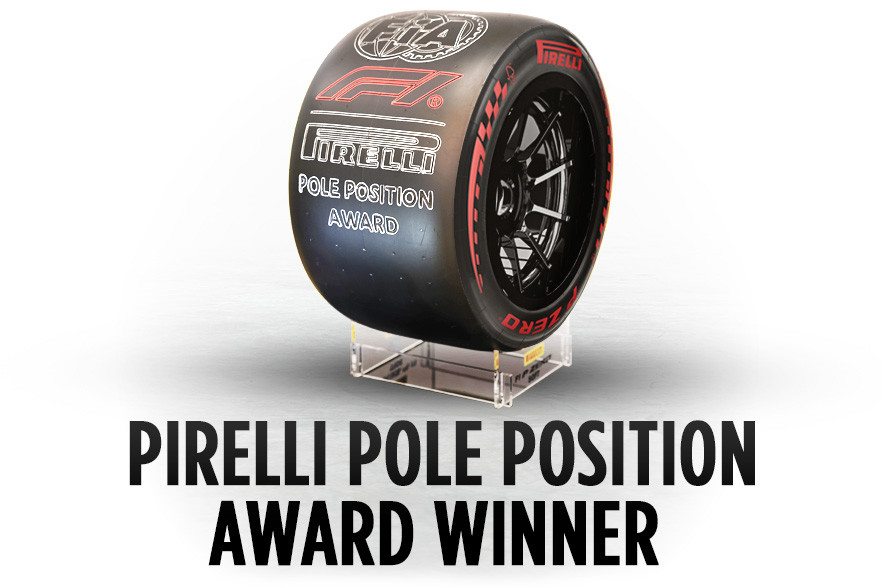
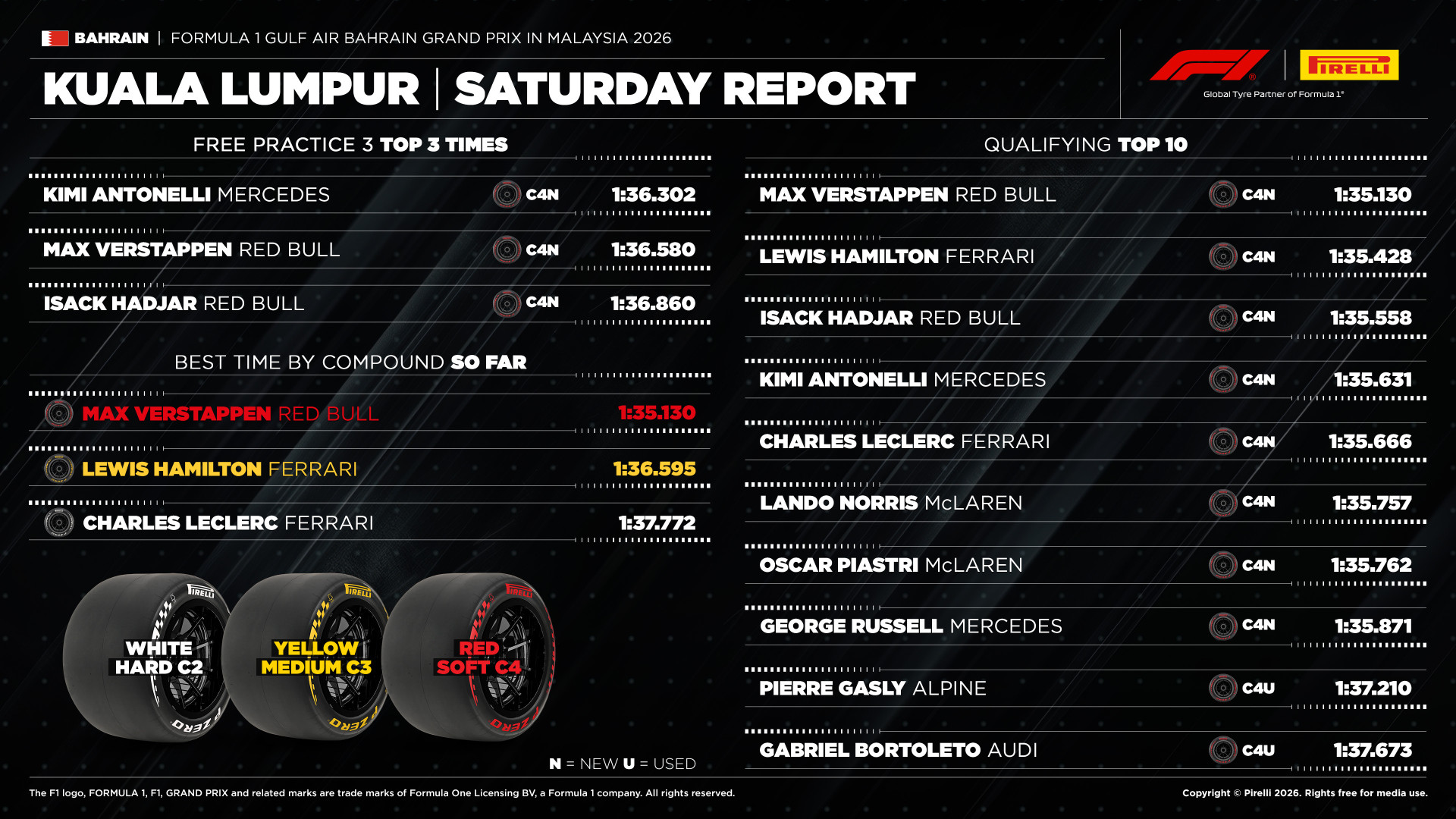
Max Verstappen secured his first pole position of the season for the Bahrain Grand Prix, lapping fastest at 1:35.130. Lewis Hamilton took second with a 1:35.428. Pirelli’s Soft compound played a decisive role, as the top three all set their best times on the red-marked tyre. Isack Hadjar originally qualified third but will not start from that grid slot due to a penalty.
Kimi Antonelli, fourth fastest in qualifying, will instead line up third. Hamilton began qualifying on the Medium before switching to the Soft, a strategy mirrored by Charles Leclerc, Nico Hülkenberg and Gabriel Bortoleto. The remaining drivers relied solely on the C4. Verstappen used four new Soft sets and improved his benchmark in the final sector on his last flying run.
Track temperatures peaked at 54°C during FP3 before cloud cover arrived. All three compounds appeared in the session, though most drivers concentrated on the C4. Leclerc alone ran the Hard before moving to a new Soft set. Lando Norris, Oscar Piastri, Verstappen and Hadjar used the Medium, with the reigning champion setting his best time on the C3.
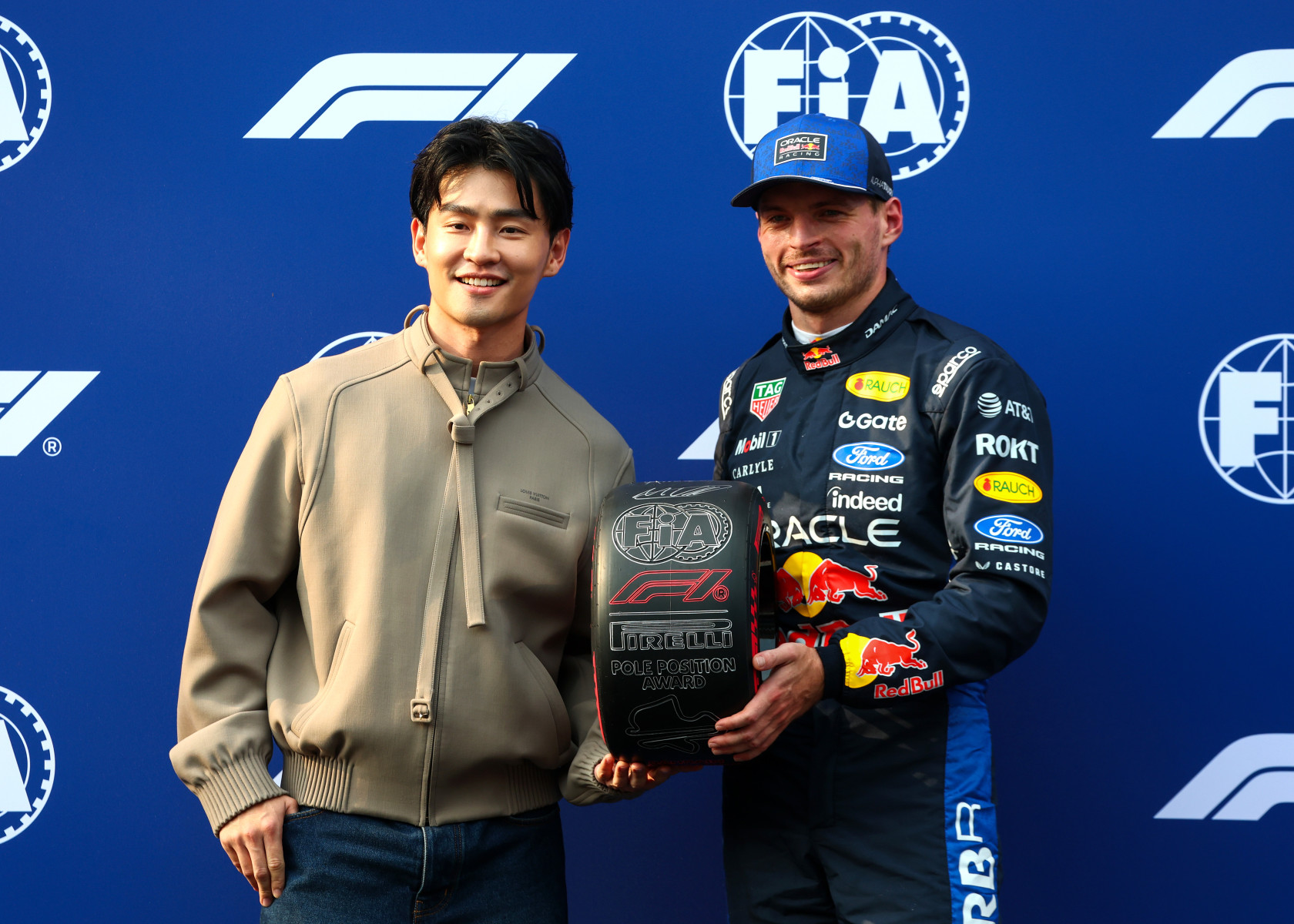
Antonelli topped FP3 at 1:36.302, ahead of Verstappen on 1:36.580 and Hadjar on 1:36.860. The Pirelli Pole Position Award was presented by Alvin Chong, a Malaysian actor and singer recognised across Malaysian and Chinese entertainment.
Dario Marrafuschi, Pirelli Motorsport Director, said, “Track conditions improved progressively throughout the day, allowing the Soft compound to deliver a very competitive level of performance in qualifying. Despite this, lap times remained significantly slower than those predicted by the simulations, indicating that the track evolution was not sufficient to close the gap. In the attempt to extract the maximum potential from the C4 immediately, the degradation generated on the compound meant that no genuinely competitive laps could be completed after the first flying lap today. At the same time, in yesterday’s running it demonstrated that it can maintain an acceptable level of consistency over race distances when it is brought gradually into its correct operating window over the opening laps. This characteristic could prove particularly important tomorrow, given the number of Soft sets retained by several teams.
“Tomorrow’s Grand Prix looks especially interesting from a strategic perspective. Most drivers have two sets of Hard tyres available, which should provide a solid option for the longer stints thanks to their greater thermal resistance and lower degradation compared to the softer compounds. On paper, the Medium-Hard-Hard and Soft-Hard-Hard combinations appear to be among the most competitive. There are, however, some particular situations, such as those of Verstappen and Leclerc, who each have only one set of C2 tyres available and may therefore consider different approaches, making greater use of the Soft and Medium compounds or even evaluating three-stop strategies. In this scenario, the range of possibilities becomes much broader, with shorter stints and increased flexibility. By contrast, we are unlikely to see one-stop strategies, which on paper offer no advantage in terms of total race time at a circuit where overtaking remains possible at several points around the track. Finally, there remains an element of uncertainty related to the weather, with a chance of rain that could influence the teams’ strategic choices.”
General Tire Marks 111 Years Of Tyre Innovation And American Heritage
- By TT News
- October 03, 2026
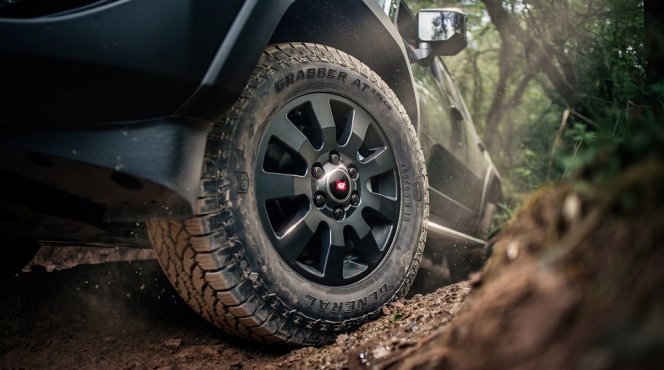
American tyre brand General Tire is marking 111 years since its founding on 29 September 1915, when William O’Neil and Winfred Fouse established the General Tire and Rubber Company in Akron, Ohio. What started as a regional tyre maker has evolved into an internationally recognised brand, especially noted for durable tyres suited to SUVs, off-road vehicles and pickups. Since 1987, the company has operated as part of Continental.
The brand’s history tracks closely with the growth of the North American automotive sector. During the 1920s, General Tire earned attention for its ‘General Balloon Jumbos’, which helped push tyre technology forward. As operations grew, the company widened its international reach and became a supplier to major vehicle manufacturers.
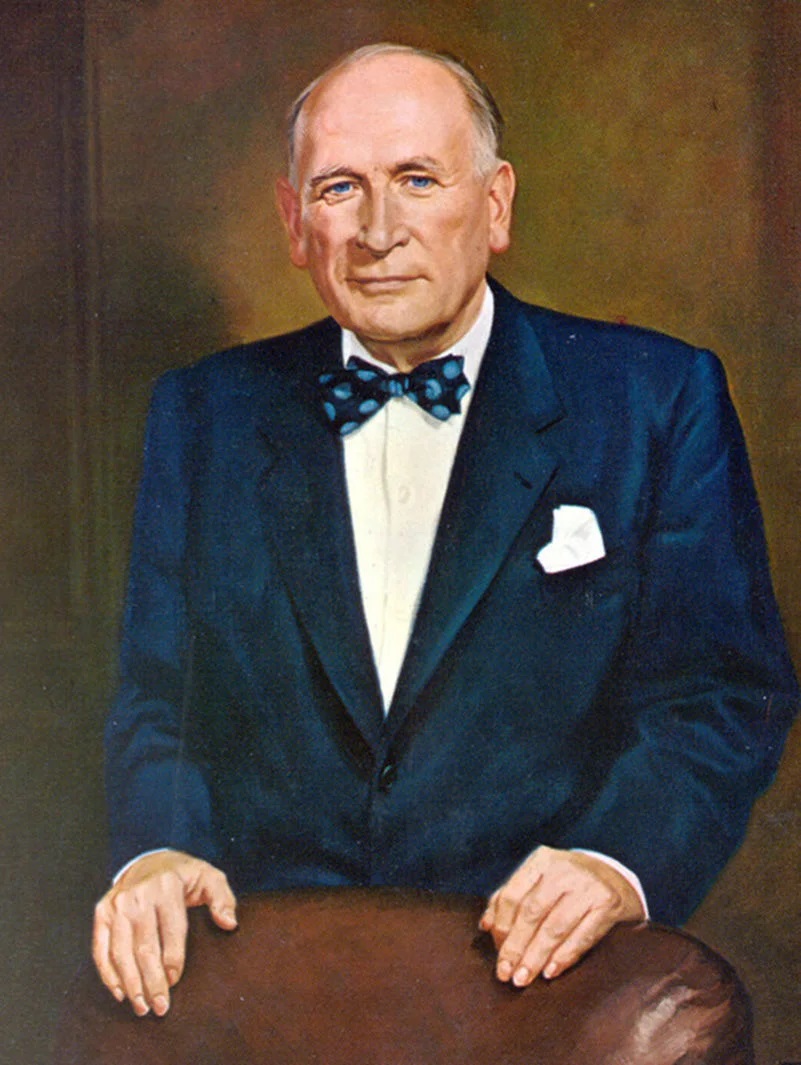
William O'Neil, Founder of General Tire
General Tire and Continental first connected in March 1949 through a cooperation agreement covering the exchange of technical expertise and know-how. By the late 1950s, General Tire had opened a tyre testing facility in Uvalde, Texas, then regarded as the largest of its kind worldwide. Continental’s 1987 acquisition opened a new chapter, giving the parent company a global production and sales network for the first time while allowing General Tire to pair its American heritage with worldwide development and manufacturing strength.
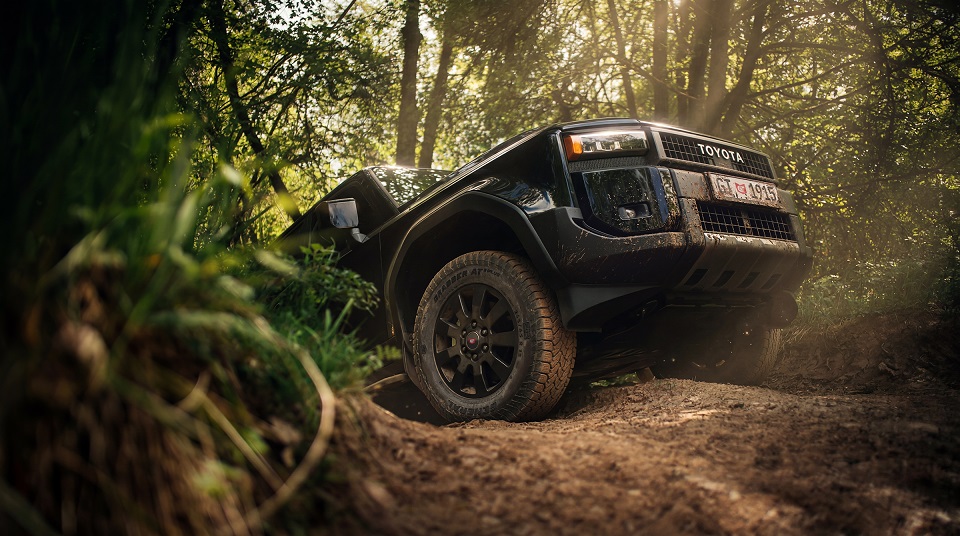
Today, the portfolio spans applications from the Grabber GT Plus road tyre and Grabber Cross A/S all-season tyre to the Snow Grabber Plus winter tyre and the Grabber AT3 Plus and Grabber X3 off-road models, all reflecting performance, reliability and American heritage. For the anniversary, General Tire introduced the next-generation Grabber AT3 Plus, an all-terrain successor to the Grabber AT3 with better snow traction, improved wet-road grip and a tread pattern built for demanding off-road use.
Dunlop Motorcycle Europe Equips Star-Studded Lineup For MXoN Finale
- By TT News
- October 03, 2026
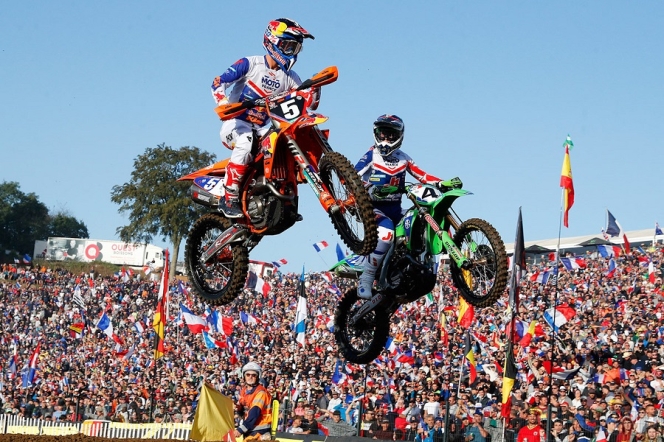
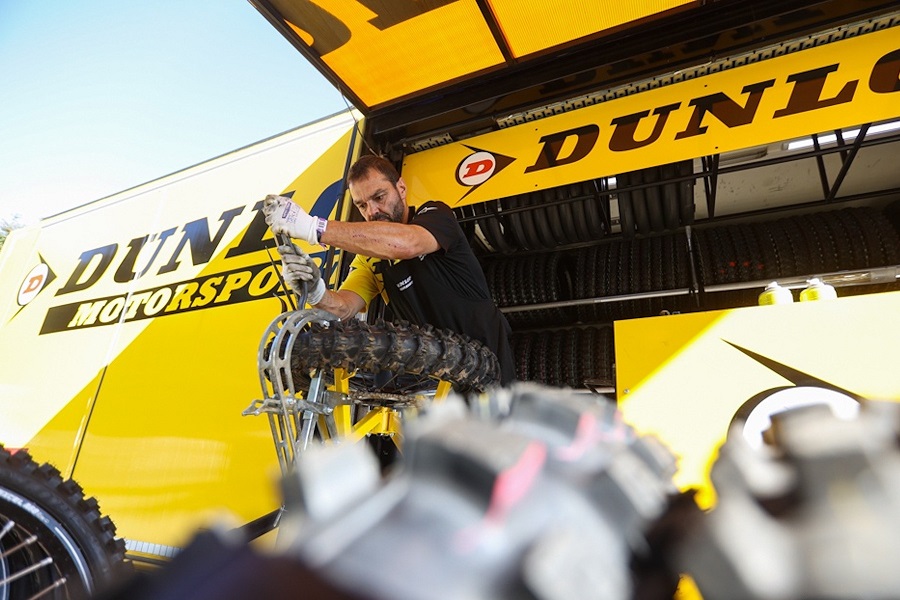
Dunlop Motorcycle Europe is set to support a star-studded rider roster at this weekend’s FIM Motocross of Nations (MXoN) in Ernée, France, aiming to cap another standout motocross season. The tyre range available to competitors includes the sand-focused Geomax MX14 for loose surfaces, the intermediate Geomax MX34 and the Geomax MX54, which has become the preferred choice across a wide range of intermediate and hardpack tracks.
The company will supply tyres to 32 riders representing 16 nations, drawing talent from the FIM Motocross World Championship, North America’s Supercross and Pro Motocross series and other competitions. The event follows last weekend’s season-ending MXGP of Australia, with many of the sport’s top names returning to action in pursuit of the Chamberlain Trophy.
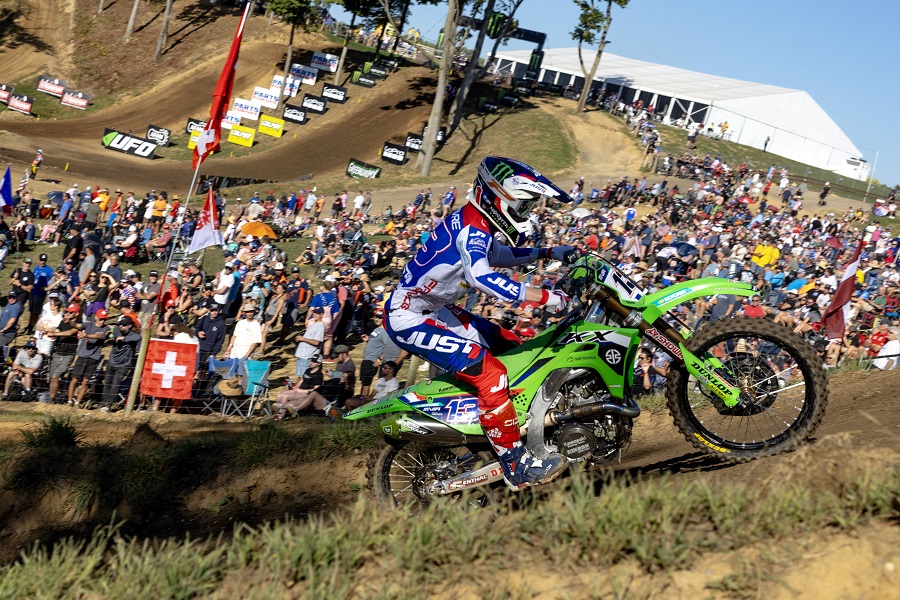
Dunlop has built a formidable recent record at the MXoN, having equipped riders from every winning nation over the past four editions. Team Australia took consecutive victories in 2024 and 2025, Team France claimed the title in 2023 and Team USA won in 2022. This year, Australia arrives with an entirely new lineup in Jed Beaton, Alex Larwood and Aaron Tanti, while the United States fields an all-Dunlop trio led by three-time 450 cc AMA Supercross champion Cooper Webb, joined by Julien Beaumer and Levi Kitchen.
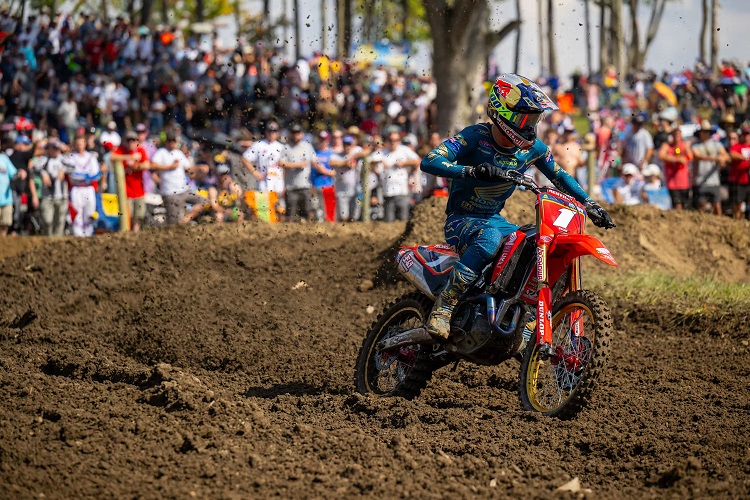
For France, MXGP runner-up Romain Febvre spearheads the Dunlop contingent and is joined by fellow Kawasaki Racing Team rider Mathis Valin. Two-time MXGP World Champion Jorge Prado will represent Spain alongside newly crowned MX2 World Champion Guillem Farres. A host of other leading MXGP and MX2 competitors will also run Dunlop, including Camden McLellan for South Africa, Liam Everts for Belgium, Pauls Jonass for Latvia and Jeremy Seewer for Switzerland.
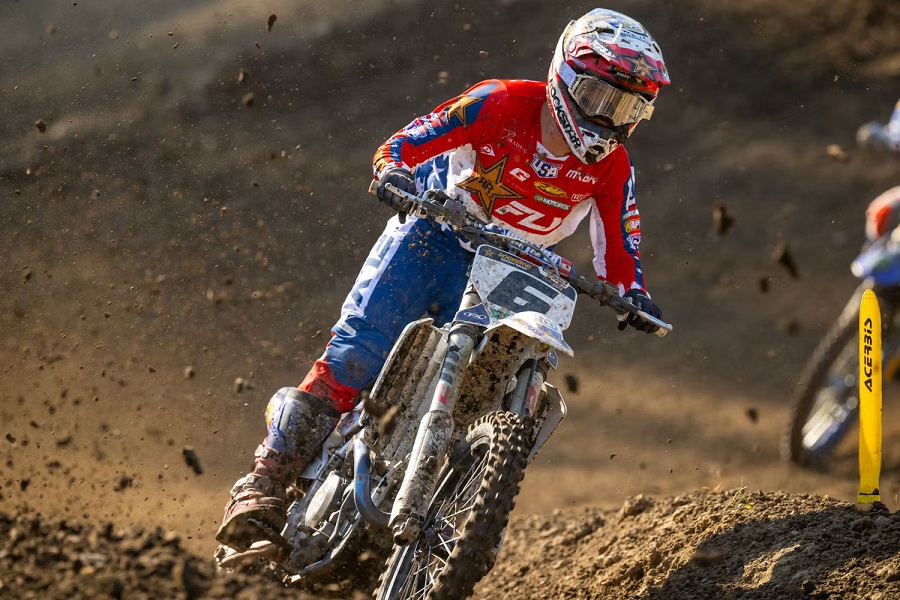
The MXoN serves as a fitting finale to a season of significant success for Dunlop across European and North American series. In the United States, Ken Roczen captured his first 450 cc AMA Supercross title on Dunlop, extending the brand’s streak of winning every AMA Supercross and Pro Motocross championship since 2010.
In the FIM Motocross World Championship, Guillem Farres secured the MX2 crown and led Triumph Racing to a one-two finish with teammate Camden McLellan. The pair combined for 11 of 19 Grand Prix victories. In MXGP, Romain Febvre finished runner-up, while Kiara Fontanesi narrowly missed a historic seventh WMX title, winning at Foxhills in July and adding three second-place finishes.
Wim Van Achter, Motorcycle Motorsport Manager EMEA, Dunlop Motorcycle Europe, “The fact that so many top riders continue to choose Dunlop Geomax tyres underlines the Geomax range’s performance credentials. We work closely with top riders to develop new Geomax products, using their feedback to refine our tyre technology. Our most recent innovation, Geomax MX54, makes the Geomax range our strongest and most versatile motocross range yet, drawing on our knowledge from winning top professional championships. With its broader scope, it could be the tyre of choice for Ernée’s traditional hardpack clay circuit this weekend.”
Eddy Seel, MXGP Event Leader, Dunlop Motorcycle Europe, said, “We are honoured that Dunlop Geomax tyres are the products of choice for 32 of the world’s most talented riders representing 16 different nations. The level of competition is always high at MXoN, but Dunlop has a history of success. Our riders have already proven the performance and reliability of the Dunlop Geomax range all season long, so we’re ready to continue with that this weekend. Allez!”

Comments (0)
ADD COMMENT