

Two-Wheeler Demand Surges In Rural India, Offsetting Sluggish Car Sales In April
- By TT News
- May 05, 2025

The Federation of Automobile Dealers Associations (FADA) today released its April 2025 vehicle retail data, revealing a moderate overall growth of 3 percent YoY.
The two-wheeler segment emerged as the primary growth driver, registering a 2.25 percent increase in retail sales compared to April 2024 and a significant 11.84 percent MoM growth. FADA attributes this positive momentum to strong rural demand. However, the sector continues to face headwinds in the form of high financing costs and the pricing impact of OBD-2B emission norms.
The tractor segment demonstrated robust growth, with a 7.5 percent increase in retail sales year-on-year. This strong performance likely reflects the positive sentiment stemming from a strong Rabi harvest, which typically boosts agricultural activity and consequently, tractor demand.
In contrast to the strong performance of two-wheelers and tractors, the passenger vehicle segment experienced a modest 1.55 percent YoY growth, while witnessing a slight dip of 0.19 percent on MoM basis. The auto retail body attributes that deep discounts are prevalent in the market and while the demand for SUVs remains strong, the entry-level segment continues to exhibit sluggishness. FADA also noted that the PV inventory levels are currently around 50 days, significantly higher than their advocated norm of 21 days.
The commercial vehicle segment faced a contraction, with retail sales declining by 1.05 percent YoY and 4.44 percent on MoM basis. FADA suggests that recent price hikes by OEMs and flat freight rates are negatively impacting sales. Within the CV segment, the Small Commercial Vehicle category saw weak demand, while the bus segment remains steady.
Looking ahead to May 2025, FADA anticipates a positive outlook, primarily driven by the strong conclusion of the Rabi harvest. The expectation of a normal monsoon further strengthens this positive sentiment, suggesting continued momentum in rural demand which could positively influence vehicle sales across various segments.
In a significant development, FADA has begun releasing fuel-wise vehicle retail market share data across all key categories. This new initiative aims to provide stakeholders with a granular understanding of evolving energy preferences and the impact of regulatory influences on India's automotive ecosystem.
C S Vigneshwar, President, FADA, said, “The new financial year began on a measured note as overall retails in April managed to grow by 3 percent YoY. All categories except CV closed in the green, with 2W, 3W, PV and Trac up 2.25 percent, 24.5 percent, 1.5 percent and 7.5 percent respectively, while CVs declined by 1 percent. With the tariff war paused, stock markets staged a sharp pullback – alleviating investor concerns – and customers thus leveraged Chaitra Navratri, Akshay Tritiya, Bengali New Year, Baisakhi and Vishu to complete purchases, helping April end on a positive note.”
| Category | Apr '25 | Apr '24 | Change (in units) | Change (in %) | Mar '25 | Change (in %) |
| YoY | YoY | MoM | ||||
| Two-wheeler | 1,686,774 | 1,649,591 | 37,183 | 2.25% | 1,508,232 | 11.84% |
| Three-wheeler | 99,766 | 80,127 | 19,639 | 24.51% | 99,376 | 0.39% |
| E-Rickshaw (P) | 39,528 | 31,811 | 7,717 | 24.26% | 36,097 | 9.50% |
| E-Rickshaw with Cart (G) | 7,463 | 4,215 | 3,248 | 77.06% | 7,222 | 3.34% |
| Three-wheeler (Goods) | 10,312 | 9,080 | 1,232 | 13.57% | 11,001 | -6.26% |
| Three-wheeler (Passenger) | 42,321 | 34,959 | 7,362 | 21.06% | 44,971 | -5.89% |
| Three-wheeler (Personal) | 142 | 62 | 80 | 129.03% | 85 | 67.06% |
| Passenger Vehicle | 349,939 | 344,594 | 5,345 | 1.55% | 350,603 | -0.19% |
| Tractor | 60,915 | 56,635 | 4,280 | 7.56% | 74,013 | -17.70% |
| Commercial Vehicle | 90,558 | 91,516 | -958 | -1.05% | 94,764 | -4.44% |
| LCV | 46,751 | 47,267 | -516 | -1.09% | 52,380 | -10.75% |
| MCV | 7,638 | 6,776 | 862 | 12.72% | 7,200 | 6.08% |
| HCV | 31,657 | 32,590 | -933 | -2.86% | 29,436 | 7.55% |
| Others | 4,512 | 4,883 | -371 | -7.60% | 5,748 | -21.50% |
| Total | 2,287,952 | 2,222,463 | 65,489 | 2.95% | 2,126,988 | 7.57% |
Pirelli Completes Winter Range Renewal With Scorpion Winter 3 Tyre For SUVs
- By TT News
- October 14, 2026
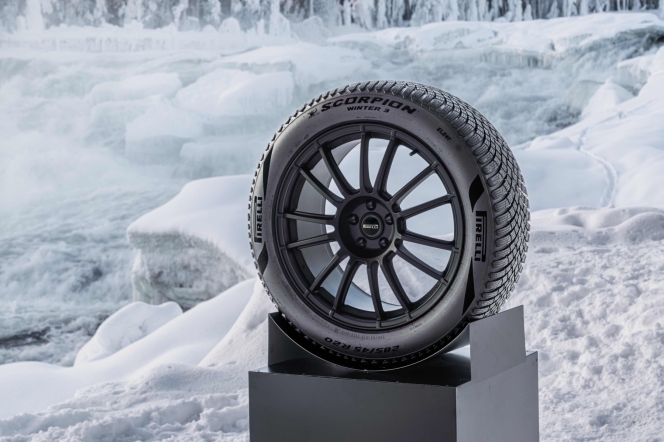
Pirelli has completed the renewal of its winter range with the Scorpion Winter 3, a tyre developed for SUVs in cold-weather conditions. That segment now accounts for more than half the global market and brings distinctive traits, notably greater weight and a higher centre of gravity, which demand dedicated internal structures and tread patterns.
The result is a tyre balancing performance across the many conditions of winter, from snow and wet roads to dry asphalt. It overcomes a traditional winter tyre compromise, giving SUV drivers consistent strength even in demanding situations, a claim already supported by a first independent test that ranked it best among its competitors. At launch, every size carries an A wet-grip rating on the EU tyre label, with noise between classes A and B. For the growing electric and plug-in hybrid portion of this segment, Pirelli also offers Elect technology, engineered specifically for those powertrains.
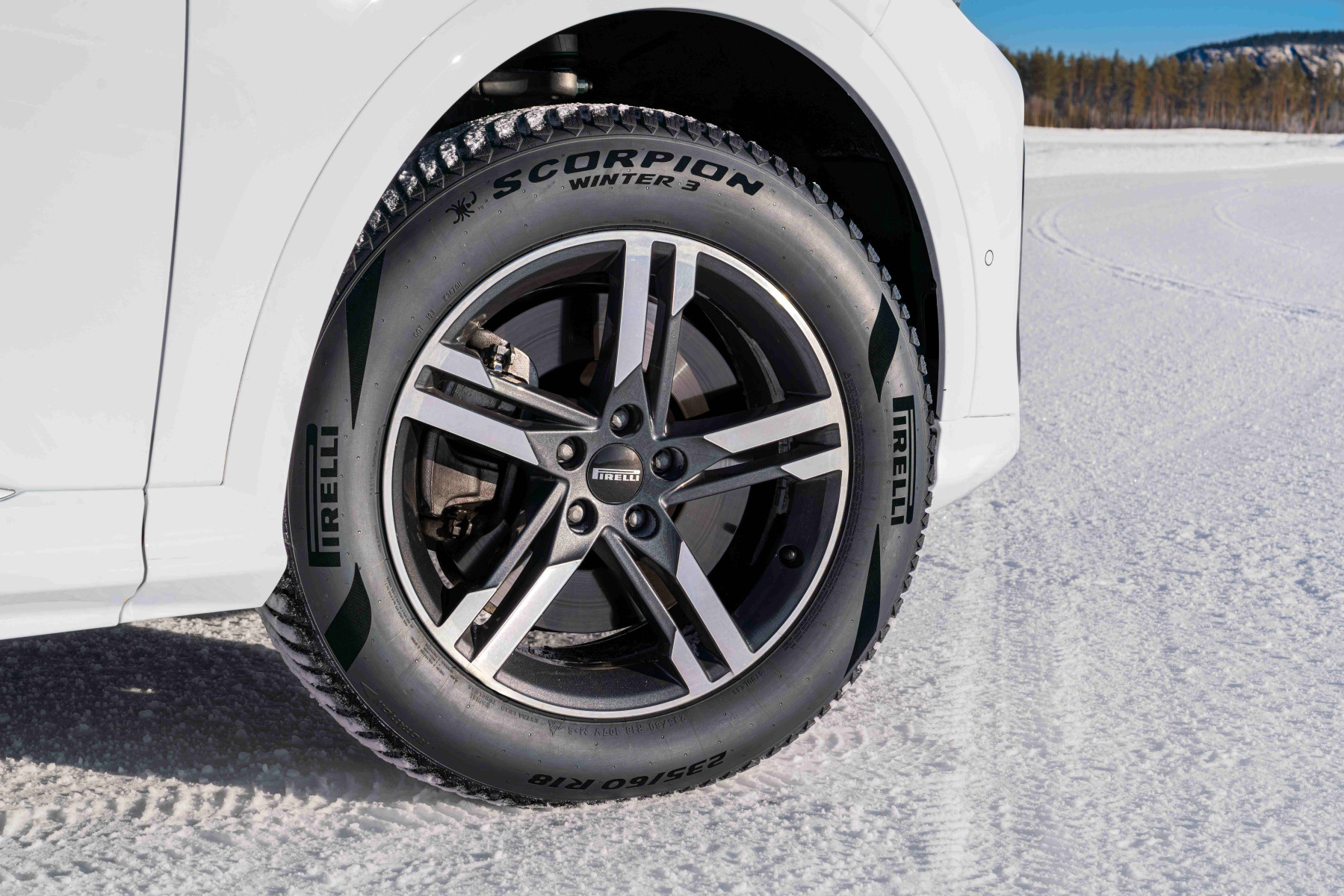
Development began with how tyres behave under heavy loads. The contact patch was redesigned to optimise pressure peaks, critical for mileage and even wear on heavy vehicles. This produced the generation's first major innovation: as the tread wears, the active edges within the contact patch, and therefore snow and wet grip, stay consistent over time. A dedicated carcass and tread design were likewise engineered for high vehicle weights.
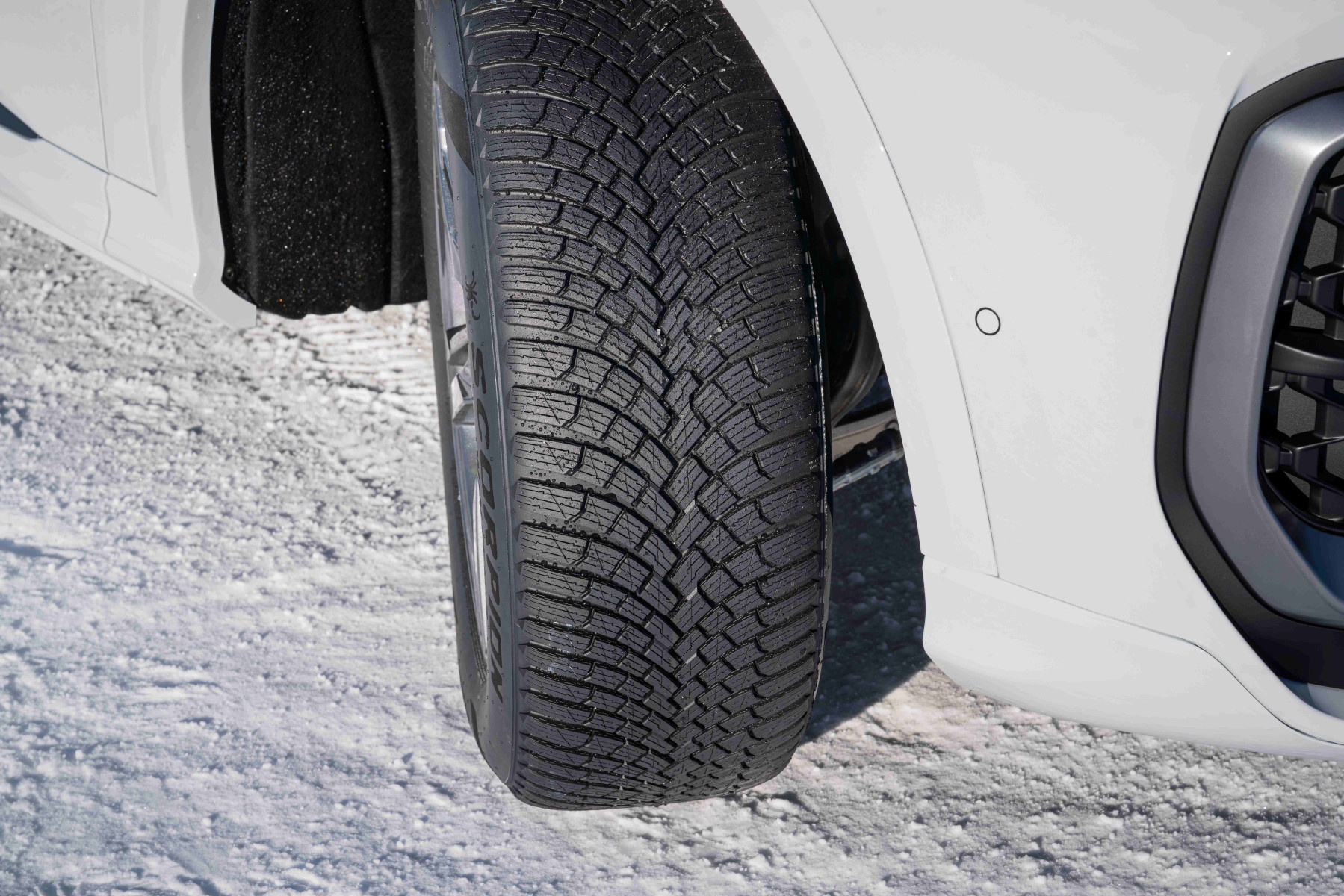
The tread geometry adopts several Cinturato Winter 3 solutions, that tyre having recently won a test by the independent German association ADAC. These include a zigzag central groove for water evacuation and lateral snow grip, patented Snow Keeper Teeth that retain snow in the grooves to exploit snow-on-snow contact, and a high void ratio that aids snow and wet performance while countering aquaplaning. SUV-specific additions include stiffer tread blocks for handling and wear resistance under load, plus calibrated sipe density to preserve dry-road behaviour.
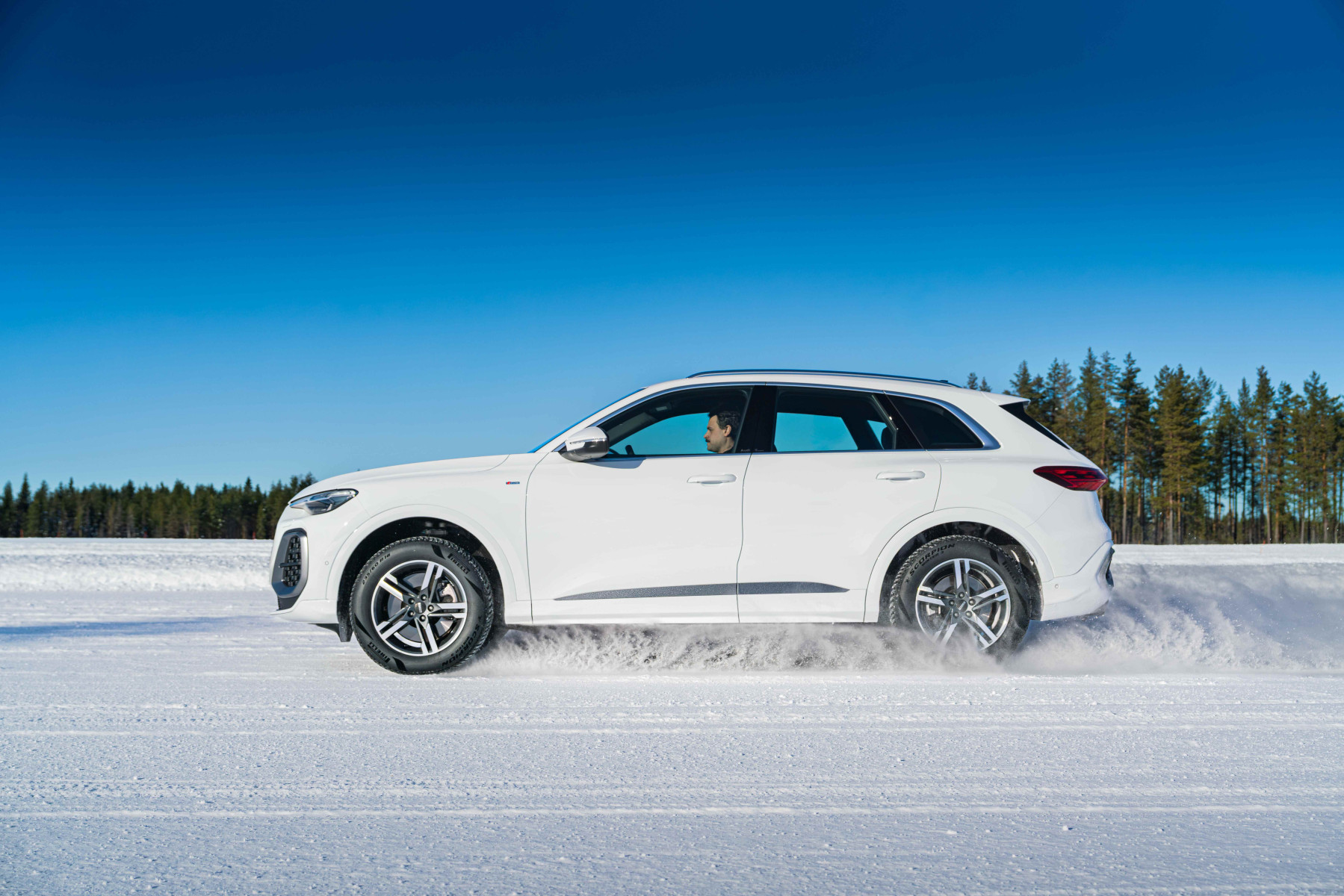
The compound draws on P Zero Winter 2 experience, using specific polymers such as Dual-Core Polymer, whose dual mechanism improves grip across conditions, while plasticisers broaden the operating temperature range. Engineers at Bicocca made extensive use of advanced Virtual Development techniques, simulating variables for precise results while cutting development time and prototypes, and driving simulators from static to dynamic helped target dry handling and enjoyment. The Pirelli Sottozero Center in Swedish Lapland enabled year-round snow and ice testing, partly indoors.
Launching in 30 sizes from 18 to 22 inches, the tyre offers Elect technology, which can raise electric and plug-in hybrid range by up to 10 percent, the Pirelli Noise Cancelling System that reduces perceived cabin noise via internal sound-absorbing material and Seal Inside for pressure retention after external punctures. It joins the Scorpion family begun in 1986 for high-riding vehicles and first fitted to the Lamborghini LM002, now spanning summer, winter and all-season road and off-road products with a strong original equipment focus. It adds to more than 1,200 homologations, including bespoke work for Aston Martin, Porsche, Lamborghini, Lotus, Audi, BMW, JLR and NIO. With winter tyre or snow chain rules starting 15 November, it completes a Winter range fully renewed over two years, alongside P Zero Winter 2 and Cinturato Winter 3.
Tyres Europe Among 44 Signatories Demanding Sharper EU Trade Defence
- By TT News
- October 14, 2026

Tyres Europe has joined 44 European organisations in backing a joint statement spearheaded by European Metals, which urges EU Member States to endorse a more rapid and robust application of the bloc’s trade defence arsenal. The statement advocates for extra personnel within DG TRADE’s trade defence units and greater reliance on existing instruments while pressing the Commission to introduce a fresh policy toolkit targeting state-driven market distortions.
For the tyre industry, these concerns carry direct consequences. European tyre production remains capital-intensive, encompassing over 70 plants, including retreading operations, alongside roughly 20 research and development centres. Of the 398 million tyres newly fitted across the EU in 2024, approximately 40 percent originated beyond the Union’s borders. In recent tyre proceedings, trade patterns evolved more swiftly than the EU could respond, both prior to and following the imposition of measures.
On 5 October, Tyres Europe published its position paper, ‘Towards a more effective EU Trade Defence Policy’, outlining its recommendations. Mirroring the joint statement, the paper requests additional resources for DG TRADE and advocates launching work on a new instrument designed to tackle systemic distortions.
Sri Trang Group Hosts ‘One Sri Trang CG Day 2026’
- By TT News
- October 14, 2026
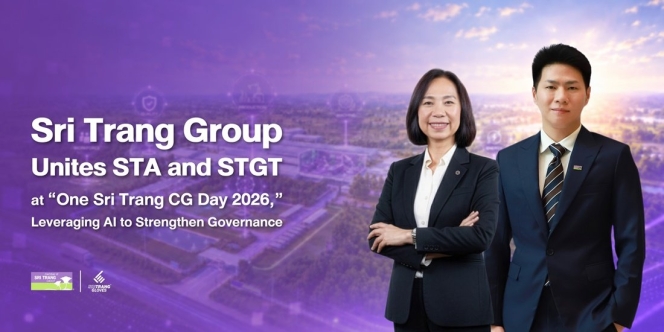
Sri Trang Group, the world’s largest fully integrated natural rubber company and the parent organisation of Sri Trang Agro-Industry Public Company Limited (STA) and Sri Trang Gloves (Thailand) Public Company Limited (STGT), concluded its flagship ‘One Sri Trang CG Day 2026’ initiative, built on the premise that strong governance underpins sustainability. The hybrid programme combined online participation with interactive training, drawing over 1,070 attendees, including directors, executives, staff and factory workers nationwide. Artificial intelligence made the material more engaging and accessible. Topics spanned business ethics, anti-corruption compliance, conflict-of-interest management, inside information handling and complaint procedures – framed as the bedrock of transparent operations that earn stakeholder trust.
Direction came from STA Executive Director Vitchaphol Sincharoenkul and STGT Chief Executive Officer Jarinya Jirojkul, who outlined the Group's governance policies and strategic priorities. Those policies provide guardrails for transparency, risk prevention, traceability and sustainable expansion, consistent with the organisation's vision and commercial goals. Both stressed that a culture of integrity and responsibility, grounded in Sri Trang's core values, buffers against pressures ranging from economic and technological disruption to natural disasters and competitive threats.
Rather than conventional lectures, organisers chose edutainment. A two-part miniseries, ‘The Domino Effect’, walked participants through real-world dilemmas in procurement, gift-giving and business hospitality, illustrating how conflicts of interest, misuse of inside information and whistleblowing cascade into consequences. AI-generated content added another layer, with virtual characters and simulated videos addressing code-of-conduct compliance, corruption, whistleblowing and complaint investigations. These dramatised situations helped staff grasp the fallout of poor decisions and recognise the right course of action, showing how AI can strengthen governance culture and broaden learning participation.
An interactive live quiz and discussion segment gave participants room to unpack scenarios and draw lessons on ethical decision-making, tied to the Group's code of business conduct and anti-corruption policy. The session reinforced the expectation that gifts be declined on all festive occasions and highlighted whistleblowing channels designed to safeguard reporters and keep identities confidential. Beyond the event, Sri Trang Group plans to continue the programme via its online self-learning platform, targeting full completion of refresher training and knowledge assessments within a month.
The effort dovetails with external benchmarks, including requirements of Thailand's Private Sector Collective Action Against Corruption, notably its top three-star CAC Change Agent status, alongside domestic and international ESG assessment standards. By tying its internal training push to these frameworks, Sri Trang Group signals that governance is not a one-off exercise but an ongoing commitment woven into how the organisation operates.
Highlighting the importance of corporate governance in global trade, Sincharoenkul said, “Transparency and good corporate governance are fundamental to business credibility, particularly within global supply chains, where stakeholders increasingly priorities raw material origins, traceability and responsible operations. Sri Trang Group is therefore committed to raising operational standards across every process so that our business partners, customers and stakeholders worldwide can be confident that every product comes from a transparent, traceable supply chain that supports our shared sustainable growth.”
Elaborating on the importance of instilling ethical awareness among employees, Jirojkul said, “Building confidence among customers worldwide depends on more than product quality. It also depends on the integrity, responsibility and commitment of every employee to doing what is right. STGT therefore prioritises embedding a corporate governance mindset into everyday work, because every action we take affects the trust that customers and stakeholders place in our organisation. When everyone upholds the same principles, we can deliver both quality products and lasting confidence to customers around the world.”
New TyreSafe-Wise Partnership Targets Tyre Safety In Subcontracted Work
- By TT News
- October 14, 2026
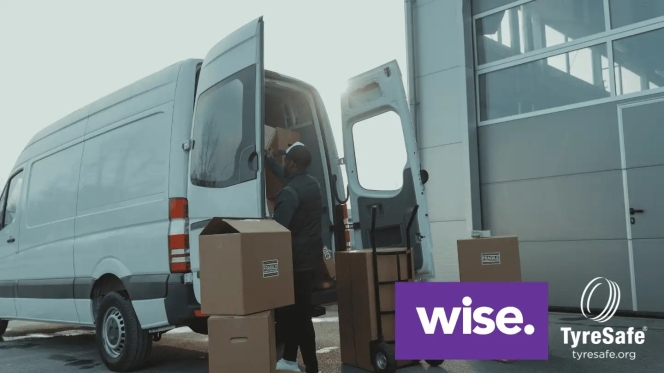
TyreSafe, UK’s leading tyre safety charity, has joined forces with Wise in a newly announced partnership designed to reinforce the relationship between tyre safety, responsible workforce management and regulatory compliance. The collaboration draws on TyreSafe's specialised knowledge of tyre safety alongside Wise's track record in assisting organisations that manage compliant self-employed and subcontracted workforces.
The arrangement emerges amid continuing growth in last-mile delivery and subcontracted labour, where drivers often operate under demanding schedules, travel between numerous locations and face considerable time pressure. Those behind the partnership emphasise that safety needs to be embedded within everyday working practices, rather than treated as a matter to be resolved only after an incident or problem has already occurred.
Compliance for businesses engaging self-employed or subcontracted workers stretches from onboarding and verification through to ongoing workforce management. Nevertheless, responsible management involves considerably more than documentation and procedures. When vehicles are central to a worker's role, organisations must also establish whether those vehicles remain safe, roadworthy and adequately maintained. Tyres represent the sole point of contact between a vehicle and the road surface, making them vital to safety, yet they can be neglected when drivers and businesses concentrate on completing deliveries, attending appointments or meeting tight schedules.
Under TyreSafe's ACT framework, preventative checks are organised around three areas: air pressure, condition and tread. Wise serves sectors such as logistics, last-mile delivery and construction, having onboarded over 280,000 subcontractors, with more than 2,500 companies using its platform. Delivery drivers complete multiple drops and accumulate significant mileage, while construction subcontractors regularly meet kerbs, rough surfaces, debris and shifting site conditions, placing added strain on vehicles and their tyres. Both organisations believe problems are best tackled before they escalate into incidents, and the partnership will encourage businesses and drivers to view safe working conditions as an integral part of responsible workforce management.
Stuart Lovatt, Chairman, TyreSafe, said, “We are delighted to be working with Wise because there is a natural connection between what we both want to achieve. Businesses have a responsibility to make sure the people working for them are properly supported, and that includes creating the conditions for them to work safely. For drivers, tyres are fundamental to that safety. We know that professional and last-mile drivers can be working under considerable time pressure, travelling between multiple locations and completing demanding delivery schedules. That makes preventative tyre checks even more important.
“A few minutes spent checking air pressure, condition and tread can identify a problem before it becomes a breakdown, a delay or, more seriously, a road safety risk. This partnership gives us an opportunity to connect tyre safety with the wider conversation about responsible workforce management and to reach businesses and drivers who have a vital role to play in keeping our roads safe.”
Trevor Ruane, Accounts Director, Wise, said, “At Wise, our mission is simple: we improve self-employment by taking away the unnecessary stress, paperwork and compliance risk that businesses and subcontractors face. But compliance is about more than documents and processes. For businesses operating mobile workforces, responsible management also means thinking about the safety of the people doing the work and the vehicles they rely on every day.
“That is why our partnership with TyreSafe is so important. Tyre safety is a practical, everyday issue for drivers and businesses, particularly in logistics, last-mile delivery and construction, where people are constantly on the move and working to demanding schedules. We are pleased to bring TyreSafe’s expertise into that wider conversation and help reinforce the message that prevention, preparation and responsible management should be part of the working day.”

Comments (0)
ADD COMMENT