

Cabot Builds Momentum On Water Stewardship And Climate Action In CDP 2025 Assessment
- By TT News
- February 19, 2026
Against a backdrop of tightening disclosure standards and rising investor scrutiny, Cabot Corporation has delivered another year of measured progress on environmental performance. In its 2025 disclosure to CDP, the company improved its Water Security rating to A- while maintaining a solid B score on Climate Change, extending a multi-year trajectory of incremental gains. In this interview-based feature, Jaimee Farrin, Senior Director, Global Sustainability, outlines how disciplined execution, technological innovation and a focus on transparency are shaping Cabot’s approach to climate action and water stewardship.
In 2026, Cabot Corporation reported improved environmental performance in its latest disclosure to CDP, reinforcing a multi-year trend of progress across climate and water stewardship.
 The company received an A- rating for Water Security and a B rating for Climate Change in CDP’s 2025 assessment. The Water Security score marks an improvement from a B in 2024, exceeding both global and industry averages, while the Climate Change rating was maintained year on year, alongside improvements in subcategories such as climate risk disclosure, value chain engagement and industry collaboration.
CDP evaluated more than 24,800 companies globally in 2025, covering roughly two-thirds of global market capitalisation, using a scoring scale ranging from D (Disclosure) to A (Leadership).
Cabot positions the results as validation of a long-term sustainability strategy anchored in transparency, operational discipline and continuous improvement. As Jaimee Farrin, Senior Director, Global Sustainability at Cabot Corporation, explains: “Through our commitment to operate responsibly, conserve resources and develop innovative performance materials, we will be relentless in our pursuit of solving sustainability challenges and achieving our net zero ambition.”
Transparent reporting remains a central pillar of this approach. Farrin notes that CDP is one of the environmental and governance disclosure platforms Cabot prioritises, both for reporting and for evaluating performance. She adds, “As part of our ongoing efforts, we are dedicated to transparent reporting, including our climate actions, opportunities and progress.”
CLIMATE CHANGE
On climate change, Cabot has set a 2030 goal to reduce Scope 1 and 2 greenhouse gas emissions intensity by 15 percent through process innovation. To progress towards this target, the company is pursuing a comprehensive strategy encompassing renewable energy transition over time, efficiency improvements, investment in breakthrough decarbonisation technologies and the use of alternative feedstocks and advanced energy recovery solutions.
One of the company’s most prominent climate-related innovations is its regenerated carbon technology, developed under the EVOLVE Sustainable Solutions platform. Farrin highlights the role this technology plays in advancing circularity in the tyre industry. She says, “Cabot’s regenerated carbon technology is one of the innovative strategies the company is leveraging to reduce its environmental impact.”
Reclaimed carbon, produced through the pyrolysis of end-of-life tyres, has historically been limited to very low loadings (<10%) in rubber applications due to poor reinforcing properties. Farrin explains that Cabot’s patented regeneration technology addresses this limitation by improving surface characteristics, enabling tyre manufacturers to use higher levels of reclaimed carbon with performance comparable to virgin carbon black.
“Today, we have demonstrated that the technology enables the use of reclaimed carbon content up to 30 percent; however, as we look forward, we are continuously evaluating ways to increase sustainable content while delivering in-rubber performance,” explains Farrin.
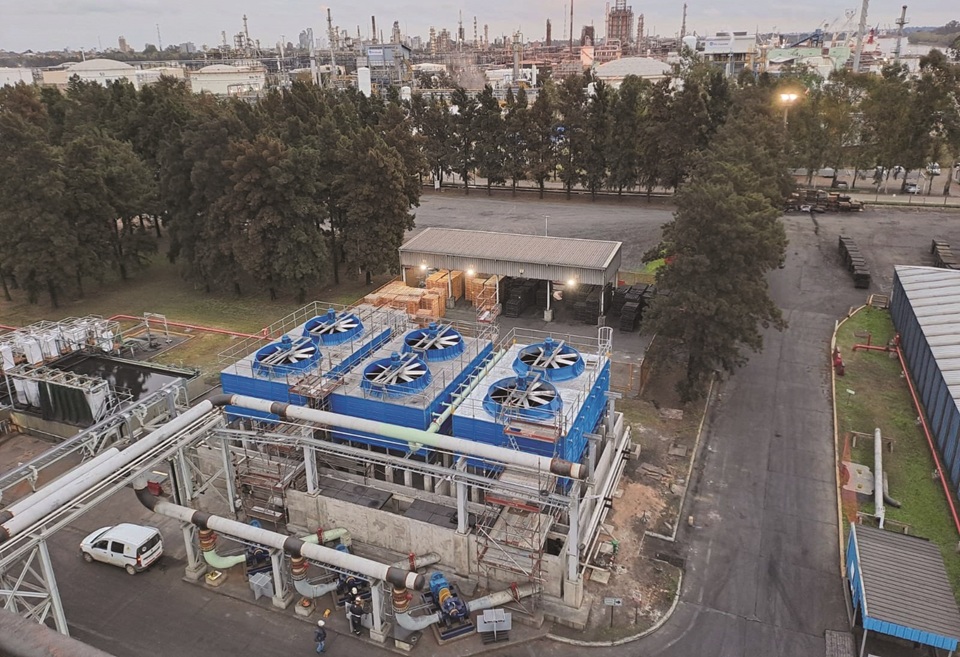
Energy efficiency and recovery also form a critical part of Cabot’s climate strategy. The company has implemented energy recovery systems at many facilities worldwide, including 13 reinforcing carbon plants, capturing and reusing heat generated during production to offset electricity and steam typically supplied by the grid and natural gas combustion.
Farrin underlines the strategic significance of these systems, noting, “This opportunity has influenced Cabot’s strategy as we have recently unveiled a new 2030 energy goal – to export 250 percent of the energy Cabot imports, reconfirming the importance of driving even further improvements in the years ahead.”
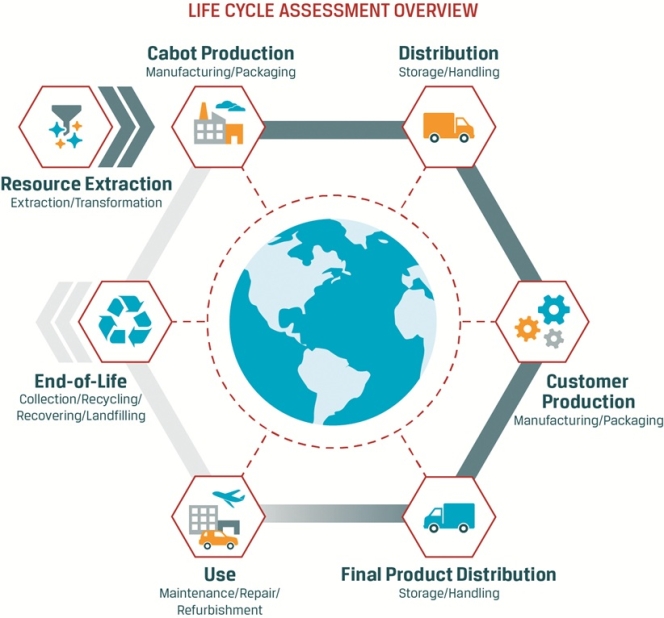
Beyond direct operations, Cabot continues to strengthen collaboration across its value chain. The company uses Product Carbon Footprints (PCFs) and Life Cycle Assessments (LCAs) to substantiate
sustainability benefit claims and is actively working with the International Carbon Black Association to support the standardisation of PCFs across the industry. In parallel, Cabot is engaging with tyre customers to explore joint approaches to improving product life-cycle impacts.
WATER SECURITY
Water stewardship has emerged as a defining area of progress. All Cabot sites globally are expected to identify and pursue water conservation opportunities aligned with local risk conditions. These measures include reducing water consumption in production processes, reusing and recycling water, harvesting rainwater and sourcing grey water from external providers where feasible.
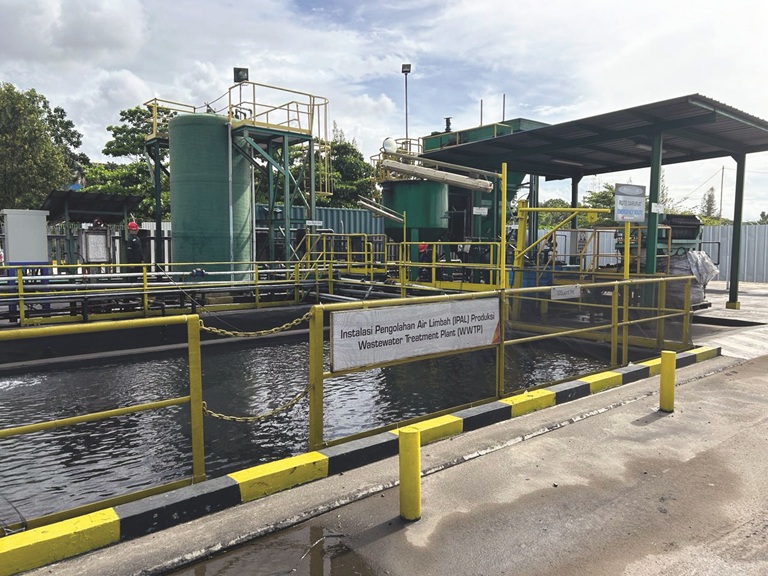
The company-wide focus on annual water balance and risk assessments, enhanced data collection and targeted investment has delivered measurable results. As Farrin notes, these efforts contributed directly to the improvement in Cabot’s CDP Water Security score from B in 2024 to A- in 2025.
At the operational level, Cabot’s reinforcing carbons facility in Altamira, Mexico, has implemented improvements to the recovery and reuse of treated water and identified opportunities to optimise scrubber water discharge, reducing future water consumption in production.
Looking ahead, Cabot has set a 2030 water goal to reduce freshwater withdrawal intensity by 10 percent at sites located in water-stressed areas. Farrin emphasises the broader implications of this focus. She says, “Focusing on freshwater withdrawal in water-stressed areas is crucial to sustaining ecosystems, minimising business risks from operational disruptions and allowing sustainable development for communities.”
Further water conservation and wastewater recycling projects are currently under evaluation across Cabot’s global network to support this target.
Summarising the company’s progress, Farrin concludes: “We are proud of the progress we have made in advancing our sustainability strategy and remain steadfast to our commitment to responsible environmental stewardship, transparency and continuous improvement.”
Bridgestone Appoints Stefano Sanchini As President Of Europe Sales
- By TT News
- September 19, 2026
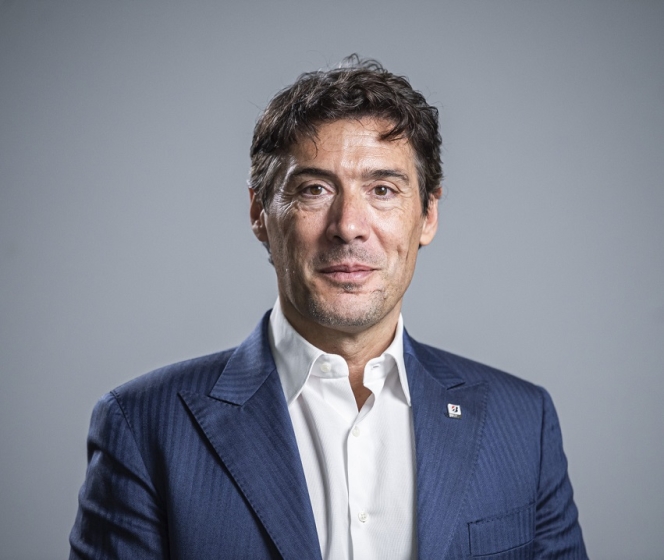
Bridgestone has announced a European leadership appointment aimed at sharpening customer focus, streamlining engagement across product groups and supporting its ongoing growth plans. Stefano Sanchini will become President, Europe Sales, effective 1 October 2026, leading the company’s European sales organisation across both Consumer and Commercial segments.
The expanded role unites sales activities spanning passenger car, truck and bus, agriculture, off-the-road, motorcycle and original equipment. Sanchini brings over 20 years of international leadership experience in the automotive and tyre sectors, with a career covering Europe, Middle East, Africa and India. Since joining Bridgestone in 2017, he has held several senior positions, including Managing Director of Bridgestone India.
Most recently, as Vice President for Consumer Replacement in Europe, he helped strengthen customer engagement, commercial performance, profitability and regional market growth. Bridgestone said the appointment underscores its commitment to customer relationships, commercial execution and simpler cross-market operations. Sanchini will pursue sustainable growth while developing capabilities and partnerships supporting the company’s long-term European strategy.
Mete Ekin, Group President EMEA, said, "Our customers increasingly operate across multiple product categories and expect a consistent experience wherever they engage with Bridgestone. By bringing our sales activities together under one European structure, we are creating a simpler, more connected organisation that will help us respond faster, collaborate more effectively and continue building strong partnerships with our customers."
Yokohama Europe Appoints Giuseppe La Iacona To Lead Southern Operations
- By TT News
- September 18, 2026
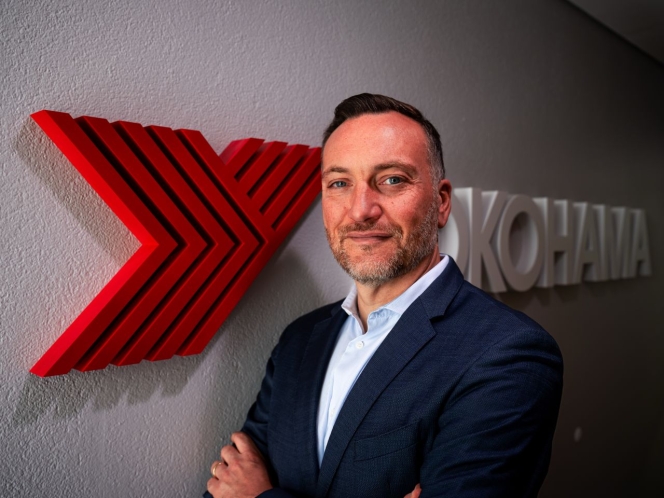
Yokohama Europe has appointed Giuseppe La Iacona to a series of senior leadership roles as the company seeks to strengthen its position across the region.
La Iacona joined the business on September 15 and will assume responsibility for supporting growth and organisational consolidation in the European market.
He brings more than 20 years’ experience in the tyre industry, spanning sales, marketing, business development, country management and international customer relations. He has held senior roles across several European markets, developing experience in managing local dynamics while driving cross-border business expansion.
Reporting to Takashi Maki, La Iacona has been appointed General Manager for southern Europe, where he will lead a newly created regional cluster covering Italy and France. The role is intended to improve coordination and operational synergies between the two markets.
He will also serve as Chief Executive of Yokohama Italia, with overall responsibility for the Italian subsidiary, alongside taking on the role of head of international customers. In that capacity, he will oversee the management and development of clients operating across multiple European markets, with the aim of creating a more consistent commercial approach and strengthening collaboration between subsidiaries.
His remit includes improving organisational alignment and fostering closer cooperation between markets and customers as the company expands its European operations.
“I am very pleased to welcome Giuseppe to YOKOHAMA Europe at an important stage in our development,” said Maki. “His extensive international experience, deep knowledge of the tyre industry and ability to work across different markets will be valuable assets as we continue to strengthen our European organisation and pursue sustainable growth.”
La Iacona said: “I am excited to join YOKOHAMA Europe and to contribute to the company’s next phase of growth in Europe. YOKOHAMA has a strong heritage, a distinctive brand and significant opportunities across the European market. I look forward to working closely with our teams, customers and partners across countries to further develop the business and strengthen our presence in the region.”
Özka Tyre Appoints Mehmet Yüksel As New Chief Operating Officer
- By TT News
- September 18, 2026
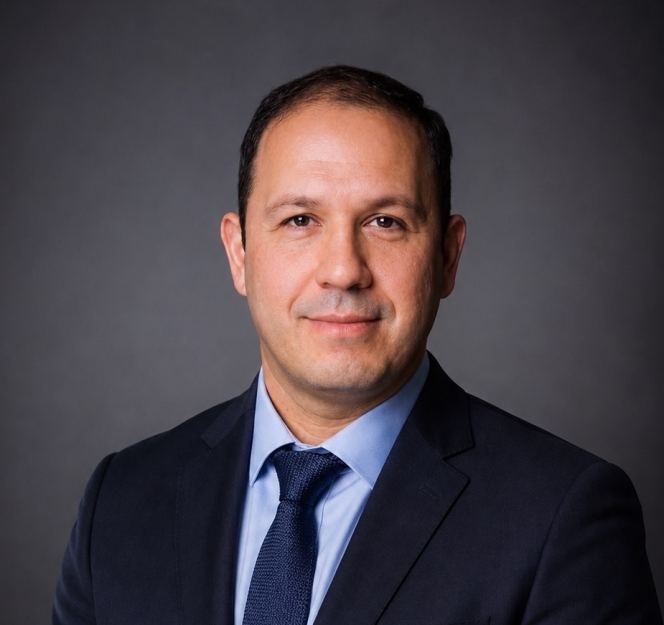
Özka Tyre, a prominent Turkish manufacturer of tyres for agricultural and construction equipment, has reinforced its leadership team as part of a broader push towards global expansion and technological modernisation in production. The company has appointed Mehmet Yüksel as its new Chief Operating Officer, bringing aboard an executive with extensive senior experience from Goodyear’s Luxembourg-based international organisation.
In his new role, Yüksel will oversee functions central to Özka’s production and operational strength. His responsibilities encompass production, quality, research and development, planning, investment and projects, electricity and maintenance, occupational safety and quality management systems, positioning him to steer critical areas of the company’s industrial performance.
Driven by investments and a focus on advancing its manufacturing strength, Özka continuously monitors shifts in the worldwide tire sector, particularly technological progress in Europe, and uses those insights to shape its future production infrastructure. As new investments prepare to elevate its output capacity and technical systems, the firm is simultaneously bolstering its organisational framework to sustain that transformation.
Cabot Names Steve Delahunt As Interim CFO
- By TT News
- September 16, 2026
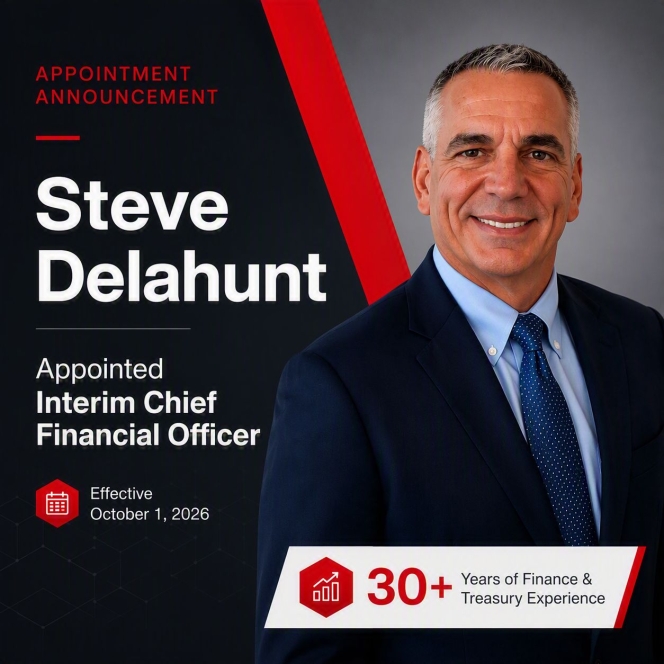
Cabot Corporation has named Steve Delahunt, currently Vice President and Corporate Treasurer, to assume the Chief Financial Officer role on an interim basis starting 1 October 2026. He will hold the position while Cabot continues searching for a permanent finance chief.
The interim appointment follows the previously disclosed leadership transition in which Erica McLaughlin, Executive Vice President, Chief Financial Officer and Head of Corporate Strategy, will become President and Chief Executive Officer on the same date. McLaughlin succeeds Sean Keohane and will relinquish her CFO duties at that time.
Delahunt brings over three decades of finance and treasury experience, including nine years leading Cabot's investor relations function through January 2026. As Corporate Treasurer, he oversees global treasury operations, capital markets strategy, liquidity management, banking relationships, risk management and pension investments. He has been central to Cabot's capital allocation, financing, investor engagement and strategic growth initiatives, as well as strengthened shareholder relations during his investor relations tenure.
McLaughlin said, “Steve is a highly respected finance leader with deep knowledge of our business, strong relationships across our global organisation and a proven track record of disciplined financial leadership. As we continue executing our strategy and building on our strong financial position, Steve’s experience, judgment and understanding of our business make him exceptionally well suited to lead our finance organisation while the Company conducts its search for our next Chief Financial Officer.”

Comments (0)
ADD COMMENT