

Kama Tyres Treads Cautious Global Expansion Amid Geopolitical Realignment
- By Nilesh Wadhwa
- March 06, 2026
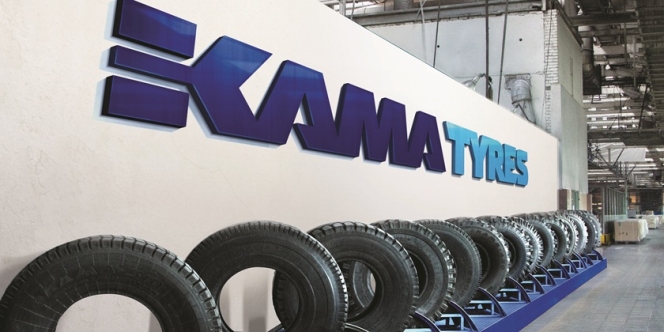
As geopolitical tensions continue to reshape global trade routes and supply chains, tyre manufacturers are being forced to rethink not only where they sell, but how they grow. For KAMA Tyres – Russia’s largest and most diversified tyre manufacturer – this reassessment has become a defining element of its international strategy.
Rather than pulling back amid sanctions and market disruption, the company is steadily opening new doors, with the Middle East emerging as its next strategic frontier.
In an exclusive interaction with Tyre Trends, Shaydullin Ildar, Deputy Director – Marketing, KAMA Tyres, spoke about how the company is looking beyond its domestic market and recalibrating its global ambitions.
“We have rich experience of cooperation with machine producers across the world. This cooperation allows us to produce tyres exactly for certain machines – tyres that are suitable for specific clients,” Ildar said.
That customer-focused manufacturing capability, coupled with a broad and diversified product portfolio, is now underpinning KAMA Tyres’ cautious yet determined push into new international markets.
FROM 50 MARKETS TO 20: A STRATEGIC RESET
Until recently, KAMA Tyres had an expansive global footprint. “Earlier, we exported our tyres to more than 50 countries,” Ildar noted. Today, that number has come down significantly – not due to waning ambition, but because of shifting geopolitical realities.
“Now, because of the situation in the global market, we are exporting our tyres to around 20 countries,” he explained.
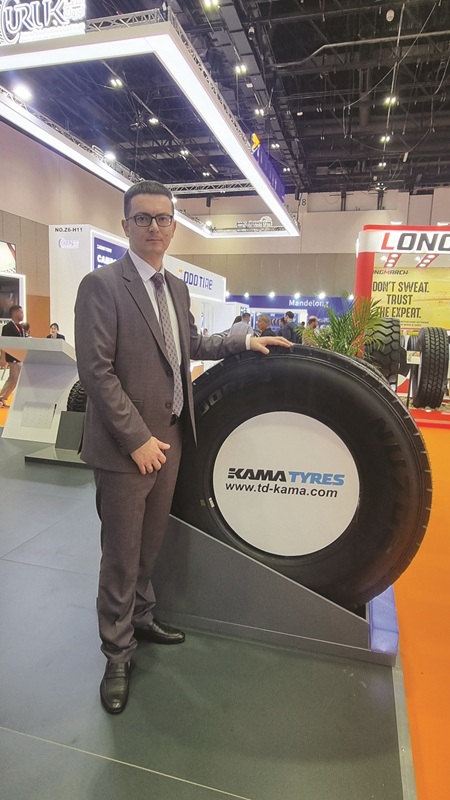 Despite the contraction, the company has retained a presence across a geographically diverse mix of regions. “For example, Egypt, Brazil, Turkey, Mongolia, Vietnam. Russia has good relations with Vietnam, so this is one of our key markets,” Ildar said.
This pragmatic reassessment mirrors a broader trend across Russian manufacturing – prioritising markets where political alignment, trade frameworks and logistics remain workable.
“At the same time, we are trying to open new markets. Right now, we are opening for ourselves the Gulf countries,” he added.
This shift also explains KAMA Tyres’ growing presence at regional trade exhibitions. “That is why we are here at this exhibition,” Ildar said, referring to Automechanika Dubai 2025. “This is the first time we are participating here.”
For KAMA Tyres, the Middle East represents a significant opportunity – but one that requires patience. “Yes, for us it is a really big opportunity. We are trying to open it step by step,” he said.
MIDDLE EAST ENTRY: OPPORTUNITY WITH A COMPLIANCE HURDLE
While the Middle East offers scale and strategic relevance, entry into the region is far from straightforward. Regulatory compliance remains the biggest challenge.
“We haven’t started selling our tyres here yet. At the moment, we are preparing,” Ildar clarified.
That preparation, he explained, is extensive. “We are doing all the necessary procedures to start selling our tyres. This includes connecting with potential clients and preparing documents and certification for this market.”
Certification is, by far, the most demanding hurdle. “The main opportunity for us is opening a new market, new clients and new sales. The big challenge is that this market needs different certification,” he said.
Still, the company remains resolute. “We are doing it and we will do it anyway,” Ildar said firmly.
KAMA has already begun building visibility in the region through trade events. “In May, we participated in an exhibition in Riyadh – I think it was Automechanika Riyadh,” he recalled.
The timeline for commercial entry is now clearly defined. “In 2026, we are planning to start selling our tyres here,” he confirmed, with the first quarter of calendar year 2026 emerging as the tentative target.
ONE COMPLEX, EVERY TYRE SEGMENT
One of KAMA Tyres’ key competitive strengths lies in the breadth of its manufacturing capability. Unlike many tyre manufacturers that specialise in one or two segments, KAMA operates as a fully integrated tyre complex.
“We are the only tyre complex in Russia that produces all groups of tyres,” Ildar explained.
The portfolio spans passenger car tyres (PCR), light truck tyres, truck and bus radials (TBR) and off-the-road (OTR) tyres. “We are ready to offer different kinds of tyres. And potential customers are asking us for different groups,” he said.
This versatility gives KAMA considerable flexibility as it enters new markets such as the Gulf, where demand spans multiple vehicle categories. “We can offer both TBR tyres and PCR tyres,” Ildar noted, adding that OTR tyres are also part of the company’s global offering.
Rather than rushing to push specific products, the approach is deliberately measured. “We want to understand the market first. And then offer what is needed,” he said.
This mindset reflects KAMA’s longstanding experience of working closely with OEMs and equipment manufacturers. “Our cooperation with machine producers allows us to make tyres exactly suitable for the machines,” Ildar reiterated.
SANCTIONS, SUPPLY CHAINS AND PREPAREDNESS
Sanctions have been a defining force shaping Russian industry over the past decade. For KAMA Tyres, however, preparedness has significantly softened the impact.
“About sanctions – we are prepared for this situation from 2014,” Ildar said.
This long-term approach has been especially critical in securing raw material supplies, an area where many global tyre manufacturers continue to face volatility.
“At the moment, we don’t have problems with supplying raw materials. We have producers of raw materials in the Russian market and in the Asian market too,” he explained.
By diversifying its sourcing base early, KAMA has ensured continuity even during periods of global disruption. “We are searching for different ways to be ready for any problems in the future,” he said.
As a result, the company has largely avoided the supply crunch faced by several global peers. “So now we have suppliers of raw materials and we don’t have a problem with it,” Ildar added.
In an industry increasingly shaped by geopolitical uncertainty, this resilience has become a competitive advantage.
INDIA ON THE HORIZON, BUT NO SHORTCUTS
Given the historically strong ties between India and Russia, the Indian market naturally features in discussions around KAMA Tyres’ longer-term expansion plans. However, Ildar is careful to manage expectations.
“We are moving step by step, starting with the Persian Gulf. If everything goes well, we will look at the Indian market,” he said.
The key constraint, he explained, is production capacity. “It depends on one thing – we have to sell Russian products. If we have free resources, we are ready to look at the Indian market.”
He is also realistic about the competitive intensity in India. “We understand that there are a lot of good products and strong competition in the Indian market,” Ildar noted.
Certification remains another important consideration. “At the moment, we do not export tyres to India because the Indian market needs BIS certification,” he confirmed.
Still, the door remains open. “If in the future we find potential clients who are interested in our products after studying the market, we will be glad to apply for this certification. We will be glad to open the Indian market too.”
For now, execution takes precedence over expansion promises. “Our strategy is to work step by step,” Ildar reiterated.
KraussMaffei Names Ren To Lead Extrusion Unit Alongside China Role
- By TT News
- September 08, 2026
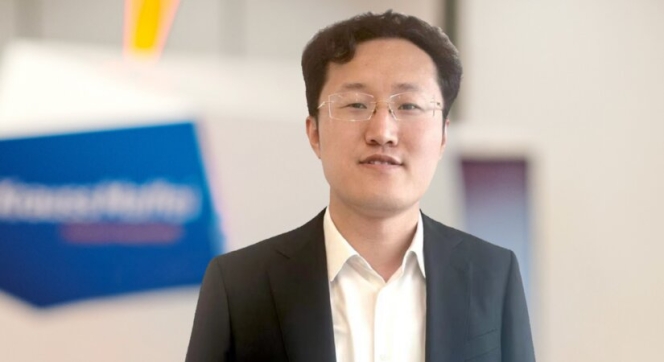
KraussMaffei has appointed Xinting Ren as Managing Director of its extrusion business, effective 1 September, 2026, combining the role with his existing leadership of the group’s China operations.
Ren succeeds Ralf Benack, who left the company at his own request on 31st August , ending a tenure of about two years.
The company said the dual appointment is intended to strengthen integration between its extrusion activities and international operations.
Ren has led KraussMaffei China for the past three years, overseeing cross-technology activities in the Chinese market. Before joining the group, he held several management roles in the chemical industry, including Assistant General Manager at KraussMaffei Company Limited, now operating as Sinochem Equipment Technology Qingdao Co., and most recently served as general manager of Shanxi China Coal Pingshuo Energy Chemical Co., Ltd.
Benack took over leadership of KraussMaffei Extrusion in 2024 and was responsible for the group’s global extrusion business. During his tenure, the company focused on operational processes and customer orientation, reducing delivery times and further developing the Technology Center at its Laatzen site.
The facility now offers 26 pilot lines for development and customer projects, and the company said it also expanded its extrusion technology portfolio.
From September, responsibility for the extrusion business and management of the China business will be combined under Ren’s leadership.
Nokian Tyres Launches Summer Tyre With Top EU Label Ratings Across Range
- By TT News
- September 08, 2026
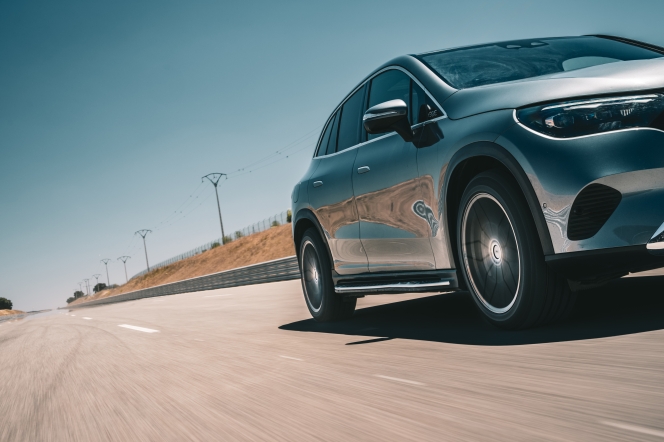
Nokian Tyres plc has introduced a new premium summer tyre, the Powerproof E, designed for Central and Southern European markets, with A-class ratings in all three European Union tyre label categories across its full range.
The company said the tyre achieves top grades for rolling resistance, wet grip and external rolling noise, reflecting a development approach aimed at balancing efficiency, safety and comfort within a single product.
“Whether the priority is maximizing range and efficiency or achieving confidence and comfort in wet conditions, drivers should not have to compromise on safety. The new Nokian Tyres Powerproof E is designed to deliver outstanding performance in the areas that matter most to drivers,” said Tommi Alhola, Senior Vice-President for Passenger Car tyres in Central Europe.
Samu Lepistö, development manager at the company, added: “Achieving A-class ratings in all three EU tire label categories across the entire range is a significant result. These characteristics are all important to today's drivers yet improving one can often affect another. Nokian Tyres Powerproof E was developed to deliver balanced performance across all three areas.”
The tyre incorporates what the company calls Motion Control Technology, combining tread design, compound development and structural engineering to support efficiency and wet-weather performance.
Depending on size, between 40.9 percent and 42.8 percent of the tyre’s material content consists of recycled and renewable inputs, including rice husk ash, recycled carbon black and recycled steel.
Production takes place at the group’s factory in Oradea, Romania, which opened in 2024 and operates with zero direct carbon dioxide emissions, powered by renewable energy.
The Powerproof E is designed for passenger cars, sport utility vehicles and crossover vehicles, including electric, hybrid and internal combustion models. It will be available in sizes ranging from 16 to 20 inches for the 2027 summer season in Central and Southern Europe.
Frank Buntinx Takes Helm As Managing Director Of Continental Tire Canada
- By TT News
- September 08, 2026
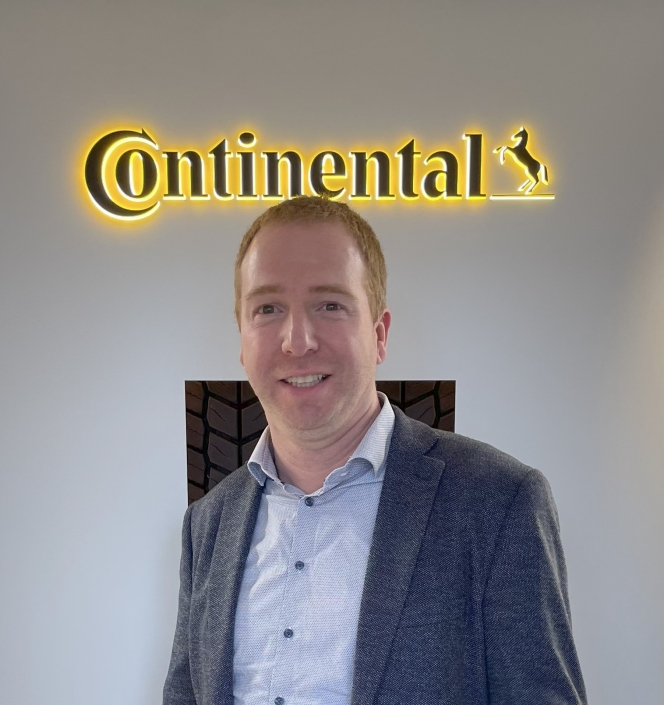
Continental Tire Canada has appointed Frank Buntinx as its new Managing Director, effective 17 August 2026. In this executive capacity, he assumes comprehensive oversight of the organisation’s entire Canadian tyre portfolio, which encompasses passenger and light truck vehicles, commercial truck lines and specialised tyre segments. His leadership will guide the strategic direction and operational performance across these diverse business units.
A native of Belgium, Buntinx brings over two decades of tenure with Continental, having commenced his career there in 2003 within logistics and supply chain management. Over the years, he has accumulated a broad commercial skillset through successive roles in marketing, pricing strategy, business analytics, fleet operations and sales. His professional trajectory later elevated him to senior leadership positions in the Benelux region, where he directed marketing efforts and subsequently headed Fleet Solutions and Truck Tires, thereby acquiring multifaceted management expertise.
This transatlantic appointment signifies a pivotal career transition for Buntinx, offering him the chance to infuse the Canadian market with an international vantage point. His arrival is anticipated to bolster Continental’s regional presence, leveraging his extensive cross-functional background to navigate the complexities of the domestic tyre industry and drive organisational growth.
“I am truly excited to join Continental Tire Canada and begin this new chapter. Continental has built a strong business and reputation in the Canadian market, and I look forward to working alongside our talented team to build on that success, strengthening Continental's position while supporting the growth and success of our customers,” said Buntinx.
Dunlop To Exit Karting Tyre Segment By 2027
- By TT News
- September 07, 2026
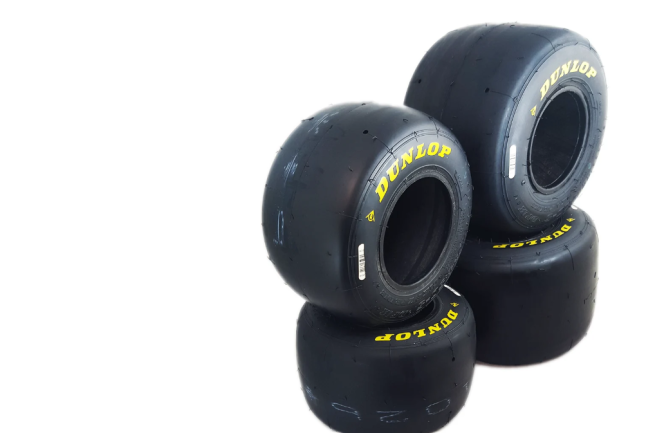
Sumitomo Rubber Industries, Ltd., which operates the Dunlop brand, will discontinue the supply of karting tyres by the end of 2027 as part of a strategic review of its business and allocation of management resources.
The company said it would continue supplying products to existing customers until December 31, 2027.
Dunlop has produced karting tyres since 1976, supplying products homologated by the Commission Internationale de Karting-FIA (CIK-FIA), under the Fédération Internationale de l’Automobile, as well as tyres accredited by the Japan Automobile Federation.
The company said its products had supported a wide range of users, from recreational drivers to young drivers aiming to compete at higher levels, and had contributed to the development of karting participation.
It added that the decision followed a review of its medium- to long-term management strategy and changes in the business environment.
The group said it would continue to contribute to motorsport activities, while expressing appreciation to customers and organisations that had supported its karting tyre business.

Comments (0)
ADD COMMENT