

- Moving India Forward
- Mahindra Truck & Bus
- Ashok Leyland
- Apollo Tyres
- Automotive Research Association of India
- ARAI
- Asian Trucker
- Tyre Trends
- Tata Motors
- MAN Trucks
- Continental India
- Tyresoles India
- Volvo Trucks
- Dr Seshu Bhagavathula
- Rashmi Urdhwareshe
- Dr Venkat Srinivas
- Rahul S. Mahajan
- Sudeepth Puthumana
- Prashant Kakade
- Ministry of Road Transport & Highways
- MoRTH
- SKP Amarnath
- Apollo Tyres
- Vijay Shrinivas
- TREA
- Tyre Retreading Education Association
- Indag
- Mahesh Babu
- Switch Mobility
- Anil Baliga
- EKA Mobility
- Boddapati Dinakar
- VECV
- Shailesh Zinge
- Cummins India
- A Ramasubramanian
- Blue Energy Motors
- Bal Malkit Singh
- All India Motor Transport Congress
- AIMTC
- Prasanna Patwardhan
- Bus & Car Operators Confederation Of India
- BOCI
- Sanjay Sasane
- Institute of Driving Training and Research
Safety And Sustainability Take Centre Stage At Commercial Vehicles Conference 2024
- By TT News
- November 26, 2024
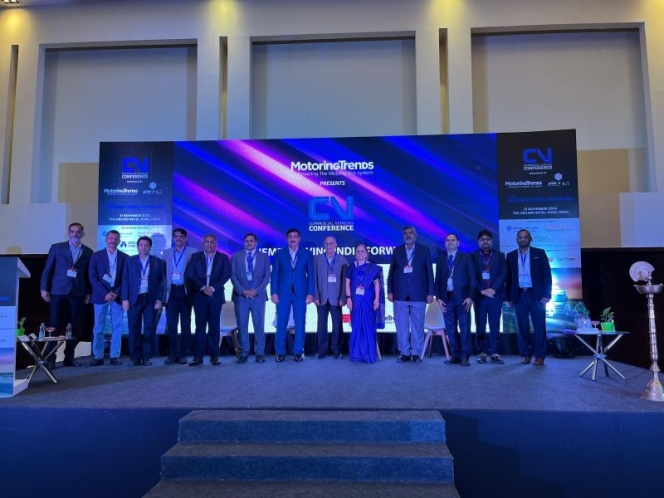
India’s commercial vehicle (CV) industry is rapidly aligning with global standards, thanks to policy reforms, evolving customer expectations and a robust domestic ecosystem. Automakers and suppliers are making significant strides in cost competitiveness, safety innovations and integrating alternative energy solutions. As the sector continues to evolve, the need for collaboration and strategic discussions has never been more critical.
Recognising this imperative, Motoring Trends, a leading automotive magazine, hosted its inaugural Commercial Vehicles Conference on 21st November 2024, in Pune, India. Themed ‘Moving India Forward’, the event served as a platform for industry leaders, including OEMs, suppliers, technocrats, fleet operators and industry partners, to address challenges and identify opportunities shaping the future of the Indian CV landscape.
By bringing together stakeholders from across the value chain, the conference underscored the importance of collective action in driving innovation, enhancing safety standards, and adopting sustainable practices. As the CV industry transforms to meet global benchmarks, such forums are vital to ensuring India’s leadership in the sector while addressing its unique market dynamics and needs.
Mahindra Truck & Bus, Ashok Leyland and Apollo Tyres supported the event as sponsors, while Automotive Research Association of India (ARAI) was the Associate partner, while Asian Trucker and Tyre Trends were the Media partners. The delegates at the event attended from a range of companies such as Tata Motors, MAN Trucks, Continental India, Tyresoles India, and Volvo Trucks among others.
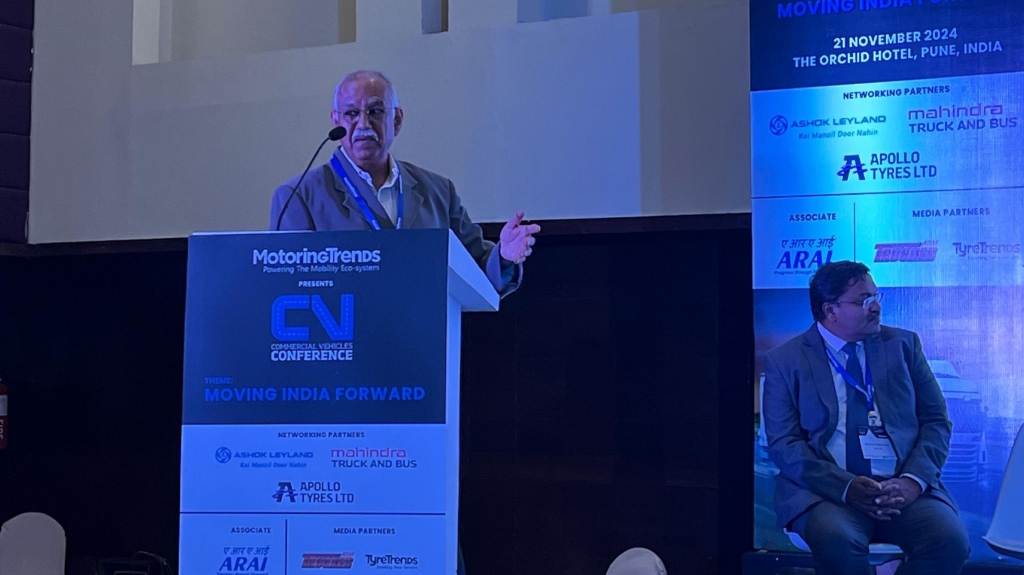
The event kicked off with Dr Seshu Bhagavathula, Director, CityQ and an automotive industry veteran delivering the Keynote address, where he highlighted how urban cities around the world are working to decongest and decarbonise their streets. “This (decongestion and decarbonisation) requires a serious relook and focus on improving urban mobility as well as the role of alternative energy to support the transition,” Dr Bhagavathula.
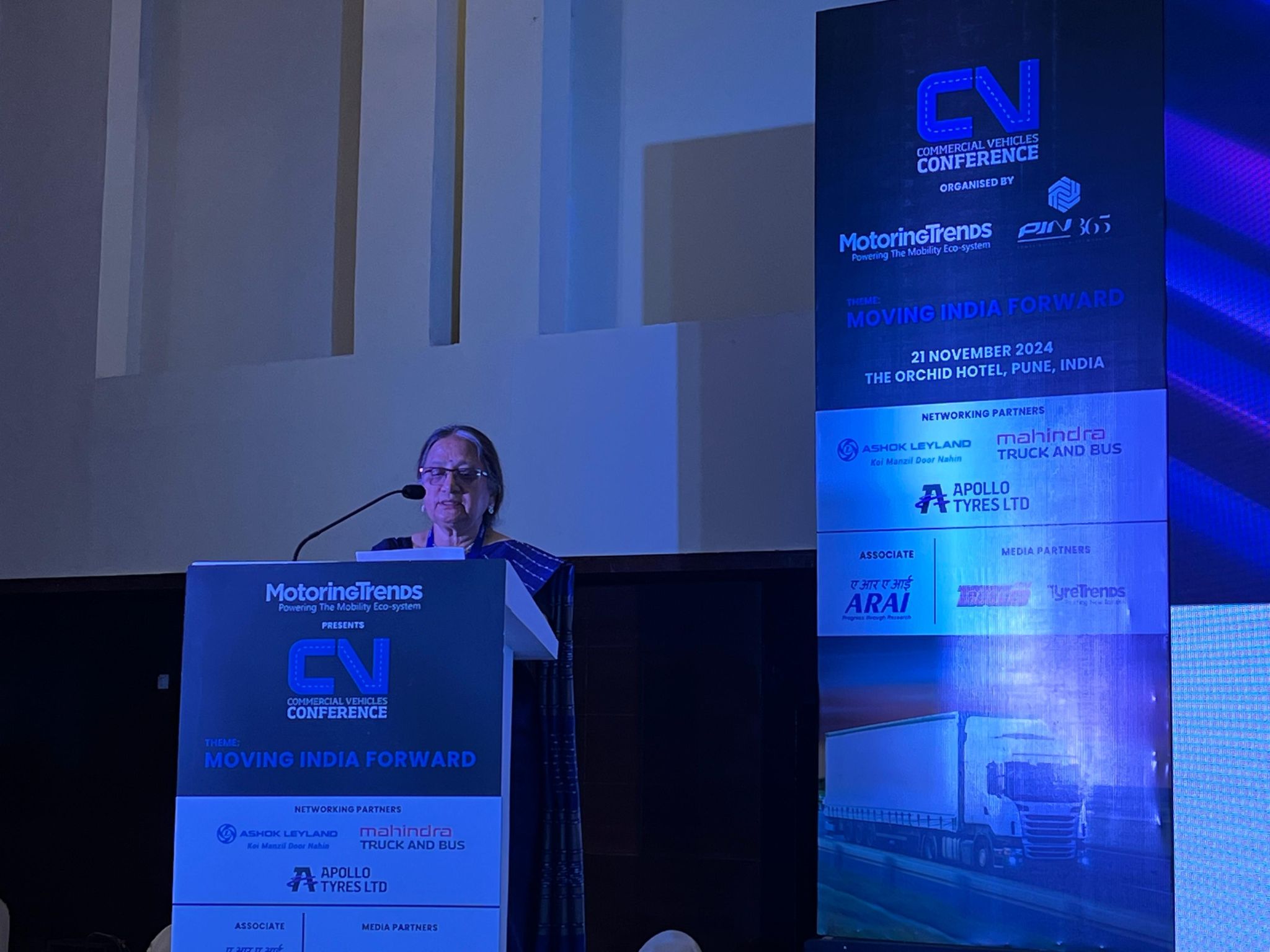
Rashmi Urdhwareshe, Former Director, Automotive Research Association of India (ARAI) shared her perspective on how the automotive industry has been focussing on not just introducing the latest technologies, but also co-developing solutions to meet the India-specific needs. She emphasised the close cooperation between testing agencies, suppliers and OEMs that is accelerating the transition to the latest technologies.
Making commercial vehicles safer
The commercial vehicle population on Indian roads accounts for a small parc of the total vehicles, but ranks 3rd when it comes to the vehicles involved in road accidents. In 2022, more than 460,000 accidents took place in India, which resulted in over 168,491 people losing their lives and over 443,366 people being injured.
The first panel discussion of the day focussed on one of the most important aspects pertaining to the CV industry – Safety. The panellists for the session included – Dr Venkat Srinivas, Head Of Business, Mahindra Truck & Bus; Rahul S. Mahajan, Deputy Director, The Automotive Research Association of India (ARAI); Sudeepth Puthumana, Head of Segment – ADAS, Autonomous Mobility, Continental Automotive India and Prashant Kakade, Ministry of Road Transport & Highways (MoRTH).
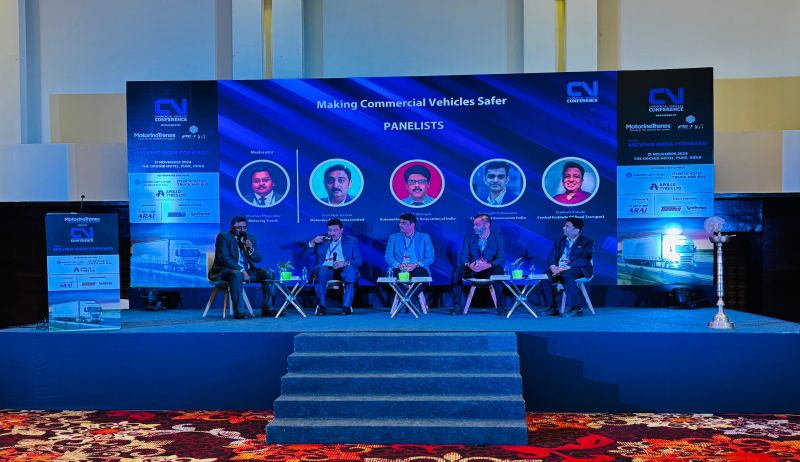
The session, moderated by Bhushan Mhapralkar, Editor, Motoring Trends, touched upon various factors ranging from ADAS technology, and road designing to driver training and sensitisation.
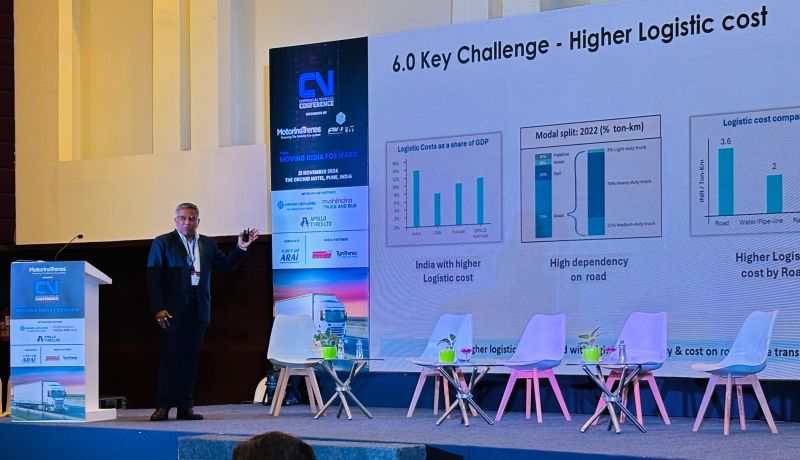
SKP Amarnath, Group Head - R&D, Apollo Tyres gave a presentation on ‘Commercial Vehicle (Truck) Evolution In India And Impact On Tyres’. He dwelled into the key developments that have taken place in the CV industry and how tyres can play a key role in influencing vehicle safety and efficiency.
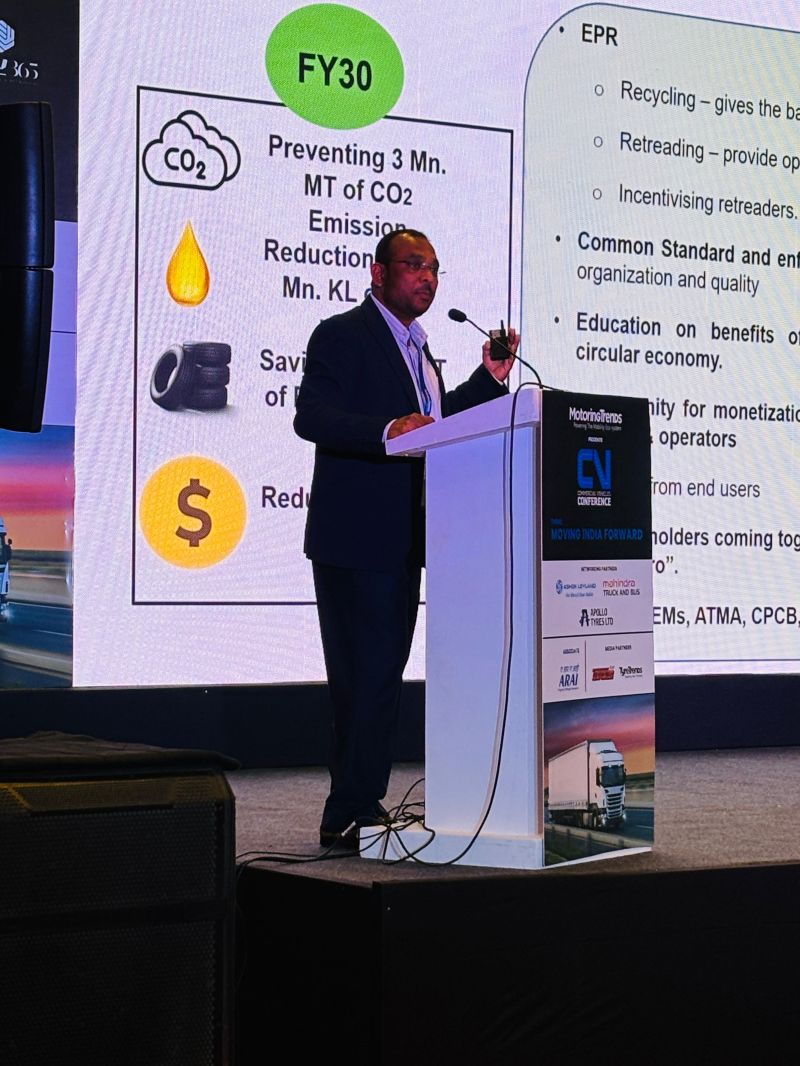
Vijay Shrinivas, Member, TREA - Tyre Retreading Education Association and CEO, Indag, gave a presentation on ‘Driving Sustainability and Circularity in Commercial Vehicle Industry’. He presented his thoughts on how treading not only helps save costs on tyre replacement but also enables higher circularity and thus helps reduce carbon emissions too.
Alternative energy & future of commercial vehicles
The role of alternative energy has been a key topic of discussion globally across vehicle segments. While there has been a focus on electrification in certain vehicle classes, the commercial vehicle segment will need to adopt a mixed approach depending on the application and use case.
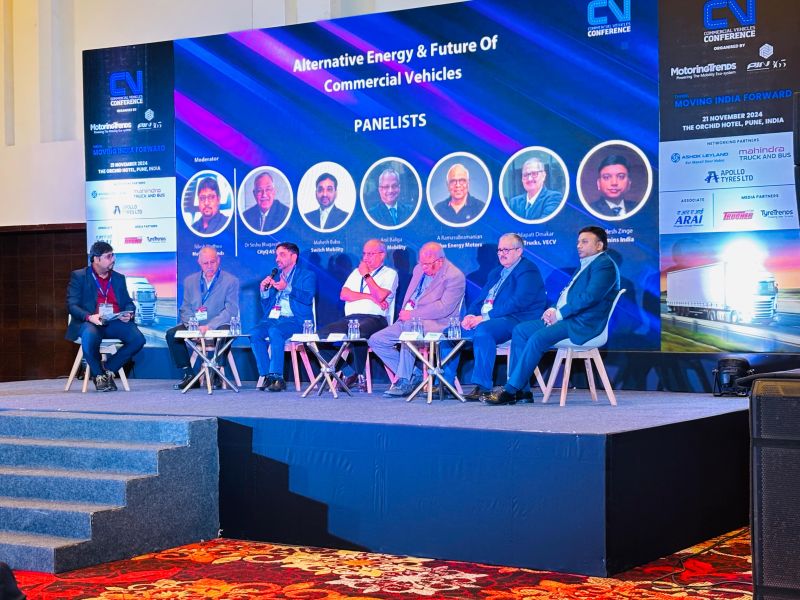
The second panel discussion was on the topic of Alternative Energy and the Future of Commercial Vehicle. The panellists – Dr Bhagavathula ; Mahesh Babu, CEO, Switch Mobility; Anil Baliga, President, EKA Mobility; Boddapati Dinakar, Executive Vice-President, Sales & Marketing, Volvo Trucks, VECV; Shailesh Zinge, Director - Marketing, Growth Initiatives and Program Management, Engine Business, Cummins India and A Ramasubramanian, CTO, Blue Energy Motors presented their perspective on the alternative fuel segment.
The session was moderated by Nilesh Wadhwa, Assistant Editor, Motoring Trends.
The discussion focussed on how industry stakeholders were exploring various energy mix ranging from electric, LNG to future fuels such as hydrogen and fuel cells. The panellists agreed that globally too at present there was no single fuel that could completely overhaul the commercial vehicles segment. There was a need to not only focus on the vehicles but the necessary charging/refuelling ecosystem.
Transport ecosystem
The health of the CV industry is one of the key barometers to understand a country’s economic prosperity. While one can discuss the trends, policies and technologies, it is imperative that the views of the key stakeholder – fleet operators – are taken into account.
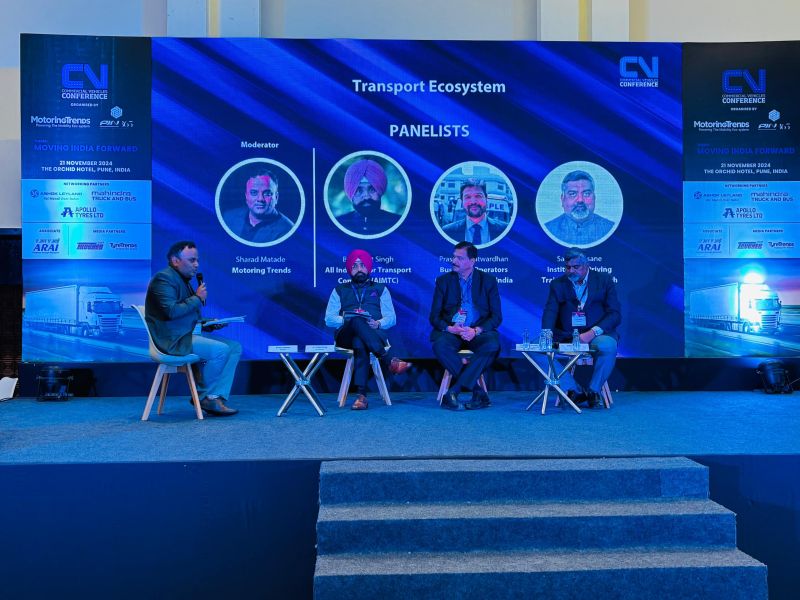
The third panel discussion of the day was on the topic of ‘Transport Ecosystem’. The panellists for the session were - Bal Malkit Singh, Chairman - the Core Committee, Former President, All India Motor Transport Congress (AIMTC) Prasanna Patwardhan, President, Bus & Car Operators Confederation Of India (BOCI) and Sanjay Sasane, Principal, Institute of Driving Training and Research (IDTR).
The session, moderated by Sharad Matade, Executive Editor, Motoring Trends, had an indepth discussion on how fleet operators continued to face headwinds ranging from increases in operational expenses, driver shortages and road infrastructure among others. At the same time, the revenues had not kept up at the same pace. The panellists also presented their perspectives on the adoption of newer technologies and alternative fuels.
Atul Patil, Vice-President – Marketing, Pin 365 delivered the Vote of Thanks.
Panu Ärölä Returns To Tana Oy In Territory Business Manager Role
- By TT News
- October 07, 2026
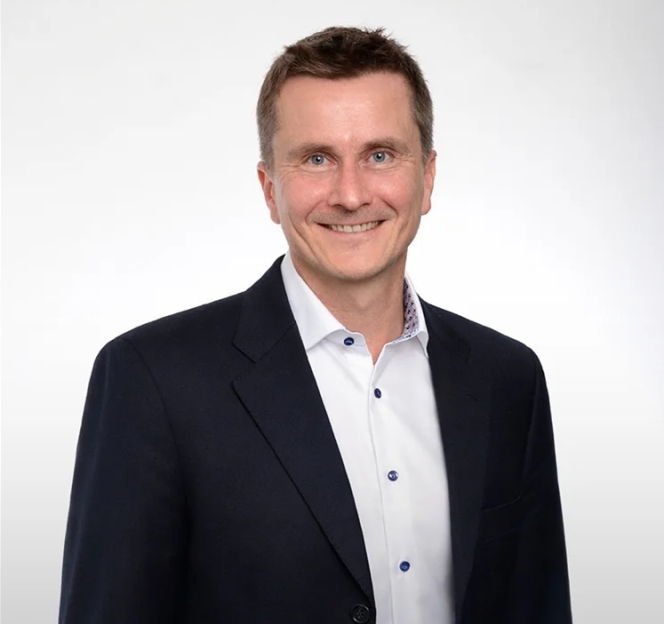
Tana Oy has appointed Panu Ärölä as its new Territory Business Manager, a role he will assume on 2 November. In this capacity, he will focus on strengthening customer and distributor relationships across designated markets while contributing to the company’s ongoing expansion within the waste management and recycling sector.
Ärölä returns to Tana after previously serving as Sales Manager, where he developed expertise in distributor network growth. His background includes extensive international experience in sales, marketing, business development and strategic leadership. Most recently, he held the position of Head of Sales and Marketing at Jet-Tekno Oy, overseeing customer relationship development and business growth initiatives.
Gerd Schreier, VP – Sales, Marketing & Channel Development, said, “We are delighted to welcome Panu back to Tana. His industry knowledge, customer focus and experience in international sales make him a valuable addition to our team. We look forward to working with him as we continue to develop our business and create value for our customers and partners.”
Schill+Seilacher Appoints Stephan Sielaff As Chief Executive
- By Sharad Matade
- October 07, 2026
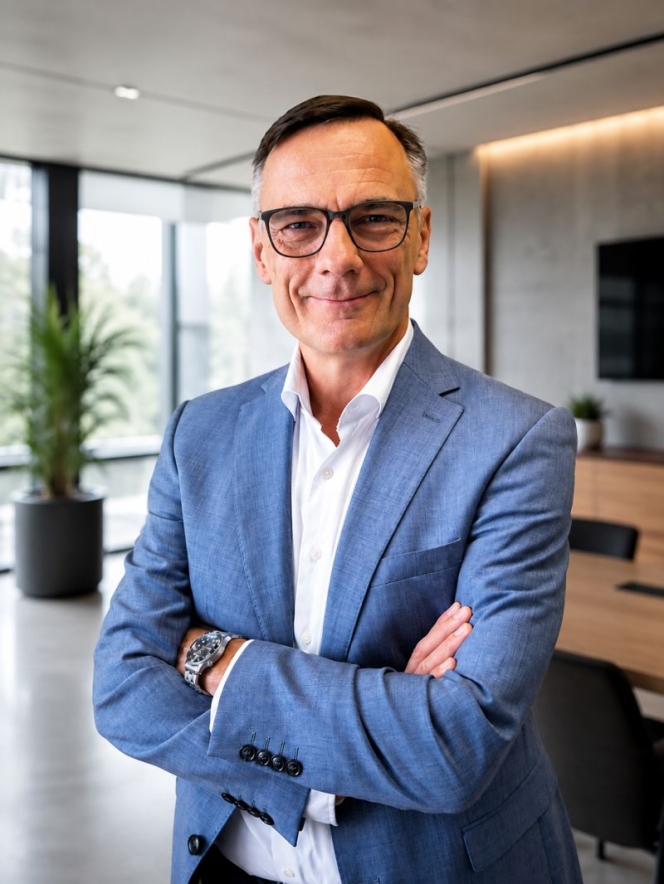
Stephan Sielaff took over as chief executive of the Schill+Seilacher Group on 1st October , as the chemicals group seeks to strengthen links between its businesses and focus more closely on customer needs.
Sielaff brings about 30 years of experience in developing international businesses and organisations. His previous roles include positions at Unilever, Symrise, Archroma, Lenzing AG and SSI SCHÄFER Plastics.
His priorities at Schill+Seilacher include getting closer to customers, encouraging greater knowledge-sharing across the group and making better use of capabilities across its businesses and locations.
“A good product alone is no longer enough. What matters is the value we create for our customers,” says Stephan Sielaff.
The group said it would seek to share knowledge, pursue opportunities jointly and strengthen connections between its locations and business areas.
Sielaff's appointment is intended to support a more integrated approach across the group as it develops its businesses in the years ahead.
Toyo Tire Announces Leadership Changes At Americas, Nitto US Units
- By TT News
- October 06, 2026
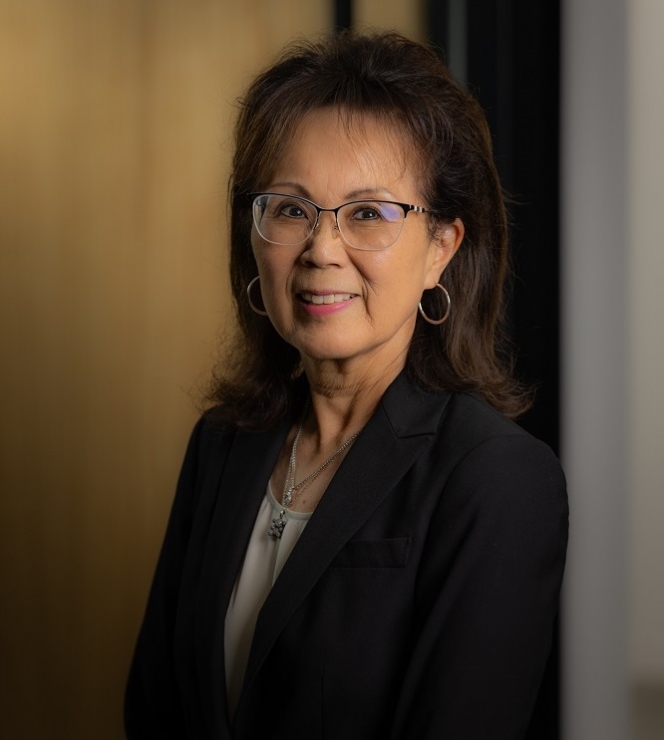
Toyo Tire Corporation of Japan (Toyo Tire) has announced executive appointments at Toyo Tire Holdings of Americas Inc. (TTHA) and Nitto Tire U.S.A. Inc. (NTU), effective 1 October 2026. Keiko Brockel has become President and Chief Executive Officer at TTHA, while Angelo Naval has beeen promoted to President and Chief Executive Officer at NTU.
Brockel, the first woman and first American to hold the TTHA role, will oversee daily North American business operations. She joined NTU in 2008 and previously served as its President and Chief Executive Officer and President and Chief Operations Officer. Over 18 years at NTU, she has held various executive leadership positions, providing strategic oversight in sales, finance, supply chain and operations, contributing significantly to the company's growth and evolution.
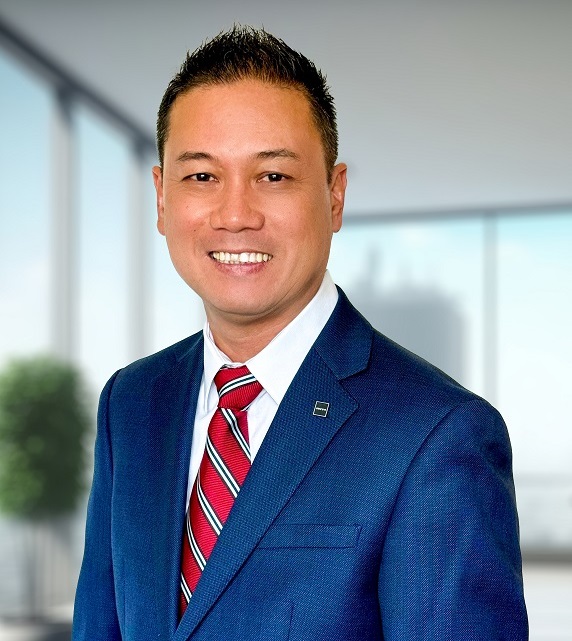
Angelo Naval
Naval, formerly Vice President of Sales and Business Strategy at NTU, will now oversee its business operations. He joined NTU in 2000 and also served as Vice President of Product and Business Strategy. During his 24 years with the company, he has been instrumental in shaping the business, gaining deep understanding and a unique perspective on the Nitto brand, its customers and the markets it serves.
Takashi Shimizu, President & CEO, Toyo Tire Corporation, said, “On behalf of Toyo Tire, I would like to congratulate both Keiko Brockel and Angelo Naval on their well-earned new appointments and thank them for their invaluable contributions to the growth and success of Nitto Tire in the American market.”
ContiTech Appoints Amanda Lacerda As Head Of Communications
- By TT News
- October 06, 2026

ContiTech, the group sector of Continental, has named Amanda Lacerda as its new Head of Communications, with effect from 15 September 2026. In this capacity, she will report directly to Diana Hoppe, who serves as Head of Human Relations and Communications at ContiTech. The appointment places Lacerda at the helm of the organisation’s global communications operations.
In her new position, Lacerda will act as a strategic partner focused on advancing business performance, transformation and brand value. Her responsibilities encompass corporate, executive and brand communications, alongside media and public relations, public affairs, employee communications and reputation management. She is tasked with maintaining a consistent narrative that bolsters ContiTech’s global reputation and aligns with its business priorities and strategic ambitions. Lacerda takes over from Claudia Lademann-Fleger, who has chosen to depart the company for external opportunities.
Lacerda arrives with over two decades of experience in communications, marketing, and public affairs. Her global leadership background includes roles across Brazil, Middle East, Sweden and Germany. Over her career, she has engaged with diverse international markets and industries, assisting organisations in strengthening their brands, managing change and cultivating meaningful relationships with key stakeholders.
Diana Hoppe, Head of Human Relations and Communications, ContiTech, said, “Effective communication plays a key role as ContiTech continues its transformation and prepares for its future as a standalone company. Amanda brings extensive international experience, strategic insight and domain expertise in communications that will help strengthen our brand, enhance our reputation and deepen engagement with employees, customers, partners and communities around the world. As we continue to build a strong and distinctive brand, her leadership will be instrumental in advancing our strategic ambitions and long-term success. I also want to thank Claudia for her many years of dedicated leadership and service to ContiTech, and I wish her every success in the future.”
Lacerda said, “I am excited to join ContiTech at such an important moment in its journey. ContiTech has a strong heritage, talented people and a clear vision for the future. I look forward to working with colleagues around the world to tell our story, support the company’s transformation and help create value through clear, authentic and engaging communications.”

Comments (0)
ADD COMMENT