

Safety First
- By Gaurav Nandi
- March 09, 2026
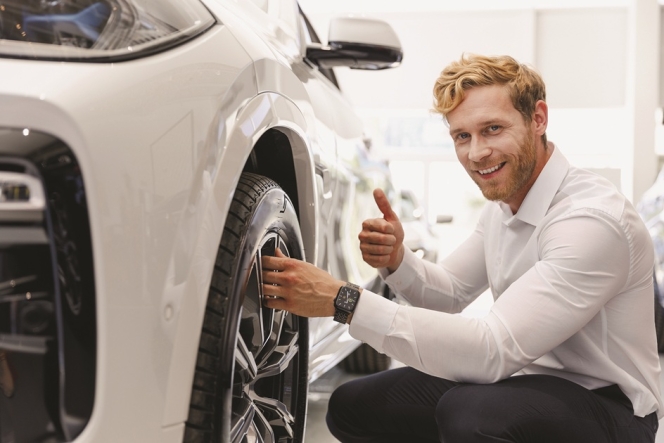
With road accidents claiming nearly two million lives globally each year, safety has become a shared responsibility across governments, industry and road users. Organisations like TyreSafe play a vital role in addressing this challenge by promoting tyre awareness, collaboration and evidence-led action to reduce preventable deaths and serious injuries.
The World Health Organization estimates a whopping 1.9 million deaths worldwide each year due of road incidents. Hence, it can be deduced that approximately 3,200 people succumb to road related incidents each day.
It is also true that governments and organisations are trying to curb this menace that dearly costs the global race. UK-based organisation TyreSafe is one of the many players that are caring for people’s lives.
It dedicatedly raises awareness on the importance of correct tyre maintenance and the dangers of defective and illegal tyres to fight safety issues.
Speaking to Tyre Trends, TyreSafe Chairman Stuart Lovatt said, “We take a strategic, risk-based approach. TyreSafe leverages key seasonal themes such as winter driving, summer journeys and harvest-time rural risks while maintaining suites of evergreen assets that can be used year-round.”
 “Priority is given to vulnerable road user groups through targeted campaigns, alongside all road users via our flagship Tyre Safety Month. Partnerships are critical. By integrating tyre safety into partners’ existing calendars and campaigns, we significantly extend our reach without duplicating effort. This collaborative model ensures resources are used efficiently and messages reach the right audiences at the right time,” he added.
TyreSafe works with over 250 organisations to disseminate the message of safety. Each collaboration enables it to reach different regions, sectors or road user groups, whether that is police forces, road safety partnerships, rural safety groups or charities.
“Cross-sector collaboration is essential to delivering the safe system approach. Safe vehicles and tyre safety in particular must be embedded within long-term, joined-up efforts to reduce and ultimately eliminate death and serious injury on UK roads,” said Lovatt.
The key lesson is that collaboration requires persistence and clarity of purpose. Strong partnerships are built on shared goals, evidence-led strategy and tangible outputs such as research, campaigns and participation in influential working groups. From there, aligning on tone, timing and messaging becomes much easier.
SAFETY GOALS
Vision Zero is a global road safety approach that aims to eliminate all road traffic deaths and serious injuries. It is based on the belief that human error is inevitable but fatalities are preventable through safer road design, responsible speeds, safer vehicles and stronger shared accountability.
Lovatt noted it as an ambitious but essential goal and one that no single organisation can achieve alone.
However, he explained that TyreSafe measures progress not just through a single metric and more through its contribution to the wider safe system approach, particularly the safe vehicles and safe people pillars.
A significant recent milestone has been the launch of the National Road Safety Strategy, which creates a renewed framework for collaboration between government, charities, enforcement, industry and researchers. After more than a decade without a national strategy, this provides the foundation needed for coordinated, evidence-led action.
Looking ahead to 2030, TyreSafe’s focus is on embedding tyre safety more firmly into national conversations around vehicle safety, fleet responsibility and public behaviour change.
“Success will be measured through stronger cross-sector collaboration, increased visibility of tyre safety within wider road safety initiatives, improved data quality and sustained engagement from both industry and road users, which all lead to a marked reduction in number of serious incidents on our roads,” said Lovatt.
TyreSafe continually reviews its resources to ensure they remain relevant and valuable. “We already include EV tyre safety guidance on our website, and this is an area we expect to develop further. With a small team and a wide range of road users to serve, prioritisation is essential. Each year we expand our resource portfolio carefully, ensuring new content delivers genuine value for stakeholders and does not dilute impact,” added Lovatt.
CHALLENGES AFOOT
Lovatt contended that technology offers clear benefits for data collection and diagnostics. However, it also presents risks if it reduces the active, human element of tyre safety.
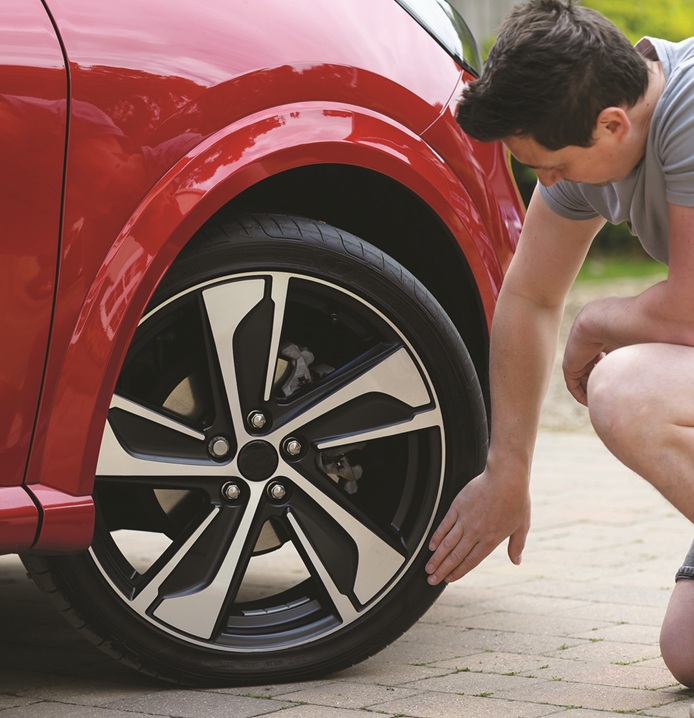
Visual and manual checks remain critical in identifying damage, wear and defects that technology may not always capture. There is a risk that increased vehicle automation could lead to complacency, so TyreSafe’s approach will continue to reinforce the importance of driver responsibility alongside technological advances.
On the other hand, scepticism and inertia are imminent challenges that are addressed through clear case-for-action statistics, which consistently resonate with the public, media and stakeholders.
“Culturally, the cost-of-living crisis presents real challenges with drivers delaying tyre replacement or repair for financial reasons. For fleets, education is key. We produce targeted content and resources for fleet and compliance managers that emphasise not only safety but liability, duty of care and reputational risk. By framing tyre safety as both a safety and business-critical issue, we are better able to overcome resistance and influence positive behavioural change,” said Lovatt.
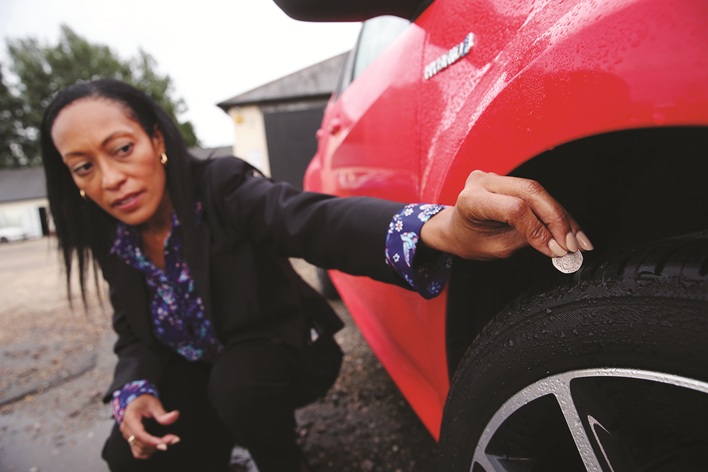
Measuring real-world outcomes also remains one of the biggest challenges in road safety. “Data on tyre-related incidents relies heavily on third-party reporting, which limits our ability to directly attribute impact. To address this, TyreSafe conducts its own research, such as the 2023 national tread depth survey, which we are looking to repeat,” explained Lovatt.
It also runs smaller-scale public surveys to understand not just what behaviours exist but why, allowing the organisation to refine messaging and improve relevance. It also utilises partners data and research with their support to continuously refresh and strengthen the case for action.
“While awareness metrics remain important, our focus is increasingly on insight-led evaluation that informs practical behaviour change,” he said.
BALANCING SCALES
Balancing programme expansion with sustainable funding and supporter engagement remains a challenge for a charity organisation leading national safety efforts.
TyreSafe works closely with its industry supporters, who are its primary income stream. The organisation ensures that it has a voice and that its strategic direction, resource development and investment decisions align with their CSR objectives while avoiding conflict with commercial activity.
This collaborative approach helps maintain long-term trust, financial sustainability and shared ownership of TyreSafe’s mission.
TyreSafe also does not advocate for legislative change and operates strictly within existing regulatory frameworks. However, it works closely with a wide range of organisations and partners who are able to engage more directly in policy advocacy.
“Our priority is engaging stakeholders, industry, enforcement partners and the wider road safety community while using our research, status and channels to reach the public both online and offline. The goal is to drive real, practical behaviour change, rather than focusing solely on awareness,” explained Lovatt.
He added that by ensuring that organisational evidence, campaigns and resources are robust and credible, it supports informed dialogue across the sector and contributes to policy discussions indirectly through collaboration and shared insight.
“International engagement is driven by a desire to support organisations embarking on their own road safety journeys. By sharing TyreSafe’s 20 years of research, campaigning experience and resources, we can help others accelerate progress and reach audiences more quickly. The focus is on enabling and supporting, rather than exporting a one-size-fits-all model,” contended the executive.
TyreSafe’s work highlights that meaningful road safety progress depends on sustained collaboration, credible data and behavioural change. By embedding tyre safety within the wider Vision Zero framework and adapting to emerging technologies and challenges, the organisation continues to influence safer roads, vehicles and users, proving that incremental actions can collectively save lives.
Apollo Tyres CFO Gaurav Kumar Resigns After 22 Years
- By Sharad Matade
- August 07, 2026
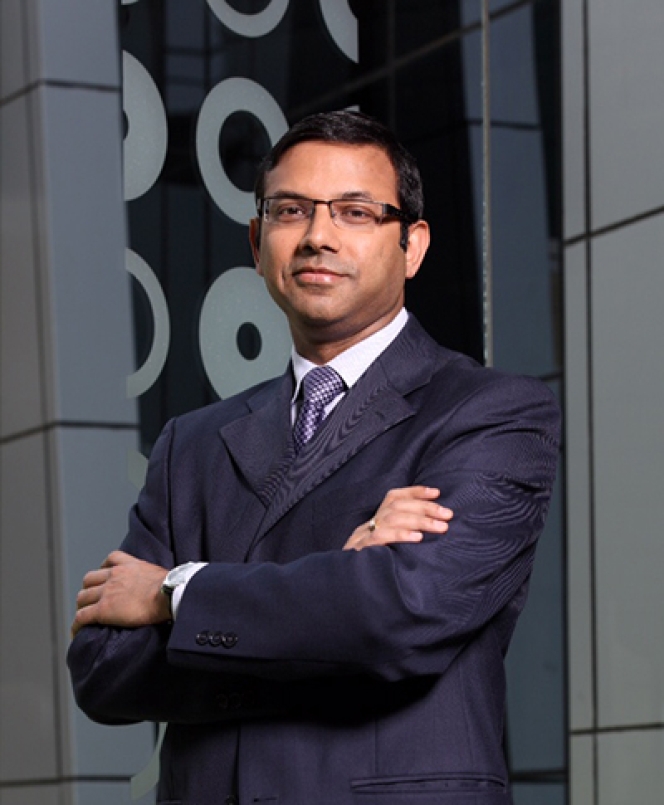
Gaurav Kumar has resigned as a whole-time director of Apollo Tyres, the Indian tyre manufacturer, after more than two decades with the company, though he will remain chief financial officer during a transition period.
The Gurugram-based company's board approved the resignation at a meeting on Thursday. Kumar steps down as a director, and consequently as a member of the risk management committee, with effect from the close of business the same day. The company said he had confirmed there was no material reason for his departure beyond that stated in his resignation letter.
Kumar will continue as chief financial officer for such period as is necessary to ensure a smooth transition, after which he will cease to be part of the company's senior management.
In his resignation letter, Kumar said: "It has been terrific to be part of the incredible journey at Apollo Tyres thus far. I have learned, and hopefully contributed in equal measure, and now seek to explore alternative and new challenges. I wish Apollo Tyres the very best for the journey ahead and will always be part of the Apollo Tyres Family." He added that he was grateful to Onkar Kanwar and Neeraj Kanwar for their support during his tenure of more than 22 years at the company.
Neeraj Kanwar, Vice-Chairman and Managing Director, said: "Gaurav deserves kudos for the critical role he has played in the growth of Apollo Tyres, both in India and overseas, in the last twenty years. While we do regret losing him, we are conscious of his personal aspirations and wish him the very best in his future endeavours."
The company said it was in the process of appointing a new chief financial officer.
Shrader Tire & Oil Expands Bob Feldbauer's Role To President And COO
- By TT News
- August 06, 2026
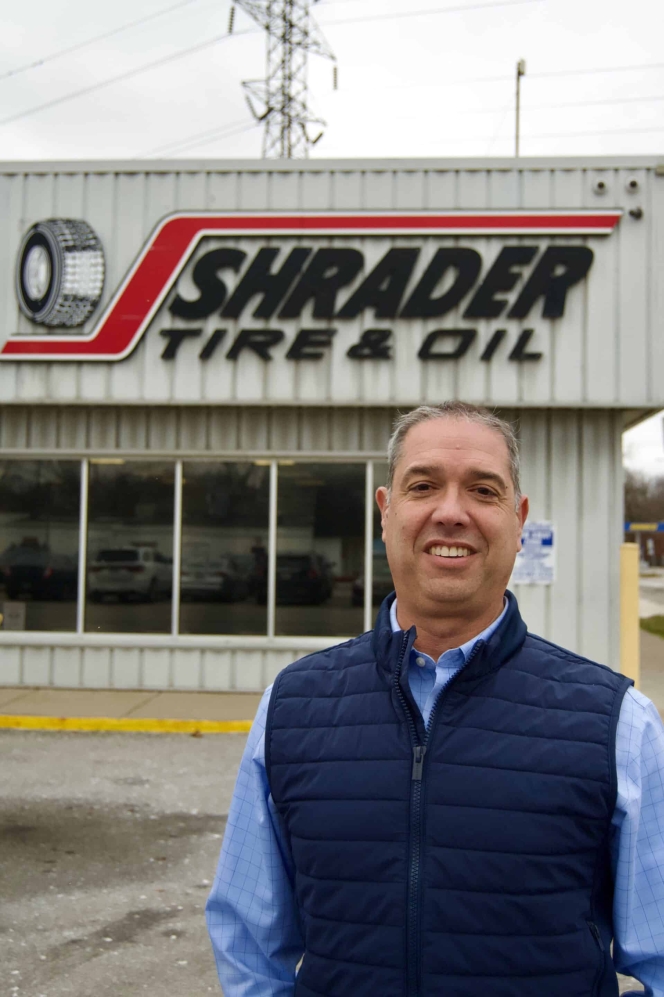
Shrader Tire & Oil (STO) has announced the appointment of Bob Feldbauer to the role of President, effective 1 August 2026. He will concurrently serve as Chief Operating Officer, while Joe Shrader maintains his position as Chief Executive Officer.
Feldbauer’s ascent follows his arrival at STO in early 2025 as Chief Operating Officer, a role built upon a robust industry resume. His prior engagements include a lengthy stint at the helm of Jack’s Tire & Oil in Utah and a substantial period with Michelin North America, where he handled sales and managerial assignments.
Under the new structure, Feldbauer’s purview widens to encompass both internal fleet management across 14 sites and outward-facing commercial development, including alliances and market expansion. With the founding family’s fourth generation now active within the firm, the succession plan reinforces the enduring principles established when the company opened in 1948.
Shrader said, “Bob has proven exactly what we hoped he would when we brought him on board – sharp operational instincts and a real drive to help this company grow. Putting him in the President seat lets us move faster on the growth plans we’ve been building towards.”
Feldbauer said, “It has been a fast year and a half at Shrader Tire & Oil. I have gained tremendous insight and valuable knowledge about our organisation’s structure, company culture and an understanding of our overall goals and commitments. One thing is clearly obvious – the commitment Shrader employees have to deliver the best customer experience each and every time. I appreciate this and look forward to supporting them as their President and COO.”
- Satish Sharma
- Balkrishna Industries Ltd.
- BKT
- Mumbai International Airport Limited
- Infectious Advertising
BKT Drives Beyond Off-Highway With Mumbai Airport Brand Showcase
- By TT News
- August 06, 2026
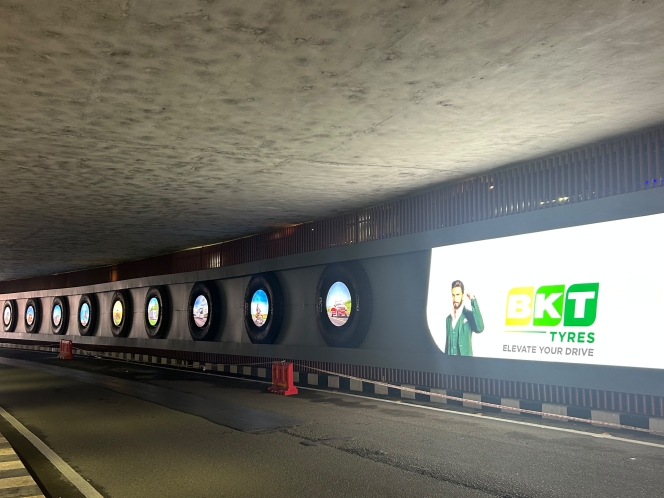
Balkrishna Industries Ltd. (BKT) has unveiled a brand installation at the Mumbai International Airport Limited (MIAL) T2 Elevated Road Underpass as the tyre manufacturer seeks to broaden its positioning beyond its traditional Off-Highway business and strengthen awareness of its expanding on-highway portfolio in India.
The 2,000 sq. ft. installation, inspired by the company's "Elevate Your Drive" philosophy, highlights BKT's portfolio across agriculture, construction, mining, earthmoving, commercial vehicles, two-wheelers and passenger vehicles. The activation comes as the company expands its presence in India's two-wheeler and commercial vehicle tyre segments.
Designed to move beyond conventional outdoor advertising, the installation features nine illuminated tyre-shaped displays, each 8 feet in diameter, using the tyre itself as the central storytelling element. It opens with a large-format visual featuring BKT brand ambassador Ranveer Singh, followed by a sequence of displays illustrating the company's expanding mobility portfolio. The installation will remain at the airport for 24 months.
Mumbai International Airport handled a record 55.5 million passengers in 2025, providing the company with sustained visibility among business travellers and consumers.
"For BKT, innovation goes beyond product engineering; it extends to how we tell our story. This installation reflects a simple yet powerful idea: our tyre itself becomes the medium through which travellers experience the breadth of BKT's world. As we expand our presence across India's mobility landscape, it is important that consumers see BKT not through a single product category, but as a brand that supports movement across diverse terrains, applications and journeys. Mumbai Airport provides an ideal stage for us to express that transformation in a memorable and distinctive way," said Satish Sharma, Senior President & Director – Business Development and Strategy, BKT.
The installation was conceptualised by Infectious Advertising and uses immersive design, sequential storytelling and its airport location to showcase the company's wider mobility portfolio. According to BKT, the activation is intended to connect its established Off-Highway business with its growing presence in India's on-highway mobility market.
Epsilon Carbon Reports 10% Reduction In Upstream Logistics Emissions In FY2026
- By TT News
- August 05, 2026
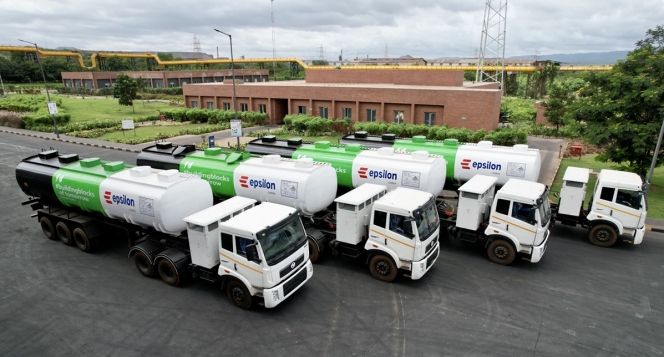
Mumbai-headquartered leading carbon black manufacturer Epsilon Carbon has reported a 10 percent reduction in carbon dioxide equivalent emissions across its upstream transportation operations during FY2025–26. The reduction was achieved through the deployment of an electric and liquefied natural gas freight fleet.
An independent third party certified the emissions data. The reductions achieved in transport logistics equate to carbon absorption figures associated with approximately 29,000 trees. The verified figures allow supply chain partners to include these reductions within Scope 3 emissions reporting frameworks and environmental disclosures.
Gaurav Mathur, Chief Executive Officer, Epsilon Carbon, said, “Decarbonising logistics is central to our climate strategy. What makes this milestone meaningful is that the results are independently verified with a 10 percent reduction in CO2e emissions within the upstream transportation category over a single financial year, driven by the adoption of electric and LNG fleets. These carbon reductions strengthen our own sustainability disclosures and those of our customers, and we intend to scale this model across our supply chain.”
Following Phase 1 operations, Epsilon Carbon intends to expand the number of electric and LNG vehicles in its transport fleet during FY 2026–27 to scale low-carbon freight transport across its supply chain network.
Comments (0)
ADD COMMENT