

Fifty-seven years ago on 1st September 1968, I joined the rubber products manufacturing industry in Sri Lanka (then Ceylon) as a trainee in a medium scale footwear company. The only knowledge or rather awareness I had of rubber until that time was seeing the tapping of trees, adding a pungent liquid to the milky liquid, put on metal trays, squeezing the whitish slab of material through two rotating metal rollers manually rotated by a crank and putting them in a smoke shed that was available in some backyards to end up with a striped brownish sheet of rubber, which I later learnt was known as RSS. Later, in the early sixties, during our Organic Chemistry lessons, we learnt that C5H8 is the formula for Isoprene, which is the building block of natural rubber. Going down the memory lane of the past 57 years of knowledge acquisition in the rubber industry might turn out to be an exhaustive exercise. However, it is my sincere hope that some of my experiential insights might help the modern-day managers to seek areas that may strengthen their foundations in this era of rapid shifting sands.
I should say I am at a loss in finding an appropriate definition of knowledge from the vast interpretations which appear to be too academic. One practical and easy to understand definition I have come across in that knowledge is the ability to understand, apply and transfer information and experience to solve problems and adapt to changing circumstances, Merely the possession of facts is meaningless. It is the skill of using them effectively for survival, development and progress that is more important. It reminds me of the many research findings and innovations that are gathering dust in many institutions. In the case of early humans, knowledge emerged through direct observation of nature, trial and error and sharing same with groups. In my opinion, the context has virtually been the same over the ages, although the scope and the contents have undergone drastic changes during the course of human history, particularly through the four industrial revolutions and apparently heading for an unprecedented and a somewhat incomprehensible future.
If I am asked the question how I have acquired knowledge during my working life, I would say without any hesitation that it was through a process of osmosis. Those who studied botany under the biological sciences may perhaps vaguely remember how plants absorb water, minerals and other nutrients from the surrounding soil through their root systems by the process called osmosis. In a similar manner, we also acquire knowledge from the external environment through our sense facilities, namely the eyes, ears, nose, tongue and the skin, and through perceptions, which are processed by our brain and the central nervous system. The Buddhist doctrine gives a clear description of this process, which are well in line with the biological and physiological sciences. I, however, would not wish to go in to a philosophical deliberation at this point of time. Knowledge acquisition is a lifelong process with the ‘cradle to grave’ concept, and according to the modern scientific findings, starting at the moment of our conception in the mother’s womb.
I would now endeavour to delve a little into the knowledge acquisition modalities available to us trainees during our formative days of the career in the rubber industry from the late sixties onwards. The modern rubber technologist (if the term is still in use) may perhaps find them archaic as if they are viewing the archaeological remnants exhibited at a museum. It was hands-on experience from the beginning in what was termed a 3D industry, namely dirty, difficult and dangerous. This was mainly due to the particulate and dusty nature of the various fillers used such as carbon black and the toxicity of the rubber chemicals, coupled with the usage of high energy consuming motor driven machinery, both electrical and heat, usage of steam and compressed air, emission of high noise and vibration, fumes and high material load in some industries such as tyre manufacturing and tyre re-treading. The complexity and diversity are further aggravated by the macromolecular nature of both natural and synthetic rubber, which necessitates the somewhat illogical steps of breaking and remaking using a vast array of heterogeneous raw materials to facilitate the processability and for achieving the performance requirements of the products, some of which are of highly composite nature. As a consequence of the above, rubber product manufacturing industry was not at all the preferred choice for young school leavers like me. Hence, my entry into the rubber industry was due to the pure necessity of finding employment. However, the practical involvement with the identification and weighing of the multitude of rubber raw materials somehow had its attraction for me, which prompted me to read the limited number of text books and supplier literature that were available at that time. The real turning point in my career in the industry was the opportunity I got to follow the two-year part-time course at the then Ceylon College of Technology (now a university) to study for the Licentiate of the Institution of the Rubber Industry, LIRI (UK). This was equivalent to a full time BSc today. We were very fortunate to have three well-respected and dedicated teachers of the day in our quest for the acquisition of knowledge. Teaching was a noble profession for them, and I am very proud to state that their photographs adorn the entrance to the auditorium at the Plastics and Rubber Institute of Sri Lanka, where I joined as student in 1969 and ended up as its President for the year 2024.
Another remarkable feature during those days came in the shape of representatives from well-reputed giants in the raw material manufacturing companies such as Bayer, ICI, Monsanto, ACCI Rhien-Chemi and Polysar, names which to my knowledge are not existing now, or may be as mergers. These were invaluable opportunities for us the young technologists to gain the technical knowledge and discussion about the technical problems. The short technical sessions conducted by some of them in the evenings were eagerly awaited occasions during our days to share knowledge over a cup of tea. I am a little puzzled whether some of the similar events conducted online as webinars have the same effects or if at all that personal rapport.
The Bayers Technical Programme conducted annually at Thane, India, during those days was another avenue for gaining very valuable theoretical and practical knowledge, and I was fortunate to associate with prominent professionals such as R R Pandit, who left this world a few years ago, and Dr S N Chakravarthy.During my working with the Bata Shoe Company of Ceylon for 12 years, I had the opportunity to represent the company at a few of the Regional Technical Meetings held in the Far East. These were invaluable platforms for sharing knowledge and information of the technical developments of the individual companies. They were also enjoyable opportunities for networking and building up some lasting relationships. After following the programmes, it was compulsory that we give a presentation to the management and staff about our learning experiences, and more importantly, to plan development activities, the success of which was one criterion for our individual performance evaluation. Knowledge by itself is not power unless it is shared – a truism that will not apply to politics and the intelligence services. I well remember the case in a place I worked later about how some staff members who were sent to Japan for training deliberately skipped sharing what they learnt at company expense with the fellow staff members despite the several reminders.
As a passing remark, I may mention that my period of working in the tyre retreading and rubber products manufacturing companies in Kenya (for about 14 years) offered me the good opportunity of working with multiethnic communities while imparting my knowledge to train and develop staff members.
Now, coming to the global rubber product manufacturing, it can be seen that the focus on mixing, curing and reinforcement knowledge requirements has expanded into a multidisciplinary portfolio over the past 50 years, and the quest will continue. It is not prudent to do comparisons as ‘now and then’ because knowledge acquisition and its management is heavily dependent on the needs and requirements at any particular era or period of time. Unlike in our generation, a vast knowledge base, which is sometimes bewildering, is available at the touch of a fingertip for the modern-day managers, and apparently, most of it is related to their work and operational activities. My discussions and chats with many managers reveal the fact that they are overburdened with their daily activities and are working at different stress levels. They seldom seem to have any time or opportunity to integrate their work with the core values such as respect, gratuity and empathetical understanding.
The famous quote of Sir Issac Newton comes to my mind at this juncture: “If I have seen further, it is by standing on the shoulders of Giants.” He wrote this statement in a letter to Robert Hooke in February 1675, acknowledging that his own scientific discoveries were built upon the work of his predecessors, a sentiment that symbolises humility and scientific progress.
Knowledge and discipline go hand in hand. How to use knowledge appropriately needs discipline to comprehend. The consequences of using knowledge for the sake of knowledge, purely for application to industry, without giving due recognition to humanity and our core values is surfacing rapidly at the cost of trust, wellbeing, harmony and human development in every aspect of human activity, both locally and globally. In this respect, I remember the famous line from the poem, The Rime of the Ancient Mariner, by Samual Taylor Coleridge, which we happened to study in our literature class a long time ago.
‘Water, water everywhere and not a drop to drink’ illustrates the irony and anguish of being desperately hot and thirsty whilst being surrounded by nothing but ocean.
The author is a Management Counsellor from Sri Lanka.

As a surviving member of the ‘baby boomer’ generation that commenced with the rapid economic growth following the World War II, I think we are, in a broad sense, privileged to have witnessed and experienced the happenings and consequences of about 50 years in the 20th Century and about 30 years in the 21st Century. When contemplating on the term literacy and its traditional meaning of being able to read and write from an educational perspective, I feel it fitting to cite a few real-life cases, from way back, which make me to wonder whether the above interpretation of literacy is all encompassing.
a) My maternal grandmother, who was born in 1900, did not know reading or writing, a typical feature about the female folk in that era, especially in the remote villages. Despite this apparent handicap, she successfully managed the day-to-day administration of the paddy fields and the rubber plantation, including finances, and raised three children to become worthy human beings.
b) Then there were these three young people who had migrated to Colombo with minimal formal education and started their business in humble ways to become well recognised icons of international fame in the healthcare, confectionary and rubber footwear and tyres, respectively, the latter being related to my own core field, the rubber industry.
c) Last but not the least, the late Martin Wickremasinghe, born in the late 19th century, who attended school only up to the 7th standard, wrote hundreds of books on diverse subjects such as history, anthropology, sociology, religion and literature and several novels (some of which were translated to several languages), which rightfully recognised him as a well-respected scholar and the greatest writer in Sri Lanka.
While it may be futile to compare apples with oranges, I feel that literacy has a utilitarian perspective, which can change with the social context and the circumstances. With my manufacturing background, I see a close parallel of literacy and quality. Out of the hundreds of definitions available of the latter, ‘fitness for use and the level to which requirements are fulfilled’ is applicable to literacy as well.
When going through the available information on the subject, it is noted that ‘literate’ can be traced back to the early 15th century from the Latin word literatus, meaning learned, educated and lettered. Initially, literate meant someone who was well educated, learned and acquainted with literature, and over time, as basic schooling became more widespread, the word was adapted to describe the foundational skill of reading and writing. The Oxford Advanced Learner’s Dictionary defines literacy primarily as ‘the ability to read and write’. Two core definitions for the term are identified as Basic Literacy, the fundamental ability to read and write, and Specialised Literacy, the competence, knowledge or skill in a specific subject area in which common modern applications include:
a) Computer literacy: The ability to use computers effectively.
b) Financial literacy: Understanding and effectively managing personal finances.
c) Health literacy: The capacity to obtain, process and understand basic health information and services.
It could be inferred that we, the ‘baby boomers’, currently at an advanced stage in life, cannot do without the above basic literacies, and as a minimum, the routine health check such as blood sugar, blood pressure, LDL and HDL etc. to survive and lead active lives.

It is said that writing originated primarily out of economic necessity as the early agricultural societies grew and needed to track goods, taxes and trade. The evolution of writing from rudimentary clay tokens in to the world’s first independent writing systems in Mesopotamia, Egypt, China and Mesoamerica around 3200 BC to 3000 BC is a story that requires a deeper elucidation at a different forum.
Literacy is considered as one of the most important foundations of civilisation and has played a crucial role in human survival and existence both evolutionary and historically. However, instead of going into a deliberation of these foundational perspectives, I intend to offer some of my personal insights and recollections on this important subject over the past 60-plus years. I can recollect how at preschool stage, we were initiated into the basics of reading and writing using slates and slate pencils (made out of a silicious material) and the ‘black boards’ in the class room where chalk was used for writing. Literacy mainly meant the ability to read and write and, in later classes, in performing basic arithmetic. In schools and workplace, literacy was closely connected to formal education and subject knowledge. A literate person was one who could understand written communications, reads books and newspapers, write letters and maintain records and perform effectively in society. It was directly connected to social respectability and economic progress.
Literacy in English was considered as a rare virtue in countries which were under the British colonial rule. It was confined only to a few ‘high level’ schools in Colombo and in some major towns. Hailing from a rural background and having attended a small primary school in a remote town, I have first-hand experience of the panic and inferiority when I started secondary education in Colombo. This was especially true when we started studying for the Government (Ordinary Level Exams) in the science stream which was all in English. It was a struggle to get adapted and face the challenge, which I would say, I managed fairly well.
In those days, literacy was essentially confined to formal education and subject knowledge. Students were expected to memorise facts, understand texts and reproduce the information during the examinations. Books and libraries were the main sources of knowledge. Teachers were well recognised and respected as the primary sources of knowledge. And learning was generally a disciplined and structured process. And information, though limited, was relatively organised. I do not consider this as a deficiency or a weakness at all, because it fitted well with the societal and business expectations of those days.
I can well remember the day of my first interview seeking a job, which happened to be in the rubber industry. Instead of asking about isoprene or how the RSS (Ribbed Smoked Sheet) is made, although I managed to cram some information about the latter, I was asked about Ohm’s Law and how steel is made from iron ore. I was lucky because in our Advanced Level class, we had studied the above, and this paved way for a lifelong career in the rubber industry.
Literacy seems to be directly proportional to the rate of percolation or trickling down of the technologies to countries in our part of the world, and this was a rather slow process until the early eighties. However, mankind is evolutionary geared for ‘adaptive radiation’, which in modern jargon can be interpreted as how quickly we learn and get used to the new situations and contingencies as we meet new frontiers. According to the modern theories of cognitive learning, we acquire new knowledge through assimilation of new concepts (schemas) or by accommodation of incoming concepts into our existing knowledge. As an example, I can relate with my personal experience how my literacy in rubber technology evolved, starting as young trainee with very little knowledge on rubber. With the rapid development of science, technology and globalisation and artificial intelligence, the meaning of literacy has expanded beyond the traditional horizons.

In contrast to the scenario of over 50 years ago, today’s literacy has grown to include cultural awareness, ethical understanding, workplace competence, computer literacy, digital communication and the ability to manage continually increasing volumes of information; some of them are very often recurring and sometimes redundant. Some key diversions are shown as follows:
a) Educational and subject literacy: While mathematical and scientific literacy, language proficiency and analytical thinking is essential, they go beyond memorising facts to effective application of the knowledge.
b) Cultural literacy: This has become increasingly important in this era of extending globalisation for respectful understanding and effective communications. This also includes awareness of history, religion, social values and traditions, which lamentably is declining amongst the younger generations.
c) Ethical literacy: This simply means the ability to distinguish the right and the wrong, social responsibility and taking morally sound decisions. Ethical failures can cause serious and disastrous consequences at the work place or the society.
d) Workplace literacy: Today’s workplace literacy includes communication skills, teamwork, time management, leadership, and most importantly, emotional intelligence and empathy.
Cognitive overload is another major challenge in this era of information wilderness where virtually every perceivable member of the community is inundated with vast volumes of information every moment, which often creates confusion. The human mind has limited capacity for attention and memory. Continuous digital distractions can weaken concertation, reduce reflective thinking and may affect mental wellbeing.
While the meaning of literacy has undergone a remarkable transformation over the past 60 years or so, the digital age has created opportunities as well as unpresented challenges. Modern literacy requires not only access to information but also the wisdom to evaluate, analyse and apply it effectively. Books, reading habits, reflective thinking and reliable sources of knowledge remain essential even in the era of artificial intelligence.
For many years, literacy and competency have been considered as different subjects. However, in the modern world, the demarcation between the two have been gradually getting blurred. Literacy does not simply mean how much one knows but more on how the knowledge is applied for value creation. This convergence is evident in all walks of life. Employers are increasingly seeking persons who can demonstrate competence rather than merely possessing qualifications. Competency-based education has entered the curricula of many private and governmental institutions in Sri Lanka. Conventionally, Sri Lanka is said to possess one of the highest literacy rates in the region. However, the progress achieved in many aspects of socio-economic, ethical and cultural fronts do not seem to have a matching congruence with competency.
As the American writer, futurist and businessman Alvin Tofler (1928-2016) once quoted,
“The illiterate of the 21st century will not be those who cannot read and write, but those who cannot learn, unlearn, and relearn.”
The meaning centres on the shift from static knowledge to the critical need for constant adaptability in a rapidly evolving world.
The author is a Management Counsellor from Sri Lanka.
- Mexico
- Bridgestone
- Michelin
- Goodyear
- Pirelli
- Yokohama
- Sailun
- Zhongce Rubber (ZC Rubber)
- JK Tyre & Industries
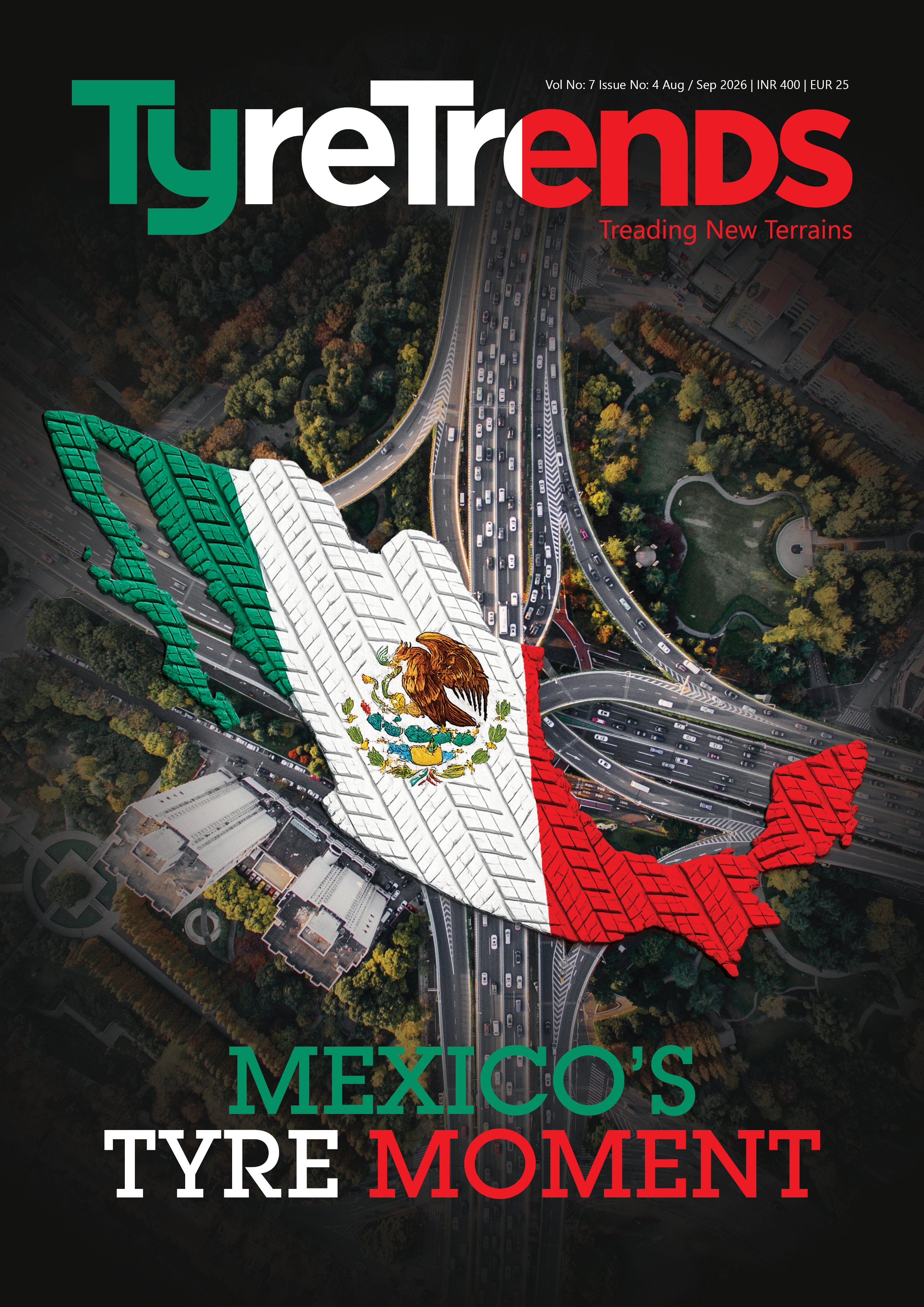
Mexico, A Hub For Tyre Manufacturing
- By Ertugrul Bahan
- September 03, 2026
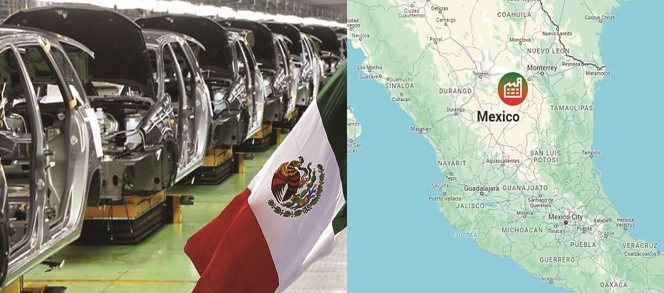
Mexico is attracting industrial investment thanks to the development of local production in the areas of high-tech manufacturing, automotive industry, logistics and energy; it is also a major exporter of tyres to North America.
Thanks to its significant export opportunities, Mexico is one of the world’s leading tyre production locations. As a North American country and a member of the USMCA (the free trade agreement between the USA, Mexico and Canada), Mexico benefits from duty-free exports to United States, making it an ideal choice for companies seeking to minimise the risks associated with tariffs.
Furthermore, international trade barriers and geopolitical risks are the main drivers of this industrial restructuring. Starting 3 May 2025, United States imposed a 25 percent tariff on imports of automotive tyres from Europe and Brazil, which will have an immediate impact on the traditional supply chains of multinational tyre manufacturers.
Mexico is attracting industrial investment, driven by the development of local production in high-tech manufacturing, automotive, logistics and energy. Significant investments in states such as Querétaro, Nuevo León, Guanajuato, Hidalgo and Coahulla demonstrate growing confidence in Mexico’s role as a manufacturing hub for North America.
Mexico is a major tyre exporter. In 2025, exports totalled USD 2.1 billion, with 87 percent going to the US. Despite its export strength, the Mexican tyre market is under pressure from imports from the Far East, particularly from China. Tyres from Chinese brands account for 45 percent of the passenger car segment and 80 percent of the truck segment.
In response to market manipulation, the Mexican government imposed permanent tariffs of between 5.18 percent and 32.24 percent on these imports. This measure is intended to protect the domestic industry from dumping caused by the influx of cheap Chinese tyres. The policy has already begun to reshape the market. Bridgestone forecasts a 30 percent increase in sales of premium truck tyres by 2025.
Bridgestone, Michelin, Goodyear, Pirelli, Yokohama, Sailun, Zhongce Rubber (ZC Rubber) and JK Tyre are represented in Mexico with production capacities for tyres for passenger cars and light commercial vehicles.
The relocation of production facilities is a significant trend as global companies seek to shorten their supply chains for the North American market. Recent investments include Yokohama’s USD 380 million plant with an annual capacity of five million tyres. Zhongce Rubber has invested USD 500 million in its production facilities. Sailun owns a USD 240 million plant in Irapuato. Pirelli is investing heavily in expanding its Mexican production facilities with very modern and productive manufacturing facilities.
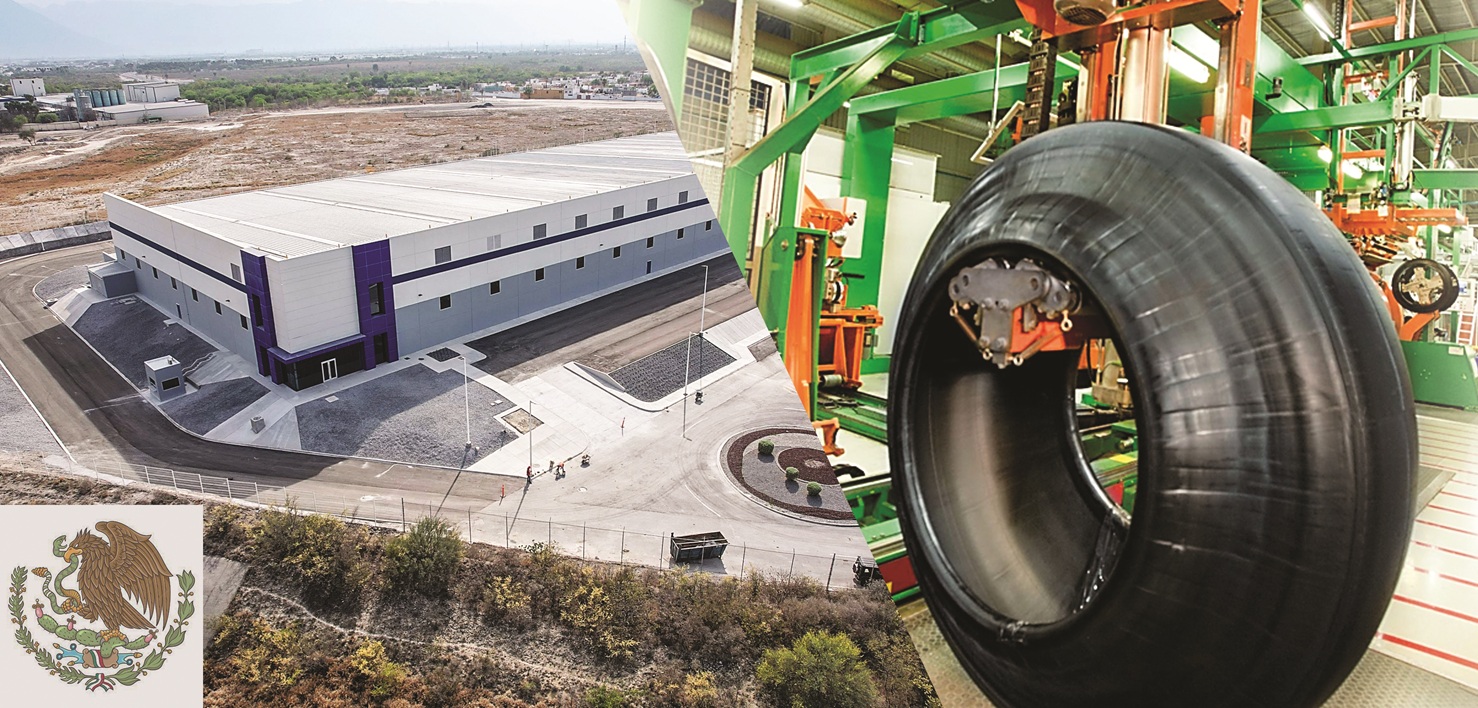
Bridgestone, Michelin, Goodyear, Pirelli, Yokohama, Sailun, Zhongce Rubber (ZC Rubber) and JK Tyre operate tyre plants in Mexico, some even two. This growth in Mexico has improved the efficiency and responsiveness of the North American tyre supply chain. Delivery times to US have been reduced from 45 to 7 days, significantly increasing the stability of this supply chain. Mexico’s annual production capacity for passenger car and light commercial vehicle tyres currently exceeds 65 million units, while the capacity for truck and bus tyres ranges between one and two million units.
Foreign companies in Mexico benefit from several crucial advantages. The most important and attractive is the competitive labour cost. This offers a significant cost advantage compared to US and Canada. Total production costs, including bonuses and benefits, range between USD six and USD eight per hour. This wage gap can be as high as 80 percent compared to US, even when considering the numerous social benefits enjoyed by Mexican workers.
Secondly, the country has a large and young population with approximately 42 million people under the age of 19. This represents a significant and steadily growing labour pool for industry. This pool of young talent is a valuable asset for companies focused on long-term growth.
The industry is increasingly recognising that competitiveness requires far more than just low wages for strategic innovation. Investors and industry associations are fully aware of this and emphasise that competitiveness inevitably involves creating added value, and that this can only be achieved through investment in talent. Companies are seeking employees with skills in innovation, critical thinking, teamwork and leadership.
Although some disadvantages make Mexico a risky investment location, they do not deter investors. Government stabilisation is contributing to a significantly more favourable investment climate over time and offers numerous advantages for expanding into the country.
However, Mexico presents several persistent disadvantages, risks and challenges for investors. Intense competition from cheap imports continues to strain the domestic market. This creates significant downward pressure, and even simple price adjustments can erode the profit margins of manufacturers of high-quality products. Infrastructure and logistics deficiencies hinder business operations. Mexican logistics infrastructure is considered outdated, particularly regarding intermodal connections, and customs procedures have become less efficient. These factors can increase operating costs and complicate supply chains.
An acute shortage of qualified personnel persists. Despite a young population, the high-tech manufacturing sector suffers from a critical lack of qualified staff, primarily due to high employee turnover and a lack of skilled workers in areas such as welding and maintenance.
Investors face complex challenges, including a tight labour market with rising wages, unreliable energy and water supplies in some areas and ongoing social conflicts that hinder the achievement of business goals. Mexican exports are primarily driven by a shift in trade away from China, rather than by a massive and widespread transfer of foreign capital.
Extortion and kidnapping are observed, particularly in border regions, with significant negative consequences for businesses and foreign investment. In response, the Mexican government has passed a new, comprehensive anti-extortion law, the implementation of which is being closely monitored by business associations.
Mexico offers a stable macroeconomic environment that surpasses that of many emerging markets. Numerous opportunities make Mexico an attractive manufacturing location for many industries…
Players in the Mexican tyre market are adjusting their strategies and focusing more on the domestic market or Brazil and Latin America due to the uncertainty persisting in Mexico regarding deliveries to US because of frequent changes in tariffs imposed by the Trump administration, regularly leading to delays or postponements of delivery dates.
The Mexican tyre industry faces several challenges, but its future will depend on its ability to develop innovative and high-quality products (such as tyres for electric vehicles), adapt its workforce to new requirements and succeed in the complex context of trade policies and global competition to ensure a sustainable and socially responsible future.
Despite some negative economic and social impacts, Mexico offers a stable macroeconomic environment with moderate inflation and rising wages. This has in a way a positive effect on public welfare state and as well as on the automotive and tyre industries. Therefore, rising vehicle sales and increasing disposable incomes are driving tyre demand. Mexico’s position as a hub for tyre production and exports is strengthening. Infrastructure development and growth in the automotive sector including tyre manufacturers are generating additional demand.
A positive aspect of the work ethic of many Mexicans lies in their exceptional productivity and their willingness to work long hours to complete their tasks. In modern industrial environments, employees are characterised by a high degree of professionalism and commitment. The Mexican tyre industry, for example, exemplifies a rapidly modernising work culture. It promotes a strong female presence and employs a very young workforce, with 75 percent of employees being under 35 years old. n
Mexico 2026: A Manufacturing Powerhouse Still Seeking To Revitalise Retreading
- By Daniel Rojas Enos
- August 21, 2026
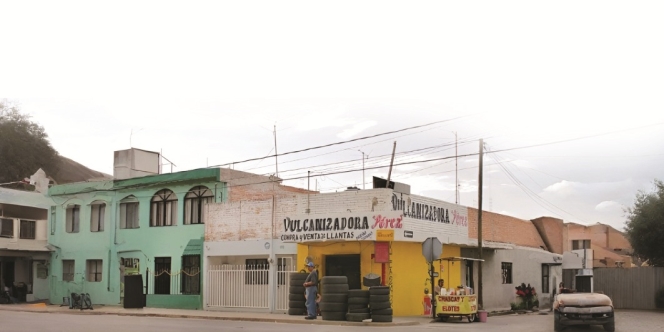
While the tyre and rubber industries are experiencing one of their most dynamic periods thanks to North American integration, the retreading sector continues to face economic, cultural and market challenges in its efforts to regain momentum.
Few Latin American economies currently occupy as strategic a position within the global tyre industry as Mexico. The combination of manufacturing capacity, geographic proximity to United States and the advantages provided by the United States-Mexico-Canada Agreement (USMCA) has consolidated the country as one of the leading tyre and rubber manufacturing hubs in the region.
In recent years, US trade policies directed at producers located outside North America have further strengthened this position. Investment relocation, nearshoring strategies and the need to secure regional supply chains have created particularly favourable conditions for Mexican industry.
The effects are visible throughout the value chain. Tyre manufacturers, rubber compound producers and raw material suppliers are operating at high activity levels, largely driven by demand from the US market. Industry stakeholders consistently point out that the current challenge is not finding customers but maintaining sufficient capacity to meet North American demand.
The rubber compound industry is perhaps one of the clearest examples of this trend. Benefiting from the regional trade environment, many companies are operating close to full capacity, supplying tyre manufacturers as well as other rubber-related industries. A similar situation can be observed among several retreading material suppliers, whose primary concern is not local demand but their ability to meet growing requirements from United States.
Yet, while manufacturing is experiencing a period of expansion, the retreading sector faces a very different reality.
The paradox is striking. In a country that markets more than 40 million tyres annually and possesses one of Latin America’s strongest industrial platforms, retreading has not been able to regain a sustained growth trajectory.
During his presentation at the Latin Tyre & Auto Parts Expo Panama 2025, Juan Carlos Hernández, then Commercial Manager of Hules Banda, presented figures that help illustrate the scale of the challenge. According to the data presented, Mexico marketed more than 40 million tyres during 2024, with an estimated potential of over five million tyres suitable for retreading. However, only around 960,000 units were actually retreaded, representing a retreading rate of approximately 18 percent.
The figures become even more revealing when analysing installed capacity utilisation. While tyre factories report average idle capacity levels close to 14 percent, retreading plants operate with approximately 70 percent idle capacity. Furthermore, during the first months of 2025, retread production showed a decline of nearly 9 percent compared to the previous year.
The reasons behind this situation appear to be less related to technical capabilities and more connected to the economic incentives currently shaping the market.
The growing presence of low-cost imported tyres has significantly transformed purchasing decisions across many fleets. According to Hernández’s presentation, nearly 40 percent of the radial truck tyre market consists of Asian products sold for less than USD 150 per unit. As a result, the economic gap between purchasing a low-cost new tyre and investing in a retread has narrowed considerably for many operators.
In this context, measures such as tariffs on selected imported products have so far failed to generate significant structural changes in market behaviour or retreading activity levels.
However, attributing the situation solely to pricing would be an oversimplification.
One of the most interesting observations highlighted by Hules Banda points to a less visible but potentially more significant long-term issue: the gradual loss of tyre management culture.
For decades, retreading formed part of a comprehensive asset management strategy, where tyres were managed throughout multiple life cycles in order to maximise cost per kilometre performance. Today, in many segments of the transport industry, that approach has increasingly been replaced by purchasing decisions focused primarily on immediate acquisition costs.

The result has been lower casing utilisation, fewer maintenance and monitoring programmes and increasing difficulty in demonstrating the long-term economic benefits that have historically supported the retreading business model.
Paradoxically, those segments that continue to manage tyres as strategic assets still demonstrate the relevance of retreading. Fleets operating premium and medium-tier tyres remain highly dependent on retreading to optimise operating costs, improve profitability and maximise asset utilisation.
CIRCULAR ECONOMY BEYOND END-OF-LIFE TYRES
Another issue deserving attention is the way the circular economy debate is currently evolving within Mexico’s tyre sector.
Much of the public and regulatory discussion focuses on end-of-life tyres (ELTs), collection systems, reverse logistics and recycling or recovery solutions once the product reaches the end of its useful life. By contrast, strategies aimed at extending product life through reuse often receive considerably less attention.
This is particularly relevant given that internationally recognised circular economy principles establish a hierarchy in which extending product life generally delivers greater environmental value than interventions applied after a product becomes waste.
From this perspective, retreading represents one of the most tangible examples of circularity within the tyre industry, as it preserves the economic, material and energy value embedded in the original casing for a longer period.
Mexico will undoubtedly remain one of the leading players in the North American tyre industry. The strength of its manufacturing sector appears well supported by regional integration, industrial investment and strong demand from United States.
The question that remains is whether the retreading sector will be able to become fully integrated into this growth story.
The industrial capacity exists. The technology is available. Premium market segments continue to require strategies focused on maximising cost per kilometre performance. The challenge appears to lie elsewhere: rebuilding tyre management culture and repositioning retreading as a strategic tool for competitiveness, efficiency and circular economy performance.
At a time when much of the discussion focuses on managing tyres at the end of their life, perhaps the more important question is how to ensure that life lasts longer in the first place.

I can still vividly remember a journey I made in 1995 with my young Kenyan MD (who is no longer living) in a hired car from the Delhi Airport to some town close to Ludhiana to meet a tyre moulding machinery supplier. The travel was through vast expanses of paddy fields extending to miles, and in between, we could see large industrial sites far away. A clear sign of industry and agriculture co-existing synergistically. When passing the area called Kurukshetra, the driver mentioned that there was a war at this area a long time ago. He was obviously referring to the great war of the epic Mahabharata, a subject which still generates ample curiosity in me even at this advanced age. With growing years of maturity, I am more convinced that the great war symbolically and semantically depicts the inner conflicts going on in our own minds, while these are conventionally polarized as ‘black and white’ under the ‘all- or- nothing’ principle, and Kurukshetra represents our own hearts and intellect, commonly called the emotional brain and intellectual brain in today’s jargon. Equipped with my industry experience acquired for nearly six decades, I am tempted to make a rather feeble effort to understand what has changed in the managerial mind map over the past 50 odd years. It would be similar to finding parallels between the Vietnam War in the late sixties and current war going on in the Middle East, despite the common factor, US.
Quite in contrast to machinery and materials, the man component of the traditional 4Ms is the most confusing area despite the vast research that has been carried out over the years. It is said that the adult human brain consists of about 86 billion neurons, an astronomically high figure compared to memory capacity of the modern computers. Over the past few decades, the modern managerial mindset has undergone profound transformations. Managers today, particularly in the age group of 35 to 50 ( Gen X), operate in an astonishingly different scenario compared their counterparts 50 years ago. The two eras are fundamentally different and attempting to compare them is largely futile. The rapid changes, technologically, culturally, socially and psychologically, are so vast that today’s managers are shaped by globalisation, digitalisation and fierce competition, which has significantly altered their cognition, thinking patterns, values and behavioural approaches.
While most living managers of the older generation adopt a stance of lamenting about the ‘’good old times’, I think it would be more prudent to understand the realities of change. Management philosophies have undergone profound change, evolving from Taylor’s scientific management and Fayol’s top-down framework based on five key managerial functions to the humanistic approaches advanced by Carl Rogers and Maslow. This is the universal feature of impermanence of all conditioned phenomena (cause-effect related), discovered more than 2,600 years ago by Lord Buddha and some Greek and other Eastern philosophers. Endeavoring to maintain stability, in an ever-changing world scenario, has been the driver for the emergence of management concepts and theories, including the latest approaches seen in the contemporary modern world. Comparing modern managers with those from 50 years ago is unrealistic because of the complete change in the context. Earlier managers operated in stable and localised economies, while modern managers operate in a dynamic globalised environment. It is sometimes said that ‘when the President of the United Sates sneezes, the Eastern leaders catch a cold’, a fact amply demonstrated by the recent events.
Decision-making in the past was slow and experience-based, while today it is data driven, rapid and technologically assisted. Traditional management emphasised relationships, loyalty and progressive and gradual growth, while modern systems emphasise on performance metrics and quick results, like the instant coffee.
The growing corporate trends due to industrialisation over the past 30 years especially has witnessed increased focus on productivity, efficiency and outputs along with standardisation, which has made workers and managers becoming a part of a mechanised system. Modern corporate managerial thinking is also been heavily influenced by globalisation, due to exposure to international competition and the need to adapt to diverse cultures and markets and the pressures to meet global benchmarks and standards. The constrains and the stresses imposed on countries such as Sri Lanka is tough in these areas. A good example is the EUDR requirements, which initially was a nightmare to the rubber product manufacturing companies. A far more serious non-technical consequence is that the concept of a ‘global village’ is eroding values of the strong cultural and ethical foundation, leading to identity dilution among managers
During my association with the industry, particularly over the past 20 years, I have personally witnessed decline of the traditional values in the modern managerial mindset. This is also seen in some professional associations in which I have been a member for a long time. Some of the key trends noted are as follows:
a) Limited understanding and low priority given for religion, history and cultural heritage.
b) Reduced emphasis on ethics, empathy and social responsibility despite the fact that this has become a ‘catch word’ in most corporate circles.
c) Over reliance on technical knowledge and digital skills.
d) Decline in the respect for elders and their experience (crystallised knowledge)
e) Over confidence due to access to information, which brings forth a ‘know it all ‘stance.
f) Diminished openness to learn from others.
g) Difficulty in accepting criticism and feedback
While these tendencies directly affect workplace relationships, team cohesion and leadership effectives, the hidden or latent consequences have more deeper implications on personal and social wellbeing.
The Buddha in one of the discourses has observed that a person can victoriously face a battle against an army of elephants, horses, chariots and infantry by having the necessary resources, but it will be more difficult to win the war within due to mental conflicts.
Most business environments are characterised by aggressive target setting, continuous performance evaluations and competitive organisational cultures, which has caught the managers in a perpetual rat-race where success is narrowly defined by targets and profits while there is hardly any time for reflection or personal growth. This creates a certain emptiness and dissatisfaction even among the high achievers.
I find it interesting at this juncture to refer to the historic concept of Sigmond Freud (considered as the founder of Psychoanalysis), the structural components of the mind, namely Id (pleasure principle or gratification), Ego (reality principle) and the Super Ego (ethical and moral conscience). In order to minimise the negative impacts of the conflicts between them, the Ego resorts to defence mechanisms, or temporary coping solutions. Some of these are denial of the problem, repression of the feelings, projection of the blame to somewhere else and rationalisation or giving logical but false explanations. While these are useful in the short term, over reliance can interfere with mental functioning and emotional growth. All of us are unconsciously resorting to one or several of these in times of emotional turmoil.
The pressures of modern management have led to an exponential growth in mental health challenges in recent years, which include common mental disorders such as stress, anxiety, burnout, depression and features associated with Borderline Personality traits (emotional instability and impulsivity), which result in work-life imbalance and chronic dissatisfaction.
Due to the high psychological demands, there is a growing need for career and workplace counselling. Counselling is a relatively new term that came into prominence around the mid-20th century, before which guidance and support was traditionally provided by the religious institutions, parents, teachers and the elders in the society. Over the recent years, counselling has evolved as a unique profession. Many organisations, especially the larger ones due to the seriousness and gravity of the problems they experience, have established counselling as a regular activity performed in-house or outsourced. Counselling helps managers to cope up with stress and expectations, supporting emotional regulation and resilience and enhancing self-awareness and interpersonal skills, which results in reconnecting purpose and meaning and balancing professional and personal life to develop a healthier mind set. The modern managers must endeavour to have a balanced mind set which is an integrated mix of technical competence, human values, cultural awareness and emotional intelligence and wellbeing. Only then they can move beyond being mere ‘cogs in a wheel’ and become holistic, effective and ethical leaders in the modern world
It is somewhat ironic that Human Resource Sustainability is not named as a single standalone goal in the United Nations Sustainable Development Goals (SDGs) but covered under several headings such as Good Health and Wellbeing, Quality Education, Gender Equality, Decent Work, Economic Growth and Reduced Inequalities.
While I do not have firsthand information on how human resource counselling is caried out in other countries, my observations and experience in Sri Lanka is that it is done more in a fire fighting or reactive mode, where corrective and remedial measures are taken only in cases of psychological deviances. It is somewhat surprising because Sri Lanka is famous for its preventative public health care in pre and postnatal maternity health and school dental health. Industry safety and health is fairly well addressed in most large, medium and some small enterprises, although these are mainly covering the operational levels. Currently, several standard stress, anxiety and depression measuring scales, both qualitative and quantitative, are available, but they do not seem to be used proactively to detect the cinders underneath the ash. People in emotional distress invariably need to vent their thought and emotions, which causes several cognitive distortions and mental disorders. Active and empathetic listening plays the major role in a therapeutic counselling relationship
Coming back to the Mahabharata, the classic instance of counselling for a person in deep emotional conflict and inner war is the Bhagwat Gita, and all of us will need Lord Krishnas in different disguises at some stages in our lifetimes.
It is interesting how Buddha has adopted an integrative approach to the four aspects or components of wellbeing for human progress as:
- Physical wellbeing
- Mental wellbeing
- Social wellbeing
- Spiritual wellbeing
The author is a Management Counsellor from Sri Lanka.

Comments (0)
ADD COMMENT