

Goodyear Reports Lower Q2 Sales As Volumes Decline Despite Stronger OE Market Share
- By Sharad Matade
- August 06, 2026
Goodyear Tire & Rubber Company reported lower second-quarter 2026 sales and earnings as weaker tyre volumes, higher tariffs and inflation weighed on performance, although the company said market conditions showed signs of stabilising and original equipment (OE) market share improved across all regions.
Net sales fell 4.8 percent year on year to USD 4.3 billion, while tyre unit volume declined 4.0 percent to 36.5 million units. On an organic basis, sales were down 1.4 percent, primarily due to lower volumes. The company said the decline improved from the 12 percent year-on-year volume drop recorded in the first quarter as destocking pressures eased.
Goodyear reported a net loss of USD 204m, compared with net income of USD 254 million, in the same period last year. Adjusted net loss widened to USD 177 million, from USD 48 million a year earlier.
Segment operating income declined to USD 36 million from USD 159 million in the second quarter of 2025. Excluding the impact of divestments, operating income fell by USD 79 million, reflecting lower volumes, higher tariffs and other costs, and inflation. These factors were partly offset by favourable price and product mix relative to raw material costs, together with USD 95 million of benefits from the company's Goodyear Forward programme.
"We delivered second quarter results in line with our expectations, reflecting continued improvement in Asia Pacific and EMEA," said Mark Stewart, Chief Executive Officer and President.
"We're taking actions to improve performance in a competitive environment by strengthening our product lineup, building on original equipment growth across regions, and optimising our manufacturing footprint. These actions are designed to strengthen our competitive position and deliver stronger profitability over time."
In the Americas, second-quarter sales declined 10.5 percent to USD 2.4 billion, while tyre unit volume fell 8.7 percent. Replacement volumes dropped 13.0 percent, although OE volumes increased 8.7 percent as the company gained market share. The Americas business reported a segment operating loss of USD 10 million, compared with operating income of USD 141 million a year earlier.
The company said its planned closure of the Fayetteville, North Carolina facility is expected to improve Americas segment operating income by about USD 90 million in 2027 and approximately USD 270 million annually from 2028 as part of its manufacturing footprint optimisation strategy.
In Europe, Middle East and Africa (EMEA), sales increased 2.1 percent to USD 1.4 billion, supported by favourable pricing, product mix and currency, despite lower tyre volumes. Segment operating loss improved to USD 17 million from USD 25 million in the previous year.
The Asia Pacific business delivered the strongest regional performance, with sales rising 8.1 percent to USD 496 million and tyre unit volume increasing 5.3 percent. Segment operating income rose to USD 63 million, up from USD 43 million a year earlier, supported by stronger demand, favourable price and mix, and benefits from the Goodyear Forward programme.
TIA Announces 2026 Board Of Directors Election Results
- By TT News
- October 10, 2026
The Tire Industry Association (TIA) has revealed the outcome of its 2026 Board of Directors election, with four industry figures selected to serve three-year terms. Kelsey Jarman, Director of Sales for off-the-road tyres at ESTI, and Jason Rook, President and CEO of ITDG, are joining the board for the first time. Craig Stevens, General Manager of Big Horn Tire, and Adam Moffatt, Executive Director of the Tire Dealers Association of Canada, who also serves the Ontario Tire Dealers Association, have both been re-elected as returning members.


The association expressed enthusiasm for the leadership, perspectives and experience these individuals will contribute as they help steer TIA and advance the tyre industry. The newly elected and re-elected board members are scheduled to be formally inducted on 2 November 2026 during TIA’s Annual Membership Meeting, which will take place at Planet Hollywood Resort & Casino in Las Vegas. The association extended its congratulations to all four individuals.
DUNLOP Prepares For Winter With A Robust Winter And All-Season Tyre Portfolio
- By TT News
- October 10, 2026
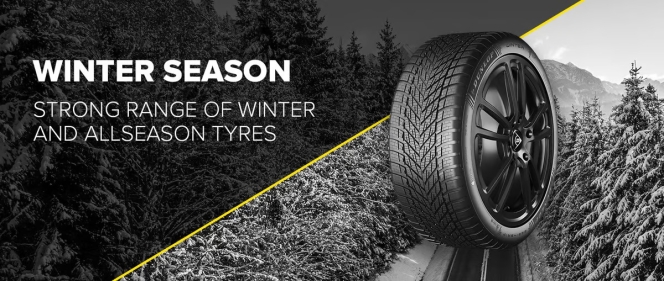
Dunlop Tyre Europe GmbH (DUNLOP) has unveiled a comprehensive winter and all-season tyre portfolio for the 2026 season, targeting European drivers who face unpredictable cold-weather conditions. The range covers high-performance passenger car and SUV applications, blending dependable winter traction with year-round versatility. The lineup includes the DUNLOP WINTER, WINTER SPORT 5, SP WINTER SPORT 4D and SP WINTER SPORT 3D winter tyres, alongside the DUNLOP ALL SEASON 2 for those seeking a single year-round solution.
The DUNLOP WINTER addresses drivers prioritising balanced low-temperature performance. Its directional tread and multidirectional sipes evacuate water and slush efficiently, supporting grip and stability, while lightweight materials reduce rolling resistance and aid fuel efficiency. It earned an ‘Exemplary’ rating in last year's Auto Bild tyre test, also praised for strong value. The WINTER SPORT 5, fitted as original equipment on selected Mercedes-Benz models, uses wide, deep grooves for efficient water evacuation and predictable cold-weather handling.
For enthusiasts, the SP WINTER SPORT 4D offers direct steering response through a lightweight construction, interlocking sipes, V-shaped snow grooves and an adaptive winter compound that promotes even contact-patch pressure. It is trusted as original equipment by Audi, BMW, Mercedes-Benz and Porsche. The SP WINTER SPORT 3D, original equipment on selected Audi, BMW, Mercedes-Benz and Volkswagen models, combines three-dimensional interlocking sipes for snow traction and braking with a Shape Lock System that maintains tread stability at higher speeds.
Completing the portfolio, the DUNLOP ALL SEASON 2 delivers a balance of summer and winter tyre benefits across varied conditions. Its 3D interlocking sipes aid winter traction, while a reinforced carcass supports stability and handling on both wet and dry surfaces, providing year-round confidence for European motorists.
Marcus Schulz, Assistant Manager – Product Planning, Dunlop Tyre Europe GmbH, said, "Winter no longer necessarily means facing months of snow and ice, with often milder temperatures adding to the unpredictability of the weather. This makes it even more important to have tyres that can cope with a wide range of weather conditions. With our winter portfolio, DUNLOP offers tyres designed to meet the increasingly diverse conditions and ensuring drivers can rely on consistent performance.
"In DUNLOP's first full year with Sumitomo Rubber Industries, we are entering a new chapter in Europe. By continuously strengthening and expanding our product portfolio, we are enhancing the brand's competitiveness and laying the ideal foundation for a successful and safer 2026 winter season.”
Michelin Adds WORKXBIB To Agricultural Trailer Tyre Range
- By TT News
- October 10, 2026
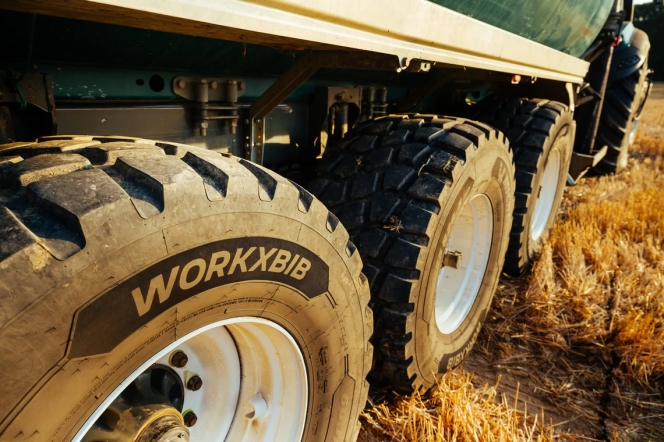
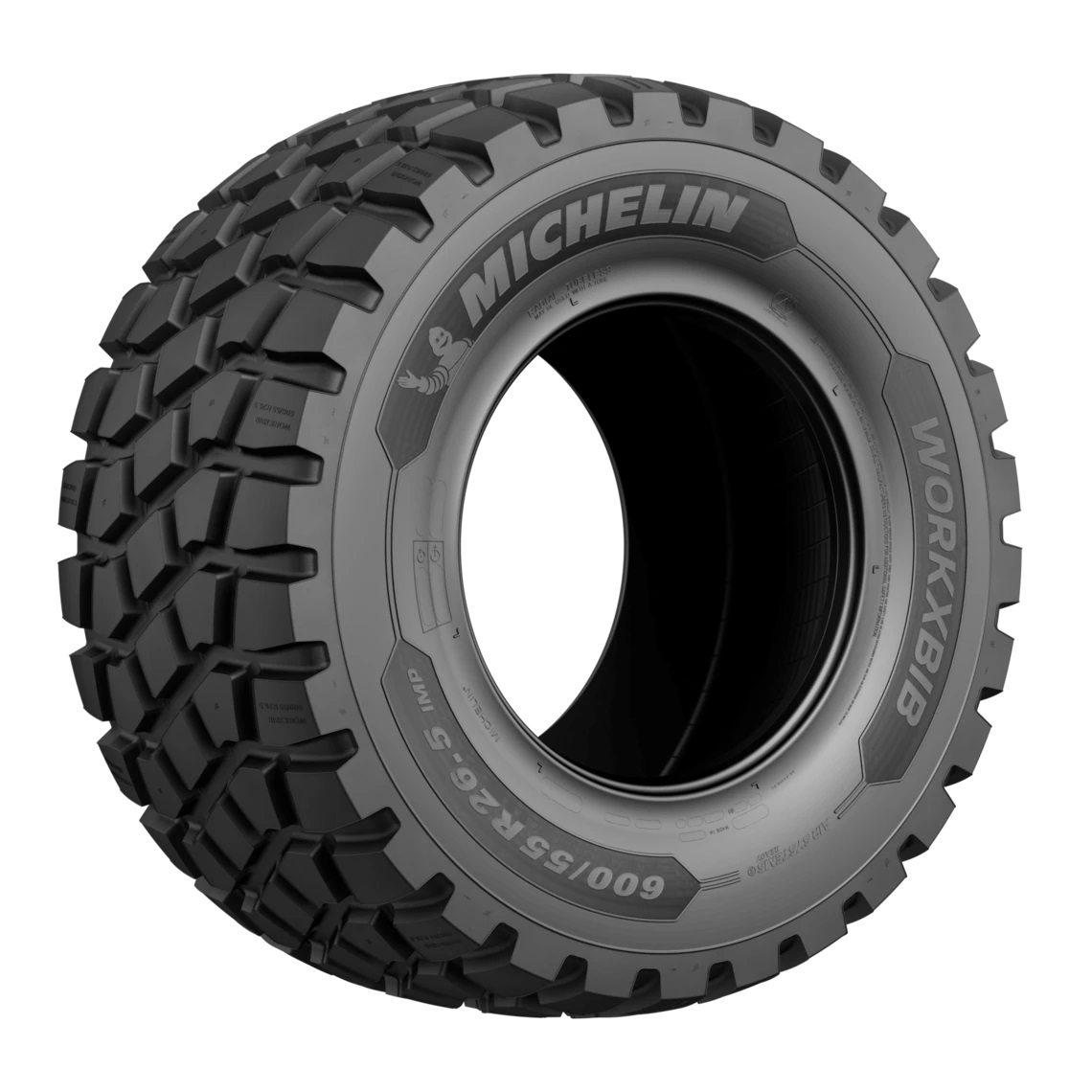
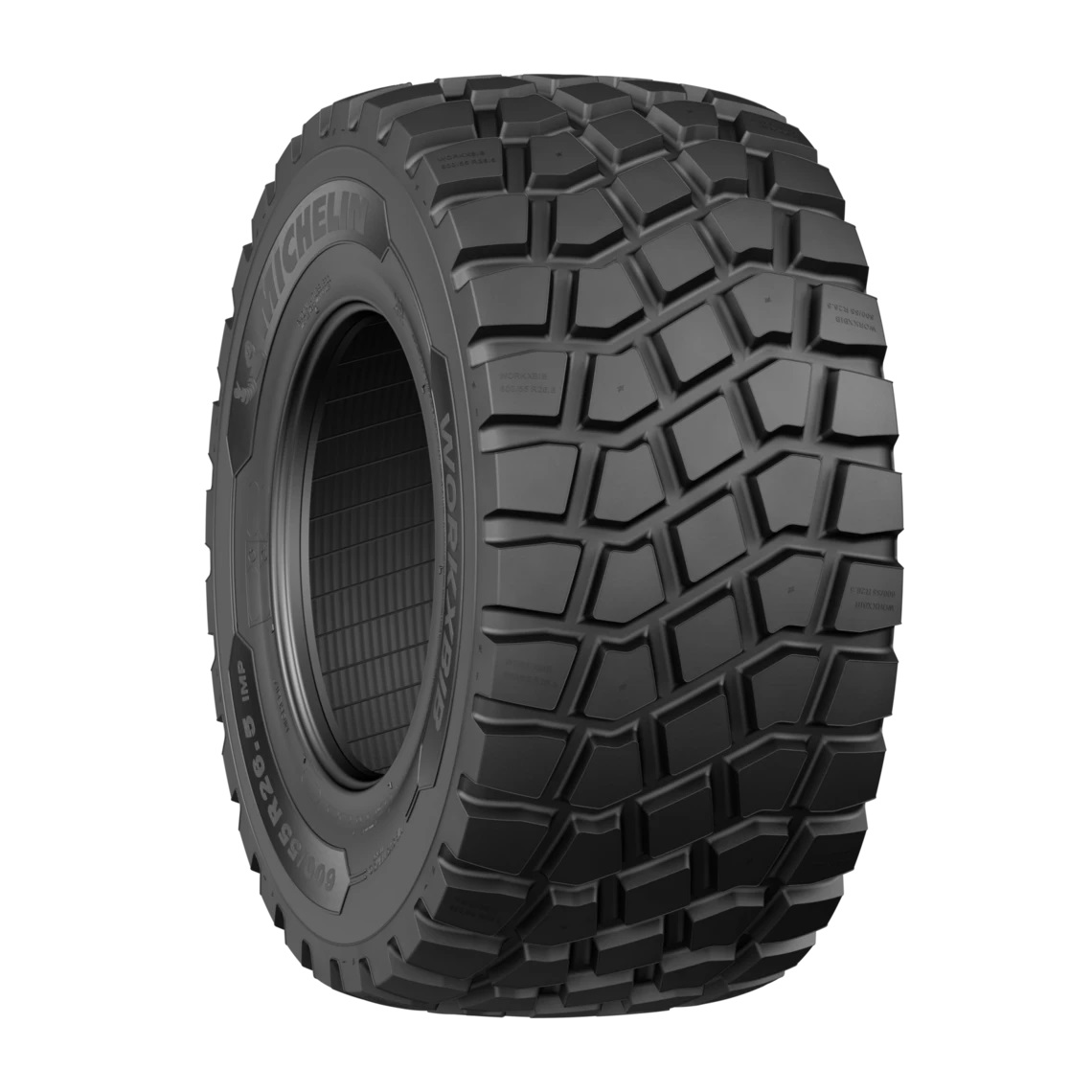
Michelin has broadened its agricultural trailer tyre lineup with the launch of the MICHELIN WORKXBIB. Designed primarily for tipping trailers, slurry tankers, manure spreaders and similar farm equipment, the new addition complements the existing MICHELIN TRAILXBIB, which features the company’s patented Ultraflex technology for reduced soil compaction.
Engineered to handle the demands of trailer platforms, the WORKXBIB combines endurance, high load capacity and reliability for intensive road use. It supports loads of up to 6,500 kg at speeds of 65 kmph and is offered in a size range tailored to current vehicles, drawing on Michelin’s innovation to deliver dependable performance.
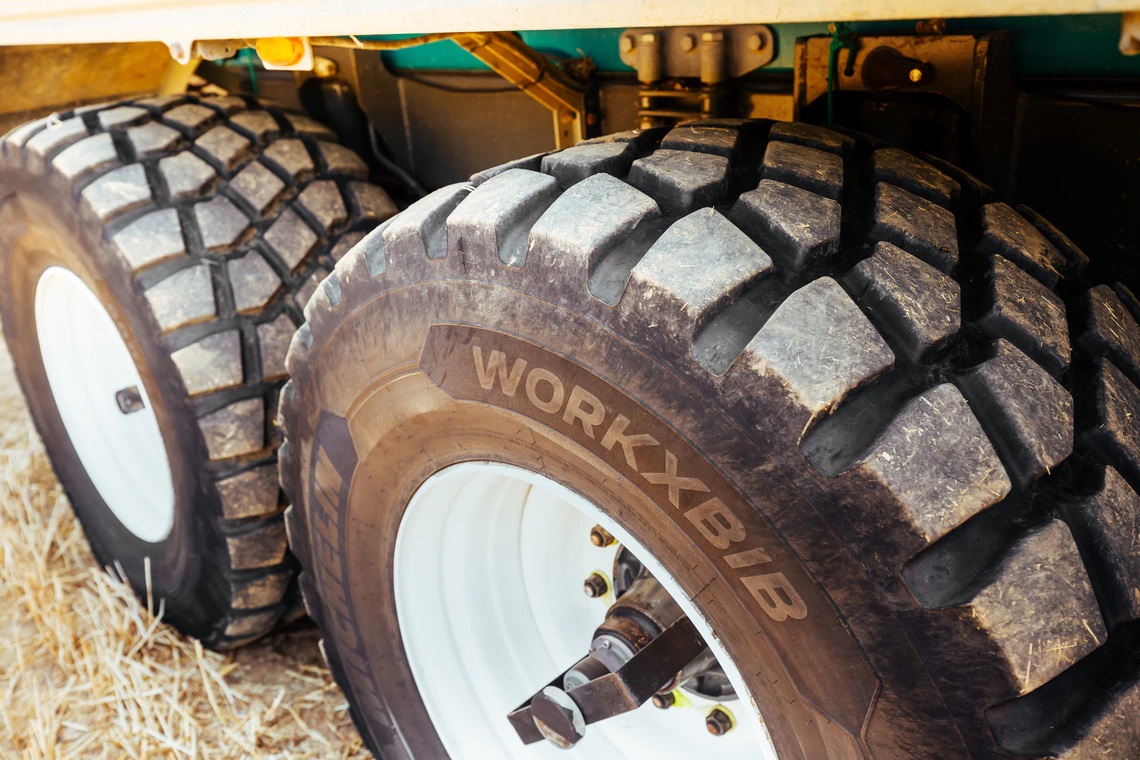
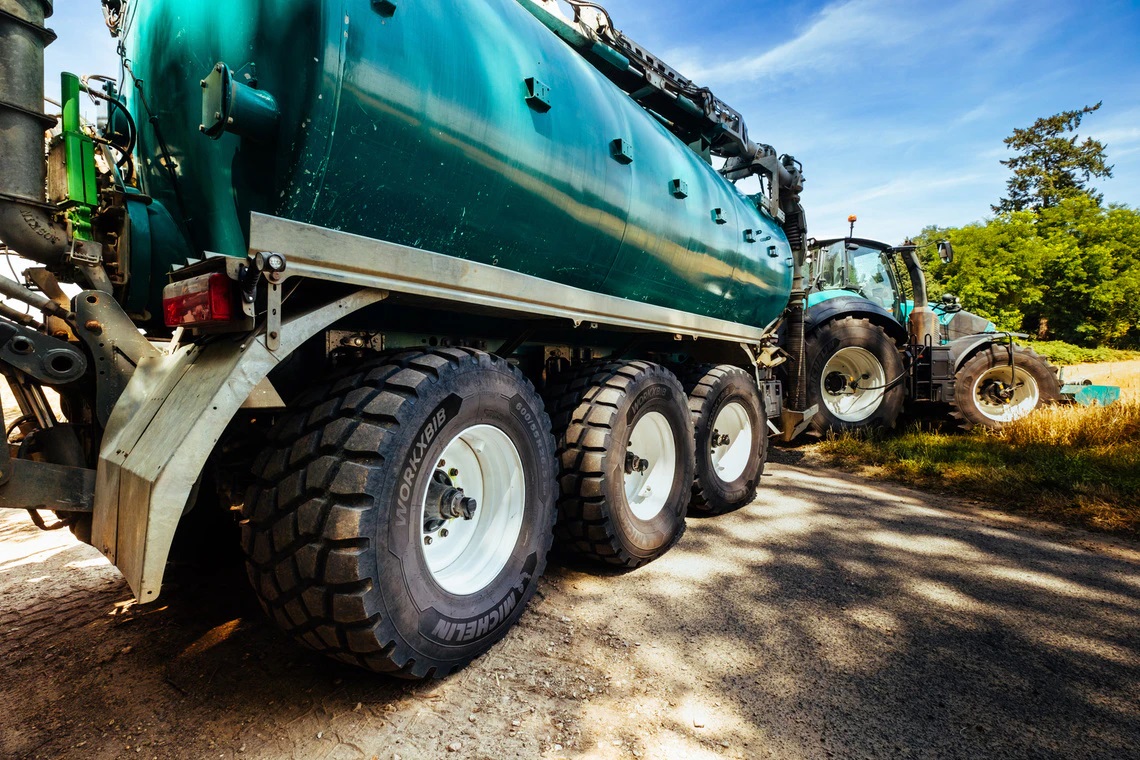
The tyre’s flat crown and reinforced, serrated shoulders provide a larger footprint, promoting stability even under heavy loads and at high speed. A steel-belted crown, robust carcass and bead area, and a high-performance rubber compound enhance puncture resistance. Serrated shoulders improve stability on sloping ground, while large tread blocks self-clean to reduce maintenance. This design delivers up to 80 percent longer life than the previous generation of Michelin trailer products.
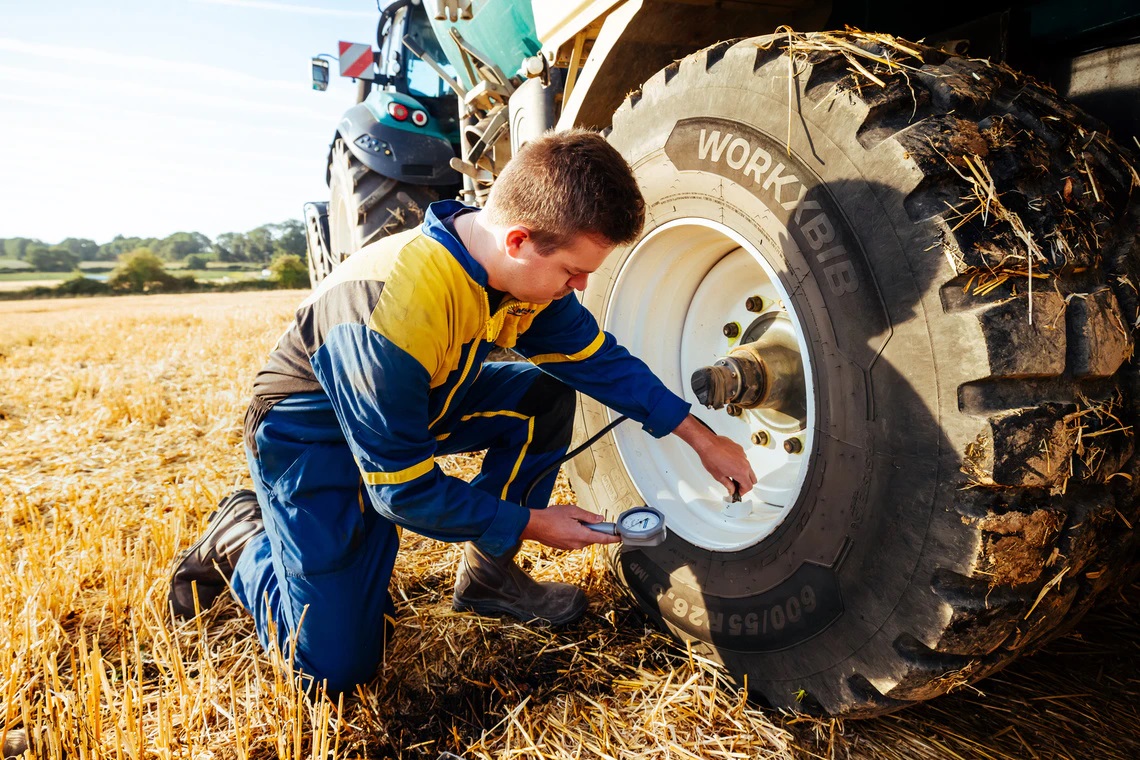
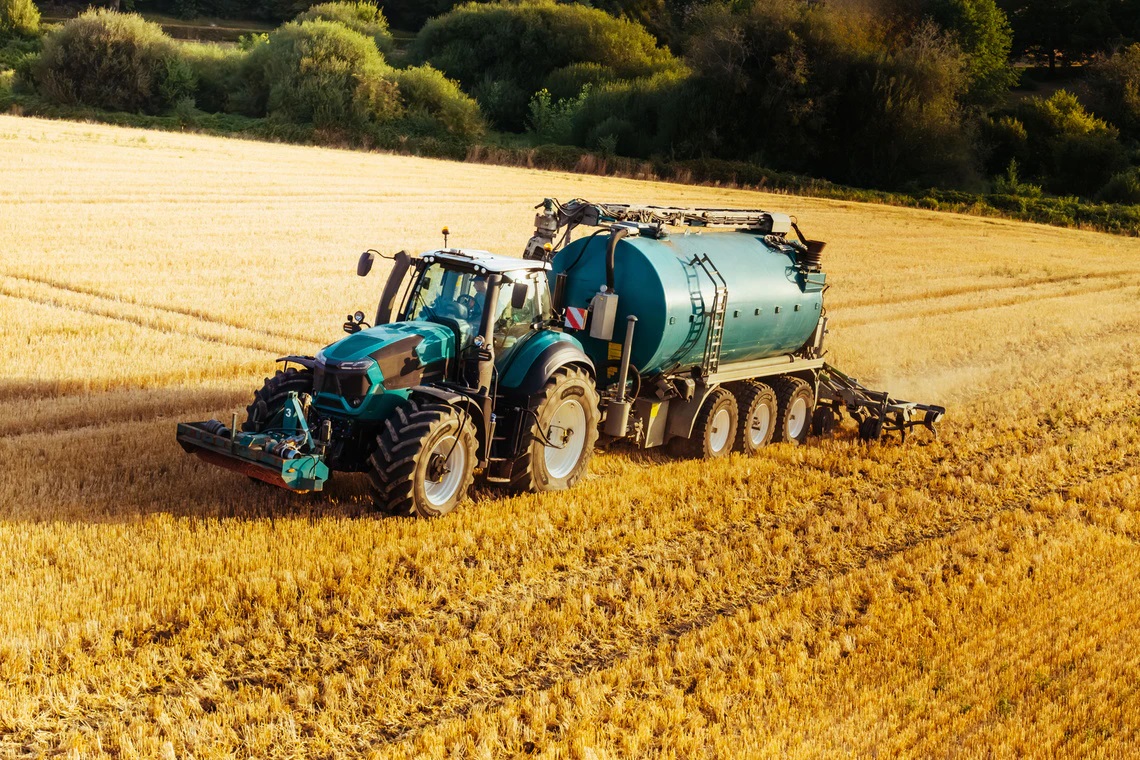
For contractors and farm owners, the result is fewer tyre replacement and maintenance stops, greater equipment availability and better-controlled operating costs. The replacement market rollout begins with size 600/55 R26.5 in October 2026, followed by three additional sizes in the second quarter of 2027: 650/55 R26.5, 600/60 R30.5 and 560/60 R22.5.
Tom Saunders, Agricultural Beyond Road Customer Engineering Support Manager at Michelin, said, “In a sector marked by increasingly intensive road use and demanding field performance, we’ve developed the MICHELIN WORKXBIB for contractors and farmers. Our latest fitment has a wide range of applications from public works and civil engineering through to haulage and livestock farming.”
- Tegeta Green Planet
- Circular Economy Action Platform
- UN Global Compact Network
- Packaging Waste Regulation
- Extended Producer Responsibility
- Used Tyres
Tegeta Green Planet Joins UN Global Compact Discussion On Packaging Waste Regulation
- By TT News
- October 10, 2026
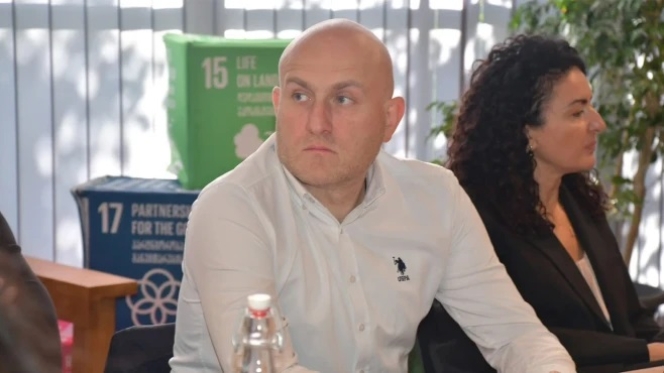
Tegeta Green Planet participated in a Circular Economy Action Platform meeting hosted by the UN Global Compact Network Georgia on 6 October. The session examined packaging waste management and the need for technical regulation from a business standpoint, with participants exploring existing practices and the challenges tied to the issue.
Attendees stressed that an effective waste management system would serve environmental goals while giving businesses a clear and predictable operating environment. Shalva Akhvlediani, Director of Tegeta Green Planet, presented the company’s vision and hands-on experience. Discussion topics included the Extended Producer Responsibility system, the role of businesses in waste management and practical obstacles to advancing a circular economy in Georgia.
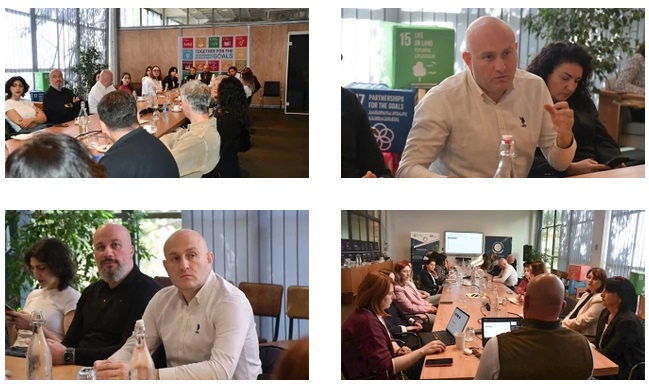
As an EPR organisation, Tegeta Green Planet helps producers and importers meet their environmental obligations and supports an effective waste chain spanning collection, proper treatment and conversion into a resource. Akhvlediani detailed the company’s work with used tyres, waste oils and automotive batteries, noting that a sustainable system demands coordinated cooperation among businesses, government and other stakeholders alongside practical experience.
The meeting underscored the value of technical regulation, with clear requirements and strong enforcement seen as ways to develop waste management, reinforce responsible business practices and encourage more efficient resource use. Developing a circular economy remains a key focus for Tegeta Green Planet, which continues working with the business, public and educational sectors so that waste management moves beyond regulatory compliance toward reuse and recycling opportunities.

Comments (0)
ADD COMMENT