

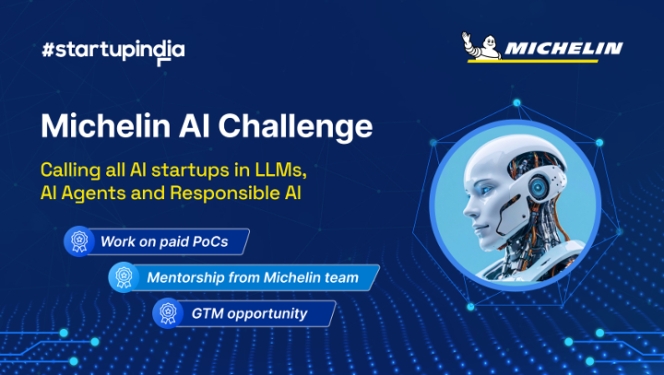
Michelin, one of the global leaders in tyre technology, announced a collaboration with the Department for Promotion of Industry and Internal Trade (DPIIT) to launch India’s first AI Startup Challenge. The initiative aims to propel innovation and entrepreneurship in the country’s manufacturing sector.
The challenge was unveiled in the presence of senior DPIIT officials, including Joint Secretary Sanjiv and Director Sumeet Kumar Jarangal. Dr Ambica Rajagopal, Group Chief Data and AI Officer, and Shantanu Deshpande, Managing Director of Michelin India, represented Michelin. A recorded address by DPIIT Secretary Rajesh Kumar Singh emphasised the programme’s significance.
Rajesh Kumar Singh, Secretary of DPIIT, said, “Michelin and Startup India, through the AI Challenge, invite Indian startups to co-build technical solutions using large language models for business use cases. The Michelin AI Startup Challenge offers opportunities to develop solutions in manufacturing, supply chain, operating software, and infrastructure, leveraging AI and robotics to enhance manufacturing processes, improve product quality, boost safety, and reduce defects. This initiative aims to create sustainable products and expose Indian talent to global contexts and clients. I encourage all DPIIT-recognised startups to apply for the programme and wish them the best.”
Sanjiv, Joint Secretary, DPIIT, highlighted the importance of public-private partnerships and the key role that manufacturing companies like Michelin play in bringing the right resources to help elevate the country’s entrepreneurial ecosystem. He also focused on the department’s commitment to empowering startups to scale their innovations and make a lasting impact on a global scale.
Sumeet Kumar Jarangal, Director, DPIIT, spoke about the importance of AI and the government’s focus on advanced manufacturing and automation. He congratulated the Michelin team for developing a programme completely synergistic with the nation’s vision.
The 12-week challenge, hosted on the Startup India portal, invites applications from leading Indian AI startups. Selected participants will receive mentorship and the opportunity to compete at a demo day in Delhi this September. The top eight finalists will pitch their solutions to a panel of judges from Startup India and Michelin India.
The top three startups will be awarded paid pilot projects with Michelin, valued at up to INR 5,00,000 each. Additionally, they will be eligible for long-term global contracts and incubation support from Michelin leadership. The challenge focuses on fostering AI-powered solutions in manufacturing, supply chain management, operational software, and infrastructure development.
Dr Ambica Rajagopal, Michelin Group Chief Data and AI Officer at Michelin India said, “There has never been a more exciting time for startups in the AI world, and we are delighted to contribute significantly to advancing India’s technology sector. It is a proud moment for us to strengthen our commitment to the AI industry in collaboration with the government’s visionary Startup India initiative.”
Commenting on this initiative, Shantanu Deshpande, Managing Director, Michelin India, stated, “At Michelin, we are committed to a greener future where sustainability and innovation are at the forefront of our efforts. We eagerly anticipate the participation of Indian startups in the AI challenge as we co-build global solutions together.”
The initiative will unfold in stages, beginning with outreach and application collection in July. Shortlisted startups will undergo mentorship until September, culminating in a final pitch event.
This 12-week AI Startup Challenge aims to find and support innovative startups in manufacturing. Top winners will receive mentorship, pilot projects, and incubation opportunities. This collaboration aims to bridge the gap between industries and startups, empowering them with AI to become global leaders.
- Tegeta Green Planet
- UN Global Compact Network Georgia
- Circular Economy
- Extended Producer Responsibility
- Used Tyres
Tegeta Green Planet Shares Circular Economy Expertise At UN Global Compact Training
- By TT News
- October 01, 2026
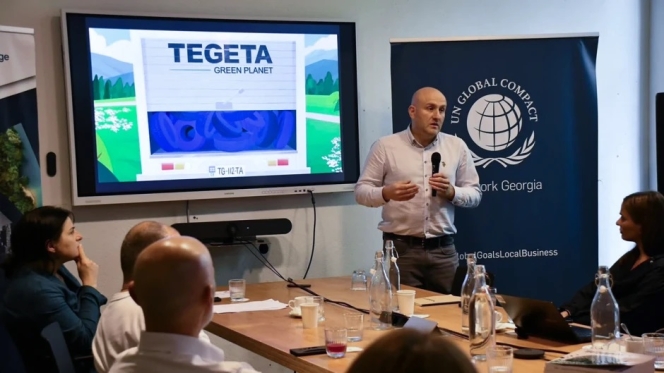
Shalva Akhvlediani, Director of Tegeta Green Planet, took part in a training course titled ‘Circular Economy and Sustainable Business Models’, organised by the UN Global Compact Network Georgia on 17 September. He presented his organisation’s practical experience in applying circular economy principles and sustainable business models to the participants.
Tegeta Green Planet serves as Tegeta Holding’s environmental arm and operates as an Extended Producer Responsibility (EPR) organisation in Georgia. It focuses on collecting and recycling specific waste streams, including used tyres, waste oils and automotive batteries. Its work is grounded in circular economy principles, aiming to improve waste management, convert waste into resources and lessen environmental harm.
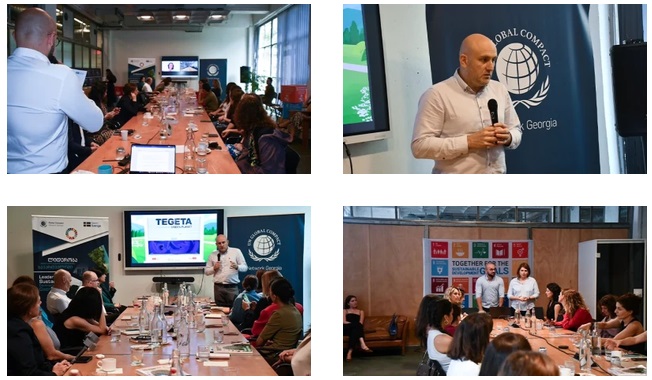
The UN Global Compact Network Georgia delivered a 10-hour training course across 16 and 17 September, designed to give businesses practical knowledge about circular economy principles and sustainable business models. Participants explored core circular economy concepts, ways to integrate them into business operations, modern waste management approaches, circular business models and Life Cycle Assessment (LCA) for products and materials. Giorgi Berechikidze, Environmental Manager at the UN Global Compact Network Georgia, led sessions on these main topics, offering practical approaches to circular economy, waste management and LCA.
International perspectives were provided online by Anders Ladefoged, a member of the European Economic and Social Committee (EESC) and representative of the European Circular Economy Stakeholder Platform (ECESP), who discussed European circular economy standards, and Dr Silke Megelski, a circular economy advisor at Deutsche Gesellschaft für Internationale Zusammenarbeit (GIZ), who presented the Circular City Lab approach and deposit return system pilot experiences in Georgia. The course concluded with certificates for participants, supporting the spread of practical knowledge and resource-efficient, sustainable, circular business models.
KraussMaffei’s Dr Gerard Nijman Honoured With 2026 Fernley H. Banbury Award
- By TT News
- October 01, 2026
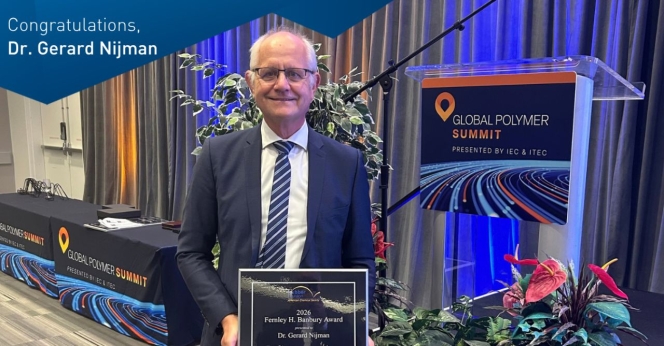
Dr Gerard Nijman of KraussMaffei Extrusion has been honoured with the 2026 Fernley H. Banbury Award, a prestigious international accolade bestowed by the Rubber Division of the American Chemical Society (ACS). The award, which annually celebrates exceptional scientific and technological advances in rubber processing, was formally presented on 28 September at the Global Polymer Summit in Louisville, Kentucky, US.
Dr Nijman's career has been marked by groundbreaking contributions to rubber rheology, mixing and multiplex extrusion technologies, along with silica compound processing for the tyre sector. During the 1990s at Vredestein, he pioneered novel mixing methods and multiplex extrusion for tyre manufacturing. His work on silica compound processes provided a foundation for innovations such as Michelin's ‘Green Tyre’, while his rheology-based designs for extruder screws and flow channels established enduring industry standards.
The recognition reflects not only these specific technical achievements but also his distinguished career and lasting influence on rubber processing, having successfully bridged the divide between scientific research and industrial application throughout his professional life.
Goodyear Launches 2026 UltraGrip Winter Tyre Range Across Europe And EMEA
- By TT News
- October 01, 2026
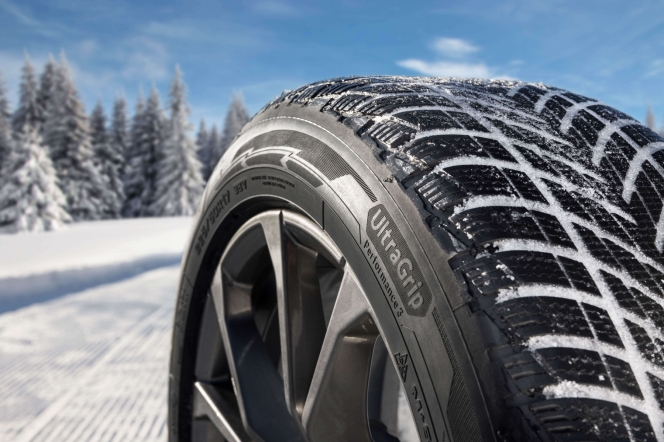
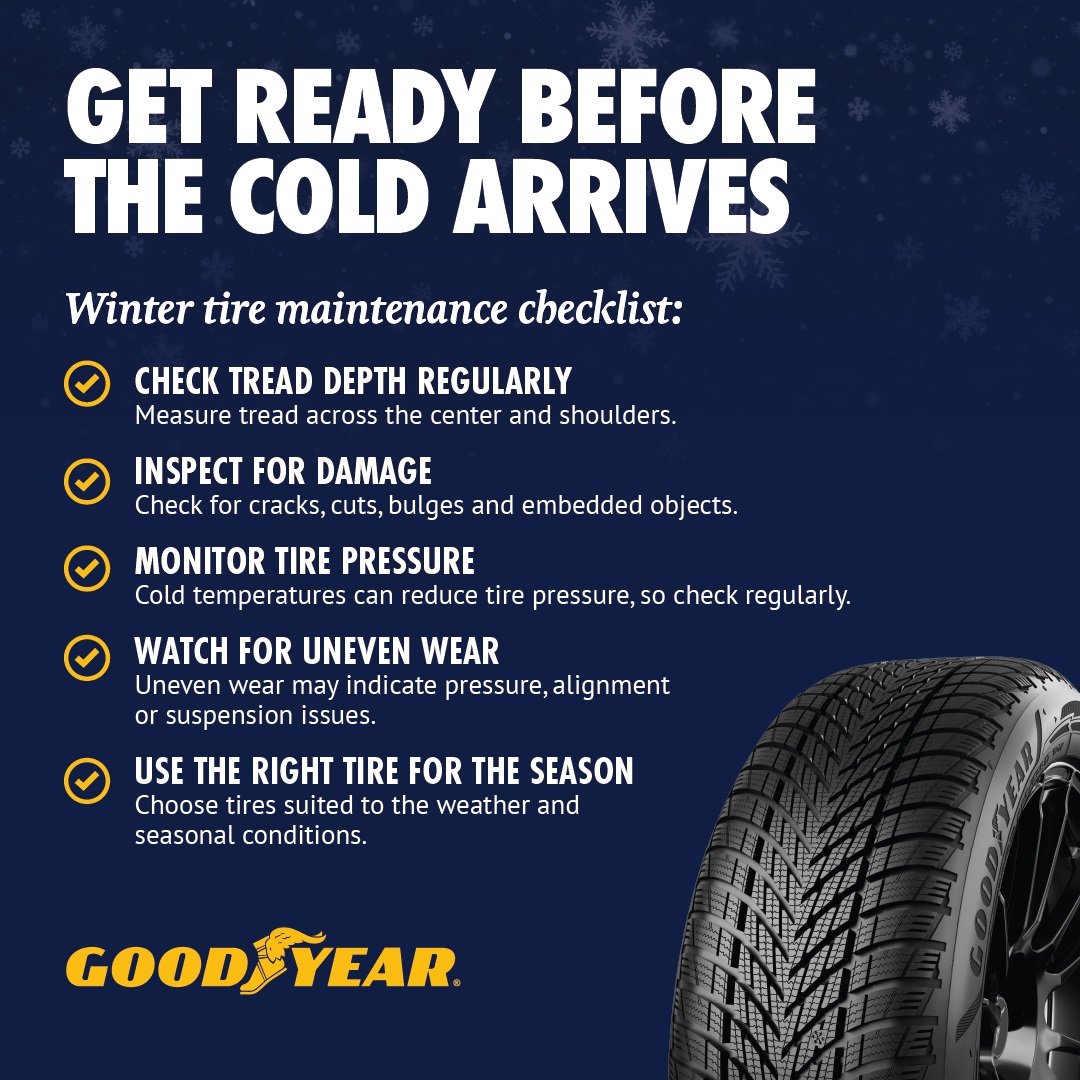
Goodyear has unveiled its 2026 UltraGrip winter tyre portfolio for Europe and the broader EMEA region, targeting drivers who face cold temperatures, snow, ice and slush. The lineup comprises three products tailored to different vehicles, climates and driving requirements: UltraGrip Performance 3, UltraGrip Ice 3 and UltraGrip Arctic 2. The 2026 range builds on the existing product family through added sizes and SKUs, widening vehicle fitment coverage across the region, while also introducing an update to the UltraGrip Arctic 2.
Collectively, the range addresses everyday winter driving as well as severe icy and harsh winter conditions. Every tyre features winter-specific tread designs, rubber compounds and construction technologies engineered to support grip, braking and stability in cold-weather environments. The portfolio is available through authorised Goodyear retailers and partners across EMEA, subject to regional specifications and stock availability.
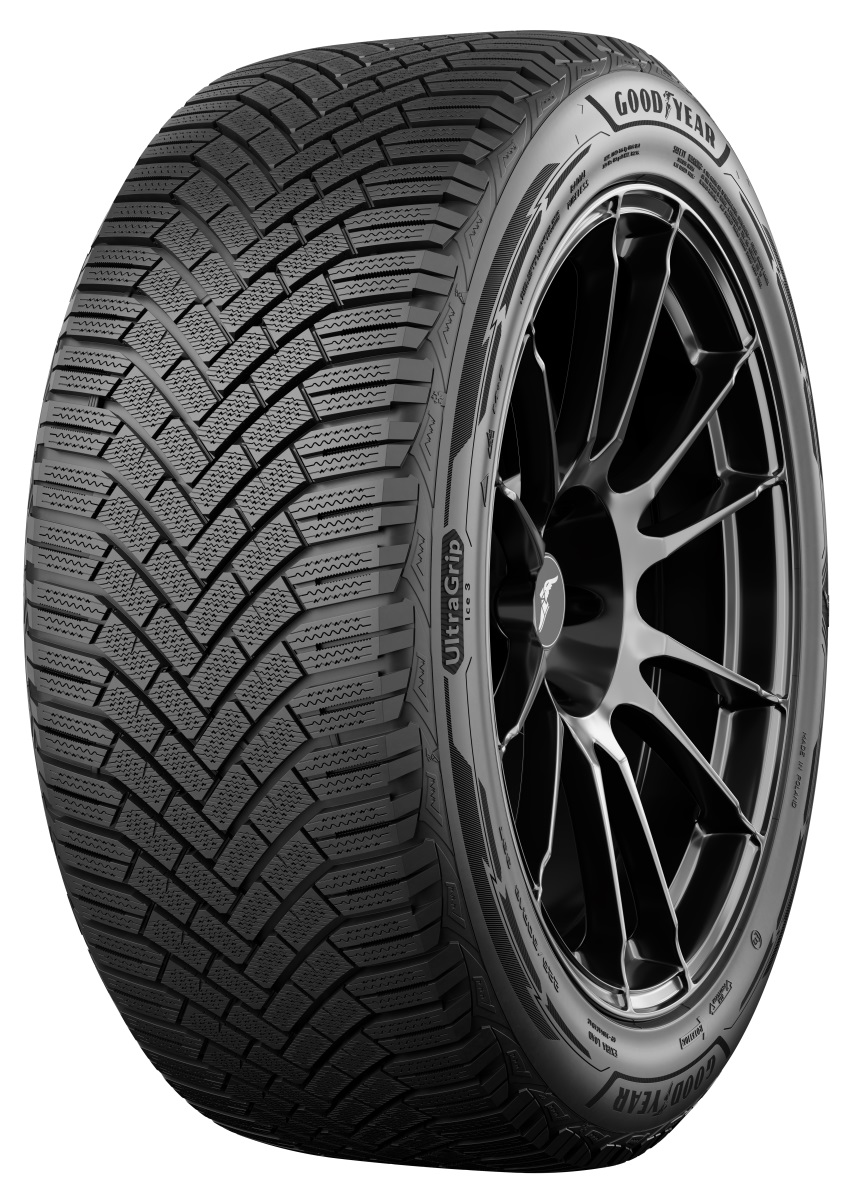
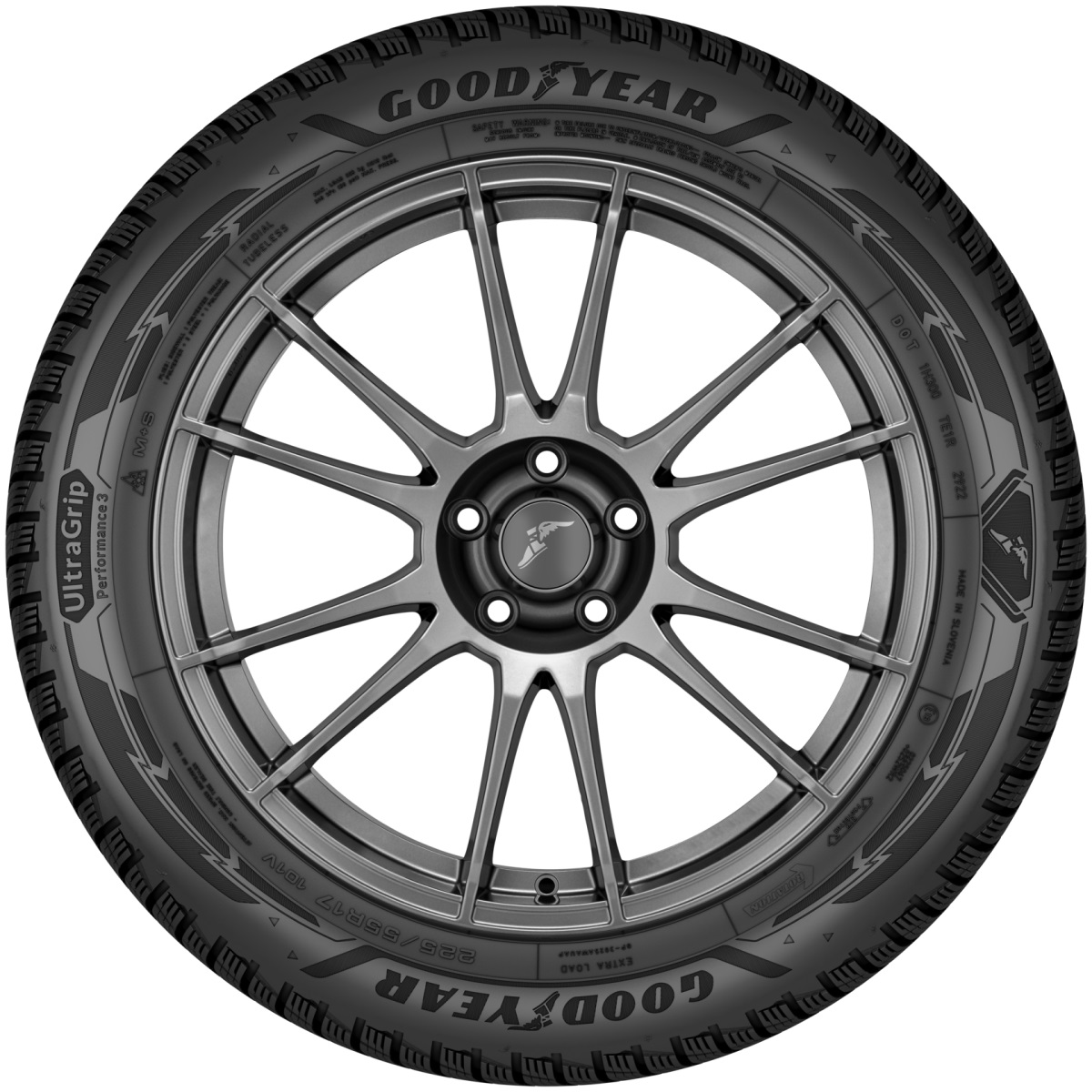
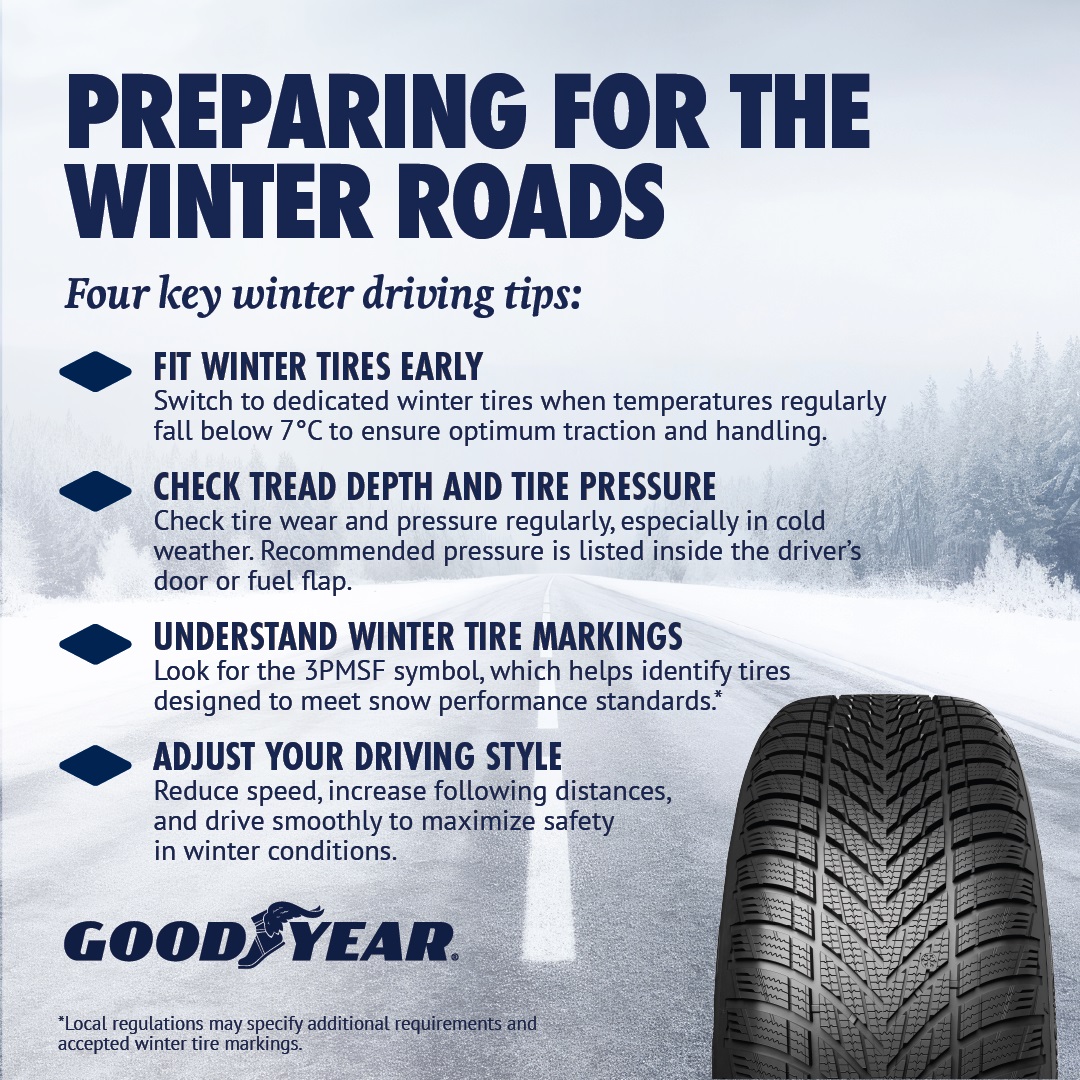
The portfolio is organised into three categories. Winter standard tyres, intended for variable winter conditions, deliver strong snow and wet-road performance while retaining dry-road control, suiting regions where temperatures frequently fall below 7°C and drivers regularly meet rain, snow, slush and ice. Goodyear expanded the UltraGrip Performance 3 with 66 new coverage SKUs, bringing that range to 344 SKUs and providing the widest coverage available through a single winter tyre tread pattern. Winter ice tyres focus on ice and snow performance in demanding conditions while remaining capable on wet and dry cold-temperature roads, aimed at regions with harsh winters and temperatures frequently below 0°C; the UltraGrip Ice 3 gains 18 new SKUs for a total of 130.
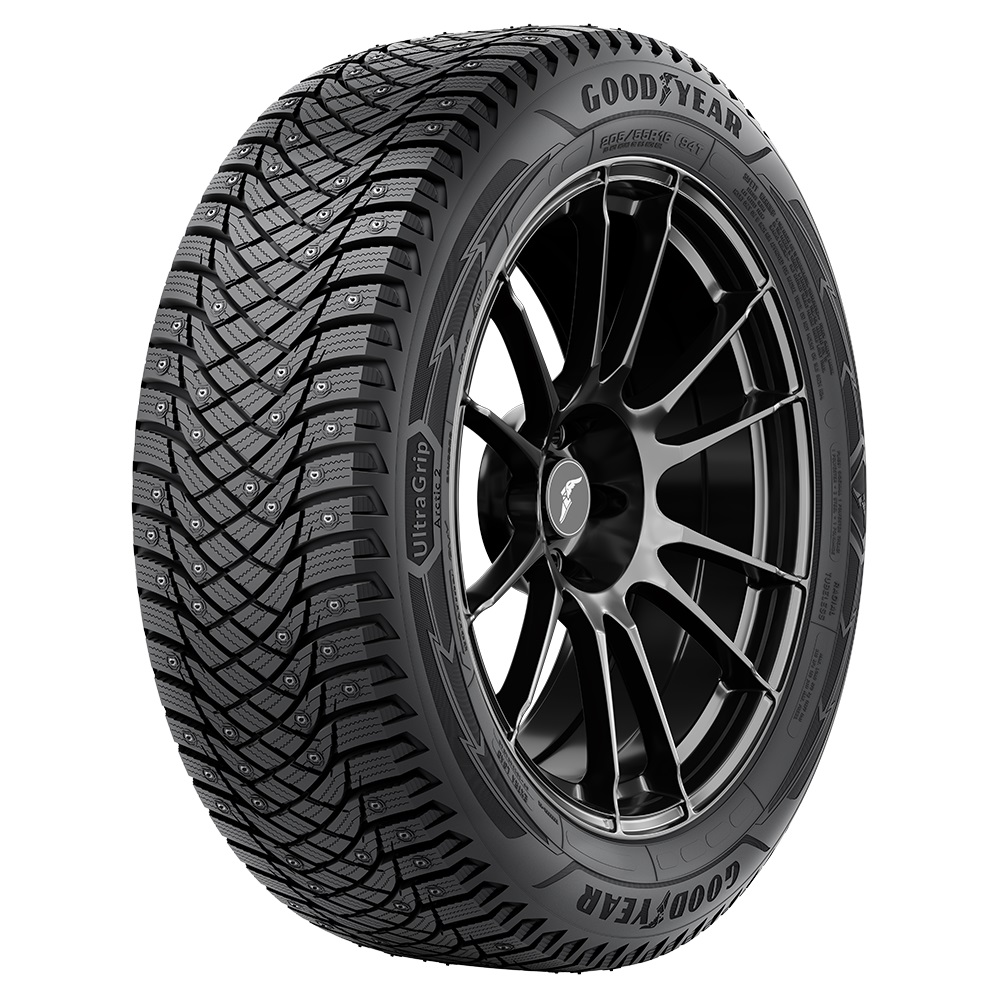
Winter studded tyres emphasise ice performance and control on snow-covered roads for Nordic and other extreme winter regions. As Nordic winter tyre regulations evolve, Goodyear enhanced the UltraGrip Arctic 2 to meet the latest Traficom A+ requirement applying to all newly produced studded passenger car tyres from 1 January 2027. That range now comprises 122 SKUs, including seven additional SKUs added in 2026.
TyreSafe Adds Torque Specialist Fortix To Commercial Partner Roster
- By TT News
- October 01, 2026
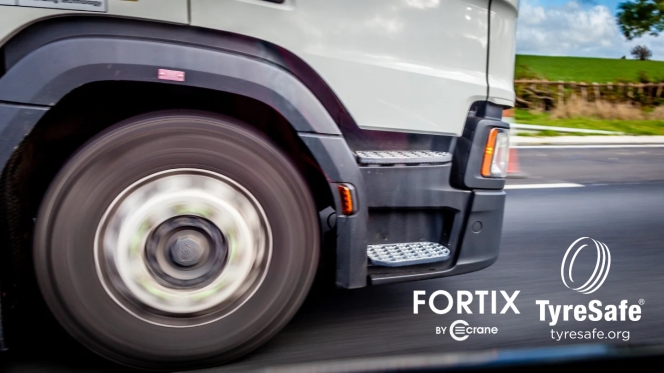
TyreSafe, UK’s leading tyre safety charity, has added Fortix to its roster of Commercial Partners, strengthening its long-running efforts to promote safer tyres and wheels throughout the automotive and road transport industries.
Fortix, a Crane Electronics brand, contributes specialist knowledge in torque management built on over 50 years of engineering heritage. Both organisations share a commitment to educating the industry on why the correct torque must be applied when wheels are swapped and why fasteners require proper tightening afterwards.
Wheel installation plays a critical role in keeping vehicles safe, making adherence to manufacturer-specified torque values essential whenever a wheel is taken off and put back on. The tie-up also coincides with the start of October's National Tyre Safety Month, the yearly campaign stressing that well-maintained tyres are fundamental to safety on the roads. During this year's push, Fortix will emphasise torque literacy and the consequences of getting it wrong for a vehicle's safety and performance.
Fortix manufactures digital torque equipment for the aftermarket, serving roadside recovery, fleet servicing and bus depot operations, among others. Its product line features the AMWrench digital torque wrench and the Fortix Tool Connect Bluetooth app, which logs torque readings as they happen. Through the partnership, Fortix will feed its torque management know-how into TyreSafe's broader wheel safety programme, with joint educational and awareness initiatives planned to deepen understanding of safe wheel fitting and correct torque application.
Stuart Lovatt, Chairman, TyreSafe, said, “We are delighted to welcome Fortix as a TyreSafe Commercial Partner. Their longstanding expertise in torque management complements TyreSafe’s work to promote safer tyre and wheel practices. When a tyre or wheel is replaced, there are a number of important considerations beyond the tyre itself. Ensuring that wheels are correctly fitted and that wheel nuts are tightened to the appropriate torque is an important part of the process. This partnership provides a valuable opportunity to raise awareness of that message and share practical information with those involved in maintaining and servicing vehicles. We look forward to working with Fortix and supporting their activity in raising awareness of the importance of correct torque.”
Sean Gynane, Sales Director, Fortix, said, “We’re very pleased to be joining TyreSafe as a Commercial Partner. There is a clear connection between TyreSafe’s work to promote tyre and wheel safety and our own focus on raising awareness of the importance of correct torque. Torque is an important consideration whenever wheels and other critical fasteners are removed and refitted, but it is an area where greater awareness and understanding can make a real difference. We’re looking forward to working with TyreSafe to share information and promote good practice, particularly around the importance of following the correct torque specifications and ensuring wheel nuts are properly secured.”

Comments (0)
ADD COMMENT