

Nokian Tyres reduces accident rates in car tyre production at Nokia factory by 65% over 3 years
- By TT News
- May 08, 2024
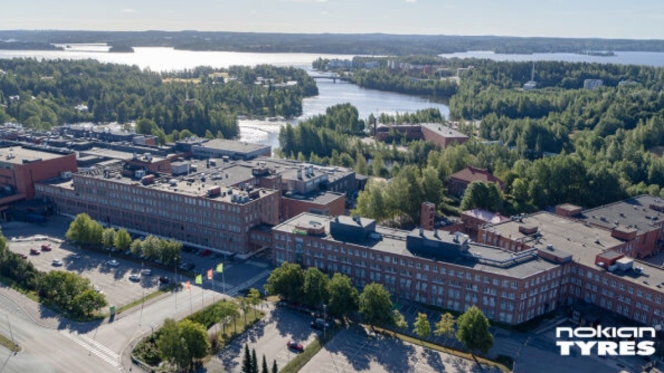
Nokian Tyres’ factory in Nokia, Finland continues focus on improving productivity, reducing mishaps and enhancing waste reduction.
The company says at it is refining its tyre production piece by piece to peak performance. Last year, productivity and efficiency reached record levels while the amount of waste decreased significantly.
At the heart of smooth work and efficient operation is safety, which has been a key focus area at the factory for years. Although there was a slight dip in safety in 2023, the overall progress has been enormous over the long term.
“In the car tyre production, we have managed to reduce accidents at the factory by as much as 65 percent over the past three years. In heavy tyres, we have already gone well over a year without accidents,” said Manu Salmi, EVP, heavy tyres and Nokia Factory.
“Our goal is to eliminate even minor accidents, identify the factors leading to them, and engage everyone in safety work, for example, by making safety observations. This year, our goal is for each of us to make five safety observations throughout the year,” he added.
Furthermore, the company says the production of car tyres grew by 150 percent in 2020–2023. In kilograms terms, this translates to a growth of over 200 percent.
“We are now close to the highest volume ever produced at the Nokia factory.”
The production of heavy tyres also set a productivity record last year for the company, and its capacity has been gradually increased and will continue to grow.
“Our process management is at a very high level. The more efficient the production process, the greater share of materials can be utilised and the less waste is generated. In this respect too, we achieved an all-time record last year by significantly reducing production waste. Less than 3.5 percent of production of car tyres ended up as waste at the Nokia factory, marking a 35 percent improvement during the last three years. In heavy tyres, approximately 2 percent of production ended up as waste, which was an all-time record as well,” Manu explained.
The company says the role of the Nokia factory in Nokia Tyres’ manufacturing network is to develop and manufacture tyres for the Nordic countries, as well as to support North America and partly also Central Europe. The factory is a centre of expertise in winter tyre technology, and one of its special areas of expertise is studding technology.
“Last year, we studded a record number of car tyres. With timely investments and increased automation, we have been able to improve efficiency and increase production volumes, and thus meet the demand for studded tyres.”
TBC Corporation Backs National, Regional Nonprofits In Annual Week Of Action
- By TT News
- October 05, 2026

TBC Corporation, one of North America’s largest marketers of automotive replacement tyres through wholesale and franchise operations, joined forces with United Way Worldwide and the American Cancer Society's Road To Recovery for its yearly Week of Action.
Running from 21–25 September, the initiative mobilised staff at the company's Palm Beach Gardens, Fla. headquarters along with workers at about 100 distribution centres nationwide. The annual event, first introduced in 2024, invites TBC's roughly 3,000 employees to give back through volunteer work in their own communities. More than 2,000 volunteer hours have been logged since the programme began.
Across US sites, workers put together hygiene kits stocked with toothpaste, tissues, shampoo, conditioner, combs and deodorant, which were given to local United Way branches assisting people and families facing hardship. Additionally, employees wrote personalised messages for those served by the American Cancer Society's Road to Recovery programme, which supplies free transportation to cancer-related medical visits. Thanks to TBC's involvement, 500 free rides became available for patients in that programme.
Looking ahead to October, the company's San Luis Potosi location in México will team up with Fondo Potosino and Colonia Juvenil, two organisations that deliver resources and create opportunities through programming, civic engagement and social support. TBC staff will take part in mentorship and team-building exercises alongside programme participants, aiming to build confidence and pave the way for future achievement.
Ron Harper, Chief Supply Chain Officer, TBC Corporation, said, “Giving back to the planet and making an impact in the communities in which we live and work is a core part of our vision. Our Week of Action reflects our commitment to doing right by our communities in meaningful and tangible ways.”
Dunlop Riders Dominate As Belgium Wins Motocross Of Nations
- By TT News
- October 05, 2026
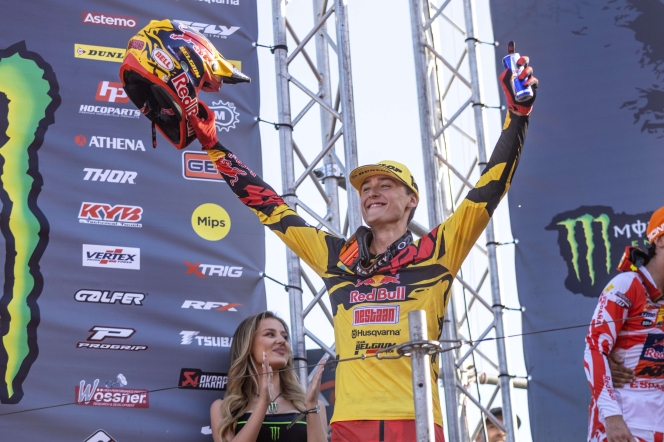
Dunlop-equipped riders filled the rosters of the two strongest teams at this season's Motocross of Nations (MXoN), where Liam Everts, riding for Nestaan Husqvarna, played a pivotal role in ending Belgium's lengthy wait for the Chamberlain Trophy. Jorge Prado and Guillem Farres likewise turned in impressive rides on Dunlop rubber, propelling Spain to a narrow runner-up result at the prestigious gathering.
Only three points separated the leading teams when racing concluded, and Everts proved instrumental in Belgium's triumph. Having placed second in Saturday's Open-class qualifying, the Belgian followed up with a pair of fourth-place moto finishes on Sunday. Spain mounted a determined challenge across the weekend, briefly holding the top spot after the first moto before finishing three points adrift of Belgium.
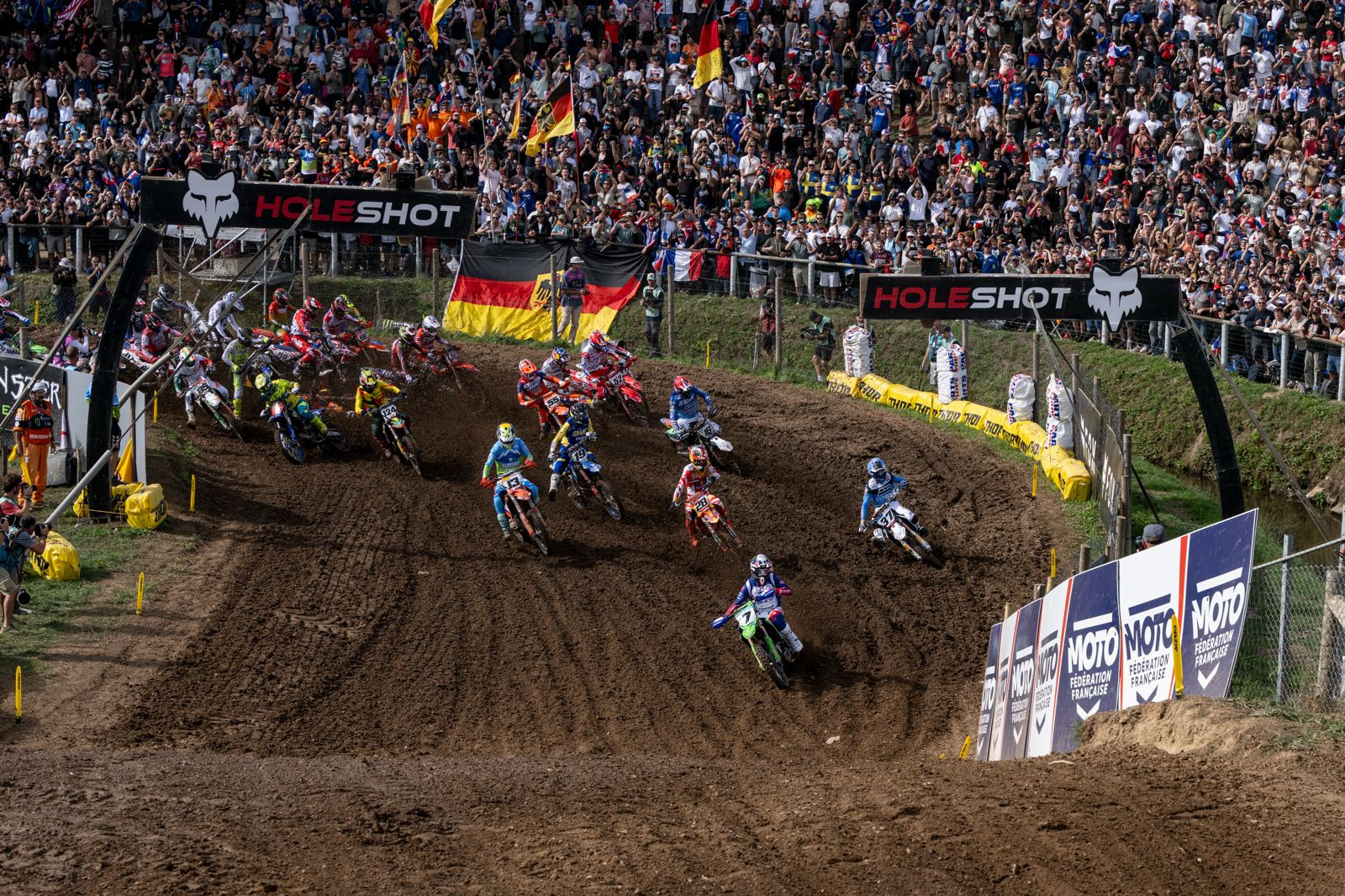
Prado, a two-time MXGP champion, claimed second in both of his outings, enough to head the MXGP standings, while Farres contributed a fourth and a fifth to Spain's total. France also delivered Dunlop success, with Kawasaki's full-time pairing of Romain Febvre and Mathis Valin racing before a home crowd. While his teammates struggled, Febvre produced one of the day's standout individual displays, winning the opening moto and then taking third in the finale, where he also grabbed the Holeshot.
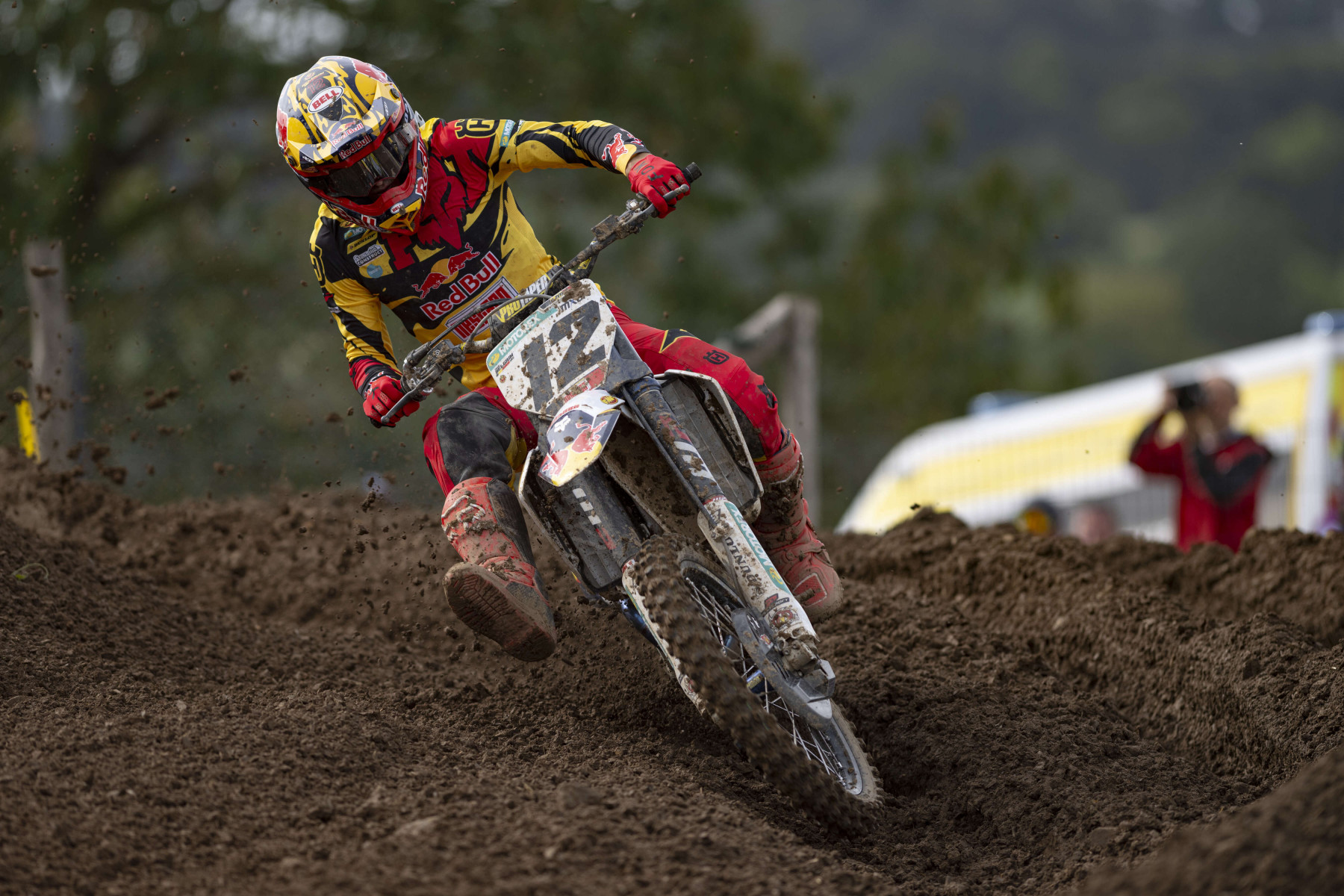
Those results placed Febvre second in the MXGP class behind Prado, while Farres and Camden McLellan of South Africa topped the MX2 standings. Everts ended second in the Open category, with fellow Dunlop rider Pauls Jonass of Latvia third. Dunlop riders claimed three of six race wins across qualifying and the main motos, and five of the nine Sunday podium finishers used the brand.
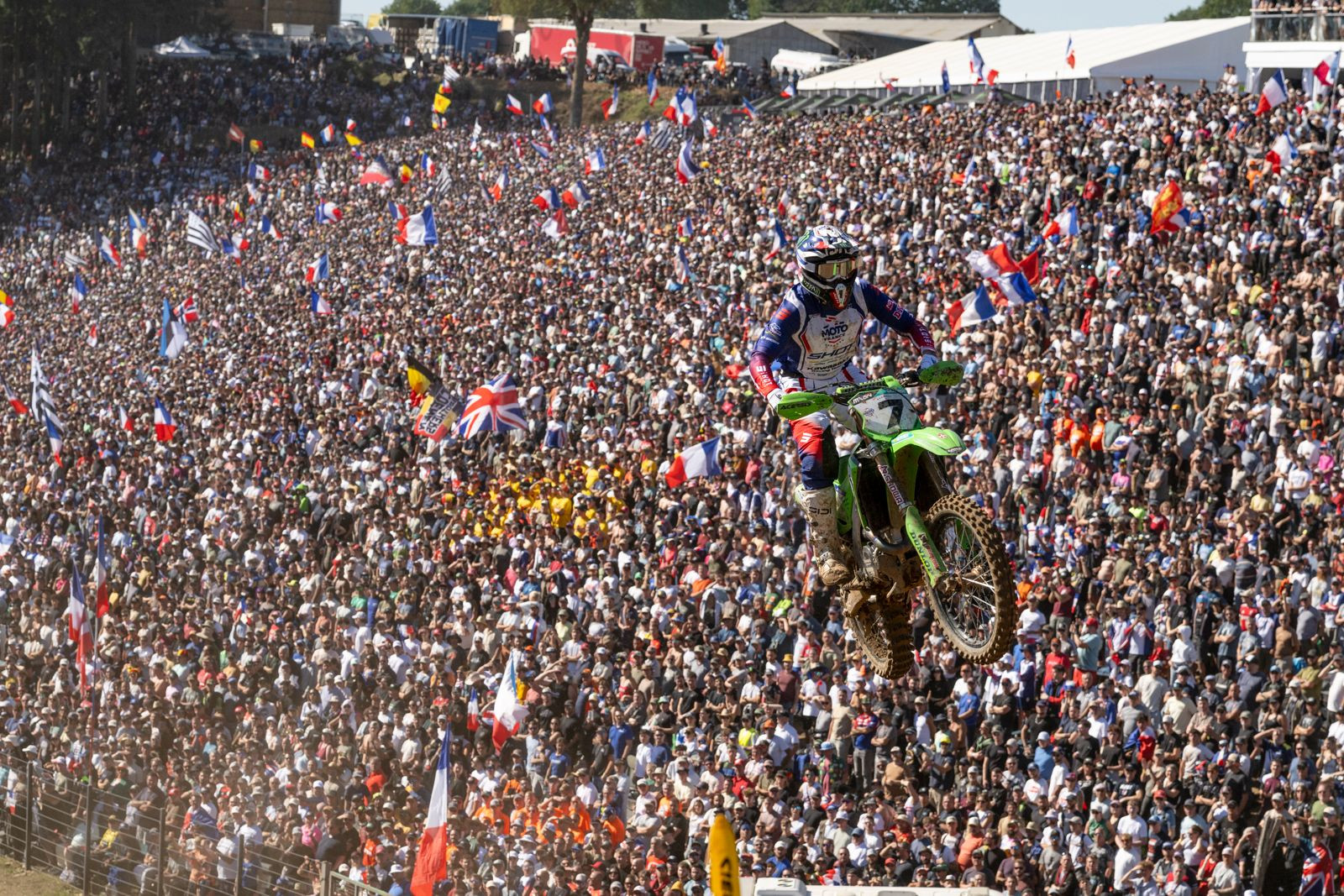
In total, 32 competitors from 16 nations depended on Dunlop's Geomax MX34 front and Geomax MX14 rear tyres, engineered respectively for soft-to-mid terrain and loose-surface traction. The weekend rounds off another standout season for Dunlop. Farres captured the MX2 world title and led Triumph Racing to a one-two with McLellan, while Febvre was MXGP runner-up after winning the crown on Dunlop the previous year. In America, Ken Roczen rode Dunlop to a first 450cc AMA Supercross championship, continuing Dunlop's unbroken run of AMA Supercross and Pro Motocross titles since 2010.
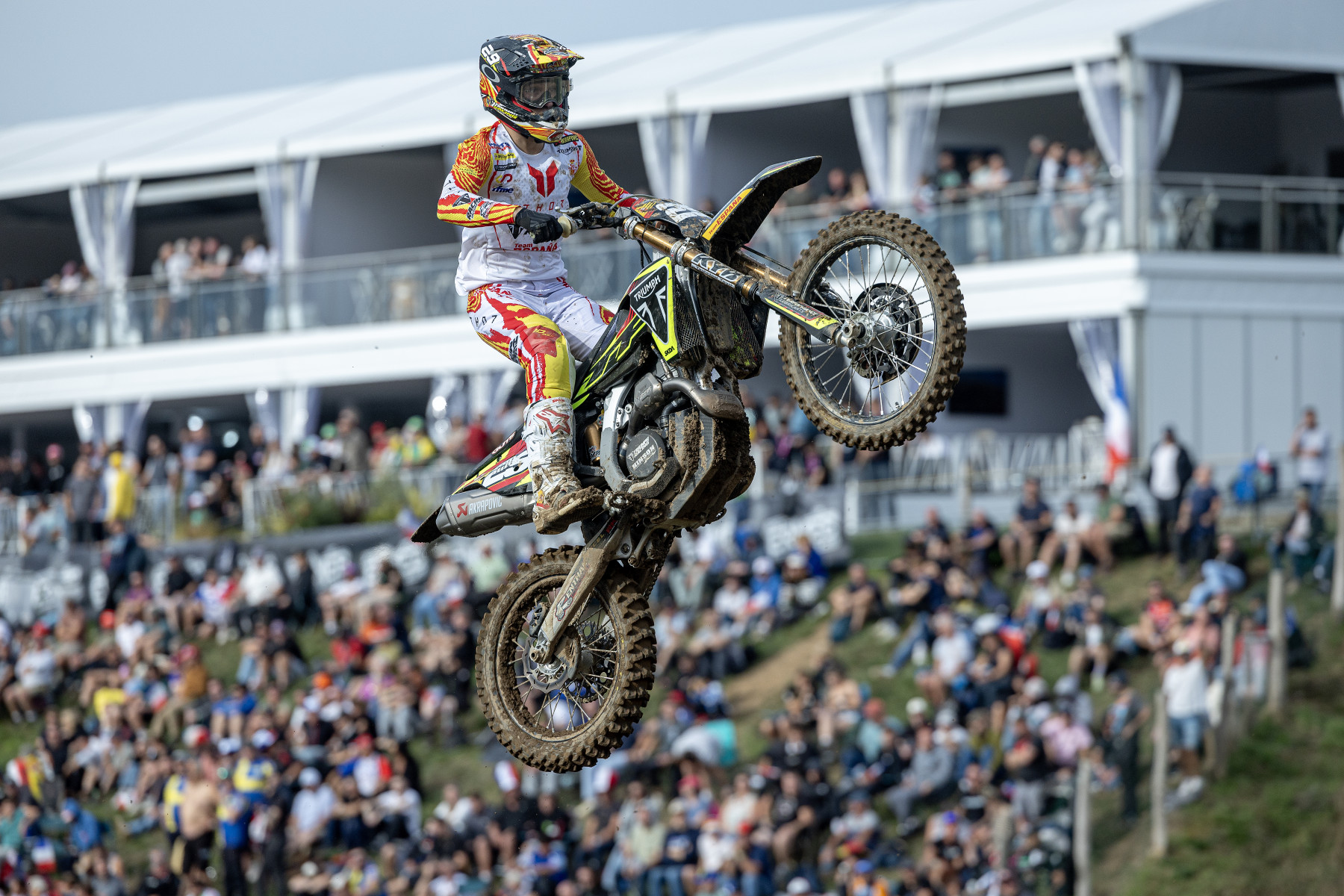
Wim Van Achter, Motorcycle Motorsport Manager EMEA, Dunlop Motorcycle Europe, said, “It has been a fantastic weekend of racing at the Motocross of Nations, and we congratulate Dunlop rider Liam Everts on the victory with Team Belgium. Team Spain fought hard all weekend, with Jorge and Guillem helping the team fight right to the end for the victory. We’re pleased that so many top riders continue to choose Dunlop Geomax tyres, and the results across the field weekend underline the performance of our Geomax MX34 and MX14 products.”
Liberty Tire Recycling Joins Henry County For Three-Day Tire Amnesty Event
- By TT News
- October 03, 2026
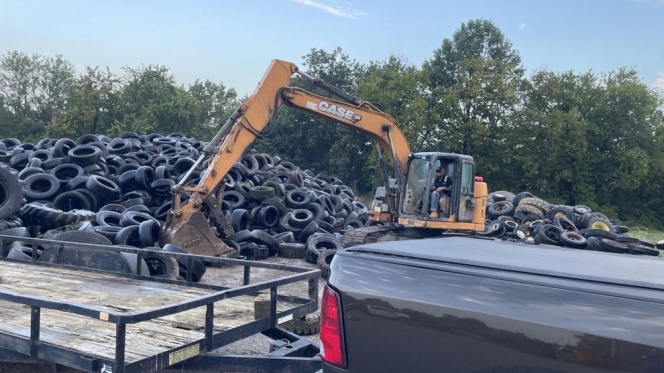
Liberty Tire Recycling partnered with Henry County staff and volunteers for a three-day Tire Amnesty Event at the County Barn last week, during which thousands of scrap tyres were collected from residents seeking free and responsible disposal. The recurring programme, offered every three years, drew a steady stream of vehicles ranging from cars and trucks to trailers and farm equipment, generating sizable piles of tyres and underscoring both strong community participation and the persistent need for proper recycling.
County personnel, including Jason Stanley, Jeremy Raisor, James Nutgrass, Darrell Abbott, Zach Smith and Travis Buchanan, worked continuously to unload and organise tyres as residents arrived. Among those taking part was New Castle resident Charles Miller, who delivered over 100 tyres, many from demolition derby vehicles, and also brought tyres on behalf of several family members so that materials from multiple properties could be recycled.
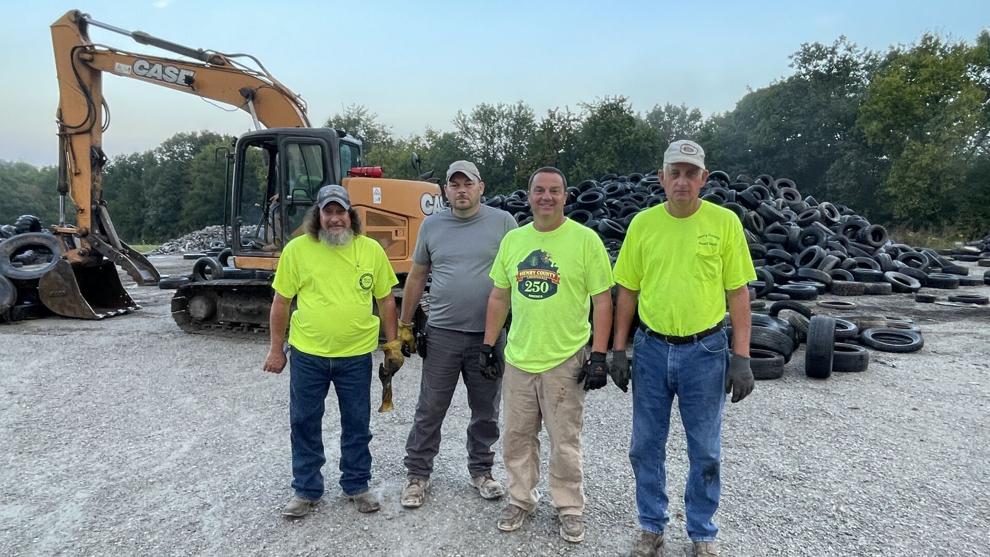
Photo by The Henry County Local
Stanley reported that turnout substantially exceeded the previous amnesty event held three years ago, with residents arriving consistently throughout the collection period. Such events offer a convenient way to remove scrap tyres that might otherwise accumulate on properties, create safety hazards and serve as breeding grounds for mosquitoes and other pests, thereby reducing environmental risks and advancing sustainable waste management.
Officials applaud the Kentucky Division of Waste Management and its local partners for organising these programmes, noting that states collecting mandatory tyre disposal or recycling fees can reinvest them in amnesty days that channel waste tyres into the recycling stream and deter illegal dumping. While the final tally remains pending, county officials anticipate the total will rank among the most successful amnesty events in recent years.
Max Verstappen Secures Bahrain Pole As Pirelli Softs Shine
- By TT News
- October 03, 2026
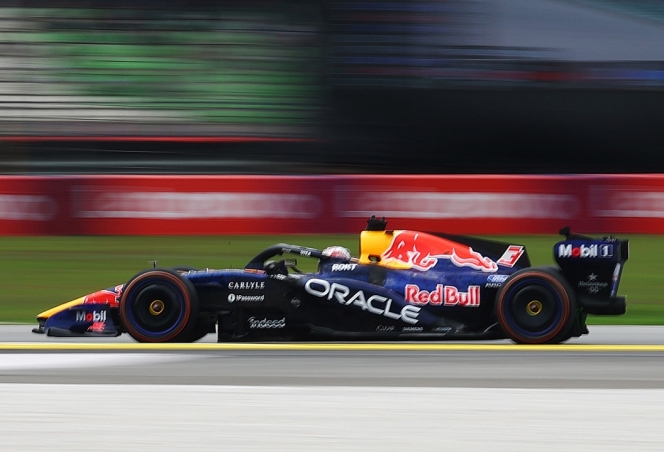
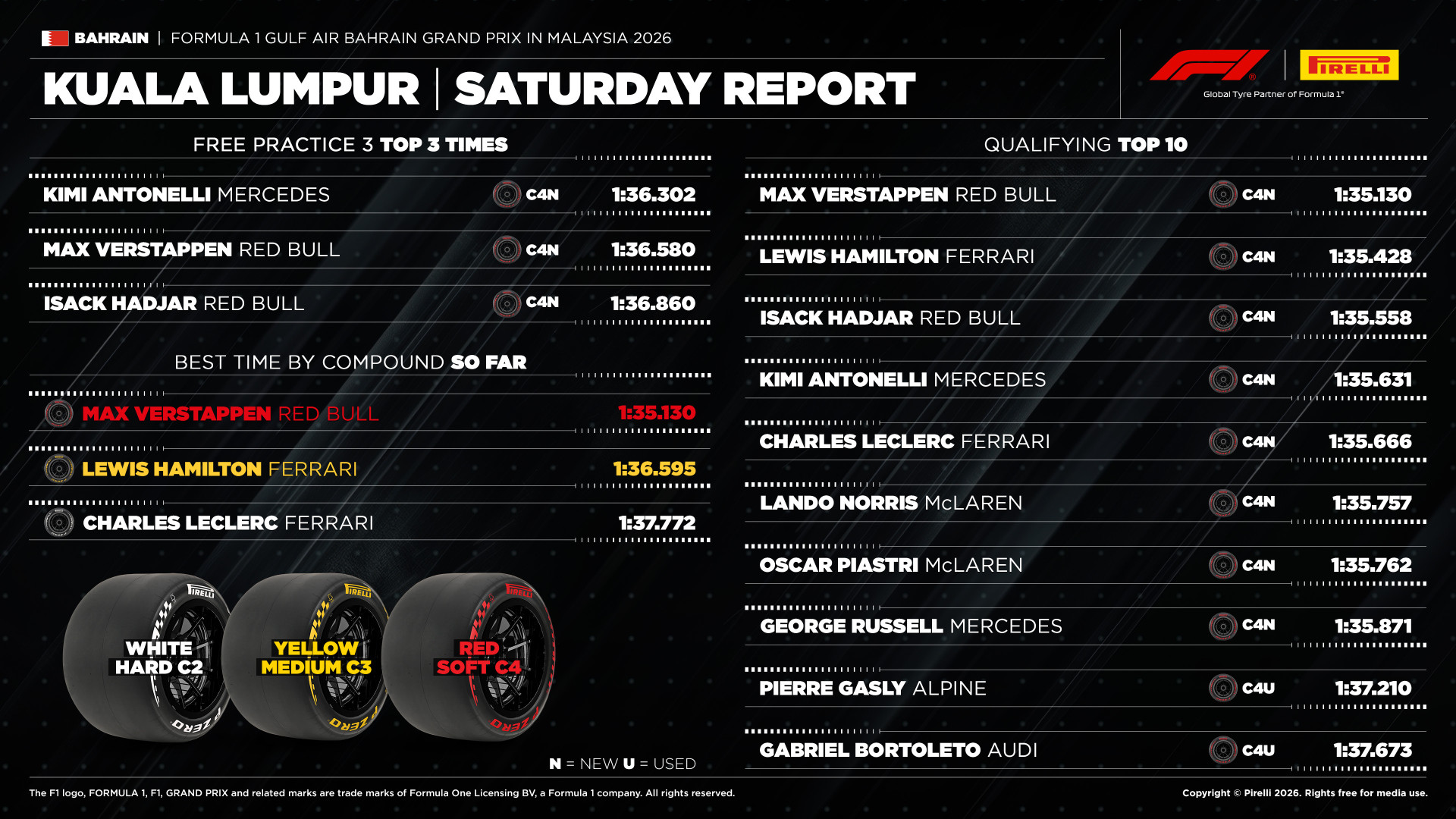
Max Verstappen secured his first pole position of the season for the Bahrain Grand Prix, lapping fastest at 1:35.130. Lewis Hamilton took second with a 1:35.428. Pirelli’s Soft compound played a decisive role, as the top three all set their best times on the red-marked tyre. Isack Hadjar originally qualified third but will not start from that grid slot due to a penalty.
Kimi Antonelli, fourth fastest in qualifying, will instead line up third. Hamilton began qualifying on the Medium before switching to the Soft, a strategy mirrored by Charles Leclerc, Nico Hülkenberg and Gabriel Bortoleto. The remaining drivers relied solely on the C4. Verstappen used four new Soft sets and improved his benchmark in the final sector on his last flying run.
Track temperatures peaked at 54°C during FP3 before cloud cover arrived. All three compounds appeared in the session, though most drivers concentrated on the C4. Leclerc alone ran the Hard before moving to a new Soft set. Lando Norris, Oscar Piastri, Verstappen and Hadjar used the Medium, with the reigning champion setting his best time on the C3.
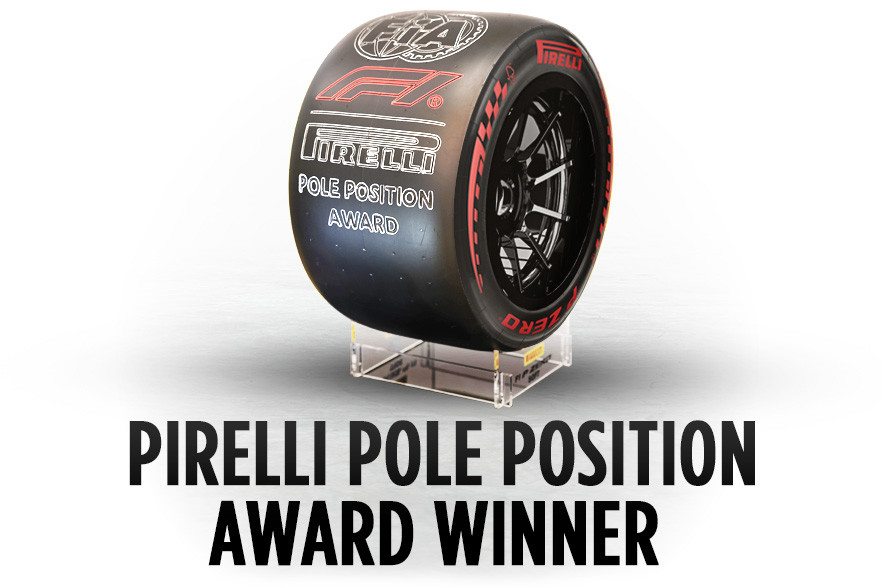
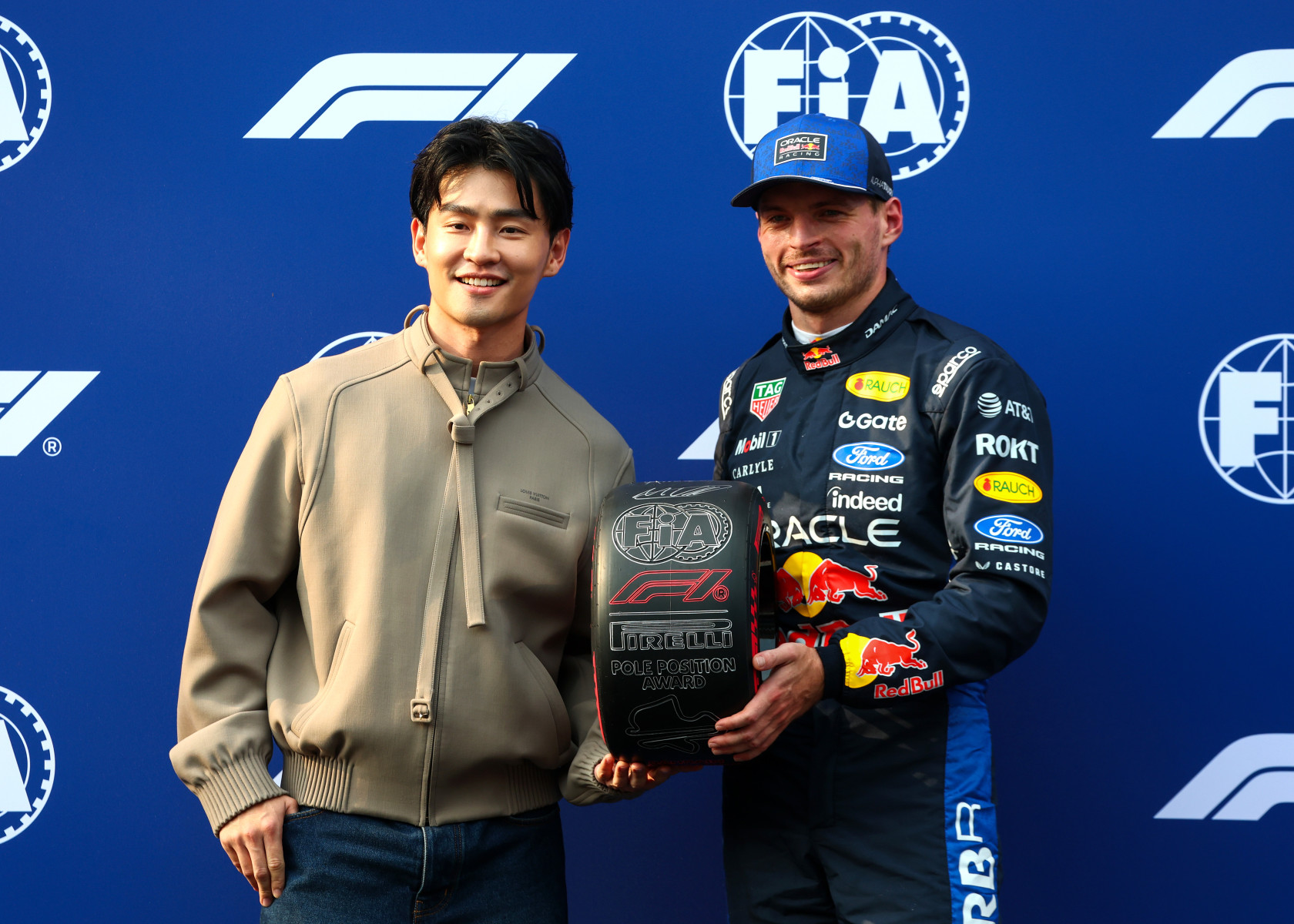
Antonelli topped FP3 at 1:36.302, ahead of Verstappen on 1:36.580 and Hadjar on 1:36.860. The Pirelli Pole Position Award was presented by Alvin Chong, a Malaysian actor and singer recognised across Malaysian and Chinese entertainment.
Dario Marrafuschi, Pirelli Motorsport Director, said, “Track conditions improved progressively throughout the day, allowing the Soft compound to deliver a very competitive level of performance in qualifying. Despite this, lap times remained significantly slower than those predicted by the simulations, indicating that the track evolution was not sufficient to close the gap. In the attempt to extract the maximum potential from the C4 immediately, the degradation generated on the compound meant that no genuinely competitive laps could be completed after the first flying lap today. At the same time, in yesterday’s running it demonstrated that it can maintain an acceptable level of consistency over race distances when it is brought gradually into its correct operating window over the opening laps. This characteristic could prove particularly important tomorrow, given the number of Soft sets retained by several teams.
“Tomorrow’s Grand Prix looks especially interesting from a strategic perspective. Most drivers have two sets of Hard tyres available, which should provide a solid option for the longer stints thanks to their greater thermal resistance and lower degradation compared to the softer compounds. On paper, the Medium-Hard-Hard and Soft-Hard-Hard combinations appear to be among the most competitive. There are, however, some particular situations, such as those of Verstappen and Leclerc, who each have only one set of C2 tyres available and may therefore consider different approaches, making greater use of the Soft and Medium compounds or even evaluating three-stop strategies. In this scenario, the range of possibilities becomes much broader, with shorter stints and increased flexibility. By contrast, we are unlikely to see one-stop strategies, which on paper offer no advantage in terms of total race time at a circuit where overtaking remains possible at several points around the track. Finally, there remains an element of uncertainty related to the weather, with a chance of rain that could influence the teams’ strategic choices.”

Comments (0)
ADD COMMENT