

Riding The Atmanirbhar Wave
- By Sharad Matade & Gaurav Nandi
- June 18, 2026
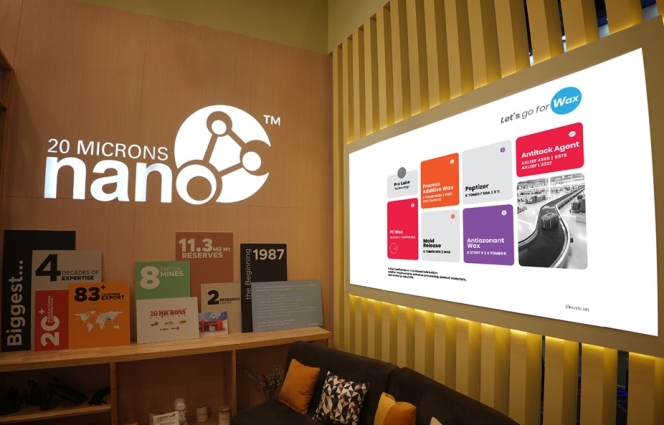
India’s Atmanirbharta push is reshaping the tyre industry as companies leverage domestic mineral resources and advanced processing technologies to reduce import dependence and strengthen global competitiveness. Players such as 20 Microns Limited are capitalising on this shift by developing value-added fillers that enhance tyre performance while lowering costs and emissions.
As radialisation, sustainability targets and export ambitions converge, indigenous innovation is increasingly being positioned not merely as import substitution but as a strategic lever for global market integration and long-term industry transformation.
India has witnessed a sharp rise in cross-manufacturing capabilities across industries over the past decade. Once heavily dependent on imports, the country is gradually positioning itself as a manufacturing and export hub. This transition has been accelerated by Prime Minister Narendra Modi’s call for Atmanirbharta (self-reliance).
The domestic tyre ecosystem is also benefiting from this momentum, with companies that have established strengths in adjacent sectors now entering the tyre value chain. Gujarat-based 20 Microns, a speciality chemicals company operating primarily in industrial minerals and performance additives for sectors such as tyres, rubber, plastics, Paints, paper etc., has emerged as a supplier to leading Indian tyre manufacturers including CEAT.
Speaking exclusively to Tyre Trends, K K Mishra, President – Product and Business Development at 20 Microns, said, “The shift from bias-ply to radial tyres opened up opportunities for players like us to enter the tyre industry.”
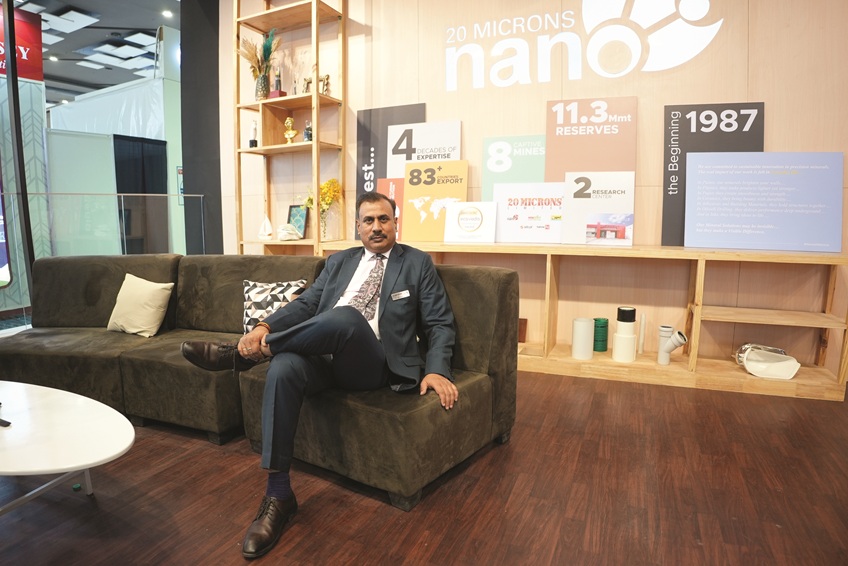
Before entering the tyre segment, the company catered to multiple industries. “We supply products for 78 different applications, so tyres were not initially a focus area for us. Our entry into the segment was largely driven by customer demand,” Mishra explained.
The company’s first offering to the tyre industry was magnesium oxide. However, tyre manufacturers were already using the material in limited quantities relative to their overall raw material consumption. While some experimented with alternative fillers, these solutions often failed to deliver significant value.
Mishra pointed out that India had traditionally exported large volumes of raw minerals such as China clay, talc, mica and other industrial minerals but lacked advanced grinding and processing capabilities. As a result, European companies imported these raw materials, converted them into high-value speciality products and exported them back to India at significantly higher prices.
Recognising this gap, 20 Microns began developing nano and value-added mineral-based products domestically.
“We registered 20 Microns Nano Minerals Limited in 2004, but commercial operations started in 2012. We introduced products gradually. Our first major offering was an anti-blocking agent, which was largely imported by petrochemical Complex. These agents are used in packaging films to prevent layers from sticking together,” Mishra said.
To manufacture the product, the company installed a delamination process capable of producing platy particles. Advanced machinery was imported from Germany, and the delaminated talc products were initially supplied to Reliance Industries.
Following this success, the company realised the same technology could be applied to other minerals.
“We introduced kaolin, which also has a platy structure. Using the same delamination process, we produced nano-sized, high-aspect-ratio particles without fracturing them,” he noted.
This development became particularly relevant as the tyre industry transitioned from bias-ply to radial tyres.
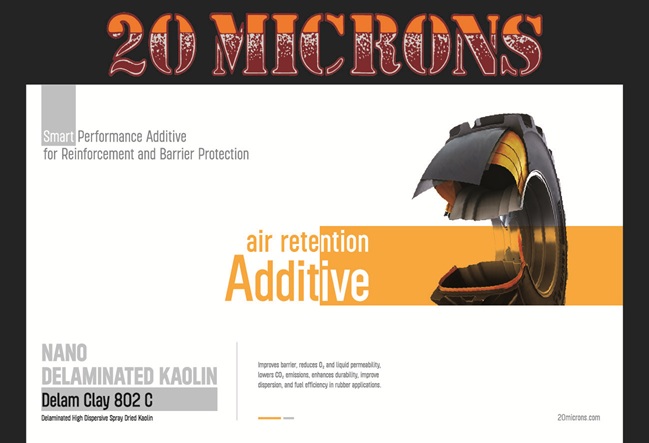
“Radial tyres require improved air retention and reduced permeability. Our delaminated nano kaolin enhances these properties. We developed a product in which each particle is separated layer by layer rather than mechanically crushed,” Mishra explained.
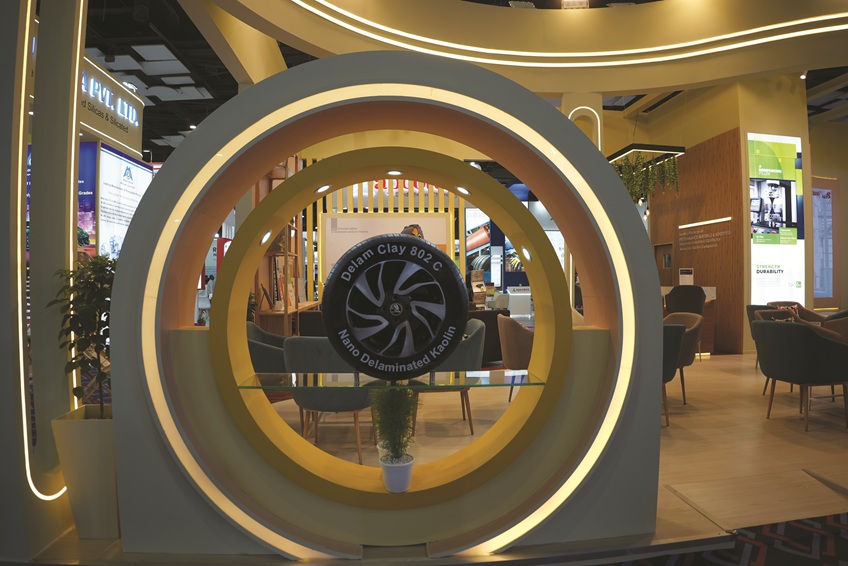
The company recognised that global tyre manufacturers such as Bridgestone were importing similar materials from suppliers like Imerys, encouraging it to approach Indian tyre makers.
“Our first engagement was with CEAT, where the product delivered encouraging results. This was largely due to the superior quality of Indian China clay. Following CEAT’s success, we approached JK Tyre and Apollo Tyres. After two to three years of trials and validation, our product was approved and commercial supplies began,” Mishra said.
The company is now in discussions with Bridgestone, which currently imports these materials, and securing a position in its supply chain would mark a significant milestone.
MARKET OPPORTUNITY
India’s tyre industry is expanding rapidly. While the domestic market includes several major tyre manufacturers, the global supply side for speciality minerals remains concentrated among a few multinational players such as Imerys and Thiele. 20 Microns sees this as an opportunity to position itself as a global supplier.
“After establishing ourselves in India, we have started approaching international tyre manufacturers such as Pirelli and Iris Tyres, where approvals are currently underway. Globally, the transition towards radial and tubeless tyres is driving demand for such materials,” Mishra stated.
The company claims its products help reduce costs, provide reinforcement and partially replace carbon black while also supporting sustainability objectives.
Compared to carbon black or silica, the company’s product reportedly generates only around five percent of the associated carbon emissions, resulting in nearly 95 percent lower carbon output.
Additionally, the company operates its own mining facilities, where land restoration and environmental compliance form part of the extraction process.
“Around 15 percent of carbon black in tyres can be replaced with our product. Simultaneously, air impermeability improves by approximately 13–15 percent. Typical loading levels are around 15–20 percent. This means tyre manufacturers achieve carbon black replacement along with some reduction in rubber usage because improved air impermeability allows lower rubber consumption,” Mishra explained.
Beyond large tyre makers, the company is now targeting smaller manufacturers as well. Producers of two-wheeler and three-wheeler tyres have already begun adopting these solutions.
According to Mishra, several manufacturers have also expressed strong interest, with collaborative research and development activities underway to accelerate adoption.
However, he acknowledged that large-scale application in commercial vehicle tyres, where carbon black usage is significantly higher, will take time.
“Tyres are directly linked to safety, so manufacturers are understandably cautious. There is initial scepticism regarding whether replacing carbon black or introducing China clay-based fillers could affect mechanical performance. However, as successful implementation in passenger car radial tyres becomes more visible, adoption is expected to expand into commercial tyres as well,” he said.
STRENGTHENING THE SUPPLY CHAIN
Exports currently contribute around 18 percent of the company’s total revenue, with supplies reaching 86 countries across Europe and the Americas. Mishra expects demand for delaminated products to grow three to four times over the next three to four years.
The company operates mine-site plants for kaolin, while its primary facility is located in Bhuj, Gujarat, where mining operations span 168 hectares. One mine is operational, while another is awaiting environmental clearance.
Its facilities employ advanced technologies, including cryogenic magnetic separation systems, to remove paramagnetic and ferromagnetic impurities. The kaolin slurry is processed through specialised systems to produce ultra-pure material, ensuring high-quality output.
“Indian kaolin deposits naturally offer high aspect ratios and superior platy structures. This enables two major applications. First, delaminated kaolin improves permeability and reinforcement in tyres. Second, when calcined at 1200–1,400 degrees Celsius, it can partially replace titanium dioxide, especially in paints and plastics. While this market is smaller than tyres, it still offers considerable potential,” Mishra noted.
According to the company, competition in this niche segment remains limited globally, with only a handful of manufacturers producing such specialised materials. While China competes aggressively in standard grades, the delaminated segment continues to remain relatively niche.
Sustainability has become a key focus area, as the products are derived from naturally occurring minerals that require mining and processing, yet still offer a significantly lower carbon footprint.
The company’s long-term objective is to increase the share of mineral-based fillers in tyre formulations.
“Three additional products are currently under development, including amorphous silica from diatomaceous earth and nano silicates as green tyre fillers. Delaminated talc, already supplied as an anti-blocking agent for petrochemical applications, is also being positioned by some European players as a partial carbon black substitute,” Mishra revealed.
The company recently invested INR 1 billion, fully funded through internal accruals, towards expansion. It currently operates nine plants in India along with facilities in Malaysia and Vietnam
Delaminated production capacity, currently at 400 tonnes and fully utilised by three tyre customers, is being expanded to 1,000 tonnes in response to strong global demand.
Capacity expansion is also underway in the petrochemical segment to cater to rising demand for anti-blocking agents. The company has acquired mineral assets and land in Anantapur for a talc and dolomite plant serving both tyre and non-tyre sectors, while calcium carbonate operations are being expanded in Makrana.
Expansion of the Malaysian subsidiary is expected to be funded through debt and private equity following mining asset acquisitions.
GLOBAL AMBITIONS AND FUTURE CHALLENGES
Export opportunities remain a key focus, particularly in Europe and other global markets.
“Our strategy is to first establish a strong domestic base and then expand globally through direct engagement with international manufacturers as well as distributor networks. The overseas expansion of Indian tyre companies is also creating opportunities, as approved supplier bases are being extended internationally,” Mishra said.
At the international level, concerns persist regarding the impact of replacing carbon black with China clay-based fillers on mechanical performance. However, awareness of similar global products already exists, and the company believes its 50–60 percent cost advantage could support gradual adoption despite lengthy validation cycles.
In the electric vehicle tyre segment, progress has so far been limited. Nevertheless, mineral-based fillers are recognised for offering improved flame-retardant properties, which could create future opportunities.
“Traditionally, adoption cycles in the tyre industry have been lengthy, typically taking around three years from laboratory testing to commercialisation. However, this approach is evolving following the Paris Agreement, with sustainability and circular economy goals driving greater openness towards green tyres. Artificial intelligence is also being leveraged to accelerate innovation, enhance testing and improve supply chain efficiency,” Mishra observed.
At the same time, challenges remain. The company also highlighted how readily mineral-based innovations can be replicated, leading to intensifying competition in the value-added minerals segment, where fillers are increasingly positioned as performance enhancers. While India continues to hold strength in China clay, talc, mica resources, and continues to export aggressively, imports of calcium carbonate from countries such as Malaysia, Vietnam and Egypt are also increasing.
Even as the Atmanirbharta wave drives innovation and global ambition, challenges related to validation cycles, performance concerns and rising competition persist. The ability to scale sustainably, protect innovation and build global trust will determine whether India’s mineral-based solutions evolve from cost-efficient alternatives into indispensable components of next-generation tyre manufacturing.
DUNLOP Prepares For Winter With A Robust Winter And All-Season Tyre Portfolio
- By TT News
- October 10, 2026
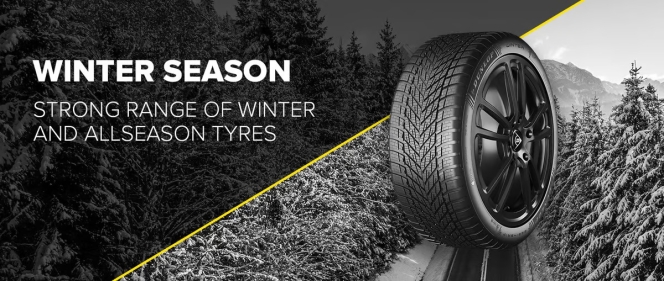
Dunlop Tyre Europe GmbH (DUNLOP) has unveiled a comprehensive winter and all-season tyre portfolio for the 2026 season, targeting European drivers who face unpredictable cold-weather conditions. The range covers high-performance passenger car and SUV applications, blending dependable winter traction with year-round versatility. The lineup includes the DUNLOP WINTER, WINTER SPORT 5, SP WINTER SPORT 4D and SP WINTER SPORT 3D winter tyres, alongside the DUNLOP ALL SEASON 2 for those seeking a single year-round solution.
The DUNLOP WINTER addresses drivers prioritising balanced low-temperature performance. Its directional tread and multidirectional sipes evacuate water and slush efficiently, supporting grip and stability, while lightweight materials reduce rolling resistance and aid fuel efficiency. It earned an ‘Exemplary’ rating in last year's Auto Bild tyre test, also praised for strong value. The WINTER SPORT 5, fitted as original equipment on selected Mercedes-Benz models, uses wide, deep grooves for efficient water evacuation and predictable cold-weather handling.
For enthusiasts, the SP WINTER SPORT 4D offers direct steering response through a lightweight construction, interlocking sipes, V-shaped snow grooves and an adaptive winter compound that promotes even contact-patch pressure. It is trusted as original equipment by Audi, BMW, Mercedes-Benz and Porsche. The SP WINTER SPORT 3D, original equipment on selected Audi, BMW, Mercedes-Benz and Volkswagen models, combines three-dimensional interlocking sipes for snow traction and braking with a Shape Lock System that maintains tread stability at higher speeds.
Completing the portfolio, the DUNLOP ALL SEASON 2 delivers a balance of summer and winter tyre benefits across varied conditions. Its 3D interlocking sipes aid winter traction, while a reinforced carcass supports stability and handling on both wet and dry surfaces, providing year-round confidence for European motorists.
Marcus Schulz, Assistant Manager – Product Planning, Dunlop Tyre Europe GmbH, said, "Winter no longer necessarily means facing months of snow and ice, with often milder temperatures adding to the unpredictability of the weather. This makes it even more important to have tyres that can cope with a wide range of weather conditions. With our winter portfolio, DUNLOP offers tyres designed to meet the increasingly diverse conditions and ensuring drivers can rely on consistent performance.
"In DUNLOP's first full year with Sumitomo Rubber Industries, we are entering a new chapter in Europe. By continuously strengthening and expanding our product portfolio, we are enhancing the brand's competitiveness and laying the ideal foundation for a successful and safer 2026 winter season.”
Michelin Adds WORKXBIB To Agricultural Trailer Tyre Range
- By TT News
- October 10, 2026
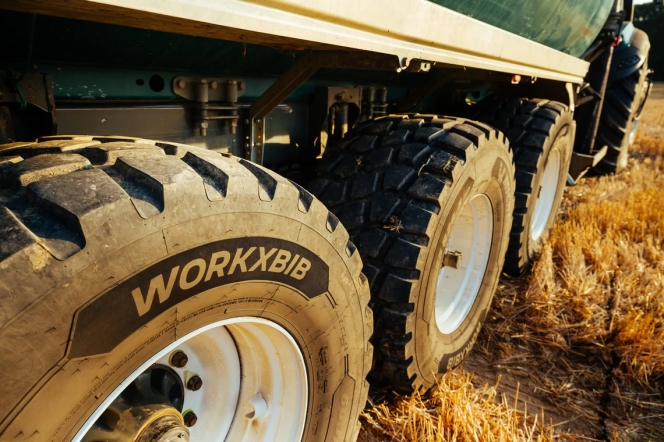
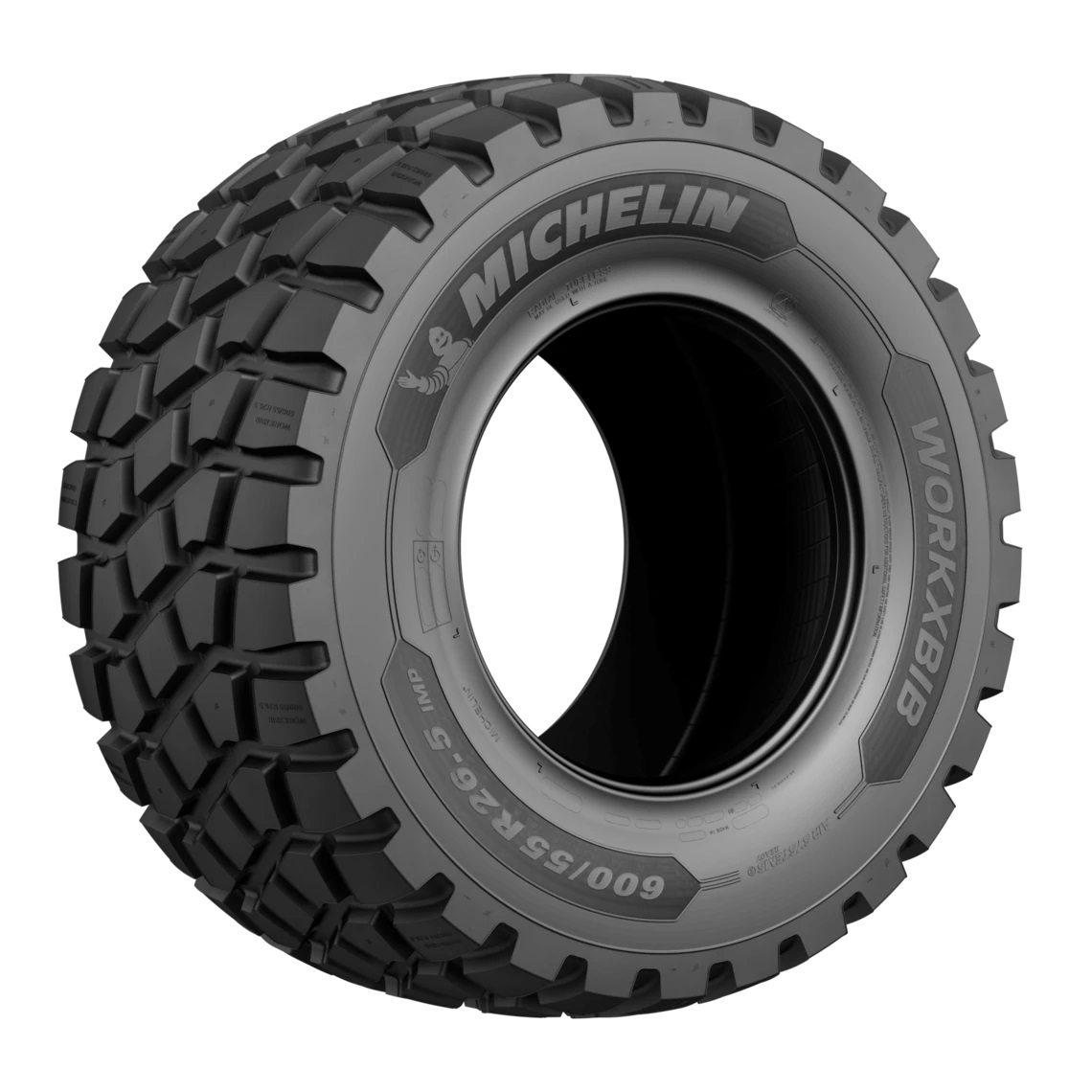
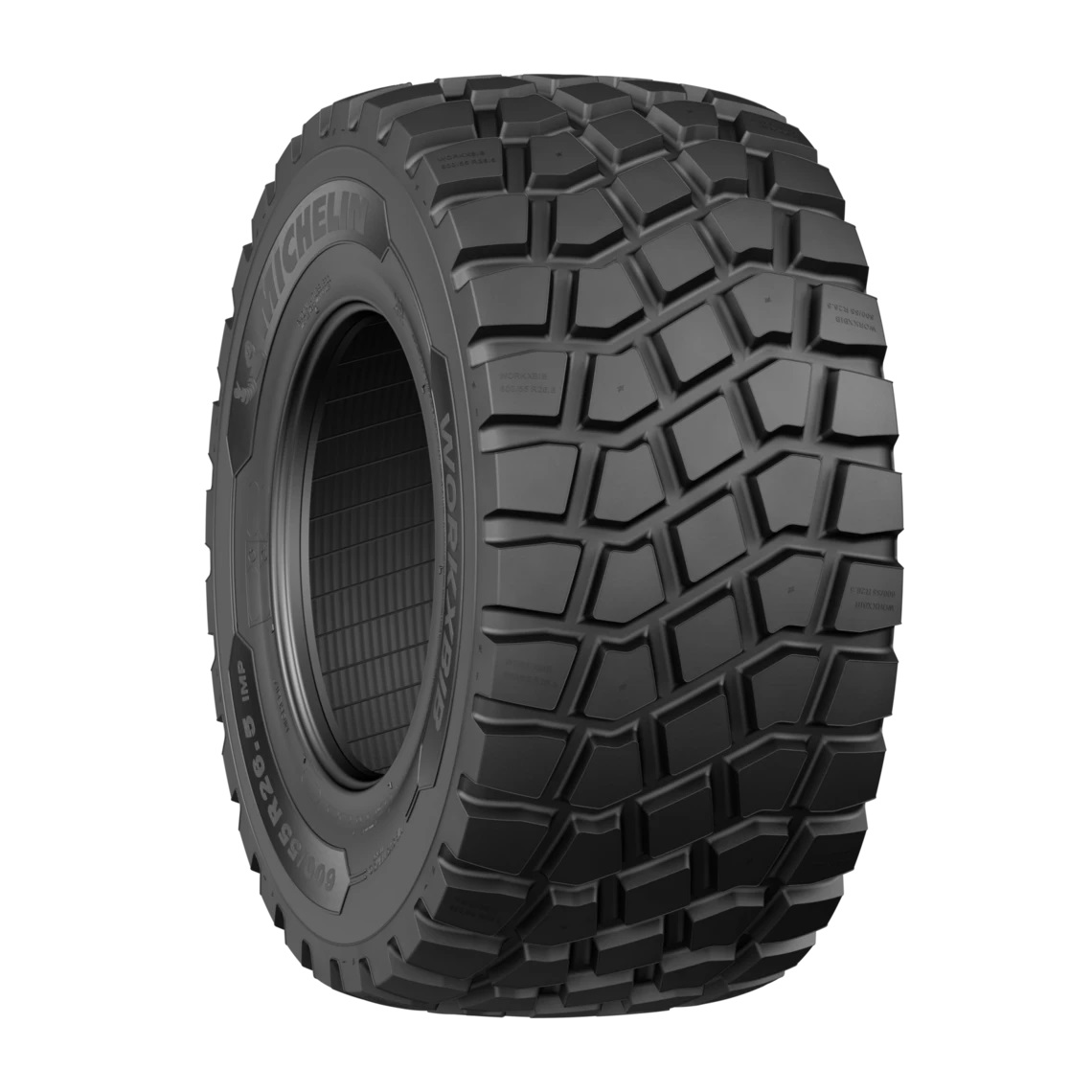
Michelin has broadened its agricultural trailer tyre lineup with the launch of the MICHELIN WORKXBIB. Designed primarily for tipping trailers, slurry tankers, manure spreaders and similar farm equipment, the new addition complements the existing MICHELIN TRAILXBIB, which features the company’s patented Ultraflex technology for reduced soil compaction.
Engineered to handle the demands of trailer platforms, the WORKXBIB combines endurance, high load capacity and reliability for intensive road use. It supports loads of up to 6,500 kg at speeds of 65 kmph and is offered in a size range tailored to current vehicles, drawing on Michelin’s innovation to deliver dependable performance.
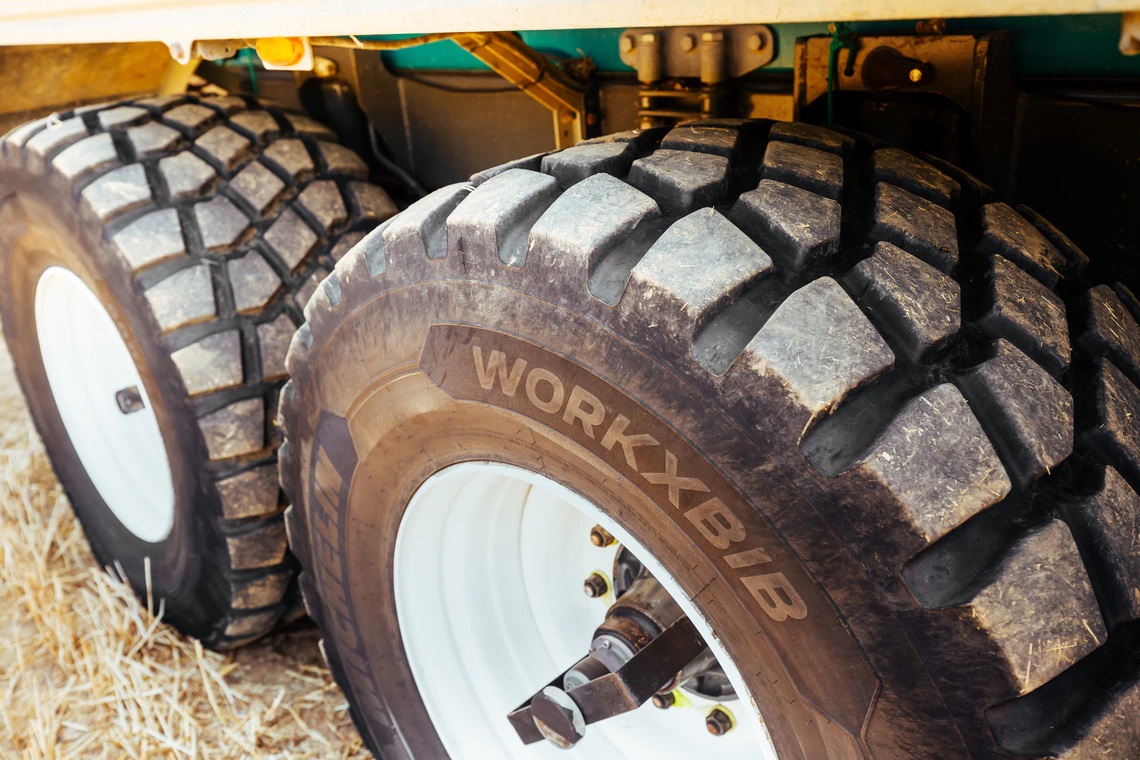
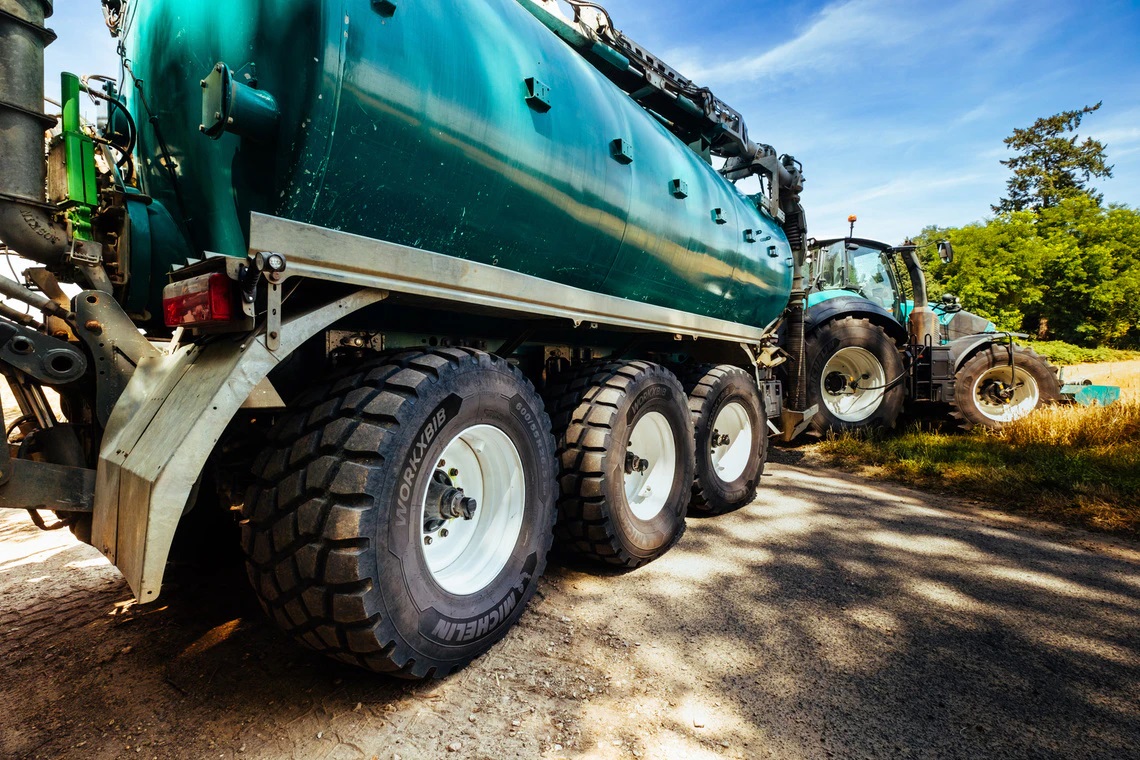
The tyre’s flat crown and reinforced, serrated shoulders provide a larger footprint, promoting stability even under heavy loads and at high speed. A steel-belted crown, robust carcass and bead area, and a high-performance rubber compound enhance puncture resistance. Serrated shoulders improve stability on sloping ground, while large tread blocks self-clean to reduce maintenance. This design delivers up to 80 percent longer life than the previous generation of Michelin trailer products.
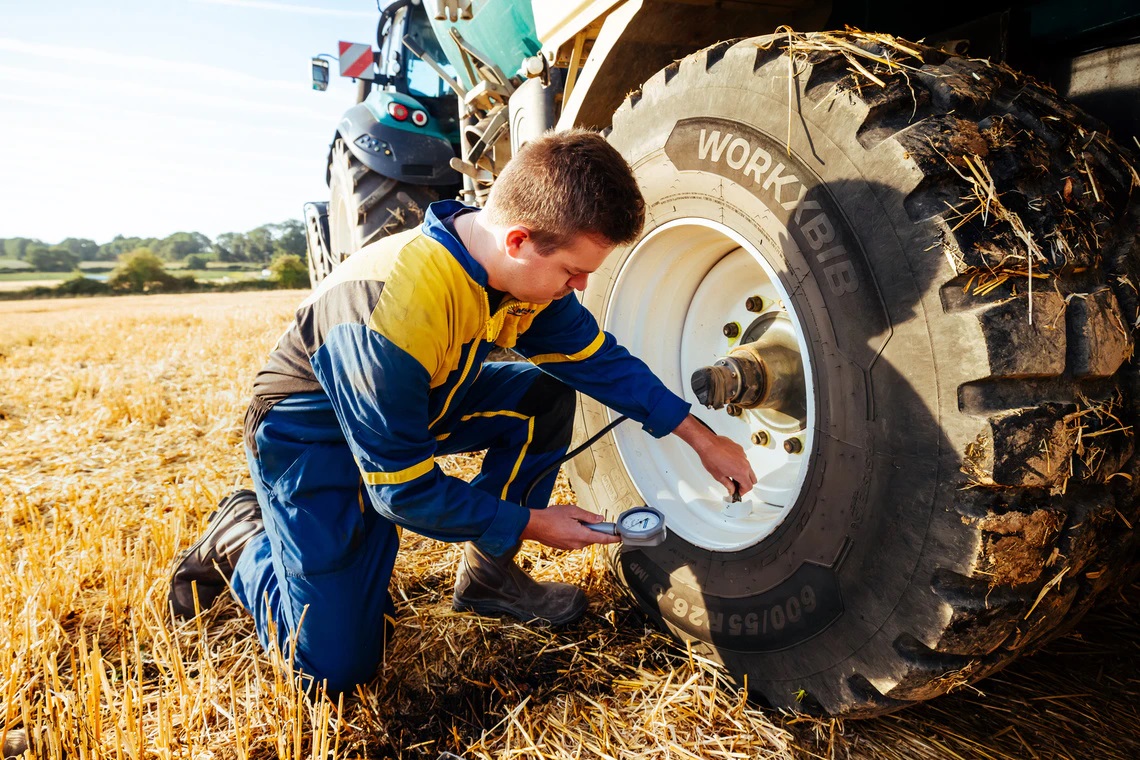
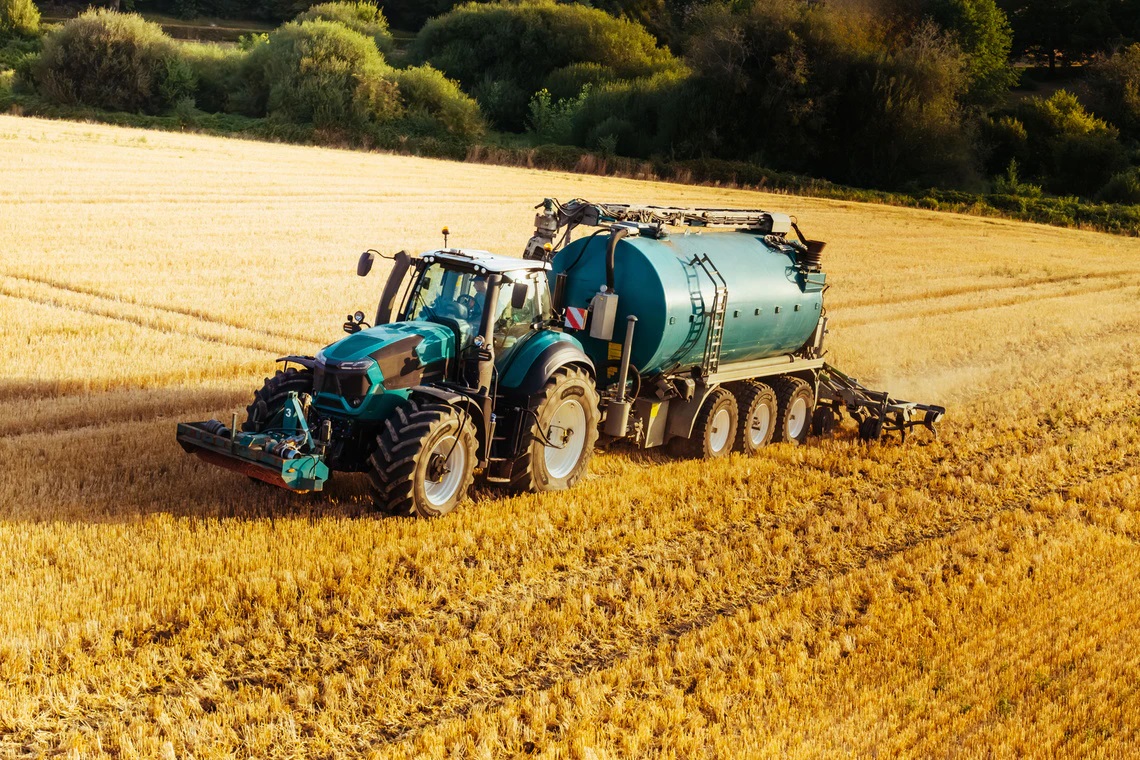
For contractors and farm owners, the result is fewer tyre replacement and maintenance stops, greater equipment availability and better-controlled operating costs. The replacement market rollout begins with size 600/55 R26.5 in October 2026, followed by three additional sizes in the second quarter of 2027: 650/55 R26.5, 600/60 R30.5 and 560/60 R22.5.
Tom Saunders, Agricultural Beyond Road Customer Engineering Support Manager at Michelin, said, “In a sector marked by increasingly intensive road use and demanding field performance, we’ve developed the MICHELIN WORKXBIB for contractors and farmers. Our latest fitment has a wide range of applications from public works and civil engineering through to haulage and livestock farming.”
- Tegeta Green Planet
- Circular Economy Action Platform
- UN Global Compact Network
- Packaging Waste Regulation
- Extended Producer Responsibility
- Used Tyres
Tegeta Green Planet Joins UN Global Compact Discussion On Packaging Waste Regulation
- By TT News
- October 10, 2026

Tegeta Green Planet participated in a Circular Economy Action Platform meeting hosted by the UN Global Compact Network Georgia on 6 October. The session examined packaging waste management and the need for technical regulation from a business standpoint, with participants exploring existing practices and the challenges tied to the issue.
Attendees stressed that an effective waste management system would serve environmental goals while giving businesses a clear and predictable operating environment. Shalva Akhvlediani, Director of Tegeta Green Planet, presented the company’s vision and hands-on experience. Discussion topics included the Extended Producer Responsibility system, the role of businesses in waste management and practical obstacles to advancing a circular economy in Georgia.
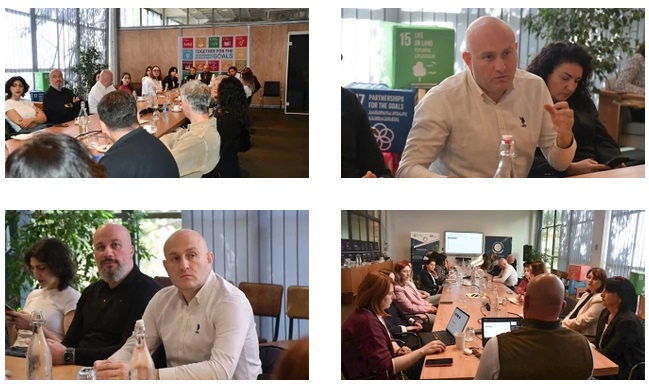
As an EPR organisation, Tegeta Green Planet helps producers and importers meet their environmental obligations and supports an effective waste chain spanning collection, proper treatment and conversion into a resource. Akhvlediani detailed the company’s work with used tyres, waste oils and automotive batteries, noting that a sustainable system demands coordinated cooperation among businesses, government and other stakeholders alongside practical experience.
The meeting underscored the value of technical regulation, with clear requirements and strong enforcement seen as ways to develop waste management, reinforce responsible business practices and encourage more efficient resource use. Developing a circular economy remains a key focus for Tegeta Green Planet, which continues working with the business, public and educational sectors so that waste management moves beyond regulatory compliance toward reuse and recycling opportunities.
TyreSafe Warns Driver Overconfidence Masks Tyre Safety Gaps
- By TT News
- October 10, 2026
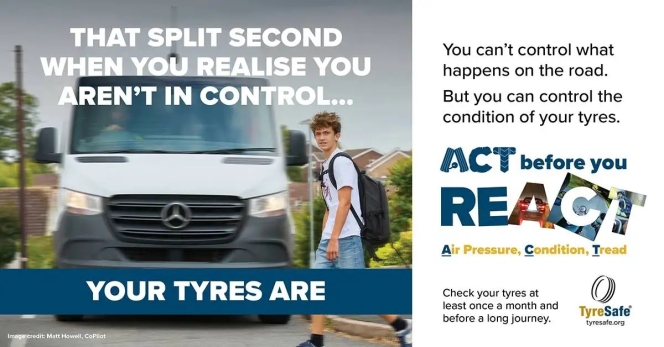
TyreSafe, UK’s leading tyre safety charity, has raised concerns that overconfidence among UK motorists could be concealing a serious road safety problem. Fresh research indicates a notable gap between how drivers rate their own abilities and their actual vehicle maintenance habits. While 42 percent of drivers consider themselves above average at handling emergencies, that figure rises to 51 percent among men. Yet 1 in 10 has never examined tyre pressure or tread depth, and merely a quarter have done so within the previous month.
Regional patterns remain broadly similar, though behavioural differences point to inconsistent awareness and upkeep across the country. The organisation stresses that tyres represent the sole contact between a vehicle and the road, meaning even minor defects can materially affect braking, grip and control. TyreSafe is therefore urging drivers to incorporate regular tyre checks into their routines and to act before they react.
Stuart Lovatt, Chairman, TyreSafe, said, “Confidence is not a substitute for preparation. No matter how skilled a driver believes they are, tyres ultimately determine how a vehicle performs in an emergency. You cannot outdrive poor tyre condition. Regular checks are essential to ensure your vehicle responds as expected when it matters most.”

Comments (0)
ADD COMMENT