

- K.M. Philip Gold Medal
- All India Rubber Industries Association
- AIRIA
- Indian Rubber Manufacturer Research Association
- IRMRA
- Council of Scientific and Industrial Research
- CSIR
All India Rubber Industries Association To Host Final Edition Of K.M. Philip Gold Medal Awards
- By TT News
- October 31, 2024
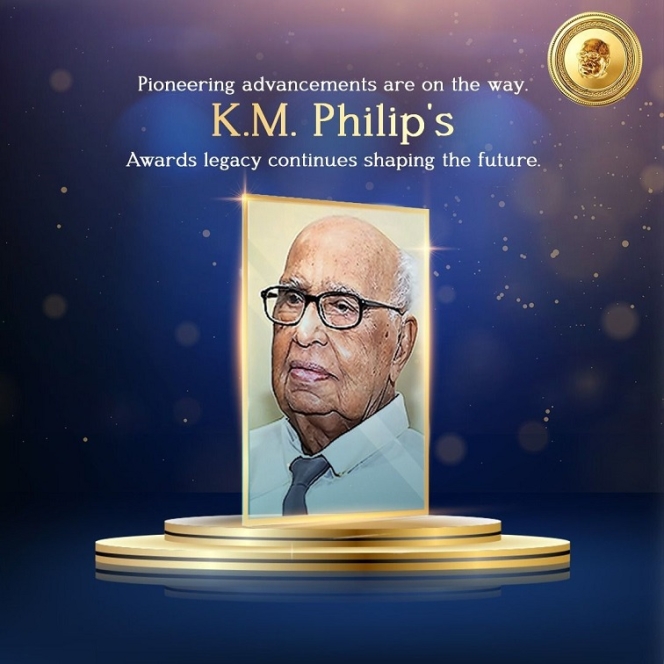
It was in 1993, the first edition of the K.M. Philip Gold Medal was instituted to recognise and honour contribution of individuals that have made a mark in the Indian rubber industry. The biennial award is presented under the aegis of the All India Rubber Industries Association (AIRIA). Since 1993 and till 2019, AIRIA has given this award to 13 distinguished individuals for their contribution towards the growth of the Indian rubber industry.
Philip had played a key role in establishing the Indian Rubber Manufacturer Research Association (IRMRA), helping it grow into a leading research laboratory associated with the Council of Scientific and Industrial Research (CSIR). Under his vision, IRMRA became a critical institution for tyre testing for both Indian and foreign manufacturers.
The K.M, Philip family feels that the award has served its purpose. Hence as a gracious closure and a finale event, the foundation has decided to honour three individuals/institutions/bodies with the distribution of the final K.M. Philip Gold Medal in the following three categories –
K.M. Philip Gold Medal Research and Development Award
This award recognises individuals or institutions for their contributions to research and development in the rubber industry, with a particular emphasis on innovations that promote environmental sustainability.
K.M. Philip Gold Medal Entrepreneur/Businessman for the MSME Industry Development Award
The award recognises entrepreneurs who have achieved notable success in building a business from the ground up (greenfield projects) or elevating a first-generation enterprise to a global standard. The recipient should have led their industry to a prominent position in its product segment, with a preference given to those who have reduced their business's carbon footprint.
K.M. Philip Gold Medal for Institution and Rubber Industry Brand Builder Award
The award acknowledges individuals or institutions that have significantly contributed to the growth, recognition, and brand value of the Indian rubber industry and its institutions. The recipient must have initiated and executed initiatives that enhanced the industry’s overall reputation, including infrastructural institutions.
Philip is often referred to as pioneer in the rubber industry. From founding AIRIA to receiving a National Award, his legacy continues to inspire the next generation of leaders.
The past winners of the K.M. Philip Gold Medal include –
- Late Manu M Patel (1993): Rendering services through development work, introduction of usage of synthetic rubber, technical service and training etc.
- Late W G Desai (1995): Rendering services through pioneering work in reclaim rubber, technical services and training, standardisation, assistance in growth of SSI etc.
- Late Shri S V Lathia (1997): Successful research work carried out to manufacture products, previously imported, thus saving in foreign exchange and for outstanding work in social and rural development work.
- Late R K Jain (1999): pioneering efforts and developing work in promotion of exports, import substitution, technical upgradation and setting high standards in growth of SSI etc.
- Prof Anil K Bhowmick (2001): pioneering research into the chemistry of polymers and incorporation of these new developments into technologies and outstanding contribution to imparting education to Indian rubber technologists.
- Dr Raghupati Singhania (2003): Pioneering efforts to usher in radial tyre technology to India, his foresightedness in setting up state-of-art R&D center HASETRI, his commitment to industrial growth through his leadership in numerous group companies etc.
- Dr R K Matthan (2005): pioneering efforts in technology transfer, establishment and commissioning of TSR factories, his continued association with technical development and usage of new forms of natural rubber, development of ultra safe\catheters, his continued association with IRI, IRMRA, Cochin university etc.
- Late Anil Sampat (2007): For his pioneering work in conceiving and successfully organising IRE and providing a platform to the rubber industry to expose its latest technology and to facilitate two way technical exchange and trade, his entrepreneurial qualities in rubber, footwear and textile industries etc.
- Late R K Raman (2011); His pioneering efforts in establishing world class facility MIL Industries for manufacture of rubber lining coupled with using cold bond process for first time in India, developing advanced technology applications of rubber products in Aerospace industries etc.
- R V Gandhi (2013): pioneering efforts in developing wide range of reclaim rubbers made from natural and synthetic elastomers, establishing GRP as the largest and most respected manufacturer of reclaim rubber in the world and putting India at the forefront of export of reclaim rubber, his initiative in developing global specifications for reclaim rubber under the aegis of ISO TC 45, his contribution to the cause of education, empowerment of women and training in ethical values etc.
- Late M F Vohra (2015): For pioneering efforts in developing Zenith Rubber into a global scale manufacturer and supplier of quality rubber sheeting and allied rubber products and exporting 80% to developed markets, for his pioneering his leadership efforts at CAPEXIL in removing impediments to exports of rubber products thereby enabling double digit annual growth of rubber products exports, etc.
- P K Mohamed (2017): For his pioneering efforts and contribution to high technology in core processes in tyre manufacturing, his pivotal role in standardising tyre dimensions, his passionate commitment to IRI and other technical bodies etc.
- Arvind Poddar (2019): For his pioneering efforts in evolving BKT from a family enterprise into one of the largest technologically sophisticated companies in the Off-Highway Tyre segment, for his commitment to use green technology, for being recipient of several Government of India Awards for R&D etc.
Panu Ärölä Returns To Tana Oy In Territory Business Manager Role
- By TT News
- October 07, 2026
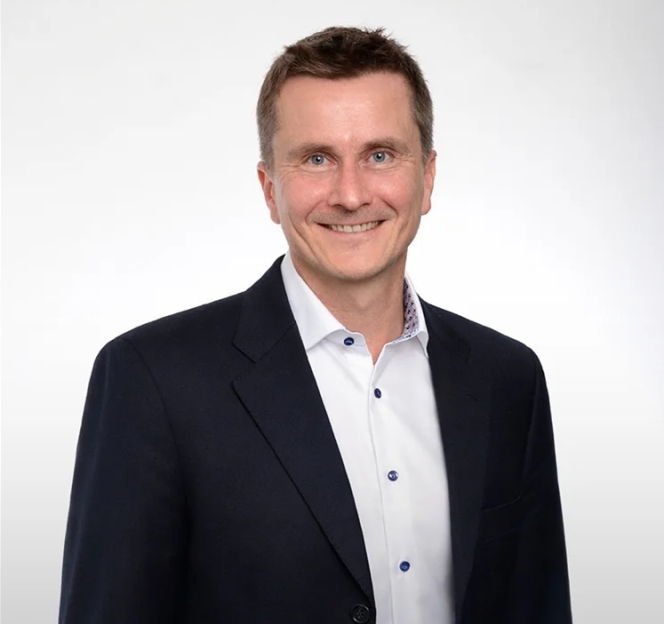
Tana Oy has appointed Panu Ärölä as its new Territory Business Manager, a role he will assume on 2 November. In this capacity, he will focus on strengthening customer and distributor relationships across designated markets while contributing to the company’s ongoing expansion within the waste management and recycling sector.
Ärölä returns to Tana after previously serving as Sales Manager, where he developed expertise in distributor network growth. His background includes extensive international experience in sales, marketing, business development and strategic leadership. Most recently, he held the position of Head of Sales and Marketing at Jet-Tekno Oy, overseeing customer relationship development and business growth initiatives.
Gerd Schreier, VP – Sales, Marketing & Channel Development, said, “We are delighted to welcome Panu back to Tana. His industry knowledge, customer focus and experience in international sales make him a valuable addition to our team. We look forward to working with him as we continue to develop our business and create value for our customers and partners.”
Schill+Seilacher Appoints Stephan Sielaff As Chief Executive
- By Sharad Matade
- October 07, 2026
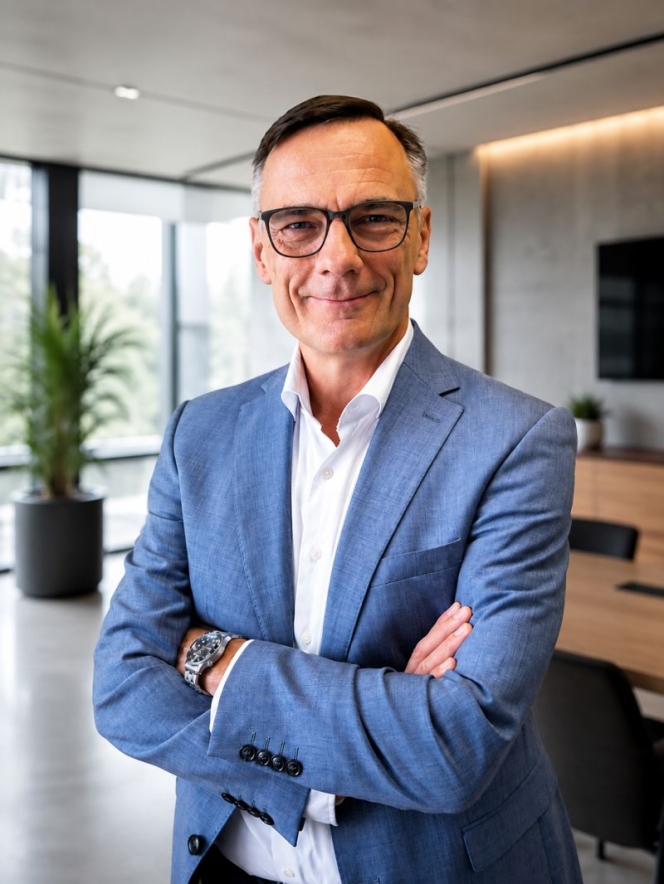
Stephan Sielaff took over as chief executive of the Schill+Seilacher Group on 1st October , as the chemicals group seeks to strengthen links between its businesses and focus more closely on customer needs.
Sielaff brings about 30 years of experience in developing international businesses and organisations. His previous roles include positions at Unilever, Symrise, Archroma, Lenzing AG and SSI SCHÄFER Plastics.
His priorities at Schill+Seilacher include getting closer to customers, encouraging greater knowledge-sharing across the group and making better use of capabilities across its businesses and locations.
“A good product alone is no longer enough. What matters is the value we create for our customers,” says Stephan Sielaff.
The group said it would seek to share knowledge, pursue opportunities jointly and strengthen connections between its locations and business areas.
Sielaff's appointment is intended to support a more integrated approach across the group as it develops its businesses in the years ahead.
Toyo Tire Announces Leadership Changes At Americas, Nitto US Units
- By TT News
- October 06, 2026
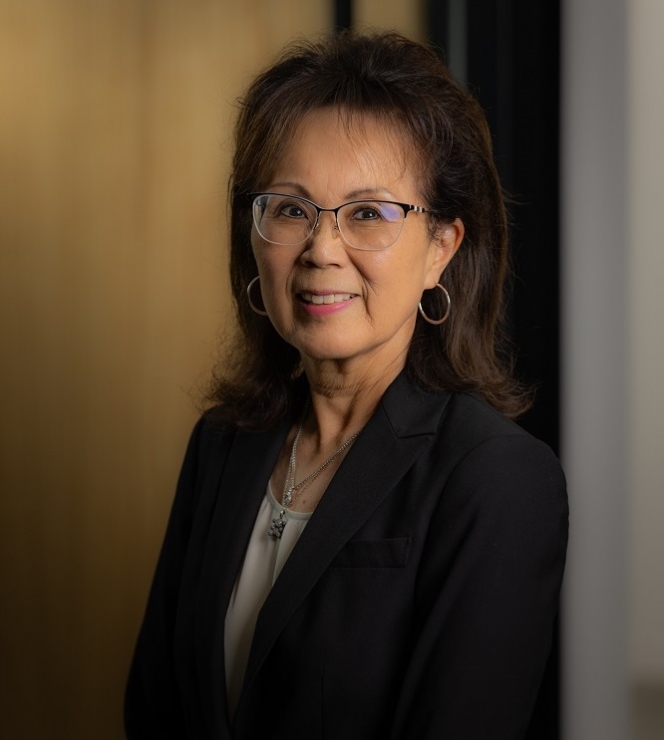
Toyo Tire Corporation of Japan (Toyo Tire) has announced executive appointments at Toyo Tire Holdings of Americas Inc. (TTHA) and Nitto Tire U.S.A. Inc. (NTU), effective 1 October 2026. Keiko Brockel has become President and Chief Executive Officer at TTHA, while Angelo Naval has beeen promoted to President and Chief Executive Officer at NTU.
Brockel, the first woman and first American to hold the TTHA role, will oversee daily North American business operations. She joined NTU in 2008 and previously served as its President and Chief Executive Officer and President and Chief Operations Officer. Over 18 years at NTU, she has held various executive leadership positions, providing strategic oversight in sales, finance, supply chain and operations, contributing significantly to the company's growth and evolution.
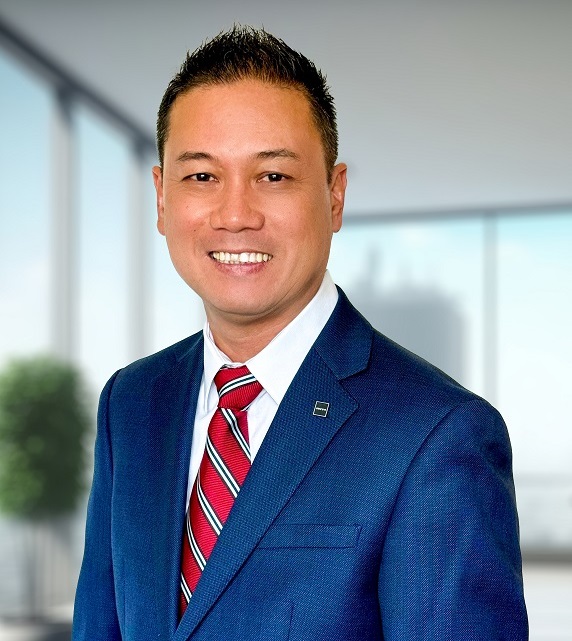
Angelo Naval
Naval, formerly Vice President of Sales and Business Strategy at NTU, will now oversee its business operations. He joined NTU in 2000 and also served as Vice President of Product and Business Strategy. During his 24 years with the company, he has been instrumental in shaping the business, gaining deep understanding and a unique perspective on the Nitto brand, its customers and the markets it serves.
Takashi Shimizu, President & CEO, Toyo Tire Corporation, said, “On behalf of Toyo Tire, I would like to congratulate both Keiko Brockel and Angelo Naval on their well-earned new appointments and thank them for their invaluable contributions to the growth and success of Nitto Tire in the American market.”
ContiTech Appoints Amanda Lacerda As Head Of Communications
- By TT News
- October 06, 2026
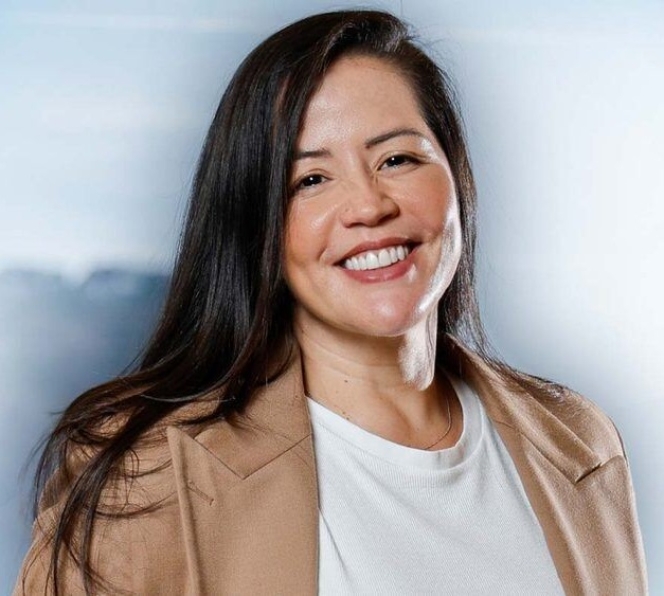
ContiTech, the group sector of Continental, has named Amanda Lacerda as its new Head of Communications, with effect from 15 September 2026. In this capacity, she will report directly to Diana Hoppe, who serves as Head of Human Relations and Communications at ContiTech. The appointment places Lacerda at the helm of the organisation’s global communications operations.
In her new position, Lacerda will act as a strategic partner focused on advancing business performance, transformation and brand value. Her responsibilities encompass corporate, executive and brand communications, alongside media and public relations, public affairs, employee communications and reputation management. She is tasked with maintaining a consistent narrative that bolsters ContiTech’s global reputation and aligns with its business priorities and strategic ambitions. Lacerda takes over from Claudia Lademann-Fleger, who has chosen to depart the company for external opportunities.
Lacerda arrives with over two decades of experience in communications, marketing, and public affairs. Her global leadership background includes roles across Brazil, Middle East, Sweden and Germany. Over her career, she has engaged with diverse international markets and industries, assisting organisations in strengthening their brands, managing change and cultivating meaningful relationships with key stakeholders.
Diana Hoppe, Head of Human Relations and Communications, ContiTech, said, “Effective communication plays a key role as ContiTech continues its transformation and prepares for its future as a standalone company. Amanda brings extensive international experience, strategic insight and domain expertise in communications that will help strengthen our brand, enhance our reputation and deepen engagement with employees, customers, partners and communities around the world. As we continue to build a strong and distinctive brand, her leadership will be instrumental in advancing our strategic ambitions and long-term success. I also want to thank Claudia for her many years of dedicated leadership and service to ContiTech, and I wish her every success in the future.”
Lacerda said, “I am excited to join ContiTech at such an important moment in its journey. ContiTech has a strong heritage, talented people and a clear vision for the future. I look forward to working with colleagues around the world to tell our story, support the company’s transformation and help create value through clear, authentic and engaging communications.”

Comments (0)
ADD COMMENT