

- International Rubber Study Group
- IRSG
- Global Labour Market Conference
- GLMC
- Labour Market Challenges
- Professor Joseph Adelegan
IRSG Secretary-General Professor Joseph Adelegan To Address At GLMC In Riyadh
- By TT News
- November 15, 2024
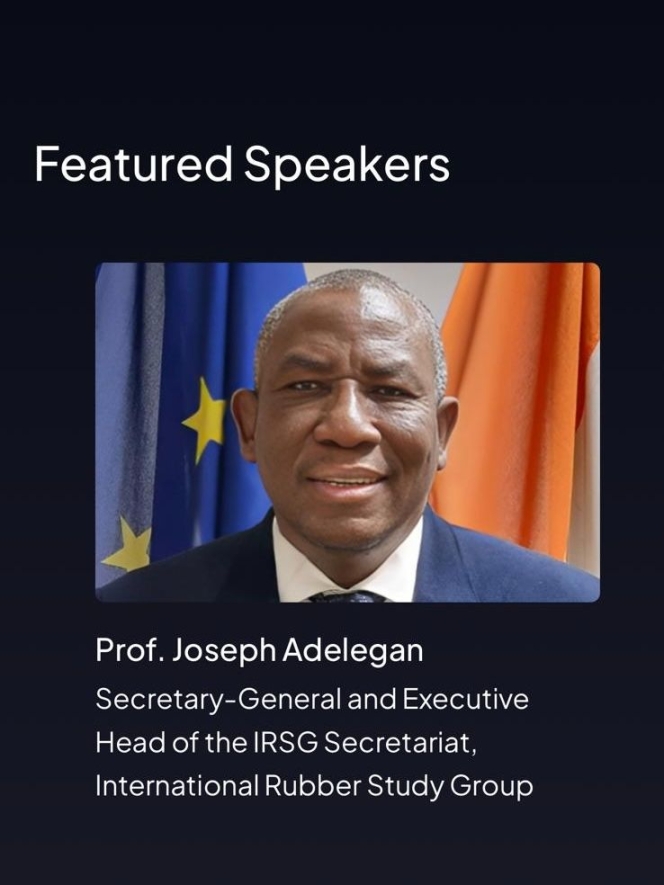
Professor Joseph Adelegan, Secretary-General of the International Rubber Study Group (IRSG), has been confirmed as a featured speaker at the 2nd Edition of the Global Labour Market Conference (GLMC), which is slated to be held in Riyadh, Saudi Arabia, on 29-30 January 2025.
The theme of this year's edition is ‘Inspiring Innovative Global Solutions to Labour Market Challenges’, which will further delve into six important topics related to the complex issue. The main points slated to be discussed in the conference include upskilling and reskilling of the workforce, bridging the gap between young workers’ aspirations and expectations, formulating smart policies to help identify and signal in demand skills, rolling out drivers of productivity universally to create a more level field, improving the supply of green skills through enhanced demand forecasting and training to create more green jobs and the role of SMEs in generating more meaningful and productive jobs.
The GLMC is a leading platform bringing together policymakers, employee representatives, business leaders, researchers and youth to tackle critical labour market challenges. This collaborative approach is essential for establishing a more equitable and advantageous environment for everyone, since the workforce is being impacted by rapid worldwide developments. Professor Adelegan's experience will be important in addressing the intricate problems that the global workforce faces.
Panu Ärölä Returns To Tana Oy In Territory Business Manager Role
- By TT News
- October 07, 2026
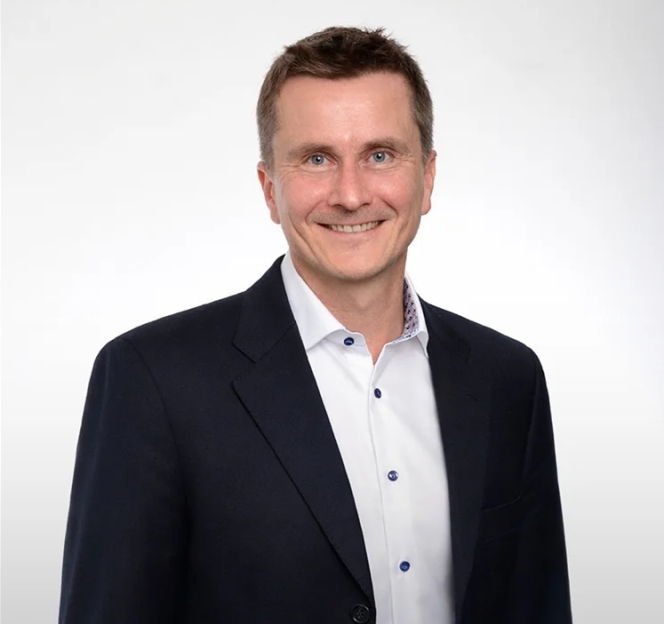
Tana Oy has appointed Panu Ärölä as its new Territory Business Manager, a role he will assume on 2 November. In this capacity, he will focus on strengthening customer and distributor relationships across designated markets while contributing to the company’s ongoing expansion within the waste management and recycling sector.
Ärölä returns to Tana after previously serving as Sales Manager, where he developed expertise in distributor network growth. His background includes extensive international experience in sales, marketing, business development and strategic leadership. Most recently, he held the position of Head of Sales and Marketing at Jet-Tekno Oy, overseeing customer relationship development and business growth initiatives.
Gerd Schreier, VP – Sales, Marketing & Channel Development, said, “We are delighted to welcome Panu back to Tana. His industry knowledge, customer focus and experience in international sales make him a valuable addition to our team. We look forward to working with him as we continue to develop our business and create value for our customers and partners.”
Schill+Seilacher Appoints Stephan Sielaff As Chief Executive
- By Sharad Matade
- October 07, 2026
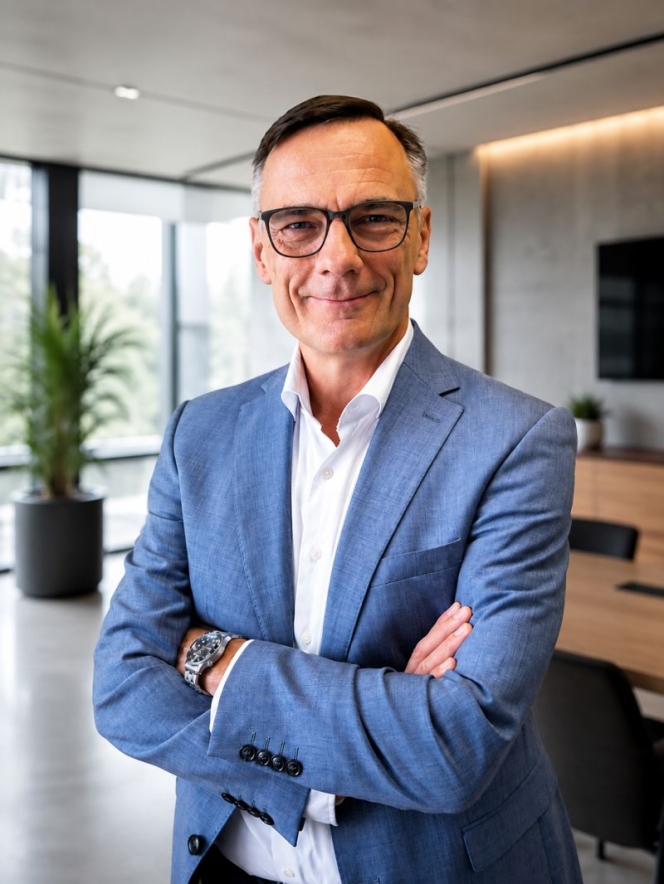
Stephan Sielaff took over as chief executive of the Schill+Seilacher Group on 1st October , as the chemicals group seeks to strengthen links between its businesses and focus more closely on customer needs.
Sielaff brings about 30 years of experience in developing international businesses and organisations. His previous roles include positions at Unilever, Symrise, Archroma, Lenzing AG and SSI SCHÄFER Plastics.
His priorities at Schill+Seilacher include getting closer to customers, encouraging greater knowledge-sharing across the group and making better use of capabilities across its businesses and locations.
“A good product alone is no longer enough. What matters is the value we create for our customers,” says Stephan Sielaff.
The group said it would seek to share knowledge, pursue opportunities jointly and strengthen connections between its locations and business areas.
Sielaff's appointment is intended to support a more integrated approach across the group as it develops its businesses in the years ahead.
Toyo Tire Announces Leadership Changes At Americas, Nitto US Units
- By TT News
- October 06, 2026
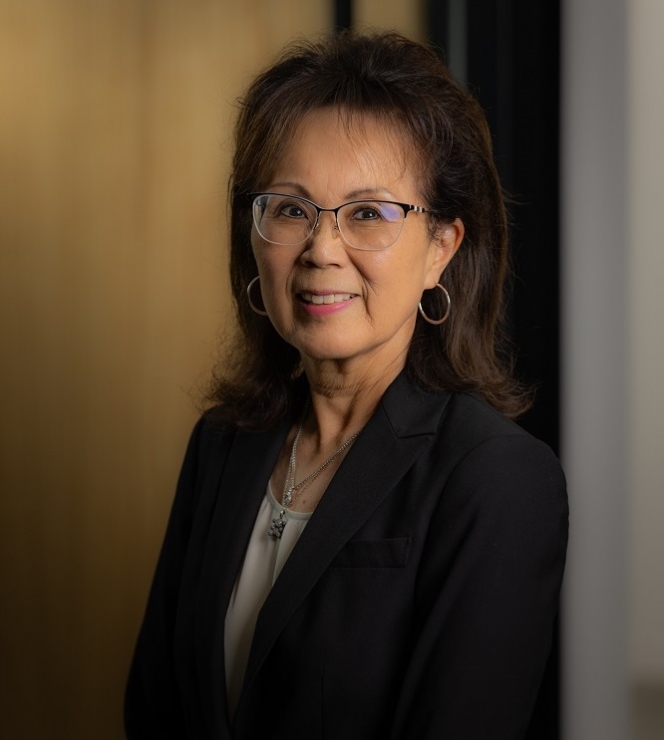
Toyo Tire Corporation of Japan (Toyo Tire) has announced executive appointments at Toyo Tire Holdings of Americas Inc. (TTHA) and Nitto Tire U.S.A. Inc. (NTU), effective 1 October 2026. Keiko Brockel has become President and Chief Executive Officer at TTHA, while Angelo Naval has beeen promoted to President and Chief Executive Officer at NTU.
Brockel, the first woman and first American to hold the TTHA role, will oversee daily North American business operations. She joined NTU in 2008 and previously served as its President and Chief Executive Officer and President and Chief Operations Officer. Over 18 years at NTU, she has held various executive leadership positions, providing strategic oversight in sales, finance, supply chain and operations, contributing significantly to the company's growth and evolution.
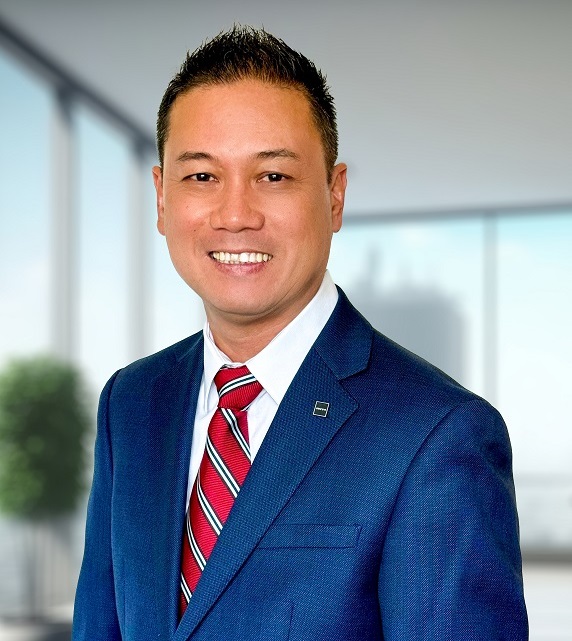
Angelo Naval
Naval, formerly Vice President of Sales and Business Strategy at NTU, will now oversee its business operations. He joined NTU in 2000 and also served as Vice President of Product and Business Strategy. During his 24 years with the company, he has been instrumental in shaping the business, gaining deep understanding and a unique perspective on the Nitto brand, its customers and the markets it serves.
Takashi Shimizu, President & CEO, Toyo Tire Corporation, said, “On behalf of Toyo Tire, I would like to congratulate both Keiko Brockel and Angelo Naval on their well-earned new appointments and thank them for their invaluable contributions to the growth and success of Nitto Tire in the American market.”
ContiTech Appoints Amanda Lacerda As Head Of Communications
- By TT News
- October 06, 2026
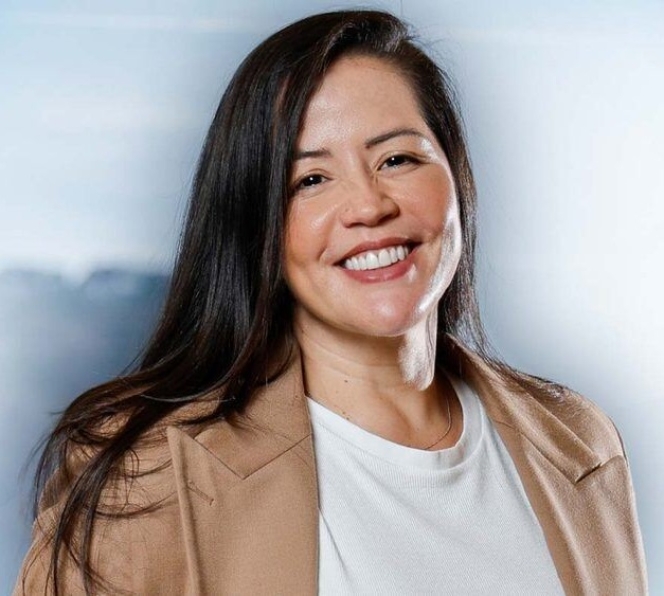
ContiTech, the group sector of Continental, has named Amanda Lacerda as its new Head of Communications, with effect from 15 September 2026. In this capacity, she will report directly to Diana Hoppe, who serves as Head of Human Relations and Communications at ContiTech. The appointment places Lacerda at the helm of the organisation’s global communications operations.
In her new position, Lacerda will act as a strategic partner focused on advancing business performance, transformation and brand value. Her responsibilities encompass corporate, executive and brand communications, alongside media and public relations, public affairs, employee communications and reputation management. She is tasked with maintaining a consistent narrative that bolsters ContiTech’s global reputation and aligns with its business priorities and strategic ambitions. Lacerda takes over from Claudia Lademann-Fleger, who has chosen to depart the company for external opportunities.
Lacerda arrives with over two decades of experience in communications, marketing, and public affairs. Her global leadership background includes roles across Brazil, Middle East, Sweden and Germany. Over her career, she has engaged with diverse international markets and industries, assisting organisations in strengthening their brands, managing change and cultivating meaningful relationships with key stakeholders.
Diana Hoppe, Head of Human Relations and Communications, ContiTech, said, “Effective communication plays a key role as ContiTech continues its transformation and prepares for its future as a standalone company. Amanda brings extensive international experience, strategic insight and domain expertise in communications that will help strengthen our brand, enhance our reputation and deepen engagement with employees, customers, partners and communities around the world. As we continue to build a strong and distinctive brand, her leadership will be instrumental in advancing our strategic ambitions and long-term success. I also want to thank Claudia for her many years of dedicated leadership and service to ContiTech, and I wish her every success in the future.”
Lacerda said, “I am excited to join ContiTech at such an important moment in its journey. ContiTech has a strong heritage, talented people and a clear vision for the future. I look forward to working with colleagues around the world to tell our story, support the company’s transformation and help create value through clear, authentic and engaging communications.”




Comments (0)
ADD COMMENT