

- INDIAN TYRE INDUSTRY
- TYRE RETREADING
- BIS STANDARDS
- IS 15704
- ECE R109
- CIRCULAR ECONOMY
- MSME CHALLENGES
- AUTOMOTIVE REGULATION
- CARBON REDUCTION
- FREIGHT
- LOGISTICS
Retreading Hangs In Balance Over Regulatory Conundrum
- By Gaurav Nandi
- December 30, 2025
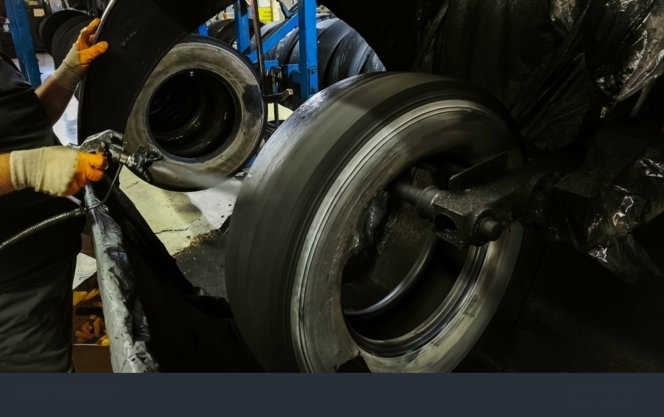
Tyre retreading
A population of over 1.4 billion people catapulting into the world’s third largest automobile market with four million trucks plying across a road network of 6.3 million kilometres supported by a USD 13.4 billion tyre market and a mining sector contributing around 2–2.5 percent of the country’s GDP demonstrate the strength of India’s automobile, freight and tyre sectors.
The story doesn’t end there as the Central Government adopts a strategic approach on reducing carbon emissions across these verticals, especially automobile and tyres, with targets such as the Net Zero Carbon Emissions by 2070, battery electric vehicles target by 2030, zero-emission truck corridors, Extended Producer Responsibility for the tyre sector; the list just goes on.
Amidst all such statistics and targets, a silent spectator remains the old and varied sector of tyre retreading. In a recent news story reported by Tyre Trends, the Indian Tyre Technical Advisory Committee (ITTAC) had made a proposal to Tyre Retreading Education Association (TREA) for mandating certain standards that will improve the quality of retreads. ITTAC has made recommendations to the BIS committee. TREA is part of the same committee. ITTAC and TREA are recommending different standards.
These standards included BIS retread standards, namely IS 15725, IS 15753, IS 15524 and IS 9168. The ITTAC had partially aligned Indian requirements with ECE R109, the European regulatory benchmark.
In a reply to the proposal, which was accessed by Tyre Trends, TREA urged the Indian Tyre Technical Advisory Committee to seek a deferment or non-applicability of BIS standard IS 15704:2018 for retreaded commercial vehicle tyres, warning that mandatory enforcement could cripple the sector.
In the letter, TREA argued that IS 15704:2018 is largely modelled on new tyre manufacturing norms and is technically unsuitable for retreading, which is a restoration and recycling process.
The standard mandates advanced laboratory tests such as spectrometer-based rubber analysis, endurance testing and compound uniformity checks, requirements that most retreading units, particularly small and medium enterprises, are not equipped to meet
The association highlighted that even large retreaders lack the infrastructure and skilled manpower needed for BIS-grade testing, while the sheer number of retreading units would make inspections and certifications operationally unmanageable for regulators.
TREA warned that compliance costs linked to machinery upgrades, audits and quality control could force 70–80 percent of units to shut down, leading to job losses, higher fleet operating costs and adverse environmental outcomes due to reduced recycling
Instead, TREA proposed that BIS prioritise retreading-specific standards such as IS 13531 and IS 15524, which focus on materials, process control, safety and quality consistency.
The body has also called for a phased transition roadmap, MSME support and industry training before any stricter norms are enforced, stressing that abrupt implementation would undermine the sector’s role in India’s circular economy.
The conundrum
India has a total of 36 administrative divisions comprising 28 states and 8 union territories. The tyre retreading sector has been continuously supporting circularity goals since the early 1970s across the world’s largest economy without getting mainstream recognition.
Even after five decades in service, the industry battles different bottlenecks including fragmentation, manpower shortage, tax pressures brought about by the recent GST revisions and now the implementation of such standards, just to name a few.
The sole practice that can simultaneously reduce carbon emissions from tyres and extend tyre life is assumed the nemesis of an ‘infamous and dangerous practice’ in some states of the country.
However, the industry has been drawing its techniques and quality parameters from the world’s oldest retreading economy, Europe.
“Big retreaders in India already have the necessary processes in place that conform to IS 15524 standards. However, as the standard is not yet mandated, we have voiced support for it because it is process-oriented and outlines how retreading should be carried out, including buffing and building procedures,” said TREA Chairman Karun Sanghi.
He added, “This standard focuses on how the work is done rather than imposing product-level testing that cannot be practically implemented. The current debate on IS 15704 stems from it being fundamentally incompatible. The standard includes requirements such as sidewall marking and destructive testing of retreaded tyres, which are impractical in a retreading environment where each tyre differs in brand, size, application and usage history,” he added.
Destructive testing, he argued, assumes uniform batch sizes. In retreading, where every casing is unique, testing even a single tyre would mean destroying finished products without yielding representative results. Applying such a framework would effectively require the destruction of every tyre in a batch, making compliance unviable.
“We have submitted our response to ITTAC and are awaiting feedback from the committee. We remain open to continued dialogue and will engage further once the committee responds to our submission,” said Sanghi.
According to him, a typical retreader processes about 300 tyres a month across multiple brands including MRF, JK Tyre, Apollo and Michelin and applications ranging from buses and trucks to mining vehicles. These casings vary widely in load cycles, operating conditions and duty patterns, often across several models from the same manufacturer.
The committee has cited European standard ECE R109, but Sanghi points to structural differences: “Europe is a global retreading hub where tyre manufacturers such as Michelin and Bridgestone dominate operations, collect their own tyres, retread them and return them to fleets, making batch-based destructive testing relevant. A similar model exists in US, where large tyre companies lead retreading and largely self-regulate without a single overarching standard. The Indian scenario is different, especially with a fragmented market.”
He stressed that the industry is not opposed to standards but to those that cannot be practically applied, warning that adopting European manufacturing-oriented norms without accounting for India’s market structure and operating realities would be counter-productive.
The debate is no longer about whether standards are needed but whether they are fit for purpose. Without accounting for India’s fragmented retreading ecosystem, enforcing impractical norms could dismantle a circular industry in the name of compliance.
Pirelli Returns To Familiar Compound Mix For Austin's United States Grand Prix
- By TT News
- October 22, 2026
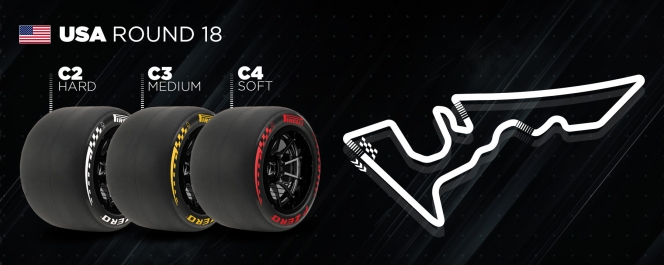
Pirelli has confirmed its tyre compound choices for the United States Grand Prix at the Circuit of the Americas, selecting the C2 as Hard, the C3 as Medium and the C4 as Soft. This marks a return to a familiar combination after the 2025 experiment that introduced an additional step between the Hard and Medium compounds. Last year the C1 served as the hardest available tyre but was unused in the race, with teams preferring one-stop strategies built around the softer C3 and C4 options. The Austin round opens a triple-header on the American continent that also includes Mexico City and São Paulo, and it stands as the second of three United States-based events this season ahead of Las Vegas.
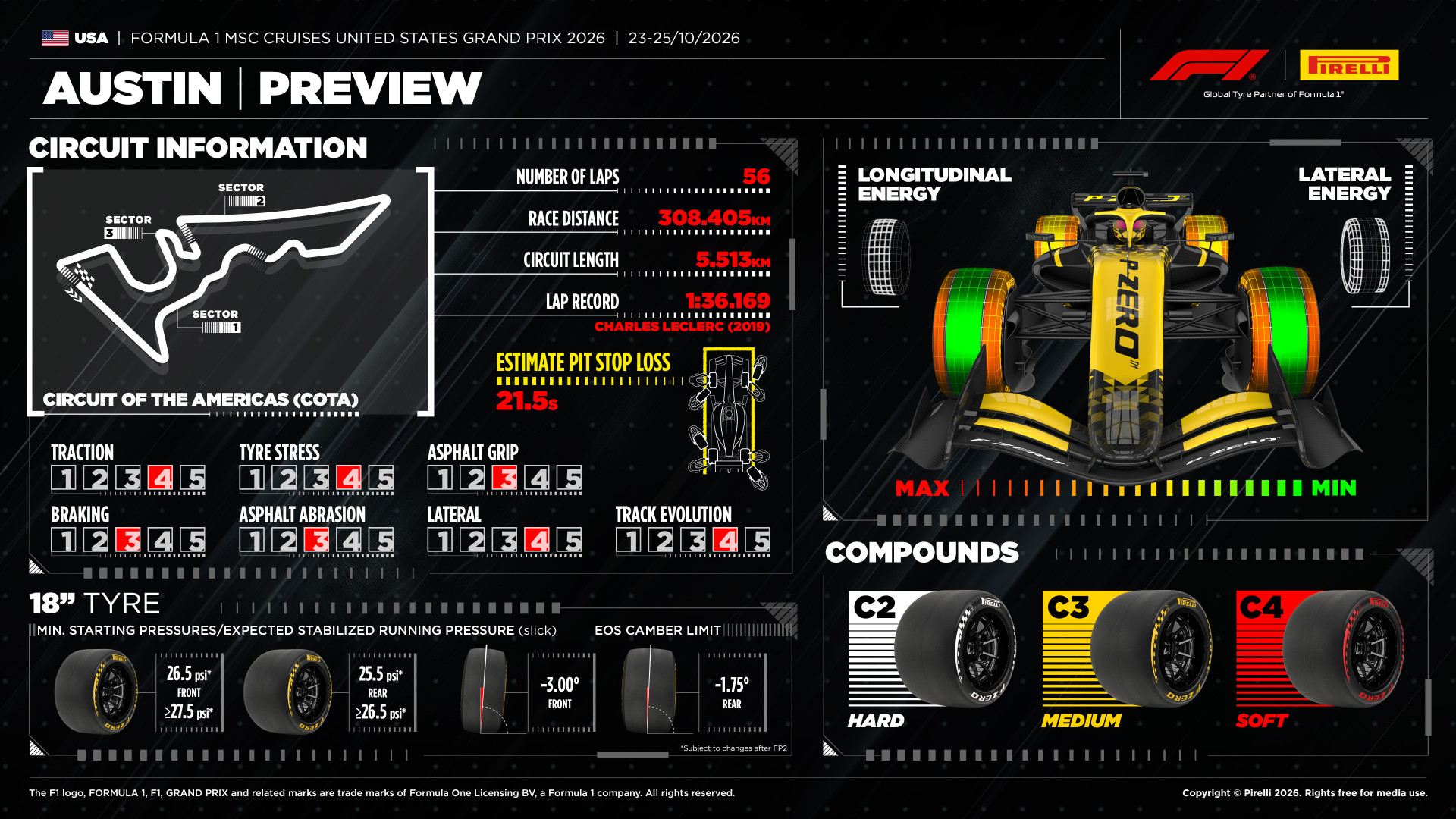
The weekend reverts to the traditional format without a Sprint, giving teams three free practice sessions to refine car balance and set-ups on a circuit that does not demand extreme compromises. The 5.513-kilometre COTA layout blends high-speed corners, rapid direction changes and slower sections requiring strong traction, so competitiveness depends on pairing straight-line speed with efficient aerodynamic load through technical passages. From a tyre perspective, the track loads both axles: the fast corners of the first sector stress the front tyres, while the acceleration zones out of slow corners in the third sector generate thermal degradation primarily at the rear.
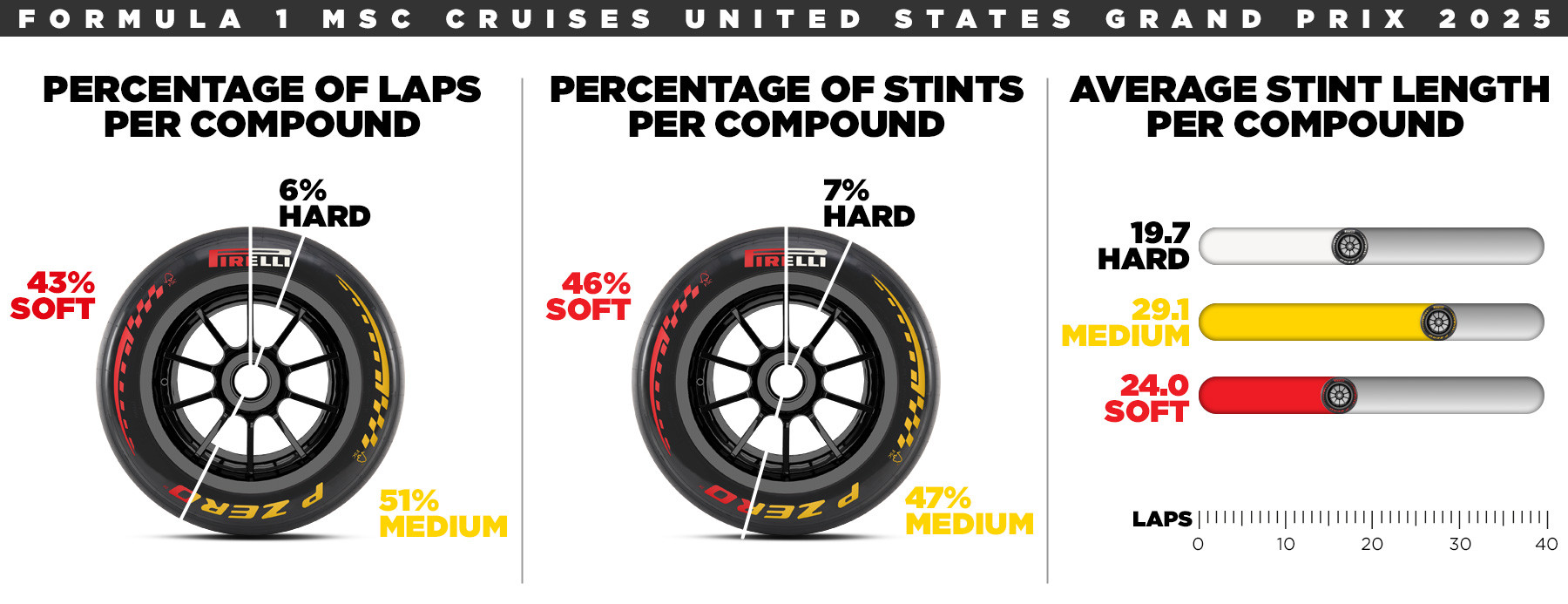
The asphalt is not especially abrasive, and a section between Turns 9 and 11 was resurfaced earlier this year, though ageing across the remainder of the circuit contributes to significant wear. Tyre wear rather than graining could therefore prove decisive, as several tyres reached very high wear values at last year's event. Strategically, the C2 Hard could favour long stints in what is likely a one-stop race, though typically high Texan temperatures may increase degradation and open alternative approaches. Medium-Soft was last year's most popular strategy, used by 13 drivers, with Charles Leclerc the lone podium finisher to start on Softs.
Austin has hosted the United States Grand Prix 13 times, though the event's total history spans 46 editions across six circuits; Lewis Hamilton leads with six victories, one shy of Michael Schumacher's record, and Ferrari holds the constructors' mark with 11 wins. The Porsche Carrera Cup North America season, supplied by Pirelli for the first time, concludes at COTA during the Grand Prix weekend, with Tyler Maxson leading the Mobil Pro standings by 27 points after Road Atlanta, though Aaron Jeansonne remains in contention with two races and bonus points available. Pirelli Design has also created a special podium cap by designer Denis Dekovic, featuring a star pattern inspired by the American flag alongside cacti and rattlesnakes as Texan desert symbols.

TyreSafe Partners With Hampshire And Isle of Wight’s PCC To Tackle Tyre-Related Road Incidents
- By TT News
- October 22, 2026
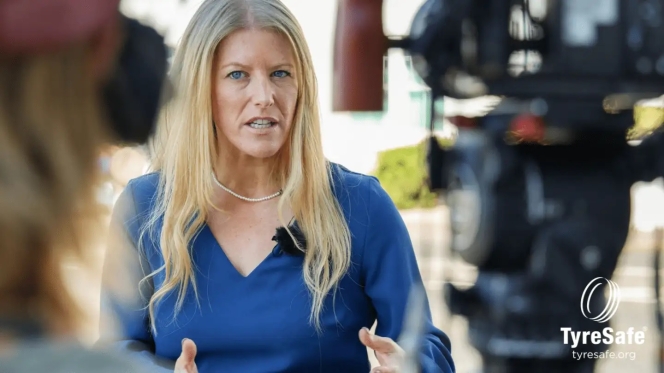
TyreSafe, UK’s leading tyre safety charity, has forged a new alliance with Donna Jones, the Police and Crime Commissioner (PCC) for Hampshire and the Isle of Wight, as part of its ongoing drive to strengthen road safety and curb tyre-related incidents nationwide. The partnership reflects the organisation's wider commitment to working with policing and other stakeholders to reduce preventable harm on UK roads.
Jones has placed road safety at the heart of her agenda, prioritising action against dangerous driving, tougher enforcement and a reduction in deaths and serious injuries on local roads. The scale of the challenge is clear from figures covering October 2024 to September 2025, during which 1,286 people were killed or seriously injured across the two areas. A dedicated Roads Policing Tasking Team, unveiled by Jones in March 2026, now targets dangerous driving and high-risk collision hotspots, focusing on the Fatal Five: speeding, drink and drug driving, mobile phone use, seatbelt non-compliance and careless driving.
In TyreSafe's view, illegal and badly maintained tyres – alongside general vehicle upkeep – deserve greater prominence within a joined-up road safety strategy that builds on existing enforcement and education programmes. The partnership opens the door to joint work between TyreSafe and the Commissioner's office on raising public awareness, encouraging responsible driving and supporting efforts to prevent avoidable road incidents. It also highlights how enforcement, education and prevention can work together, helping motorists recognise their obligations and the serious risks posed by unsafe tyres.
Crime prevention and making Hampshire and the Isle of Wight among the safest places to live nationally have also been flagged as priorities by the Commissioner. TyreSafe intends to use the partnership to back broader road safety work in the region while deepening its collaboration with policing and other stakeholders across the country, all in support of its Vision Zero goal of eliminating harm to road users caused by illegal and poorly maintained tyres.
Jones said, “Tyre safety is an essential part of keeping our roads safe. Illegal and poorly maintained tyres can put drivers, passengers and other road users at serious risk, and it is important that we do more to raise awareness of these dangers. I welcome the opportunity to work with TyreSafe to help educate drivers, encourage regular tyre checks and support efforts to prevent avoidable collisions. By working together on education, prevention and enforcement, we can help make Hampshire and the Isle of Wight’s roads safer for everyone.”
Stuart Lovatt, Chairman, TyreSafe, said, “Working with police forces and Police and Crime Commissioners is an important part of our ambition to reduce tyre-related incidents and make our roads safer. Our four strategic goals set out the changes we believe are needed, from improving enforcement and driver education to strengthening the evidence available to policymakers. We welcome the opportunity to work with Donna Jones and her team to explore how we can support greater awareness of tyre safety and encourage practical action to address the risks posed by illegal and poorly maintained tyres.”
Kumho Tire USA Broadens Original Equipment Portfolio Across North America
- By TT News
- October 21, 2026
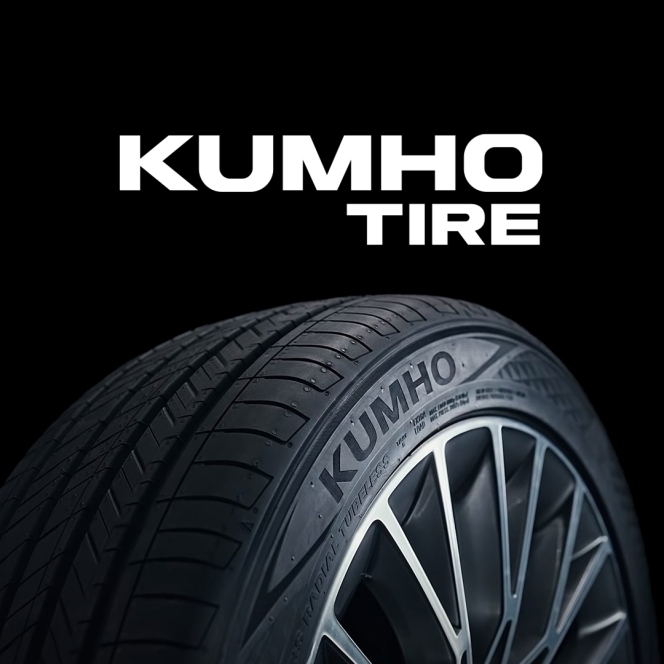
Kumho Tire USA continues to strengthen its position as a major supplier to automakers worldwide, now providing original equipment tyres to over 40 vehicle platforms across nine brands in North America, including Nissan, Hyundai, Kia, Audi and Volkswagen. The expansion reflects growing confidence among manufacturers in the company's engineering and product quality.
The tyre maker was recently chosen as the exclusive OE supplier for Hyundai IONIQ 5 vehicles joining Waymo's next-generation robotaxi fleet in the United States. Such autonomous fleets require tyres that maintain consistent performance across thousands of miles of continuous use, with durability, efficiency and ride comfort proving essential. The Crugen EV HP71 was developed to meet both the demands of high-utilisation fleets and the specific requirements of electric vehicles.
Kumho also secured OE supply deals for select Nissan Rogue and Frontier models sold across North America, extending its longstanding relationship with the automaker. The Rogue will carry the Crugen HP71 all-season touring tyre, while the Frontier will be fitted with the new Road Venture HT all-season highway-terrain tyre, strengthening Kumho's foothold in the SUV and pickup segments.
The Crugen HP71 offers quiet, comfortable driving with year-round capability for CUV and SUV owners, using wide circumferential grooves and micro-serration technology for wet traction and hydroplaning resistance. Its EV variant accommodates heavier electric vehicles, reduces rolling resistance, handles instant torque and incorporates K-Silent sound-absorbing foam. The Road Venture HT, built for pickups and SUVs, delivers improved wet and snow traction and a 10 percent tread-life gain over its predecessor, along with Three-Peak Mountain Snowflake certification.
Shawn Denlein, President – Sales and Marketing, Kumho Tire USA, said, “We are excited to continue strengthening our OE partnerships through new fitments with both Nissan and Hyundai. The Crugen HP71 and its EV counterpart, along with the Road Venture HT, were engineered to deliver reliable, consistent performance for SUV and pick-up drivers. These selections reflect the confidence both Nissan and Hyundai place in KUMHO's engineering and manufacturing expertise.”
Continental Unveils Pogačar-Branded Collector's Edition Grand Prix 5000 S TR Road Tyre
- By TT News
- October 21, 2026

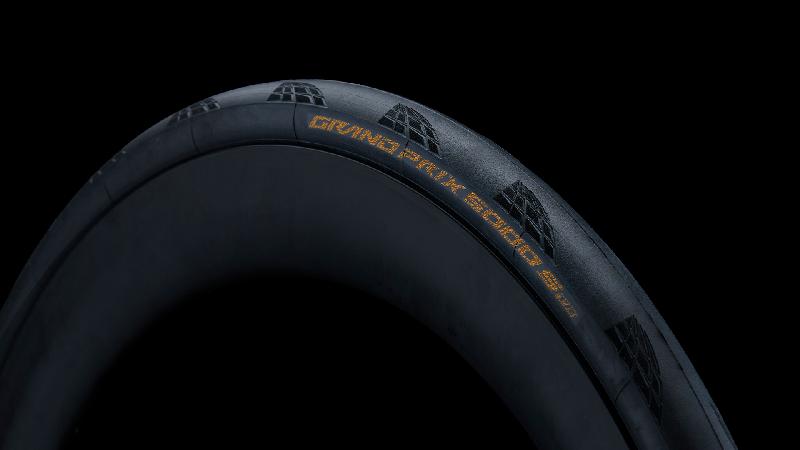
Continental has introduced a Collector's Edition of its Grand Prix 5000 S TR road tyre, a benchmark product developed alongside Tadej Pogačar, the multiple World Champion and Tour de France winner. The limited release sits within the company's ‘Share the Road’ campaign, which seeks to advance road safety, mutual respect and harmonious coexistence among all road users while delivering top-tier performance.
At the heart of the effort is ‘Pogi’, a figure the brand and Pogačar devised together. Appearing across a set of animated stories, the character conveys the central idea that the roads belong to everyone. Each limited-edition tyre package also includes a physical Pogi collectible, extending the character beyond the screen.

The 30-622 tyre carries custom Pogačar branding, including a dedicated Pogi logo and hundreds of miniature Tadej Pogačar logos worked subtly into the Grand Prix 5000 S TR lettering. It retains Continental's benchmark technologies – the BlackChili Compound, Vectran Breaker, Active Comfort Technology and Lazer Grip – and is aimed at both cycling enthusiasts and collectors.
Hannah Ferle, Road Product Manager, Continental Tires, said, “The trust placed in us by world-class athletes like Tadej is both an honour and an incentive. With the Grand Prix 5000 S TR Pogačar Edition, we wanted to bring together our race-proven road performance with a meaningful initiative. Every tyre is crafted with precision to deliver the optimal balance of speed, grip and reliability while celebrating our shared commitment to making roads safer for every rider.”

Comments (0)
ADD COMMENT