

CEAT Steps Up Capex as Strong FY26 Performance Meets Rising Cost Pressures
- By Sharad Matade
- May 05, 2026
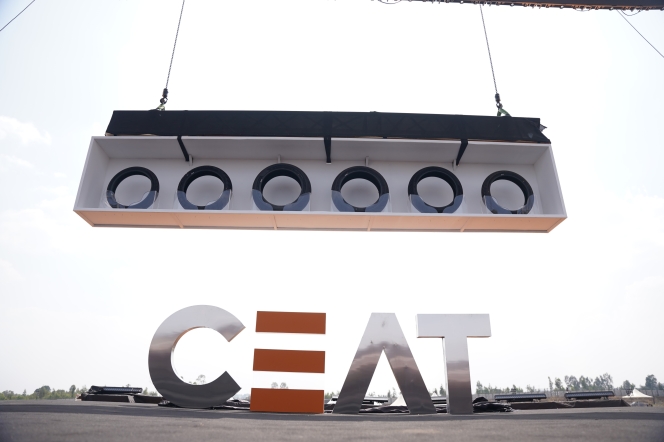
CEAT Limited plans to invest INR 13-14 billion in fiscal 2027 to expand capacity and support growth, as the tyre maker rides strong momentum from a record FY26 while preparing for a near-term squeeze from raw material inflation.
The capital expenditure programme—up roughly 25 percent from the previous year—comes as capacity utilisation remains elevated at 85–90 percent across categories, necessitating incremental investments to meet demand.
Chief Executive Arnab Banerjee said the company would remain “careful” in the first quarter amid volatile input costs and macro uncertainty, before scaling up spending as conditions stabilise.
Additional investments are also being channelled into integrating the CAMSO off-highway tyre business, with about USD 30 million earmarked for upstream capabilities such as compound mixing and calendering. The integration is expected to be completed by the end of FY27, unlocking margin benefits from FY28.
Record year underpins expansion
The investment push follows a strong FY26 in which CEAT delivered double-digit growth across segments.
Standalone revenue rose 15.5 percent for the full year, while fourth-quarter revenue grew 18.2 percent, crossing INR 150 billion in annual revenue for the first time.
Growth was driven by a combination of volume expansion and pricing, aided by GST rationalisation that improved affordability and boosted demand across replacement and OEM channels.
Replacement demand remained robust, particularly in two-wheelers, while OEM growth was led by passenger vehicles and farm equipment. International operations also rebounded strongly, with high growth in Europe and the U.S.
Profitability milestones
CEAT crossed a key profitability threshold, with EBITDA exceeding INR 20 billion for the first time and margins holding at 13.4 percent for the full year.
Net profit stood at INR 8.12 billion, supported by operating leverage, cost discipline and an improved product mix.
Finance chief Kumar Subbiah said the company’s balance sheet remains “strong enough to provide growth capital”, with debt levels stable at around INR 30 billion and leverage metrics improving.
Global expansion and premium focus
CEAT is deepening its international footprint, setting up local entities in Germany, the UK, France and Poland to strengthen distribution and customer engagement.
Exports now account for over one-fifth of standalone revenue, rising further when including CAMSO, as the company expands in higher-margin markets.
The tyre maker is also focusing on premiumisation, with increased sales of larger passenger vehicle tyres and high-performance two-wheeler tyres, alongside a growing presence in electric vehicle segments.
Digital and EV strategy
The company is investing in digital infrastructure, including a centralised data lake and AI-led analytics capabilities, aimed at improving operational efficiency and decision-making.
In electric mobility, CEAT holds about 29 percent share in passenger EV OEM tyres and 18% in electric two-wheelers, positioning itself to benefit from the sector’s growth.
Cost headwinds loom
Despite strong fundamentals, CEAT faces mounting cost pressures.
Raw material costs—linked to crude oil and natural rubber—are expected to rise sharply, with management guiding for a 15 percent increase in the first quarter of FY27.
To mitigate the impact, the company is implementing price increases of up to 10 percent in the replacement market, though pass-through in OEM and international segments will occur with a lag.
Executives cautioned that demand may moderate as higher prices take effect, particularly in price-sensitive categories such as commercial vehicles.
Outlook
CEAT expects demand to remain broadly supportive, underpinned by rural cash flows, replacement cycles and ongoing economic activity, though growth is likely to moderate from FY26 levels.
“Structural demand drivers remain in place,” Banerjee said, adding that the company is positioned to navigate near-term volatility while sustaining long-term growth.
NOCIL Announces INR 1.3 Billion Investment To Expand Capacity At Dahej Plant
- By TT News
- August 04, 2026
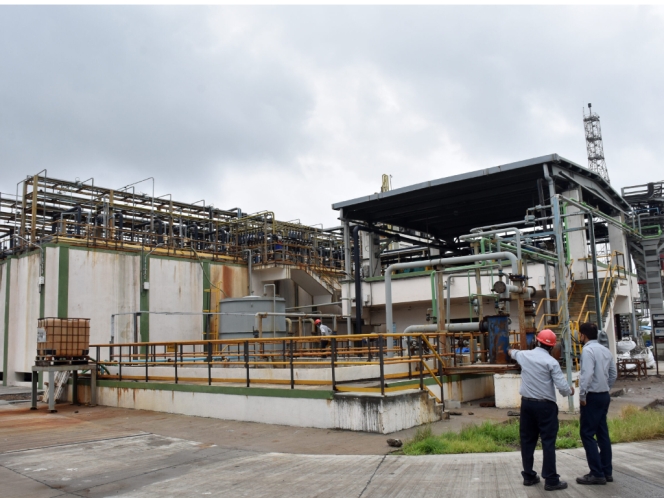
Mumbai-headquartered rubber chemicals manufacturer NOCIL has announced capacity enhancement at its Dahej plant with an additional capital infusion of INR 1.3 billion, largely funded through internal accruals. The new investment is expected to be completed by H1 FY2028.
The announcement was made on the sidelines of the company’s release of its financial results for Q1 FY2027, with revenue growing 20 percent YoY to INR 4.03 billion. It attributed the revenue growth to increased selling prices of input costs.
On the other hand, improved operating efficiency and inventory gains saw EBITDA margin rise by 210 basis points to reach 11.2 percent, while net profit grew by 61 percent to INR 280 million.
The volumes grew by 9 percent on the back of robust demand in the domestic market, following the GST 2.0 bonanza, while exports continue to see smart uptick.
The capacity enhancement at Dahej is primarily focused on expanding volumes for peak-utilisation rubber chemical products, through an integrated, backwards-integrated facility. The new investment builds on the earlier announced CAPEX outline of INR 2.5 billion already underway, wherein trial production has already commenced.
V S Anand, Managing Director, NOCIL, said, “Our performance this quarter reflects consistent execution across both our domestic and export businesses in a challenging environment. Beyond the numbers, we are equally focused on building for the future, Our expanded investment at Dahej reinforces our commitment to structured capacity augmentation, backward integration and long-term competitiveness in a market that is increasingly looking to India as a reliable manufacturing partner.”
BKT Hits Record OHT Volumes, Presses Ahead with INR 30 Bln Expansion Despite Margin Pressure
- By Sharad Matade
- July 31, 2026
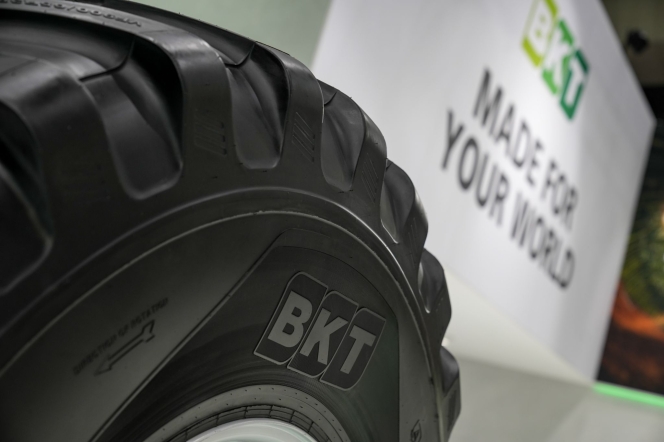
Balkrishna Industries Ltd (BKT) reported record quarterly sales volumes in its core off-highway tyre (OHT) business in the first quarter of FY27, supported by robust demand across India, Europe and the Americas, even as rising raw material costs, freight inflation and geopolitical disruptions squeezed margins.
The company posted 16 percent year-on-year growth in OHT sales volumes to 93,770 metric tonnes, while standalone revenue rose 24 percent to INR 34.09 billion. EBITDA increased to INR 7.03 billion, representing an EBITDA margin of 20.61 percent, while profit after tax reached INR 4.32 billion.
"Q1 started on a positive note for us. We delivered our highest quarterly sales volume in the OHT segment," Rajiv Poddar, Joint Managing Director, said. He noted that the performance came "despite the challenges across many international geographies and end markets, as well as within the supply chain of the world", highlighting the resilience of demand across key markets.
Management said profitability was affected by higher raw material prices stemming from global supply chain disruptions and geopolitical tensions, although the impact was partly offset through price increases introduced during the quarter.
BKT accelerates investment programme
BKT continues to advance one of the largest expansion programmes in its history.
The company has already invested approximately INR 38 billion under its broader INR 68 billion capital expenditure programme, with around INR 30 billion yet to be deployed. Of the remaining investment, INR 15-20 billion is expected to be spent during FY27 after capital expenditure of about INR 10 billion in the first quarter.
Completed projects include:
- Commissioning the second phase of its carbon black facility at Bhuj, increasing annual capacity to 360,000 tonnes, with an investment of INR 8 billion.
- Expanding captive power generation capacity from 40 MW to 64 MW, involving an investment of INR 1.25 billion.
"All the balanced CapEx projects, which are amounting to approximately INR 30 billion, are progressing as per schedule,” added Poddar.
On-highway business begins commercial rollout
Beyond its dominant OHT franchise, BKT has formally entered India's truck and bus radial (TBR) and two-wheeler tyre markets.
The company began commercial supplies after establishing its distribution network during the quarter and reported encouraging initial customer response. Although management declined to disclose revenue or volume figures given the early stage of the business, it expects sales to begin ramping up from the second quarter. "Having seeded the business in Q1, we expect a gradual ramp-up starting in Q2," Poddar said.
The long-term target remains INR 50 billion in on-highway tyre revenue by 2030. Satish Sharma, Senior President and Director of Strategy and Business Development, said FY27 would focus on expanding the portfolio before accelerating growth. "The vision statement states that INR 50 billion revenue from on-highway tyres by 2030. We're standing on that figure... FY 2028 onwards will be serious business."
India becomes larger contributor
India accounted for 40 percent of total volumes during the quarter, driven by demand from agriculture, construction, mining and industrial applications. Management said infrastructure investment and market share gains continue to support domestic growth, although margins in India remain marginally below export markets.
BKT estimates its market share at 18-19 percent in India, 7-8 percent in Europe and 3-4 percent in the United States, with inventory levels across key markets remaining normal.
Management also expects the US business to recover to its historical contribution of 15-16 percent of revenue, supported by improved tariff clarity and stronger brand positioning.
Inflation remains the principal challenge
BKT introduced approximately 5 percent price increases during the first quarter, with the full benefit expected to be realised in Q2. "We have taken on a price hike of about 5%, scattered across the various parts of the quarter. You will see the full passthrough coming in this quarter," Poddar said.
However, management said raw material costs have also increased by around 5 percent, potentially reducing margins by roughly 2 percentage points despite the pricing action.
Freight costs currently represent about 5 percent of revenue, with executives warning that continuing geopolitical tensions could lead to further increases.
The company also identified supply chain disruptions, vessel availability, container shortages, weather conditions in Europe and monsoon variability in India among the principal risks for the coming quarters.
Cabot Corporation Elevates Erica McLaughlin To President And CEO Following Keohane's Retirement
- By TT News
- July 31, 2026
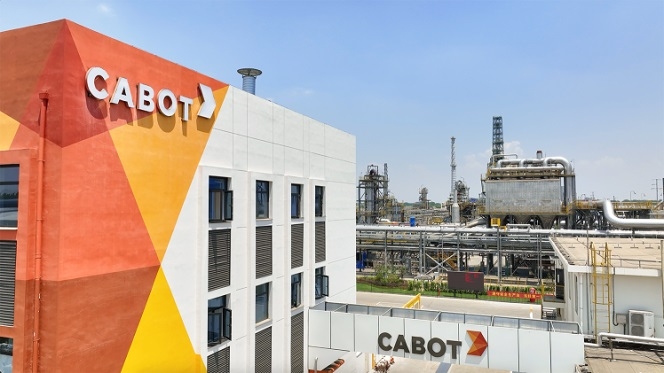
Cabot Corporation has announced a significant leadership transition, with President and Chief Executive Officer Sean Keohane set to retire from his roles and step down from the Board of Directors, effective 30 September 2026. The company has elected Executive Vice President, Chief Financial Officer and Head of Corporate Strategy Erica McLaughlin to succeed him. McLaughlin will assume the positions of President and CEO, in addition to joining the Board as a member of the class whose term concludes at the 2029 Annual Meeting of Stockholders, effective 1 October 2026.
To facilitate a seamless handover, Keohane will remain with Cabot in an advisory capacity through the end of the 2026 calendar year. Concurrent with McLaughlin’s elevation, the company has initiated a formal search process to identify her replacement as Chief Financial Officer.
McLaughlin brings over two decades of experience to her new role, having joined Cabot in 2002 and holding various senior leadership posts across finance, strategy and the Reinforcement Materials division. Since assuming her current position in 2018, she has been instrumental in shaping corporate strategy and driving operational discipline. Her prior roles included Vice President of Business Operations for Reinforcement Materials, General Manager of its tire business and Vice President of Investor Relations. Beyond Cabot, she contributes her expertise as a board member for Azenta Life Sciences and as an advisor to FM Global.
Keohane’s distinguished tenure spans nearly 25 years, with his service as President and CEO beginning in 2016. His leadership was marked by significant portfolio refinement, the strengthening of core businesses, and the successful expansion into battery materials. He also advanced the company’s sustainability agenda and commitment to operational excellence, delivering robust performance and sustained shareholder value throughout his career.
Board Chair Michael Morrow said, “Erica brings deep industry expertise and a strong understanding of Cabot’s businesses, markets and global operations. This experience, coupled with her commitment to the company’s long-term strategic priorities, positions her exceptionally well to lead Cabot. Our decision to appoint Erica as the next President and CEO reflects a thoughtful and deliberate succession planning process. Her deep knowledge of the organisation and commitment to the values and culture that have been integral to Cabot’s success will provide continuity as we execute this leadership transition. We believe she brings the leadership, discipline and strategic clarity needed to lead Cabot forward and deliver on our long-term vision.
“The Board is deeply appreciative of Sean’s exceptional leadership and distinguished career at Cabot. We extend our congratulations on a well-deserved retirement. During his tenure as CEO, Sean provided strong, steady and thoughtful leadership, focusing the company’s portfolio around its core businesses and advancing new strategic long-term growth priorities. His collaborative leadership style has strengthened our organisation and leadership team, leaving a strong foundation for continued success in the years ahead.”
McLaughlin said, “I am deeply honoured to succeed Sean as President and CEO and lead Cabot into our next chapter. Having been at Cabot for close to 25 years, I know firsthand the strength of our people and our businesses. I look forward to working with the Board and our global team to build on our success, grow the company by supporting our customers with innovative chemistry solutions to advance their businesses and create value for our stockholders.”
Keohane said, “It has been a tremendous privilege to lead Cabot and to work alongside such a talented and dedicated global team. I am incredibly proud of what we have accomplished together and the foundation we have created. I am confident Cabot is in excellent hands under Erica’s leadership. We have worked side by side for almost my entire tenure as CEO and I have seen first-hand her strong leadership, operational discipline and sharp strategic mind. Erica is a trusted and highly capable leader with deep knowledge of our business and a commitment to our people, the culture and the unique heritage of this great company. I look forward to supporting a seamless transition in the months ahead.”
ReMA President Robin Wiener Joins Tire Recycling Foundation Board Of Directors
- By TT News
- July 30, 2026
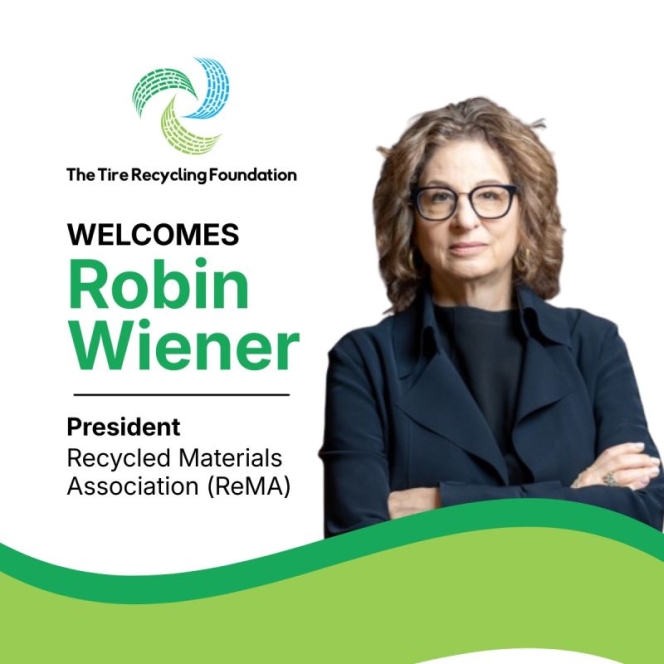
Robin Wiener, President of the Recycled Materials Association (ReMA), has been appointed to the Board of Directors of the Tire Recycling Foundation (TRF). Her appointment recognises her leadership within both the recycled materials and tyre manufacturing sectors. In this new capacity, Wiener will support the Foundation's mission to enhance the tyre recycling supply chain and foster the growth of innovative markets for recycled tyre materials.
TRF, a joint initiative led by the U.S. Tire Manufacturers Association and the Tire Industry Association, aims to drive circularity and sustainability in the US tyre recycling industry. Wiener joins a board of global industry leaders dedicated to securing funding and allocating grants for critical research and demonstration projects.
Comments (0)
ADD COMMENT